

In a labor market marked by rising living costs, burnout, and uncertainty, Delta Air Lines made a decision that stood out. The company announced it would reward employees with an average of four extra weeks of pay through its annual profit-sharing program, distributing billions of dollars directly to frontline workers.
This wasn’t a discretionary gesture or a one-time bonus designed for headlines. It was the result of a long-standing model that ties company performance directly to employee compensation. When Delta performs well, its people benefit. When challenges arise, leadership and labor face them together.
At a time when many workers feel disconnected from the financial success they help create, Delta’s approach sends a clear message: people are not an expense line. They are stakeholders in success.
Delta’s profit-sharing program distributes a fixed percentage of the company’s annual profits to eligible employees, from flight attendants and ground crews to corporate teams. In strong years, the payout can equal or exceed several weeks of base pay, making it one of the most substantial profit-sharing programs in the U.S. airline industry.
According to Delta, the program has paid out tens of billions of dollars to employees over the past decade. In 2025, the average payout equated to roughly four additional weeks of compensation per employee, a meaningful cushion in an economy where inflation has strained household budgets.
This model creates a shared incentive structure. Employees are not asked to sacrifice for abstract corporate goals; they see tangible returns when the company succeeds.
The broader U.S. workforce tells a different story. Surveys from Gallup and the U.S. Bureau of Labor Statistics show that burnout, disengagement, and turnover remain persistently high across industries. Many workers report feeling undervalued, overworked, and disconnected from leadership decisions that directly affect their lives.
Research consistently links fair compensation and transparent reward systems to stronger outcomes. A Harvard Business Review analysis found that companies with profit-sharing or employee ownership models tend to experience lower turnover, higher productivity, and greater resilience during economic downturns. When workers feel respected and fairly rewarded, they are more likely to stay, contribute ideas, and invest in long-term success.
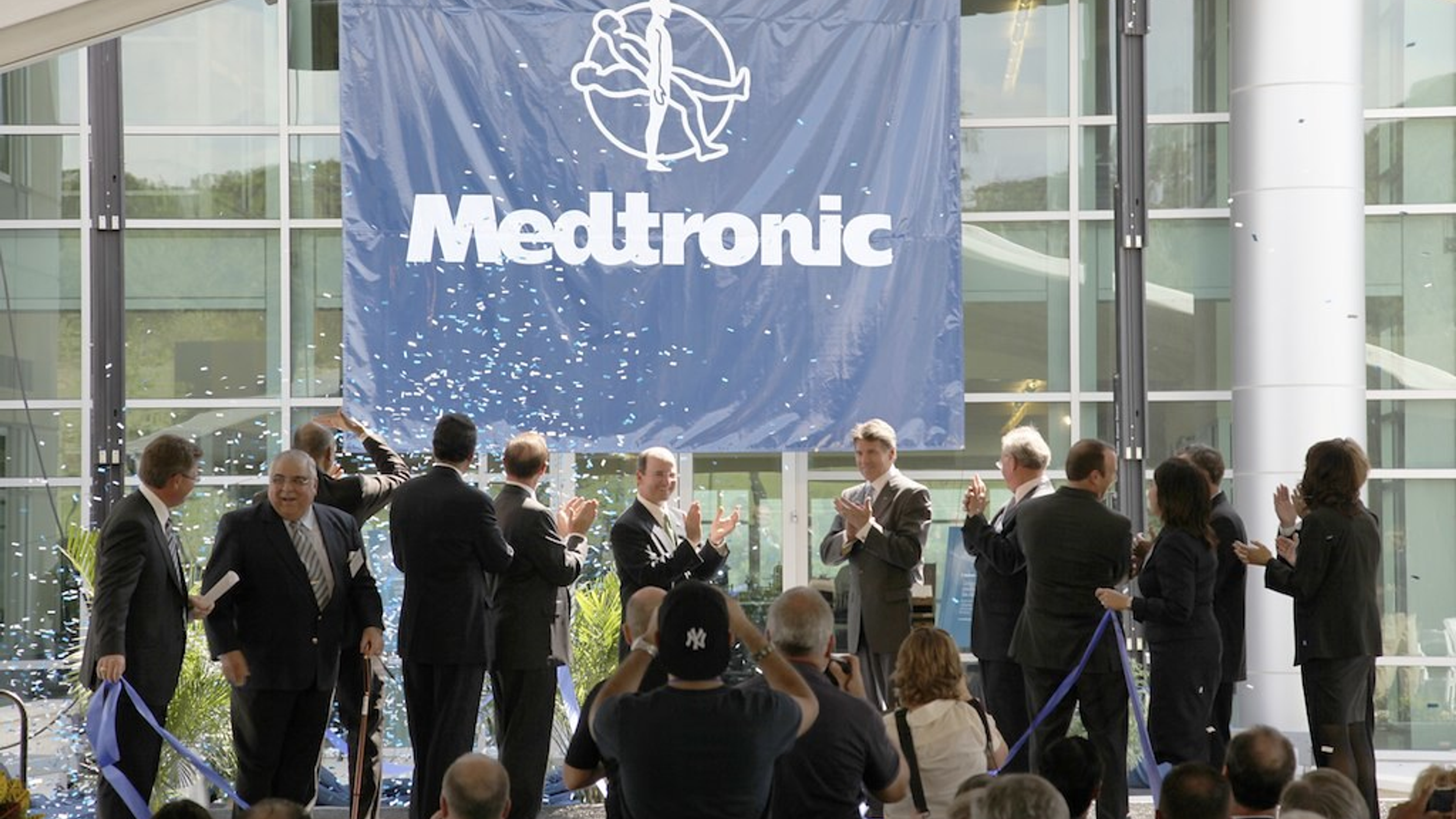
Medtronic se distingue dans la catégorie hautement réglementée des produits de santé par son intégrité exceptionnelle, sa gouvernance solide et ses programmes mondiaux de conformité. En reconnaissance de son engagement en faveur de la transparence et de pratiques commerciales éthiques, Pledge4Peace a officiellement nommé Medtronic pour le prestigieux Sceau de la Paix 2026. Cette distinction célèbre les entreprises qui accordent la priorité à la dignité humaine, protègent leurs employés et exercent leurs activités avec une intégrité absolue à l’échelle mondiale.
Pledge4Peace.org
September 16, 2026

L’engagement profond de Hitachi en faveur de la transparence, de l’intégrité et de la valeur centenaire du « Makoto » (sincérité) lui a valu une nomination officielle au Sceau de la Paix de Pledge4Peace. En alignant harmonieusement ses filiales à travers le monde sur des directives éthiques unifiées et en favorisant l’innovation sociale, Hitachi démontre que le véritable leadership d’entreprise repose sur des normes éthiques intransigeantes.
Yet despite this evidence, profit-sharing remains relatively rare outside a handful of large or forward-thinking companies. For millions of workers, value creation still flows upward, while risk and instability flow downward.
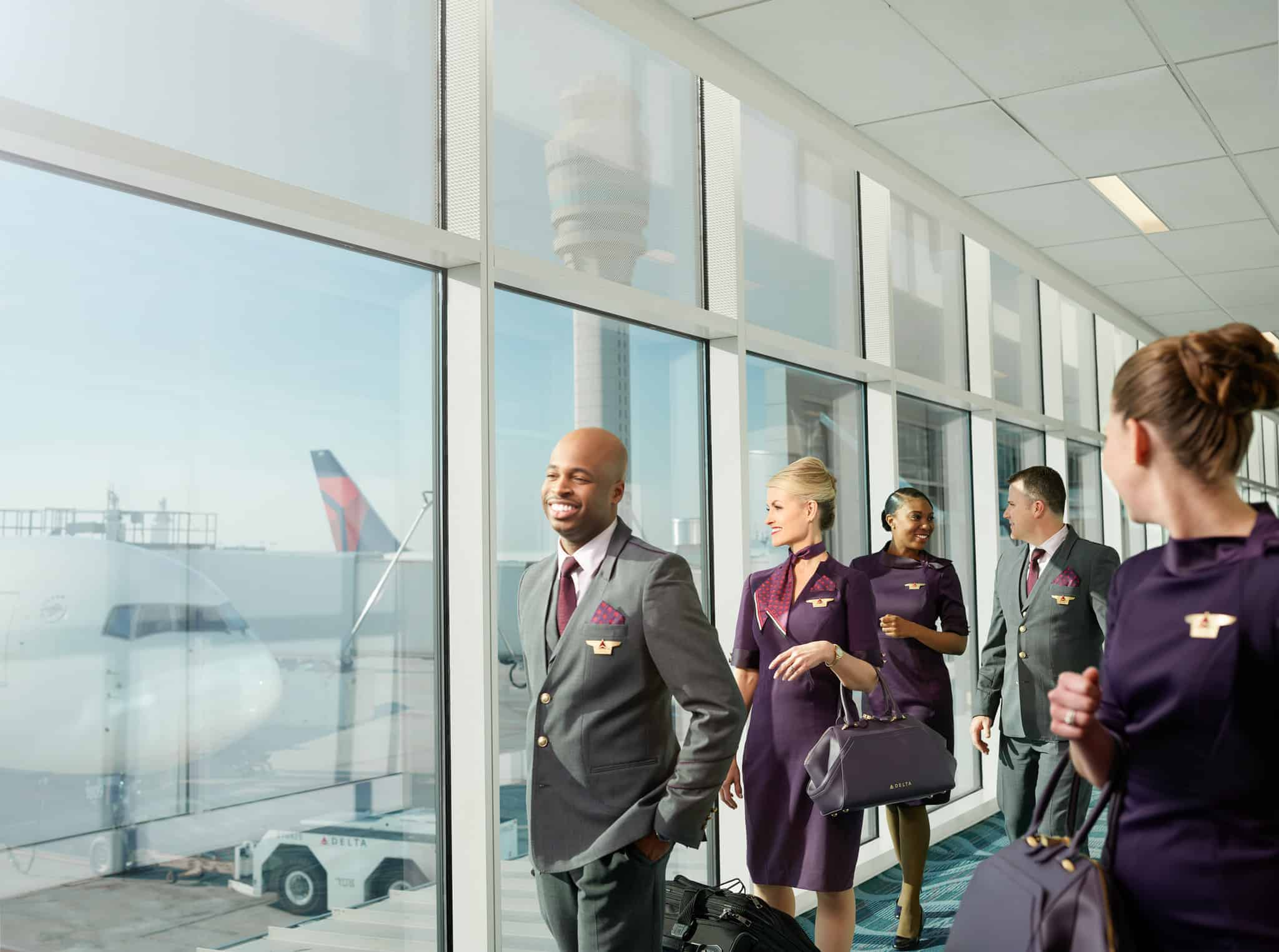
The benefits of fair workplace practices extend beyond productivity metrics. Financial stability reduces stress, improves mental health, and allows workers to plan for the future. When employees are treated as partners, trust grows, communication improves, and conflict decreases.
In this sense, ethical labor practices are not just an economic issue. They are a peace issue.
Workplaces shape daily life for billions of people. They influence mental health, family stability, and social cohesion. A company that prioritizes dignity, transparency, and shared success contributes to a more stable society. A company that exploits labor or silences workers creates conditions for resentment, burnout, and long-term harm.
If the evidence is so clear, why aren’t more companies following this model?
One reason is accountability. Many workplaces operate behind closed doors, with little visibility into how employees are treated or compensated. Workers often lack safe channels to share their experiences without fear of retaliation. Consumers, investors, and job seekers are left to rely on marketing narratives rather than lived reality.
Another reason is inertia. Ethical leadership requires intentional design, not just compliance. It means aligning incentives, listening to employees, and accepting scrutiny. For some organizations, that level of transparency feels risky.
But as Delta’s example shows, the greater risk may be ignoring the human foundations of performance altogether.
Real change starts when workplaces become visible and accountable.
That is why Pledge4Peace created the Peace Seal, the world’s first certification recognizing businesses that commit to ethical governance, fair labor practices, and respect for human dignity. The Peace Seal is not a marketing badge or a political label. It is a voluntary framework for leadership.
Through the Peace Seal Directory, employees can now review their current or past workplaces anonymously, without providing names or personal identifiers. These reviews are aggregated, not weaponized, helping others make informed decisions while encouraging companies to improve.
For businesses, claiming a profile is an opportunity to step forward, demonstrate leadership, and engage transparently with feedback. Companies that lead with fairness don’t fear accountability; they welcome it.
Delta Air Lines’ profit-sharing decision is not just good business. It is a reminder of what is possible when companies recognize that long-term success depends on human dignity.
In a world facing division, burnout, and mistrust, peace does not begin only in treaties or institutions. It begins in everyday systems, including where people work, how they are treated, and whether their voices matter.
Employees deserve recognition, stability, and a safe way to share their experiences. Businesses deserve a framework that rewards ethical leadership and builds trust with workers, customers, and communities.
Both can exist together.
If you are a business leader committed to fairness, transparency, and long-term performance, you can apply to become a Peace Seal business and demonstrate your commitment to ethical, peace-centered leadership.
Learn more and apply: https://pledge4peace.org/peace-seal
If you are an employee, your experience matters. You can help others make informed decisions and encourage better standards across industries by reviewing your workplace anonymously.
Review or add a workplace here: https://pledge4peace.org/peace-seal/directory
Change starts with systems, accountability, and people choosing to lead differently.
Pledge4Peace.org
September 15, 2026