Conflict is rising. Join the movement to create a peaceful future. Sign the Pledge

Conflict is rising. Join the movement to create a peaceful future. Sign the Pledge
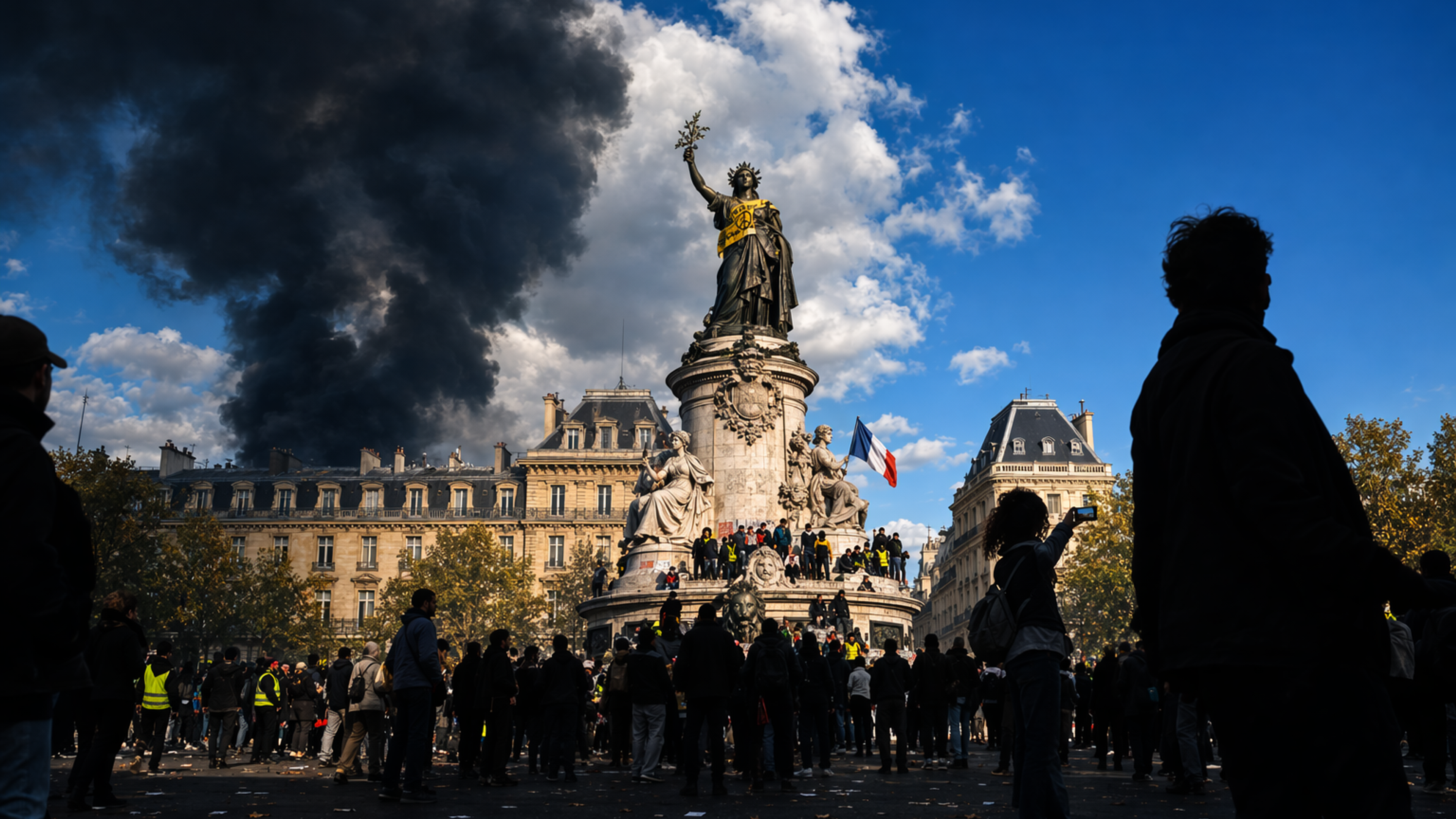

The recent waves of unrest across France have captured global attention, laying bare profound social divides. What began as a localized tragedy quickly escalated into a nationwide crisis, challenging the country's law enforcement protocols and the government's approach to marginalized communities. To fully grasp the magnitude of this situation, it is critical to examine the underlying causes, the immediate consequences, and the avenues available for diplomatic and peaceful resolution.
The immediate catalyst for the recent civil unrest was the fatal shooting of Nahel M., a 17-year-old boy of North African descent, by a police officer during a traffic stop in the Parisian suburb of Nanterre. The incident, which was captured on video by a bystander, contradicted initial police reports that the officer acted in self-defense because the teenager was driving his car directly at them.
While this specific tragedy sparked the initial outrage, the rapid spread of the protests points to a much deeper, systemic cause. For decades, residents of France's banlieues (suburbs), which are often home to working-class, immigrant, and minority communities, have voiced grievances over systemic discrimination, economic disenfranchisement, and racial profiling by law enforcement. The death of Nahel M. acted as a flashpoint, igniting years of pent-up frustration regarding heavy-handed policing tactics and a perceived lack of accountability within the French justice system.
The transition from peaceful vigils to widespread riots had severe physical, economic, and political consequences across the nation.
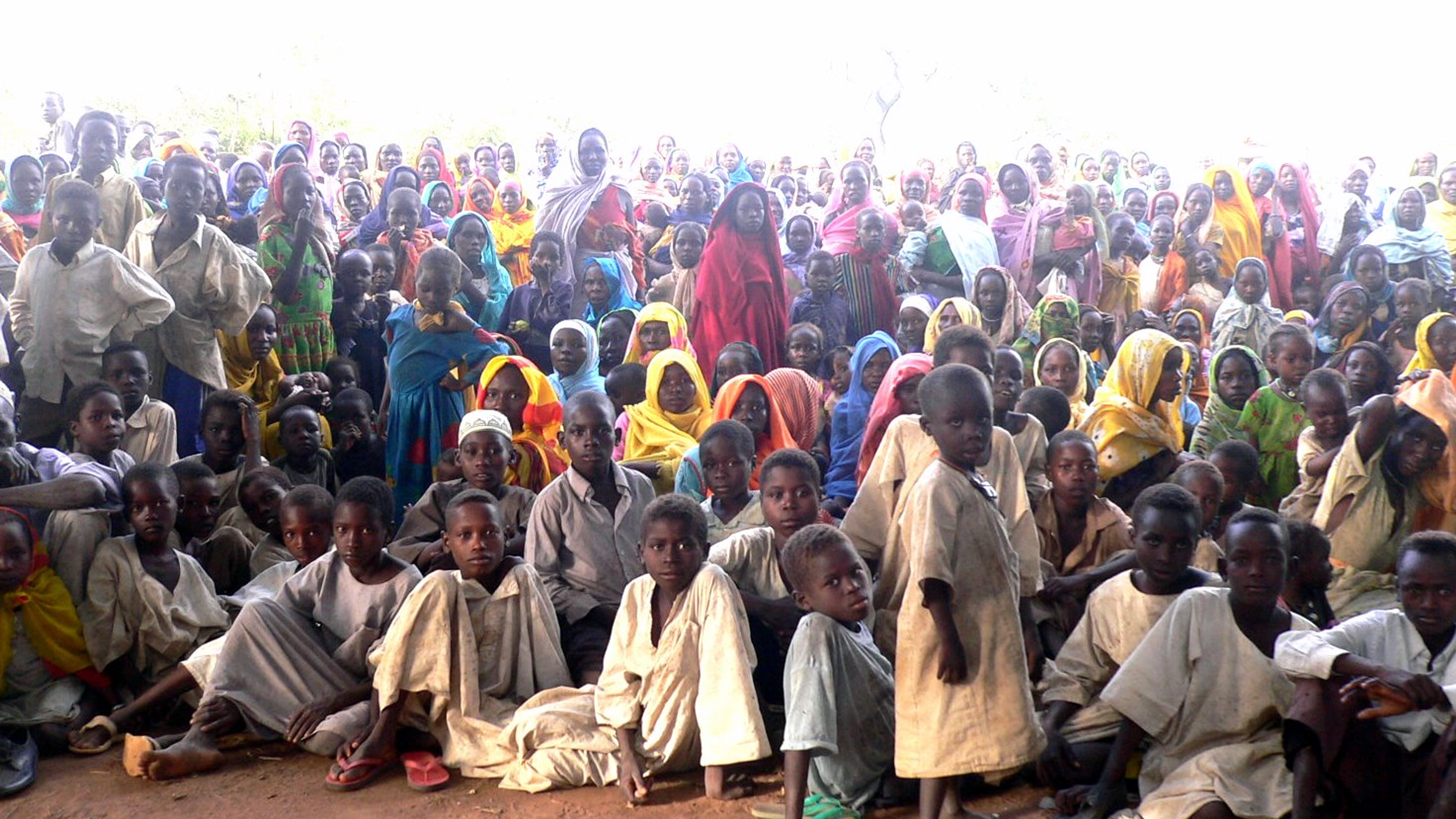
Sudan is facing the world’s worst humanitarian disaster. A devastating civil war has displaced over 11 million people, left 28 million facing acute hunger, and triggered an unprecedented wave of sexual violence used systematically as a weapon of war. Uncover the strategic crisis in El-Obeid, the harrowing UN reports, and how global citizens can take immediate action to demand international accountability and support peaceful resolutions.
Pledge4Peace.org
June 26, 2026
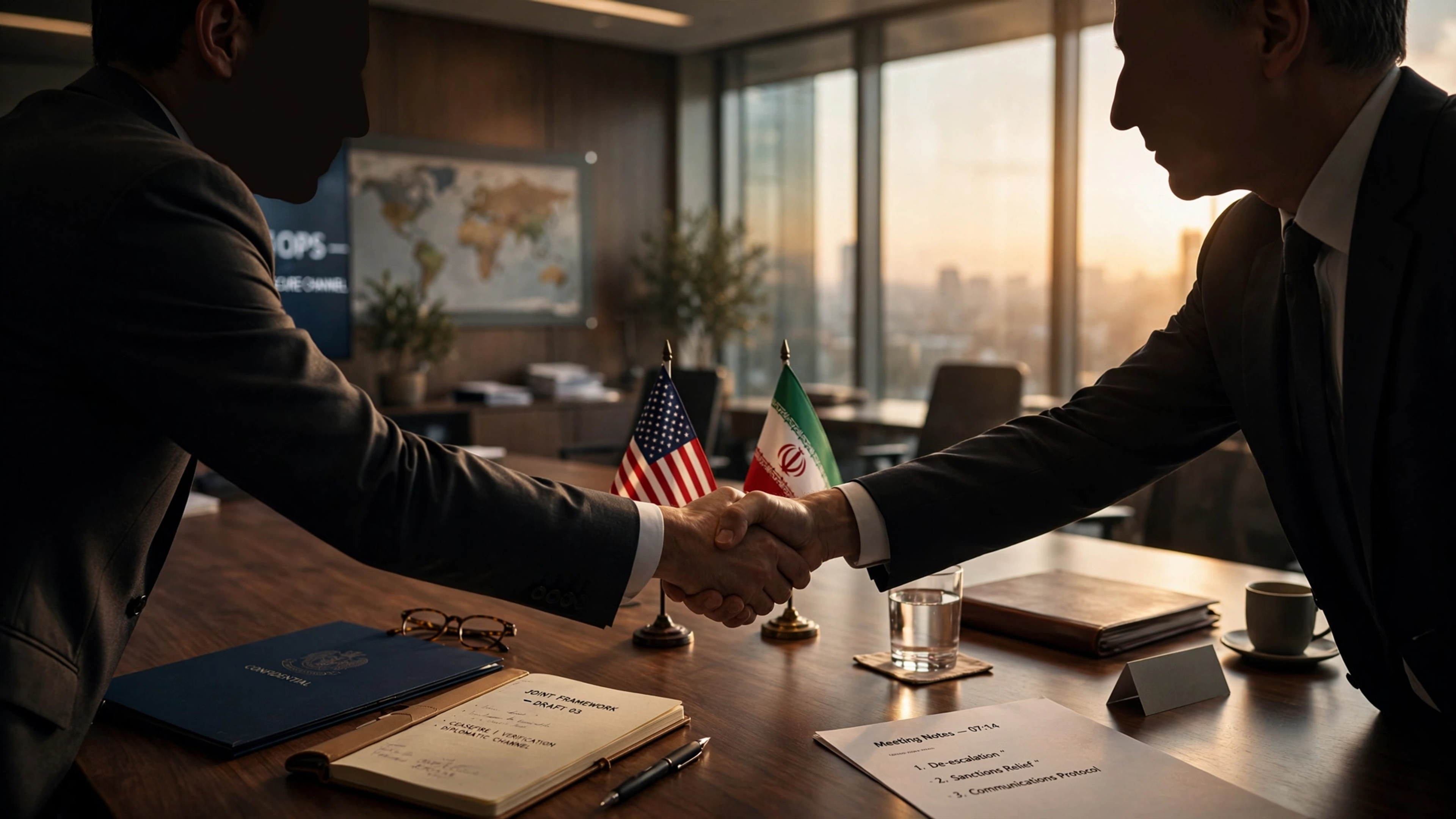
With tensions reaching a critical flashpoint in 2026, the US-Iran war is no longer a localized dispute; it is a global security crisis. While political leaders debate "near-final" deals that remain publicly disputed, millions of civilians bear the brunt of crippling economic sanctions and military escalation. It is time for a permanent, structural framework to secure peace in the Middle East.
The economic toll was staggering, with local businesses looted, public transport infrastructure destroyed, and curfews heavily impacting local economies. Politically, the riots deeply polarized French society. While many citizens expressed solidarity with the marginalized communities demanding justice, others demanded stricter law enforcement and security measures, widening the political divide.
Meeting violence with overwhelming force often results in a cyclical escalation of tensions. True, lasting order cannot be achieved merely through policing; it requires addressing the root causes of the grievances through diplomatic channels and open dialogue.
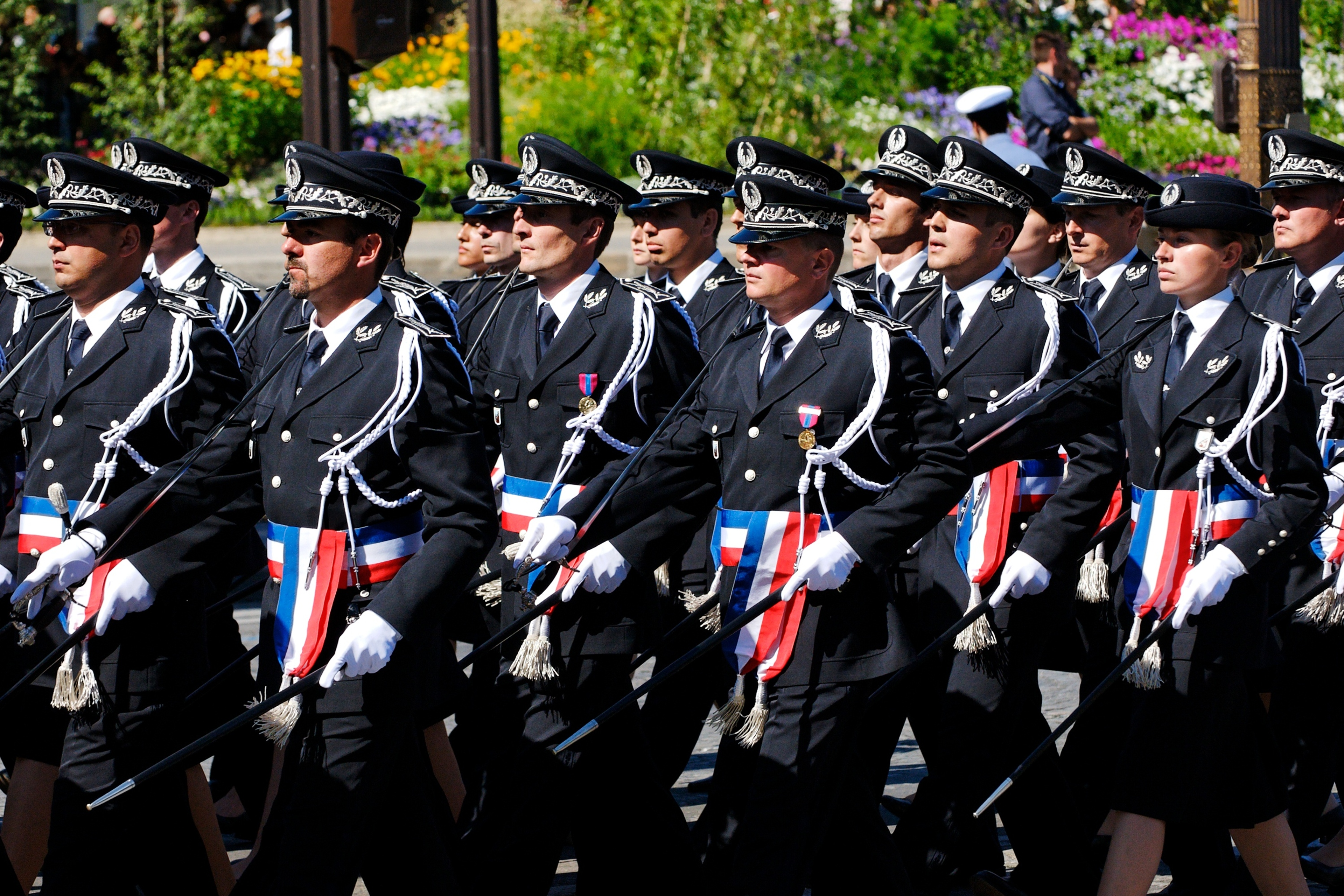
For those looking to support a peaceful resolution and advocate for human rights in France, several credible organizations are actively working on the ground and at the policy level:
The unrest in France is a critical reminder that peace is not merely the absence of visible conflict but the presence of justice, equity, and mutual respect. We urge global citizens to raise awareness of these underlying issues rather than solely focusing on the sensationalized destruction. By amplifying the work of human rights defenders and demanding systemic reforms over militarized responses, we can support a framework where tragedy is met with accountability, and anger is transformed into constructive, diplomatic progress.
You can also take action and add your voice to other global initiatives by voting on our active campaigns at pledge4peace.org/campaigns.
Pledge4Peace.org
June 16, 2026