
In 2026, the definition of a great workplace has shifted in a fundamental way. Employees are no longer evaluating employers solely on salary or job titles. Instead, they are prioritizing dignity, stability, ethical leadership, and whether their work environment reflects values they can stand behind. As a result, the companies recognized as the best places to work this year are those that treat employee well-being and social responsibility as core infrastructure, not optional benefits.
Across multiple global and national rankings, a consistent picture emerges. The most respected workplaces are those where employees feel heard, protected, and supported, and where company success is not built at the expense of human dignity.
One of the most influential measures of workplace quality continues to be employee-driven platforms that rely on anonymous reviews. In 2026, Glassdoor’s Best Places to Work rankings once again highlighted the power of employee voice. These rankings are based entirely on verified, anonymous feedback from current and former employees, evaluating leadership, culture, trust, and overall job satisfaction.
This year’s results revealed a notable trend. Some of the highest-ranked employers were not traditional tech giants or multinational corporations but companies operating in service and frontline industries. Crew Carwash ranked first in the United States, earning widespread praise from employees for investing in education support, student loan assistance, and long-term career development. In-N-Out Burger followed closely, recognized for its strong internal promotion pathways and people-first culture in an industry often associated with burnout and high turnover.
These results reinforce a critical insight: when employees feel secure and respected, workplace satisfaction increases regardless of industry. Employees consistently reward employers who provide stability, fairness, and opportunities to grow.
Beyond individual rankings, broader workplace research in 2026 shows that culture and trust are among the strongest predictors of productivity and retention. Countries and companies that emphasize collaboration, transparency, and worker participation tend to outperform peers over time.
In Germany, for example, many companies operate under co-determination laws that give employees a formal voice in corporate governance. Workers sit on supervisory boards and participate in major decisions affecting company direction. While some external observers assume this slows decision-making, long-term data shows the opposite. German firms consistently report lower turnover, fewer labor disputes, and stronger long-term planning because leadership and employees share accountability.
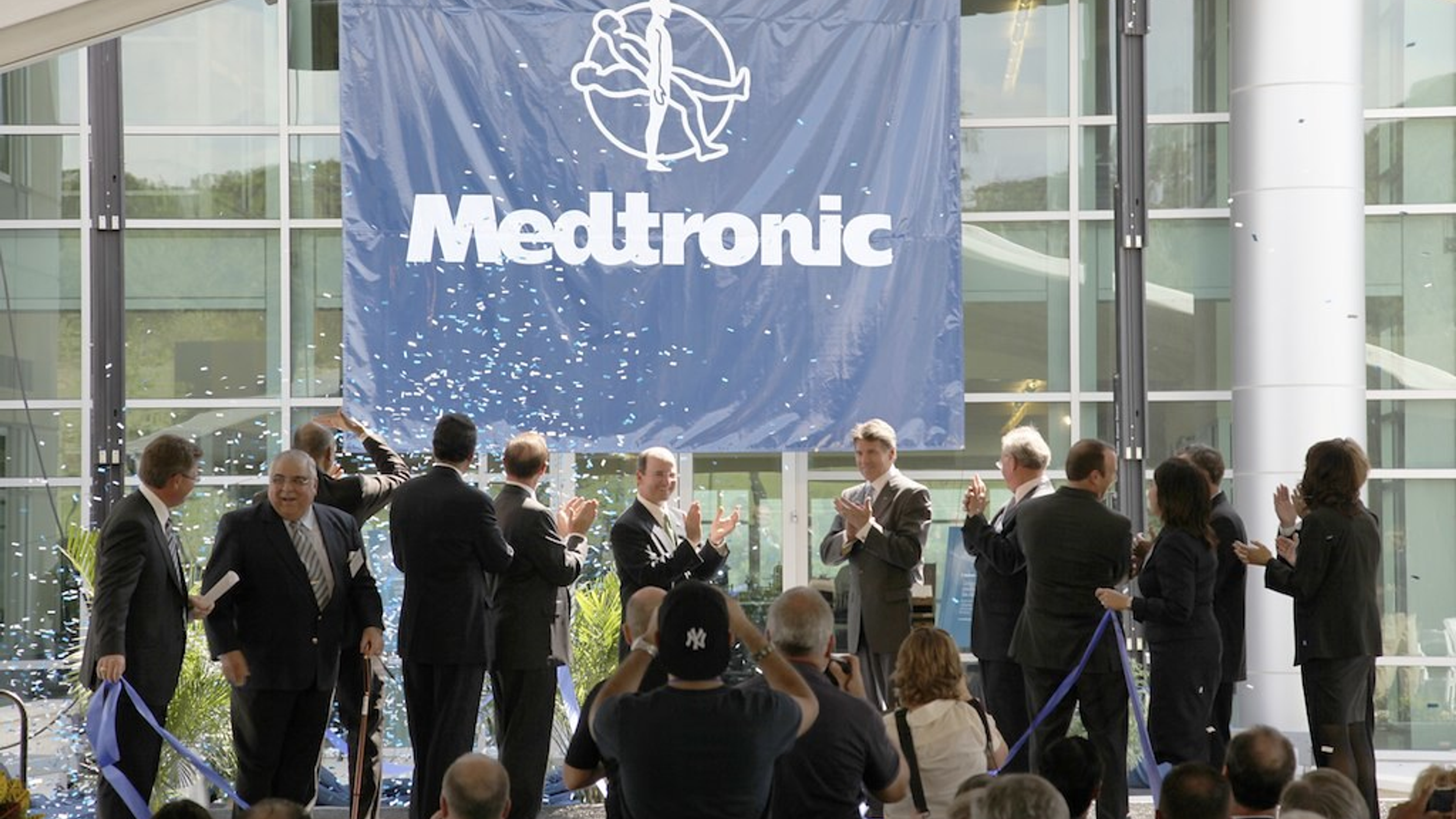
Medtronic se distingue dans la catégorie hautement réglementée des produits de santé par son intégrité exceptionnelle, sa gouvernance solide et ses programmes mondiaux de conformité. En reconnaissance de son engagement en faveur de la transparence et de pratiques commerciales éthiques, Pledge4Peace a officiellement nommé Medtronic pour le prestigieux Sceau de la Paix 2026. Cette distinction célèbre les entreprises qui accordent la priorité à la dignité humaine, protègent leurs employés et exercent leurs activités avec une intégrité absolue à l’échelle mondiale.
Pledge4Peace.org
September 16, 2026
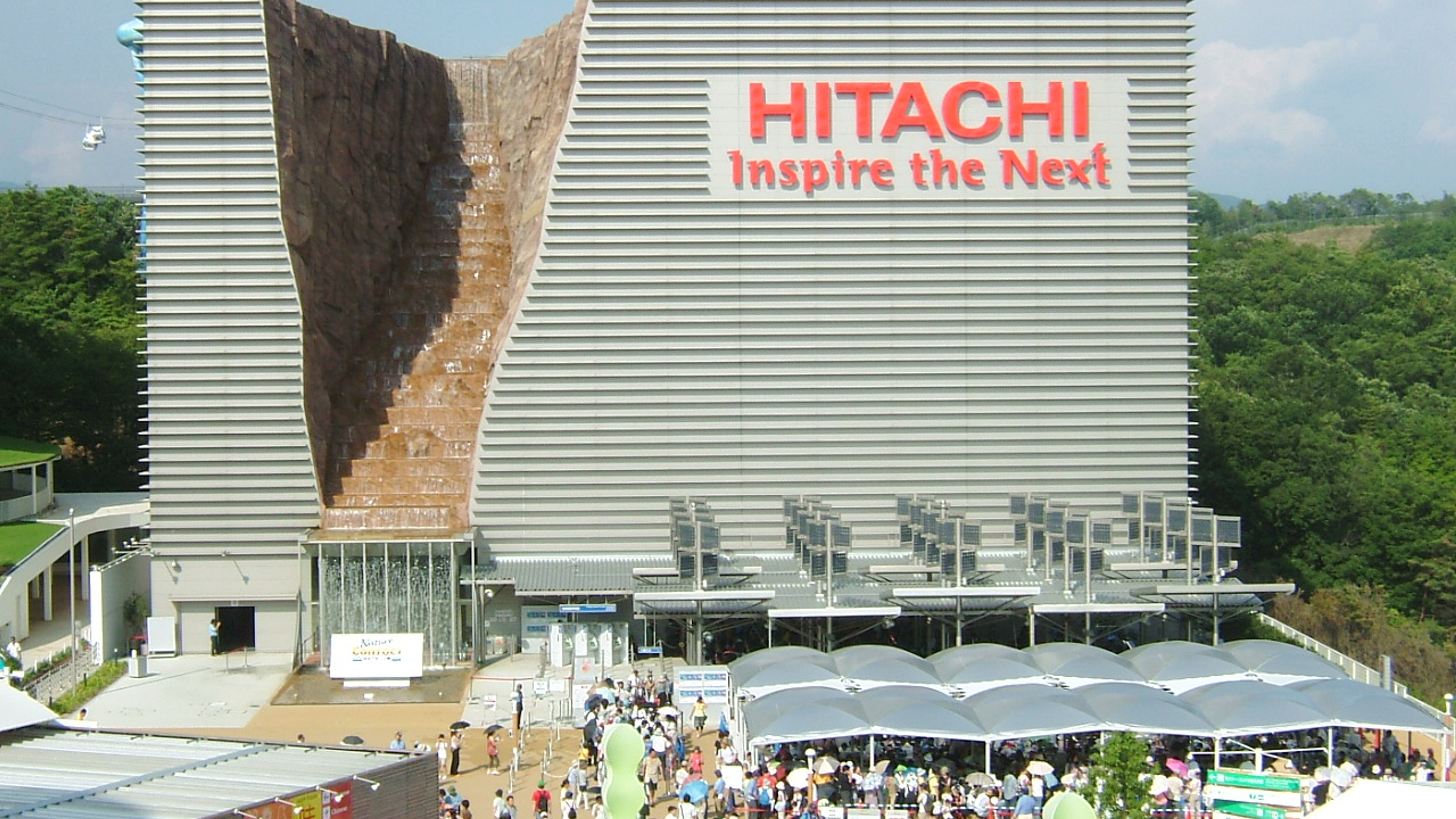
L’engagement profond de Hitachi en faveur de la transparence, de l’intégrité et de la valeur centenaire du « Makoto » (sincérité) lui a valu une nomination officielle au Sceau de la Paix de Pledge4Peace. En alignant harmonieusement ses filiales à travers le monde sur des directives éthiques unifiées et en favorisant l’innovation sociale, Hitachi démontre que le véritable leadership d’entreprise repose sur des normes éthiques intransigeantes.
Similarly, Scandinavian countries continue to demonstrate that strong worker protections and generous benefits do not hinder economic performance. Sweden’s emphasis on parental leave, flexible work arrangements, and work-life balance has resulted in high productivity per hour worked. Employees return to work focused and engaged, and companies benefit from higher retention and reduced recruitment costs.
These models illustrate a key principle: productivity thrives when people are not operating in constant fear of instability.

On a global scale, employer recognition programs in 2026 increasingly emphasize ethical governance and social contribution. International rankings have highlighted companies that prioritize employee development, environmental responsibility, and community engagement alongside financial performance. Organizations such as DHL Global Forwarding, Infosys, and Tata Consultancy Services have been recognized for investing in workforce training, internal mobility, and inclusive policies across regions.
At the same time, U.S.-based workplace awards focused on culture, belonging, and community impact have elevated employers that actively foster inclusion and psychological safety. These companies tend to attract diverse talent and maintain resilience during economic or political uncertainty.
What unites these employers is not a single policy or benefit, but a shared commitment to treating people as stakeholders rather than expendable resources.
Employee expectations in 2026 are clear and remarkably consistent across industries. Workers want stability without stagnation, flexibility without insecurity, and leadership that values transparency. Benefits that support mental health, family life, and long-term financial well-being are no longer considered perks but essentials.
Just as importantly, employees want safe ways to share their experiences. Anonymous review systems have become a powerful tool for accountability, allowing patterns of harm or excellence to surface without fear of retaliation. This collective knowledge helps workers make informed decisions and encourages employers to improve.
For businesses, the message from 2026’s top workplaces is unmistakable. Ethical treatment of employees is not a cost; it is an investment. Companies that listen to employee feedback, protect rights, and foster trust tend to outperform peers in retention, innovation, and public reputation.
In an era where talent is increasingly selective, companies that lead with integrity gain a competitive advantage. They attract motivated employees, reduce risk, and build credibility with customers and partners alike.
This is where platforms like the Peace Seal come in. The Peace Seal is designed to recognize businesses that operate with ethical governance, fair labor practices, and respect for human dignity. It provides companies with a transparent way to demonstrate their commitment to peace-centered leadership and responsible workplace culture.

For employers, signing up for the Peace Seal is an opportunity to lead proactively rather than reactively. It signals accountability and invites continuous improvement.
For employees, reviewing current or past workplaces helps others navigate their career choices and encourages higher standards across industries. When workers share their experiences safely and collectively, meaningful change becomes possible.
Businesses can sign up for the Peace Seal at:
Employees can review workplaces or add companies to the directory at:
The best workplaces of 2026 show that progress is possible when employees and employers participate together. Better workplaces lead to stronger communities, healthier economies, and more stable societies. By recognizing ethical leadership and amplifying worker voices, we move closer to a future where work supports human dignity rather than undermines it.
Pledge4Peace.org
September 15, 2026