Conflict is rising. Join the movement to create a peaceful future. Sign the Pledge

Conflict is rising. Join the movement to create a peaceful future. Sign the Pledge
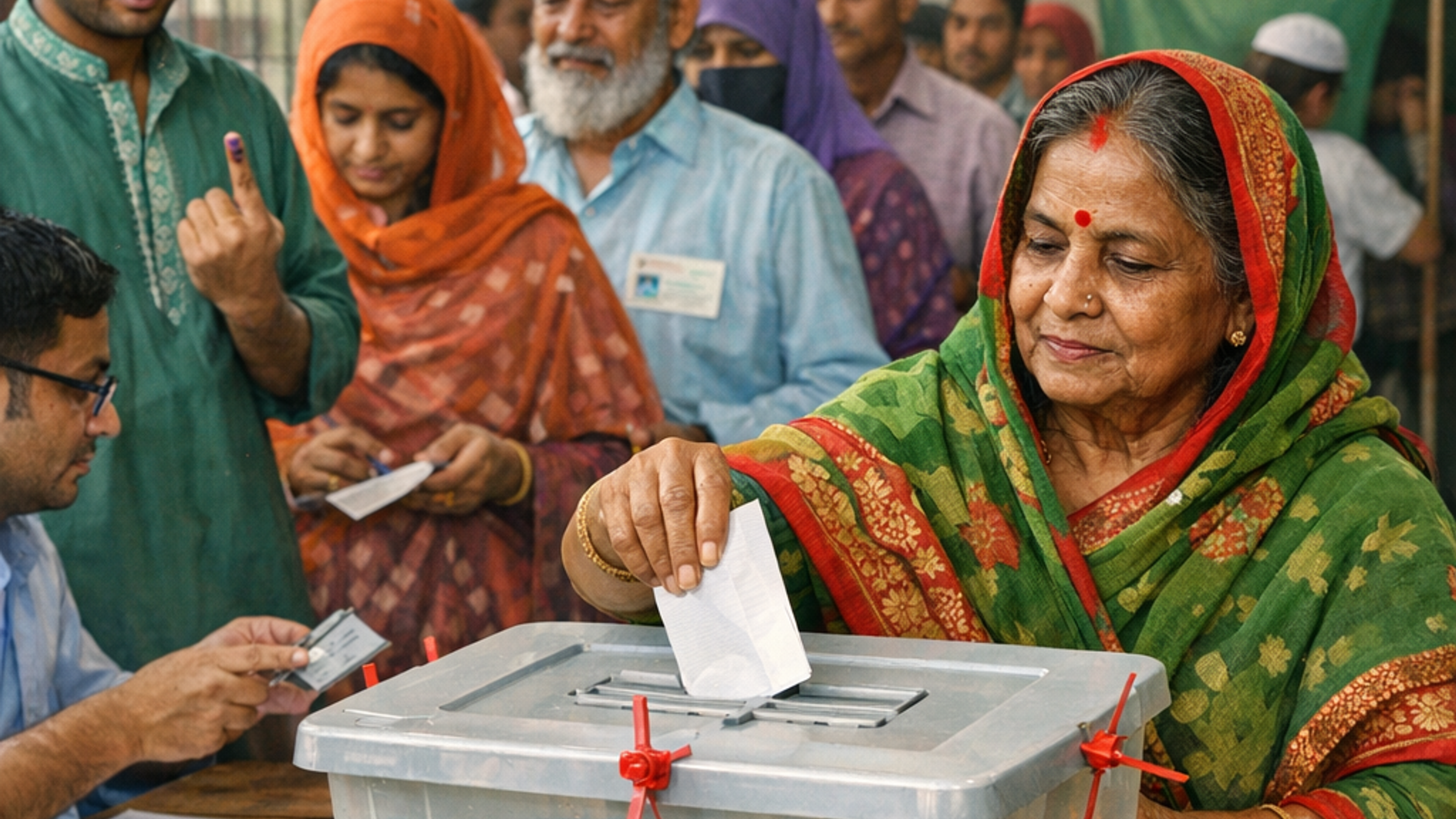

Bangladesh’s 2026 general election arrives at a sensitive moment for the country’s democracy. Over the past decade, the nation of more than 170 million people has experienced rapid economic growth alongside mounting political tension. The latest vote is not just about which party won or lost. It reflects broader questions about institutional trust, democratic resilience, and the country’s political trajectory in South Asia.
The results, as reported internationally, confirm a continuation of power under the ruling leadership, though amid controversy, opposition allegations, and high public scrutiny. For supporters, the outcome represents continuity and stability. For critics, it raises renewed concerns about political pluralism, electoral fairness, and civic space.
Understanding what this means requires stepping back from partisan framing and examining structural realities.
Bangladesh has a complex political history. Since its independence in 1971, the country has alternated between periods of military rule and electoral governance. In recent decades, elections have been competitive but frequently polarized, often dominated by two major political blocs.
According to data from Freedom House and other international democracy monitors, Bangladesh has experienced a gradual tightening of civic space in recent years. Concerns have centered on opposition participation, press freedom, digital security laws, and the role of security forces during electoral cycles.
At the same time, Bangladesh has posted impressive economic figures. The World Bank reports that the country maintained steady GDP growth over the past decade, lifted millions out of poverty, and became a key player in global garment exports. These gains have strengthened the argument among incumbents that political continuity ensures economic progress.
The 2026 election therefore sits at the intersection of two narratives: economic advancement and democratic scrutiny.
The outcome suggests that voters either prioritized stability or felt limited alternatives within the current political framework. In polarized environments, elections often function less as policy debates and more as referendums on governance continuity.
The ruling leadership now faces a dual responsibility. First, to demonstrate that electoral victory translates into inclusive governance. Second, to address domestic and international concerns regarding institutional independence.
Democratic strength is not measured solely by electoral outcomes, but by the health of checks and balances. Independent courts, credible election commissions, free media, and a functioning opposition are core components of resilient governance. If the 2026 results reinforce these institutions, the country could stabilize its political environment. If they weaken them, polarization may deepen.
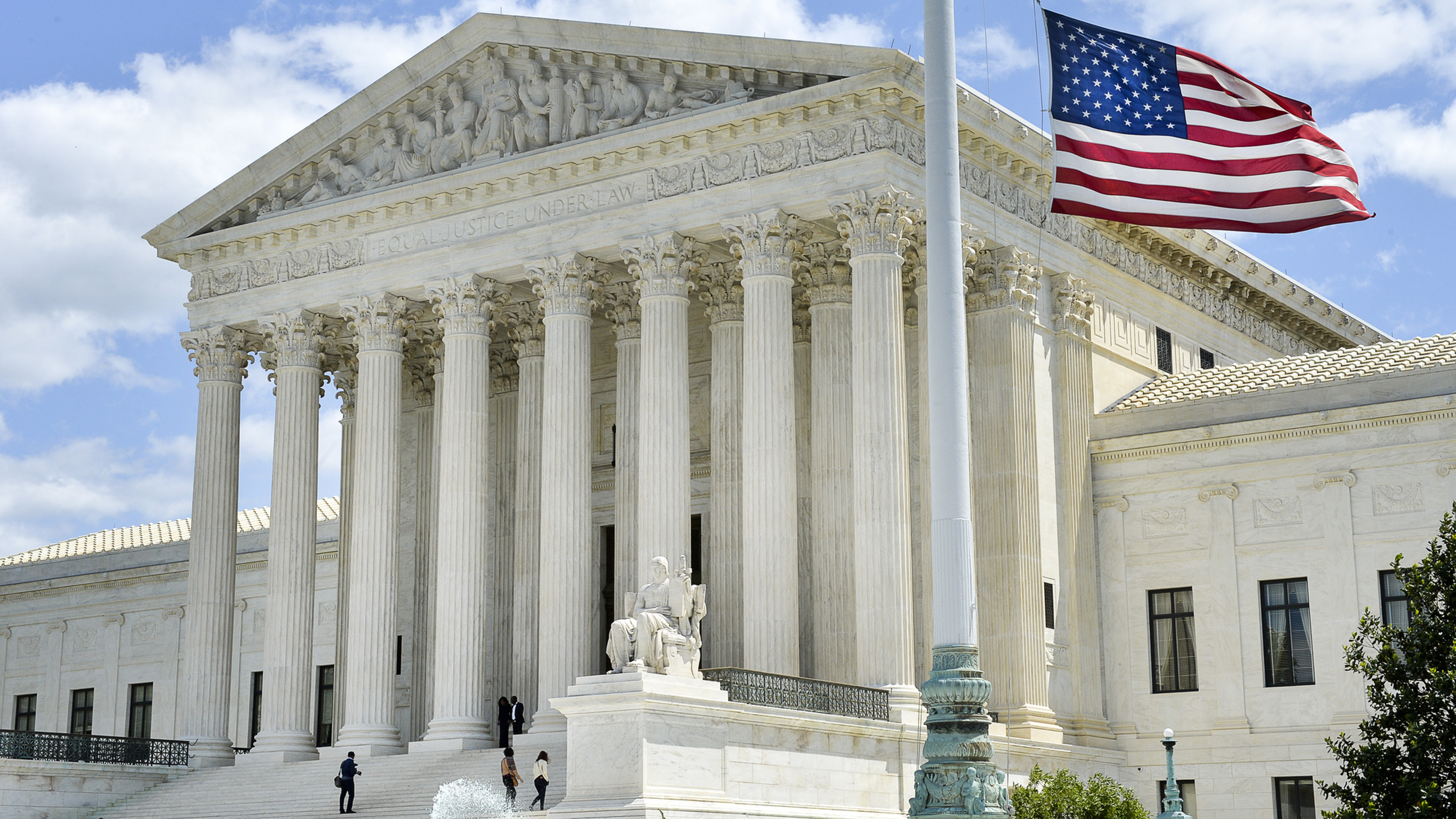
The Sixth Amendment guarantees the right to a fair trial, yet over 95% of U.S. criminal convictions are resolved through plea bargains. Driven by coercive prosecutorial tactics and the threat of a massive "trial penalty," the American justice system has transformed into an administrative conveyor belt. Explore how this unchecked prosecutorial power undermines democratic civil liberties, what we can learn from international human rights standards, and how global citizens can demand structural reform.
Pledge4Peace.org
July 2, 2026
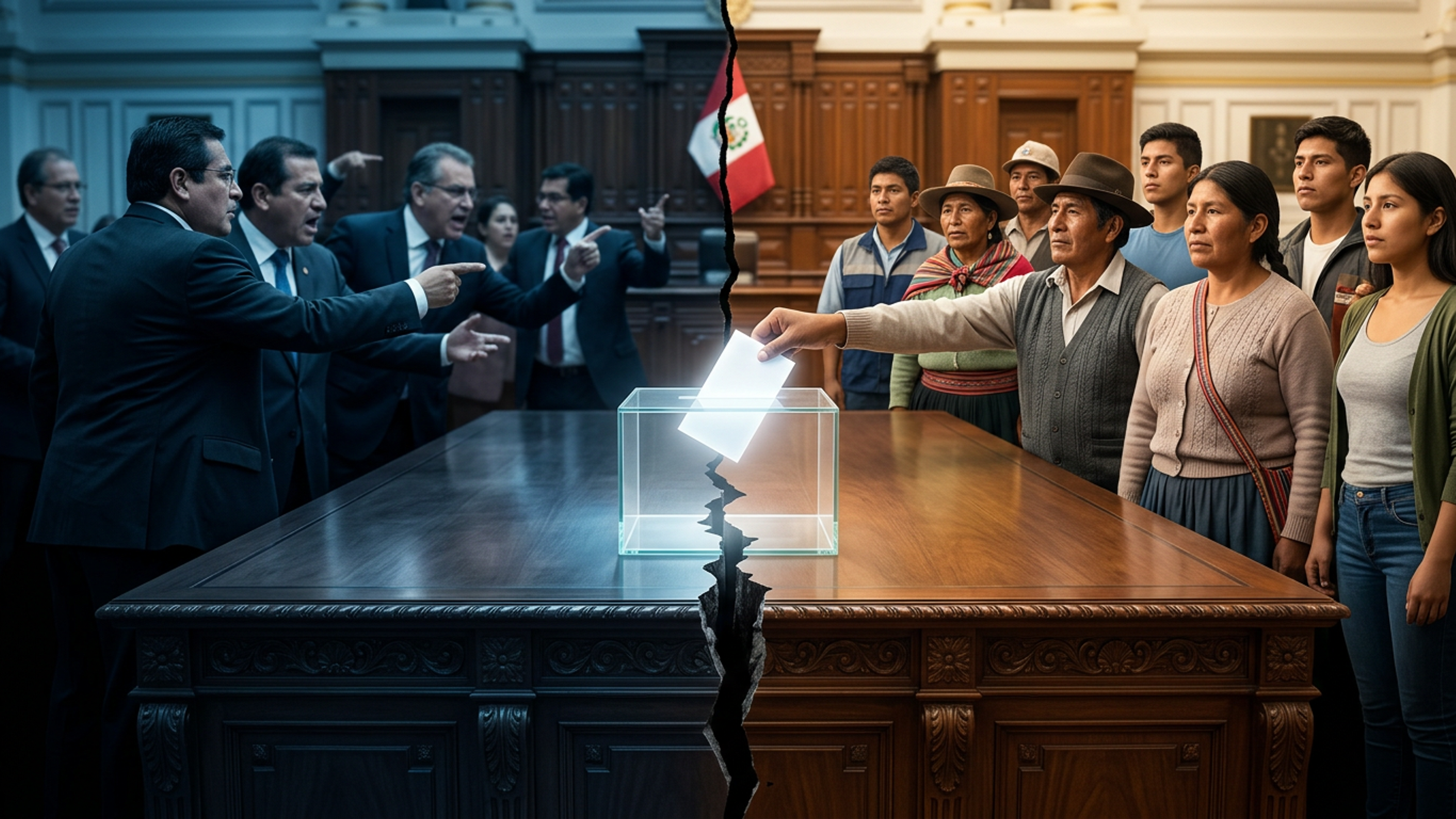
As Peru's 2026 presidential election unfolds against a backdrop of deep political fragmentation and public distrust, neither candidate holds the legislative majority needed for decisive reform. Explore the structural causes of this governance paralysis and how civil society can demand diplomacy to rebuild institutional stability.
Bangladesh occupies a strategic position between India and Myanmar and along the Bay of Bengal. It plays a crucial role in regional trade, migration management, and climate resilience.
The country also hosts more than one million Rohingya refugees who fled violence in Myanmar. Political stability is essential to managing this humanitarian responsibility while maintaining domestic cohesion.
International partners, including the United States, the European Union, China, and India, all maintain economic and strategic interests in Bangladesh. The 2026 election outcome will influence diplomatic relations, trade negotiations, and regional security dynamics.
In South Asia, democratic stability carries broader implications. When elections are perceived as credible and inclusive, they reinforce regional norms of civilian governance.
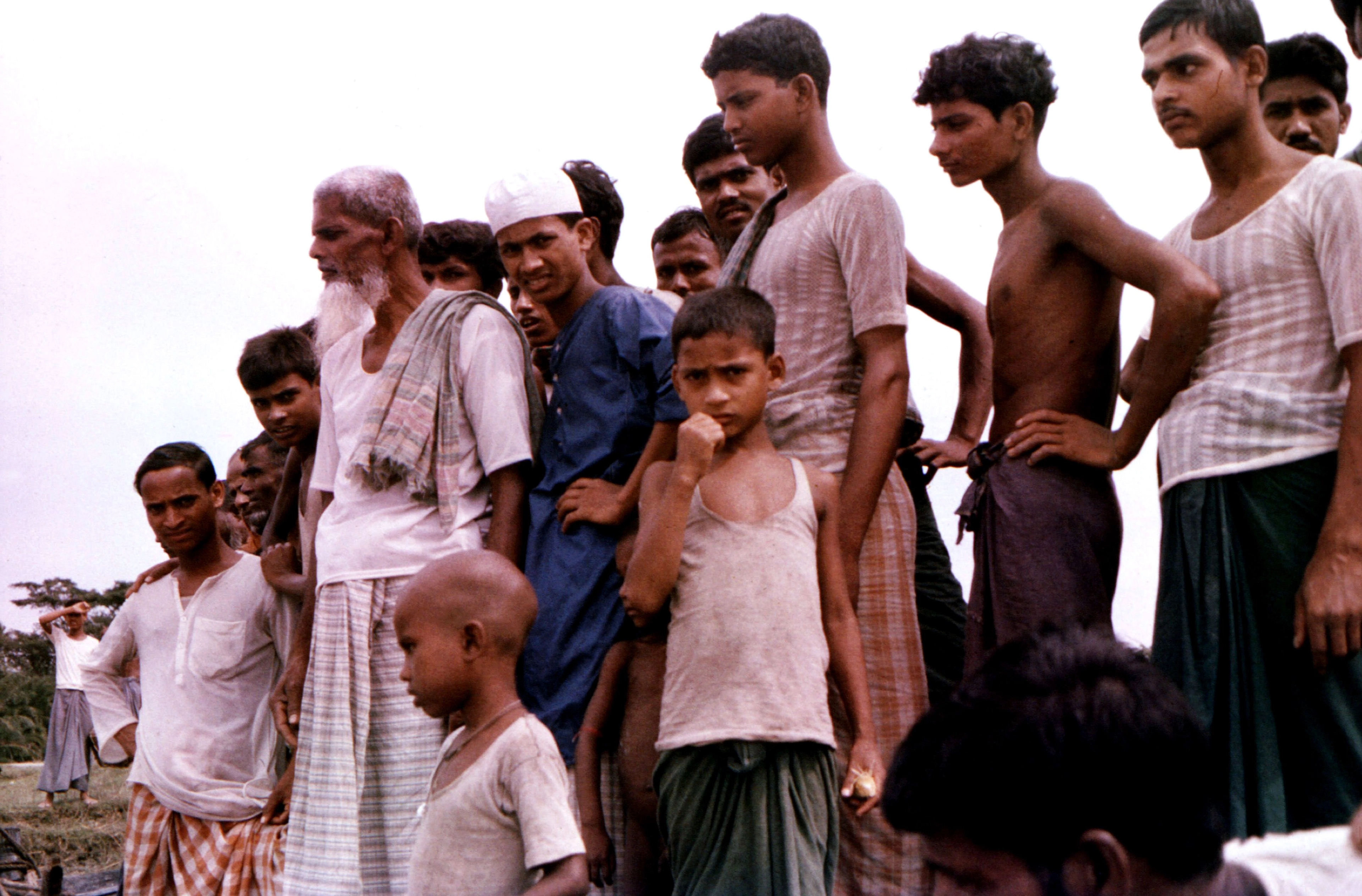
Perhaps the most important variable moving forward is public trust. Elections can either strengthen confidence in democratic systems or deepen skepticism.
If citizens feel that their participation mattered, polarization may cool. If segments of society feel excluded or unheard, social tensions can rise.
Bangladesh’s young population adds urgency to this question. A large percentage of the electorate is under 35. Youth unemployment, digital access, and political engagement will shape the next phase of governance. Societies with youthful populations tend to demand transparency and participation, not only economic growth.
Whether the government expands civic dialogue or narrows it will determine the tone of the coming years.
Bangladesh is one of the most climate-vulnerable countries in the world. Rising sea levels, cyclones, and flooding threaten coastal regions and agricultural production. According to the Intergovernmental Panel on Climate Change, low-lying delta nations face disproportionate climate risk.
Effective governance is directly linked to climate adaptation capacity. Disaster preparedness, infrastructure investment, and climate financing require institutional coordination and public trust.
Political stability following the 2026 election could allow Bangladesh to focus on climate resilience strategies and sustainable development initiatives. Political unrest, by contrast, would divert attention and resources.
The 2026 election does not define Bangladesh’s future on its own. What follows the election will matter more than the result itself.
Will the government engage constructively with critics? Will opposition voices be protected? Will electoral institutions undergo reform where needed? Will economic growth be paired with democratic safeguards?
History shows that durable stability is built not only on economic progress, but on inclusive governance.
Bangladesh has the capacity to strengthen both.
For global observers, this election is a reminder that democracy is not static. It evolves through civic participation, accountability, and sustained public engagement.
At Pledge4Peace, we believe that peace and democracy are interdependent. When institutions function transparently and citizens feel represented, conflict declines and stability grows.
If you care about democratic resilience, civic participation, and peaceful governance worldwide, take action today.
Vote on nonviolent, people-centered campaigns at:
Democracy does not end at the ballot box. It continues through awareness, dialogue, and sustained civic engagement.
Pledge4Peace.org
June 9, 2026