Conflict is rising. Join the movement to create a peaceful future. Sign the Pledge

Conflict is rising. Join the movement to create a peaceful future. Sign the Pledge
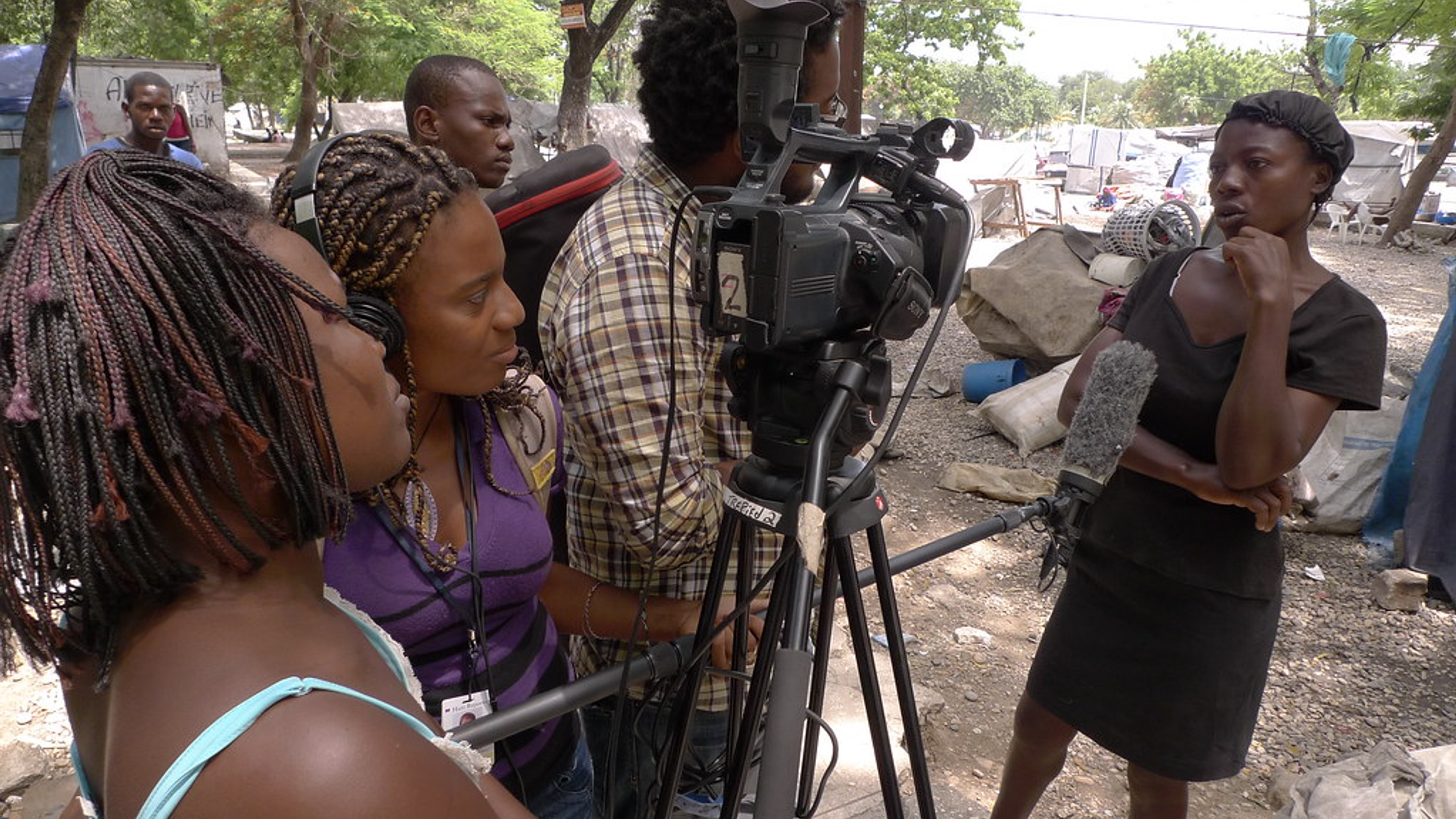

During its 82nd General Assembly, which concluded on October 25, 2026, in Bogotá, Colombia, the Inter-American Press Association (IAPA) issued a dire warning regarding the state of Haiti press freedom. The organization officially described the situation as "critical," citing the rapid expansion of armed gangs and the severe deterioration of security conditions for journalists and media outlets across the nation.
As the institutional crisis deepens, journalist safety in Haiti has virtually evaporated. "Journalism has become a high-risk profession: journalists face threats, kidnappings, assaults, and murders, as well as severe restrictions on their movement and access to sources," the IAPA stated in its comprehensive report on the Caribbean nation.
The study paints a grim picture of the current media landscape. Many prominent media outlets have been forced to close their doors, and numerous journalists have chosen the painful path of exile to protect their families.
The human toll of this violence is staggering. "The United Nations has indicated that 14 media professionals have been murdered since 2021," the IAPA noted, adding that "violence from armed gangs significantly shrinks the space available for the practice of journalism."
Support freedom of information and protect human rights defenders globally by joining the movement at .
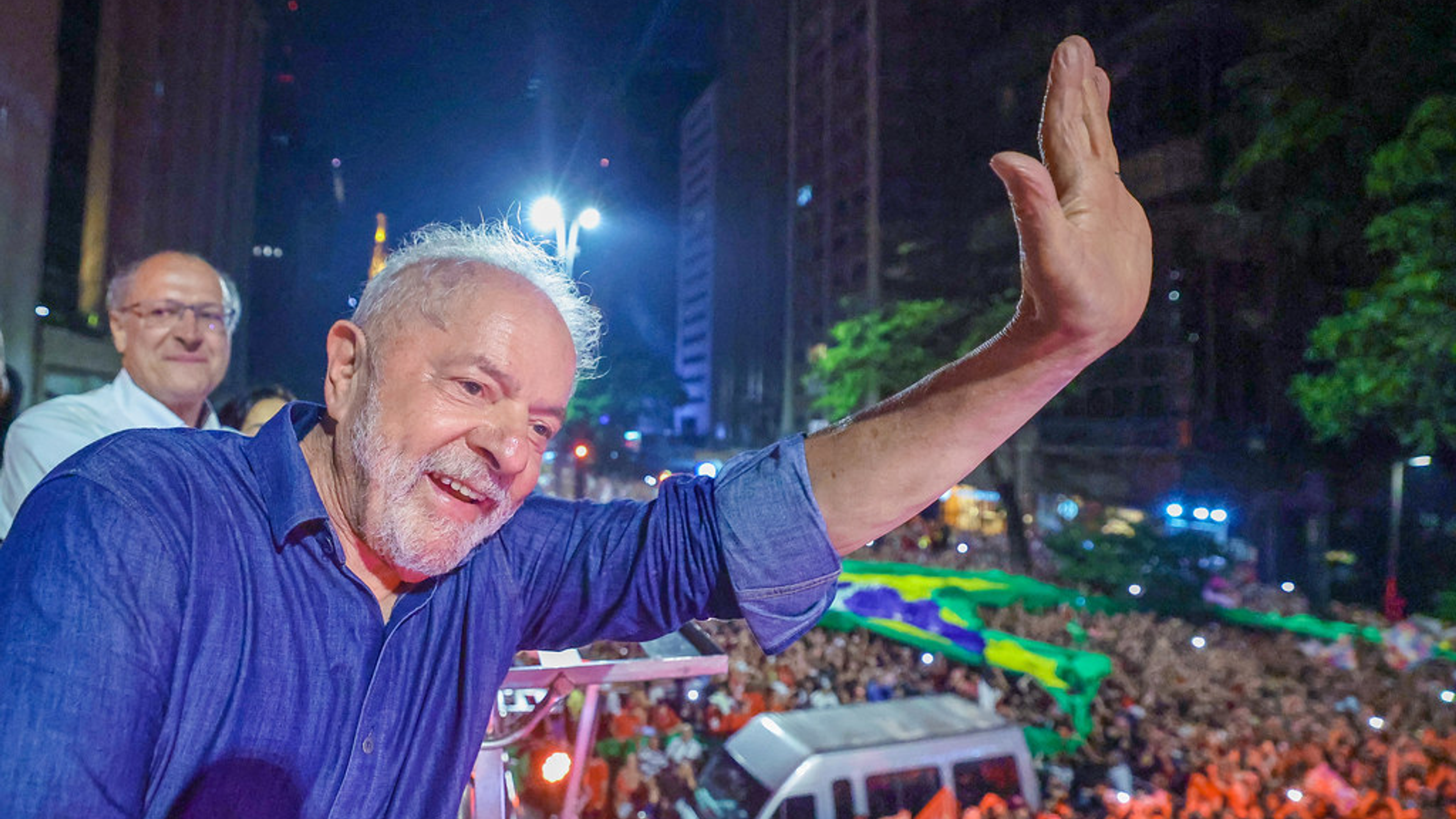
The 2026 Brazilian elections stood as a historic testament to civic resilience. Despite widespread voter suppression, digital disinformation, and institutional roadblocks, citizens successfully fought for their voting rights, ensuring that democracy prevailed against all odds.
Pledge4Peace.org
October 27, 2026
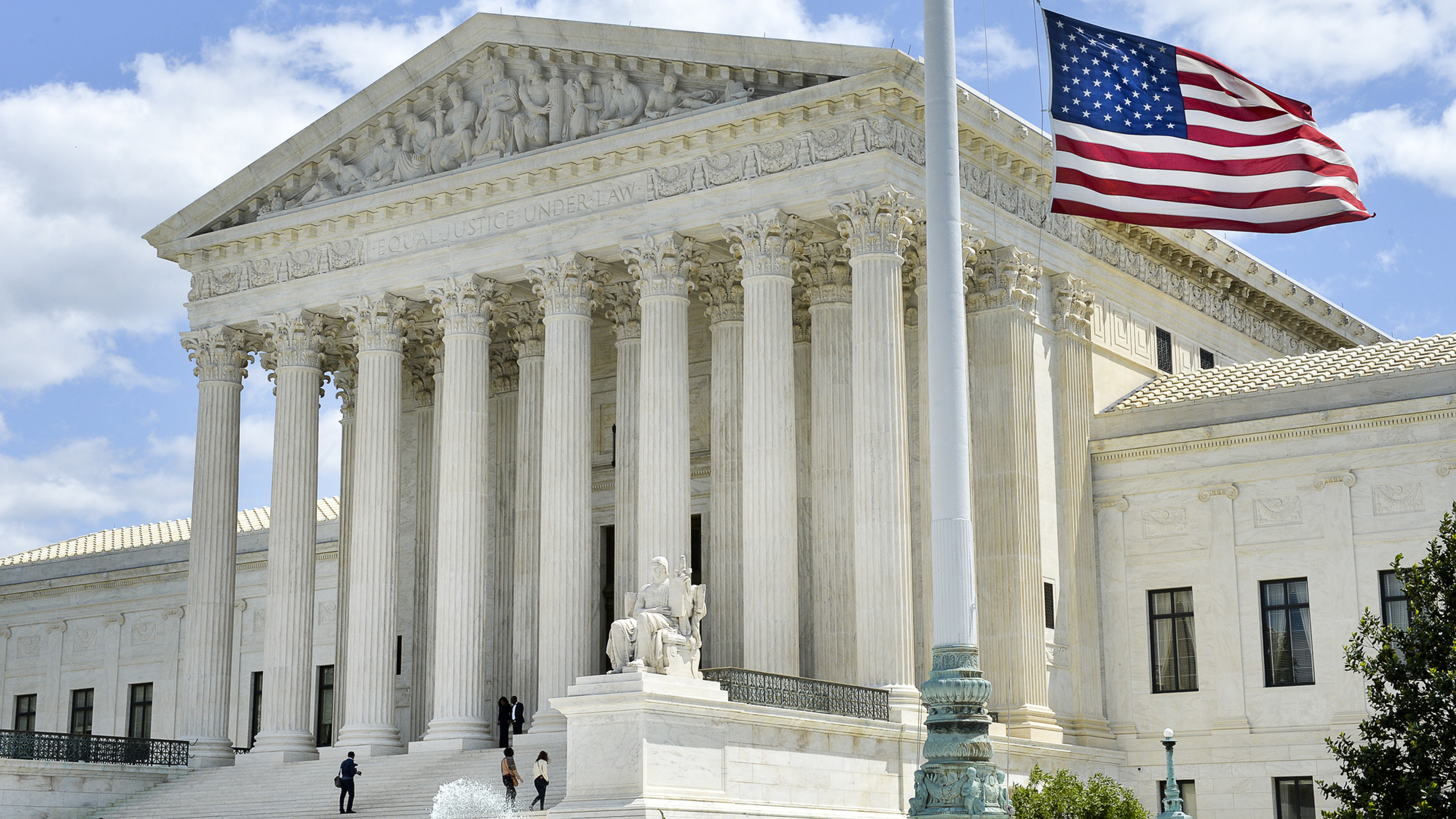
The Sixth Amendment guarantees the right to a fair trial, yet over 95% of U.S. criminal convictions are resolved through plea bargains. Driven by coercive prosecutorial tactics and the threat of a massive "trial penalty," the American justice system has transformed into an administrative conveyor belt. Explore how this unchecked prosecutorial power undermines democratic civil liberties, what we can learn from international human rights standards, and how global citizens can demand structural reform.
The recent surge in targeted abductions highlights this shrinking space. The kidnapping and murder in August 2026 of Joseph Willard Vancol, a respected journalist and director of the community radio station Ti Boukan FM, sent shockwaves through the community. Just weeks later, on September 6, Wesly Renaud Jean, a journalist for Radio Télé Métropole, was abducted and remains missing.
The report also emphasized the agonizing uncertainty surrounding Junior Célestin and Osnel Espérance, two journalists who have been missing since March and are presumed to have been executed by gang factions.
Even when attempting to report on the violence, journalists become the targets of it. The IAPA highlighted a deeply disturbing incident on September 2, 2026, involving photojournalists Odelyn Joseph (AP), Clarens Siffroy (AFP), and Jonet St. Elois, a contributor to the EFE agency.
The three journalists were covering a funeral in the commune of Kenscoff, located on the outskirts of Port-au-Prince. Tragically, this was the exact location where, just days prior, 47 people had been slaughtered in a horrific massacre carried out by armed gangs. As they attempted to document the aftermath, the IAPA reports that "the photojournalists were subjected to physical and verbal assaults by those present and by relatives of the deceased, who targeted the press while the event was being covered."
This incident underscores the complex trauma and volatility that define daily life in Haiti, where the press is often caught between ruthless gang violence and a grieving, desperate public.
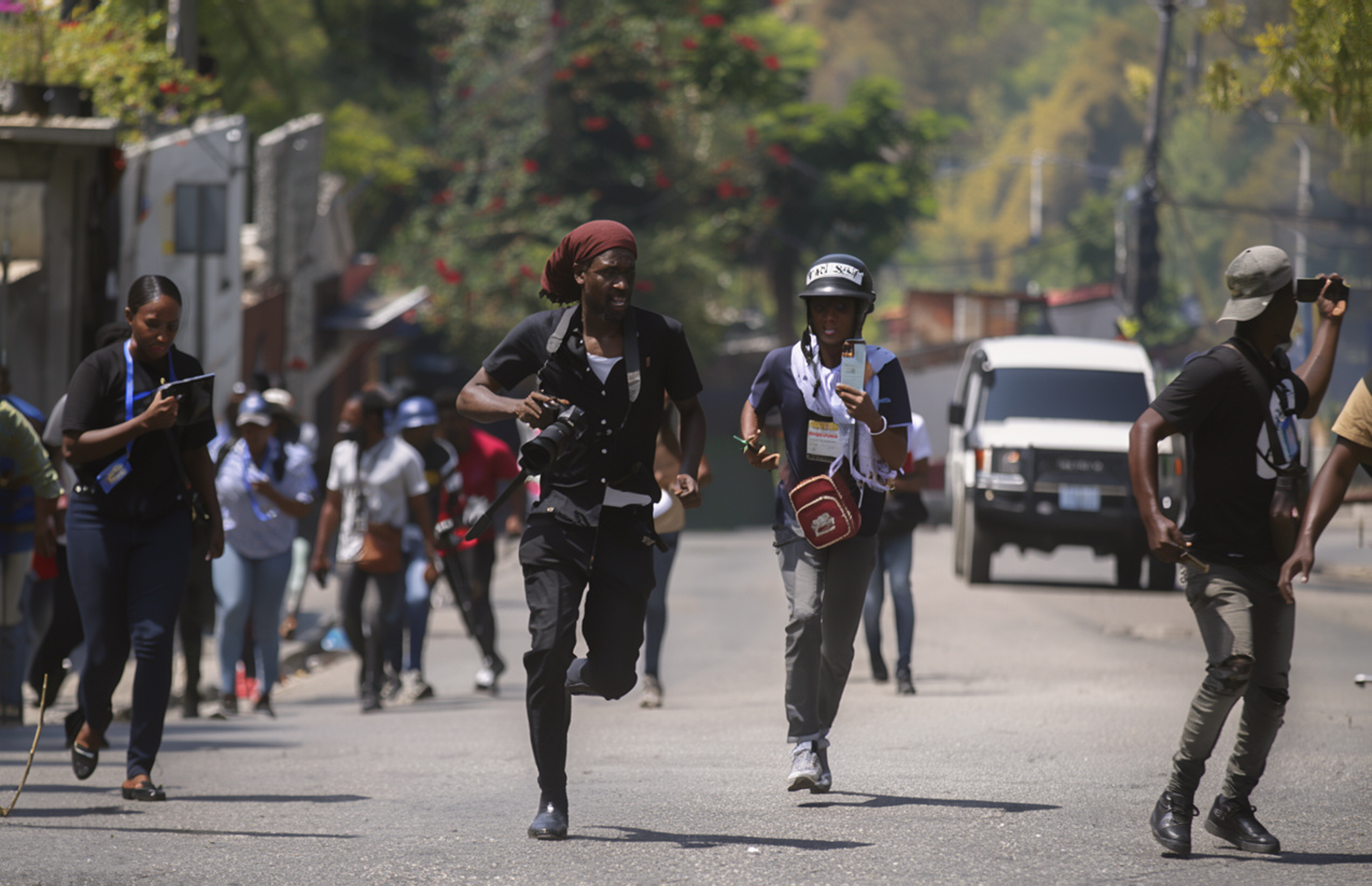
The dismantling of a free press is a direct threat to democratic governance. The IAPA noted that the deteriorating security situation has completely derailed the nation's political timeline. It is now mathematically certain that the presidential and legislative elections, critical for restoring institutional order, cannot take place on December 13 as previously hoped. The Provisional Electoral Council (CEP) has yet to set a new date for the vote, leaving the country in a dangerous state of political limbo.
Despite these overwhelming odds, the Haitian press continues to play an essential role. Journalists on the ground are the only lifeline keeping the public, and the international community, informed about the realities within high-risk areas controlled by armed syndicates.
Take Action: Demand transparent governance and an end to systemic violence by taking action today at pledge4peace.org/campaigns.
The crisis in Haiti is not just a regional issue; it is a global human rights emergency. As armed gangs attempt to plunge the nation into an information blackout, international solidarity is crucial.
Global organizations like the Committee to Protect Journalists (CPJ), Reporters Without Borders (RSF), and Free Press Unlimited are actively working to provide emergency assistance, secure communications equipment, and relocation support to threatened journalists in Haiti.
As a global citizen, you can contribute to these solutions by:
We cannot allow violence to dictate the truth.
Take Action: The right to information is a fundamental human right. Stand with the brave journalists of Haiti and demand global accountability.
Make your voice heard and support our campaigns for structural peace at pledge4peace.org/campaigns.
Pledge4Peace.org
July 2, 2026