Conflict is rising. Join the movement to create a peaceful future. Sign the Pledge

Conflict is rising. Join the movement to create a peaceful future. Sign the Pledge
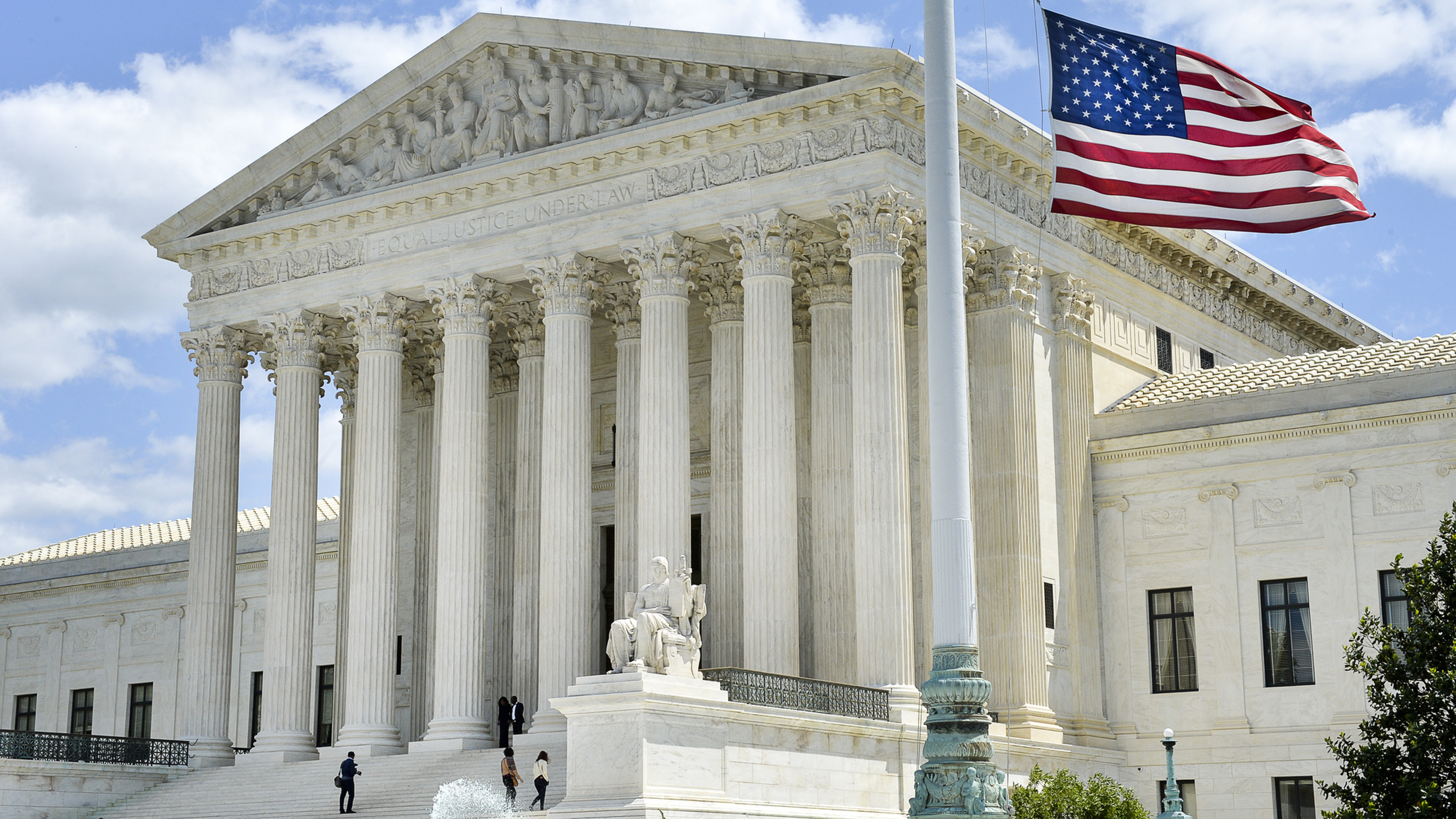

Current State: The constitutional right to a jury trial has been virtually eliminated in the United States. Over 95% of criminal cases are resolved through a plea bargaining system fueled by the trial penalty, resulting in a system that coerces citizens and fuels mass incarceration.
The Pivot: For decades, lawmakers and the courts have prioritized administrative efficiency and conviction rates over the protection of civil liberties, allowing prosecutors to wield unchecked power over sentencing outcomes.
The Mandate: Civil society must actively intervene to dismantle the trial penalty. To restore the Sixth Amendment and align U.S. practices with international human rights standards, citizens must demand structural criminal justice reform that strips coercive leverage from prosecutors and restores oversight to judges and juries.
A foundational pillar of any free, democratic nation is the right to a fair and public trial by an impartial jury. It is the ultimate check against state power. Yet, in the modern United States, this constitutional guarantee has been systematically dismantled.
As Supreme Court Justice Neil Gorsuch recently noted, the American justice system has abandoned the jury trial in favor of a "conveyor belt of plea bargains." Today, nearly 98% of federal criminal convictions and roughly 95% of state convictions are the result of guilty pleas, according to data from the Bureau of Justice Statistics (BJS) and the Pew Research Center.
But these pleas are rarely the result of a defendant’s genuine desire to accept responsibility. Instead, they are largely driven by what legal scholars call the trial penalty in the US, a coercive framework where defendants are threatened with astronomically higher sentences if they dare to exercise their Sixth Amendment rights.
When the state can threaten its citizens into waiving their fundamental civil liberties, the foundation of a peaceful, democratic society is severely compromised.
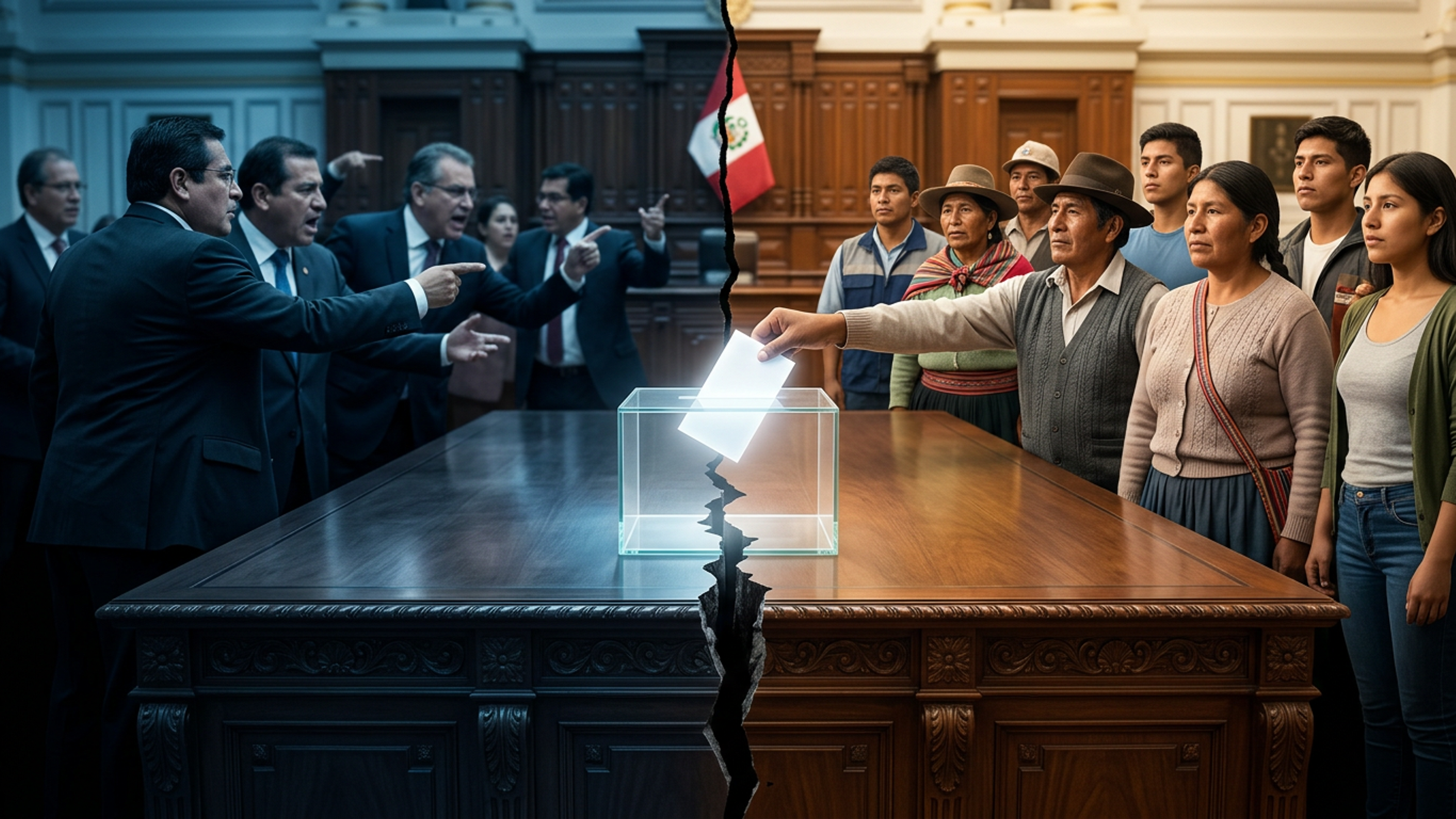
As Peru's 2026 presidential election unfolds against a backdrop of deep political fragmentation and public distrust, neither candidate holds the legislative majority needed for decisive reform. Explore the structural causes of this governance paralysis and how civil society can demand diplomacy to rebuild institutional stability.
Pledge4Peace.org
June 9, 2026

Independent newsrooms worldwide are facing an existential crisis in 2026. Driven by a massive $268 million USAID funding freeze and the retreat of major philanthropic donors, watchdog journalism is being systematically defunded. From exiled reporters fleeing authoritarian regimes to local outlets facing corporate capture, the independent press is fighting for survival. Discover the facts behind the crisis, the newsrooms we are nominating for the Peace Seal, and the actionable ways global citizens can intervene to protect the truth.
The near-extinction of the jury trial is not an accident; it is the result of decades of unchecked prosecutorial overreach.
The trial penalty refers to the massive discrepancy between the sentence offered in a plea deal and the sentence a defendant will face if they go to trial and lose. Prosecutors routinely weaponize mandatory minimum sentencing laws and "charge stacking" (filing multiple overlapping charges for a single event) to create a terrifying ultimatum.
A landmark 2018 report by the National Association of Criminal Defense Lawyers (NACDL) revealed that this penalty is so severe it routinely forces innocent people to plead guilty. If a defendant is offered three years in prison via a plea deal, but faces a mandatory minimum of 20 years if they lose at trial, the risk of exercising their constitutional right becomes a gamble with their life.
Tragically, the U.S. Supreme Court has historically validated this extortion. In the 1978 case Bordenkircher v. Hayes, the Court ruled that it is entirely constitutional for a prosecutor to threaten a defendant with a drastically harsher indictment if they refuse to plead guilty. As Justice Gorsuch accurately critiqued, the Court has consistently "condoned those practices or let them pass in silence," prioritizing administrative efficiency over human rights.
A justice system entirely dependent on the plea bargaining system ceases to be a mechanism for truth and becomes a tool for mass processing. This dynamic poses severe threats to civil liberties:
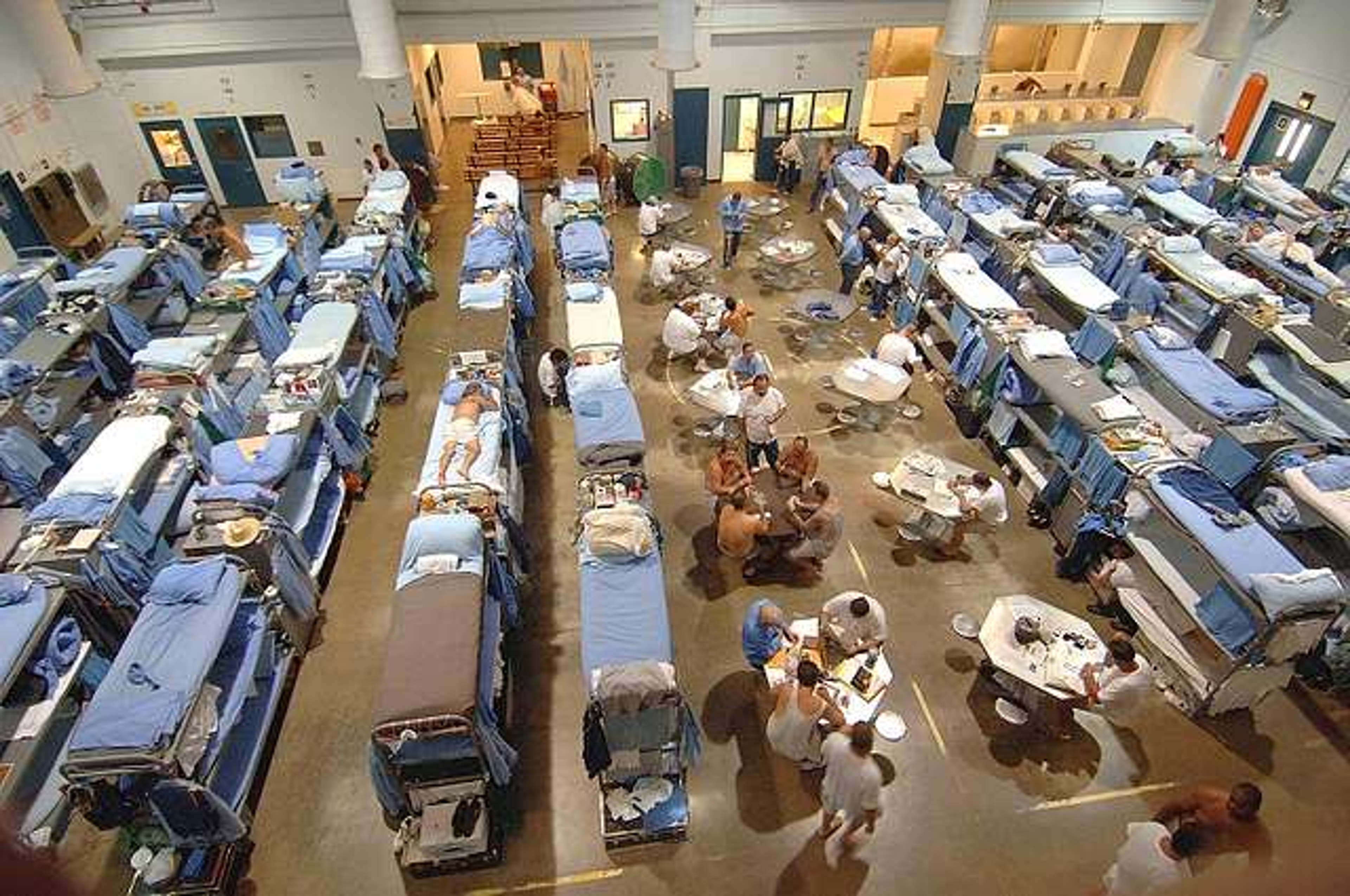
A nation cannot claim to uphold democratic peace when its justice system operates on the mechanics of extortion. When coercive prosecutorial tactics become the norm, the relationship between the citizen and the state shifts from one of constitutional protection to one of authoritarian intimidation.
The United States stands as a global outlier in its reliance on unchecked plea bargaining. Looking to international human rights standards reveals that a functioning justice system does not require the erasure of the trial.
Resolving this crisis requires tearing down the legislative frameworks that give prosecutors overwhelming leverage. To align the U.S. justice system with global democratic standards, lawmakers must implement the following reforms:
The erosion of the Sixth Amendment is not an isolated legal loophole; it is a profound human rights crisis that fractures the foundation of a free, democratic society. When the state can force a confession through the threat of disproportionate punishment, true justice ceases to exist.
But this domestic fight for civil liberties is intimately connected to the broader global struggle for human rights. A nation cannot claim to be a beacon of democratic peace if its own institutions normalize coercion. Defending human rights domestically is the mandatory first step to protecting them globally.
You do not have to accept the normalization of these coercive tactics, nor do you have to remain a passive observer to the erosion of human dignity, whether in local courtrooms or on the international stage. True peace and structural justice are never granted willingly by those in power; they require massive, undeniable public pressure.
You can actively protect human rights and civil liberties by stepping off the sidelines and exercising your ultimate leverage: your citizen mandate.
But this requires your voice to carry diplomatic and structural weight.
Demand justice today. Visit pledge4peace.org/campaigns right now to add your voice and vote on our active, urgent global initiatives. Your vote is your power, use it to end the violence, protect the vulnerable, and build permanent peace.
Pledge4Peace.org
May 15, 2026