Conflict is rising. Join the movement to create a peaceful future. Sign the Pledge

Conflict is rising. Join the movement to create a peaceful future. Sign the Pledge
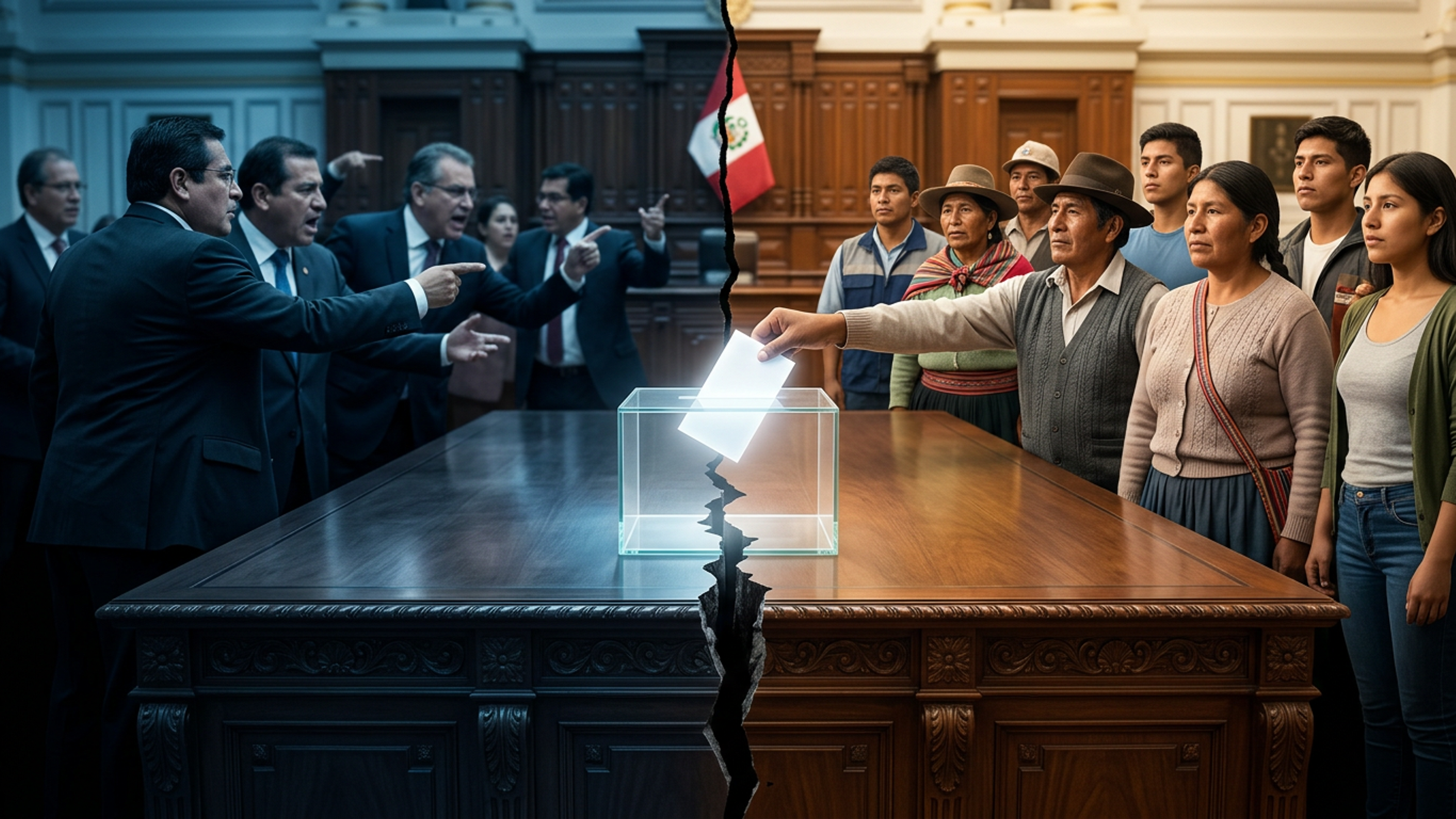

The Voter Brief:
Right now, Peru is facing a defining crisis of governance. For the better part of a decade, the nation has been trapped in a relentless cycle of political instability, churning through multiple presidents due to constant structural clashes between the executive branch and Congress. The decisions made by political leaders in the coming months will determine whether the country transitions toward accountable, consensus-based governance or continues to operate in a paralyzed state.
As noted by analysts tracking Latin American geopolitical trends, Peru’s chronic instability is rooted as much in systemic institutional flaws as it is in political rivalry.
The crisis of governance is driven by several key structural friction points:
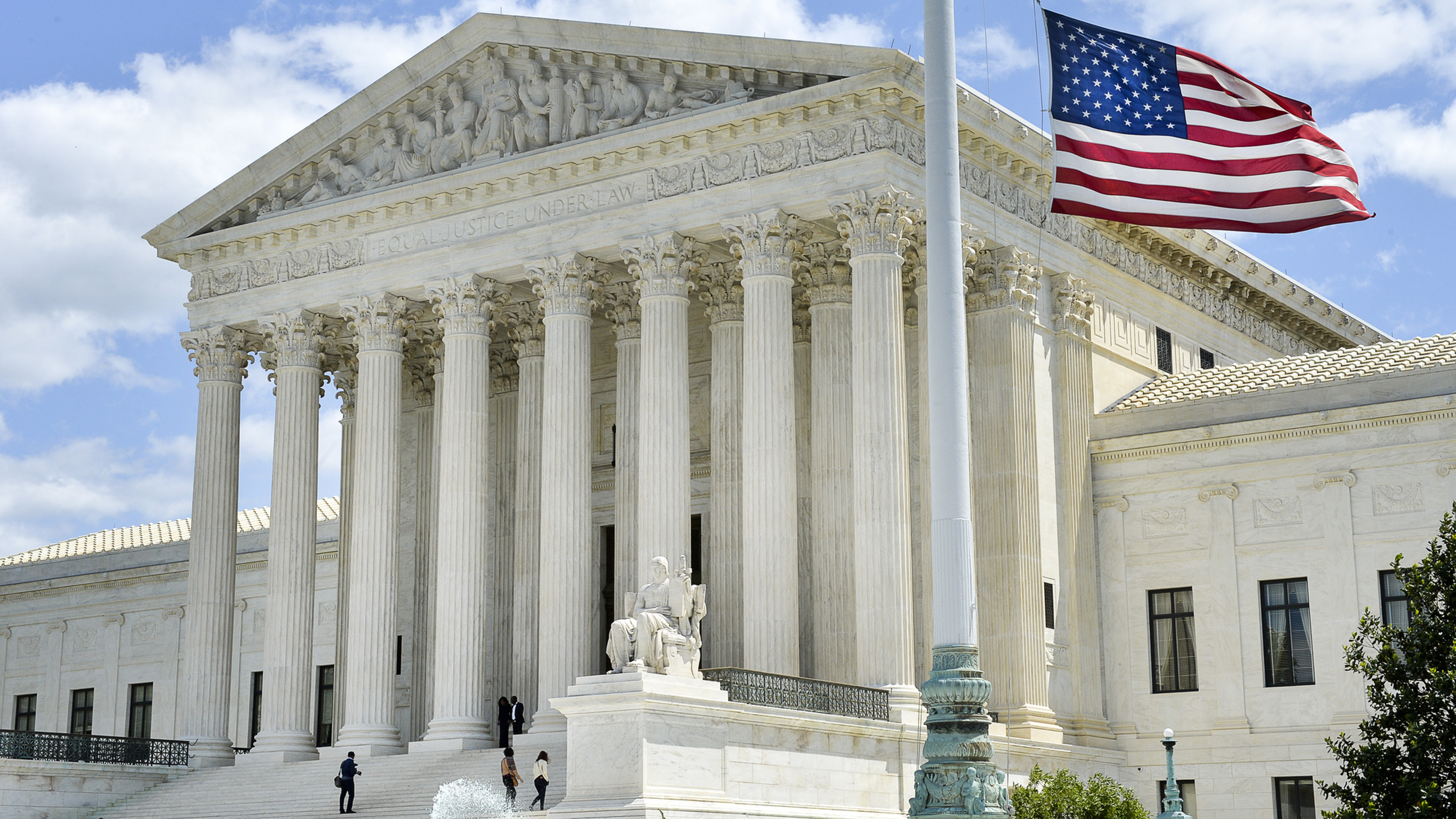
The Sixth Amendment guarantees the right to a fair trial, yet over 95% of U.S. criminal convictions are resolved through plea bargains. Driven by coercive prosecutorial tactics and the threat of a massive "trial penalty," the American justice system has transformed into an administrative conveyor belt. Explore how this unchecked prosecutorial power undermines democratic civil liberties, what we can learn from international human rights standards, and how global citizens can demand structural reform.
Pledge4Peace.org
July 2, 2026

Independent newsrooms worldwide are facing an existential crisis in 2026. Driven by a massive $268 million USAID funding freeze and the retreat of major philanthropic donors, watchdog journalism is being systematically defunded. From exiled reporters fleeing authoritarian regimes to local outlets facing corporate capture, the independent press is fighting for survival. Discover the facts behind the crisis, the newsrooms we are nominating for the Peace Seal, and the actionable ways global citizens can intervene to protect the truth.
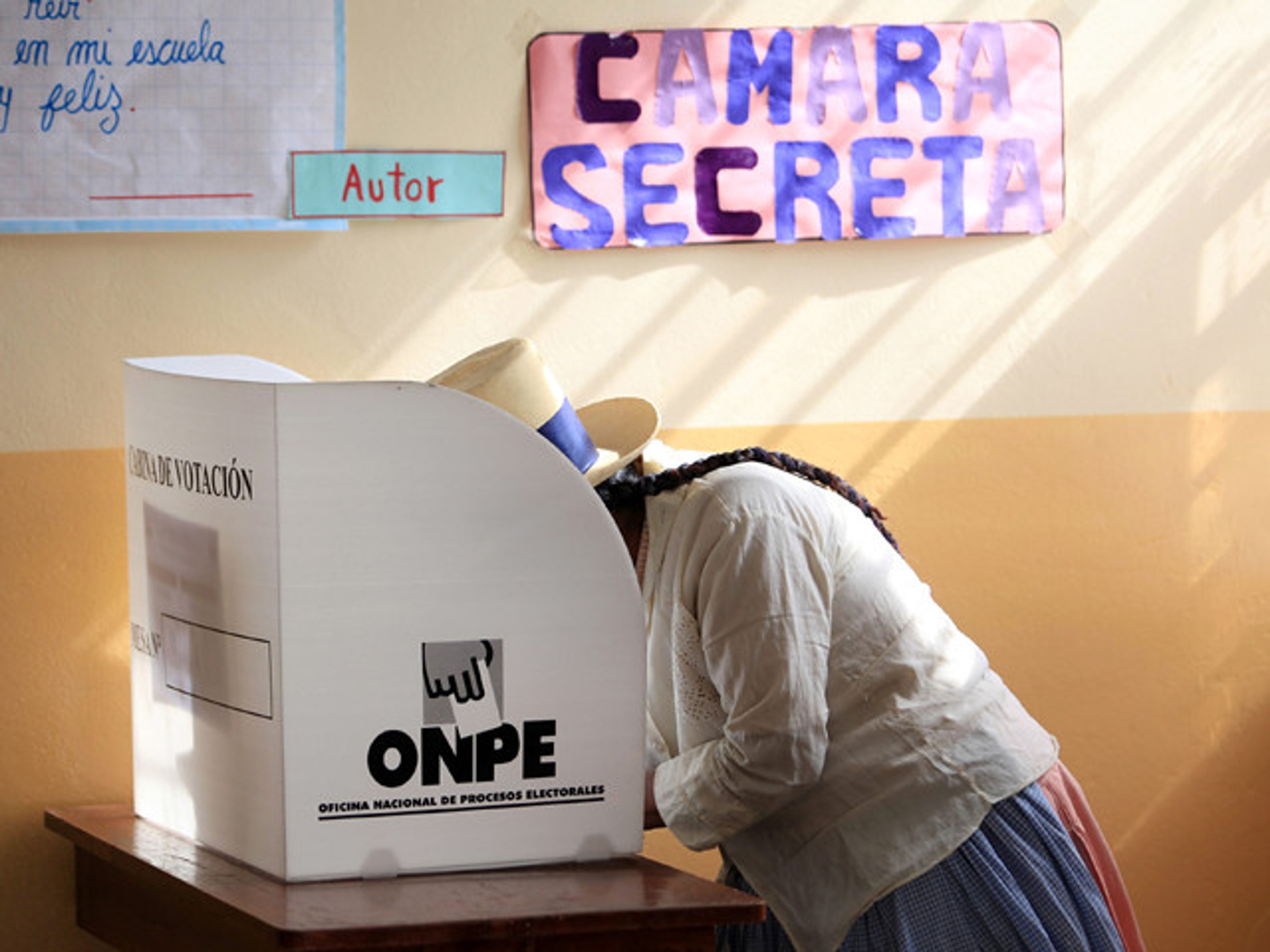
"Democracy cannot survive when institutions are solely focused on their own political survival while the needs of the citizens are abandoned." The inability to form a consensus government has far-reaching impacts that extend far beyond the political elite in Lima. When state institutions are paralyzed by infighting, the consequences are borne entirely by everyday citizens.
A distracted government leads to a noticeable rise in organized crime, illegal economies, and local insecurity. Furthermore, the profound disconnect between the centralized government and the marginalized rural and Indigenous populations in the Andean and Amazonian regions breeds deep resentment. This civic disillusionment frequently boils over into mass protests and social unrest, as citizens feel completely unrepresented by the democratic process.
To resolve this crisis and build sustainable peace, the incoming administration must abandon winner-takes-all politics. The solutions require a strict commitment to diplomacy and democratic reform:
When national institutions fail to protect democratic stability, it is the responsibility of civil society and global citizens to create data-backed mandates that policymakers cannot ignore.
The political gridlock in Peru is a reflection of a broader global trend where hyper-polarization threatens fundamental human rights and state stability. We must demand that diplomacy, institutional transparency, and consensus-building replace partisan warfare.
Don't just watch democratic institutions erode. Add your voice to our active diplomatic campaigns and demand structural solutions to international crises.
VOTE ON ACTIVE CAMPAIGNS TODAY: https://pledge4peace.org/campaigns
Subscribe to receive our comprehensive weekly diplomatic briefings and take a frontline seat in our active initiatives.
Pledge4Peace.org
May 15, 2026