Conflict is rising. Join the movement to create a peaceful future. Sign the Pledge

Conflict is rising. Join the movement to create a peaceful future. Sign the Pledge
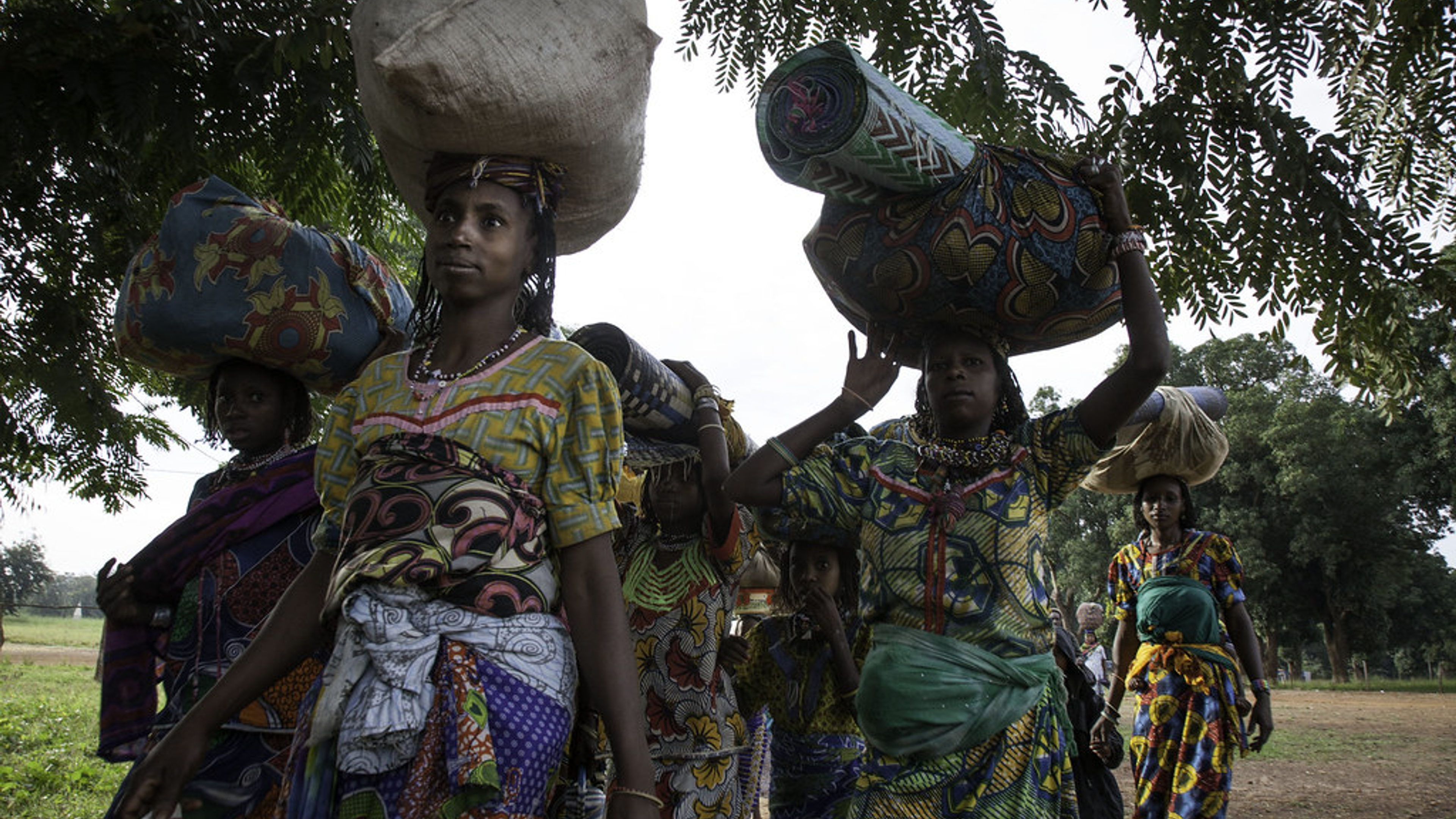

Imagine being completely invisible to the legal system. In the rural forests of the Central African Republic, this is not a hypothetical scenario; it is a daily reality. An estimated 90% of the population in these remote areas does not have any form of official identification. For the Indigenous populations living here, the lack of birth certificates or ID cards means that basic legal protections are virtually out of reach. This documentation crisis creates a deeply vulnerable environment, making immediate, community-driven accountability and support an absolute necessity for survival and social cohesion.
Across the Congo Basin, the relationship between rural communities and formal institutional structures is often fraught with historical inequalities. In the southwestern region of the Central African Republic, specifically around the Dzanga-Sangha Protected Areas, communities have long struggled with severely restricted access to the justice system.
The nearest competent court for criminal hearings is located hundreds of kilometers away, and these hearings occur only once a year. Without accessible legal avenues, everyday grievances go unresolved, and individuals are left without a formal mechanism to report exploitation or abuse. Furthermore, the global push for environmental conservation and human rights has sometimes clashed, with Indigenous groups occasionally facing restrictions or abuses linked to protected lands. When structural frameworks fail to provide avenues for mediation, social divisions naturally deepen.
This systemic gap severely impacts the Indigenous Ba'aka people, as well as the non-Indigenous Bilo communities living alongside them. Without identification or accessible courts, community members are highly vulnerable to unchecked physical violence, sexual abuse, and financial exploitation involving unpaid wages or loan disputes.
The social consequences of this exclusion are profound. A lack of legal recourse fosters a culture where intimidation can easily silence victims. Historically, unequal relationships have marginalized the Ba'aka, severely limiting their ability to participate in civil society or advocate for their own well-being. When basic rights are unavailable, everyday citizens bear the heaviest burden, and foundational societal trust erodes.
Despite these challenges, remarkable progress is happening through localized, grassroots efforts. The Bayanga Human Rights Center, established in 2015, has become a trusted and vital avenue for mediation.
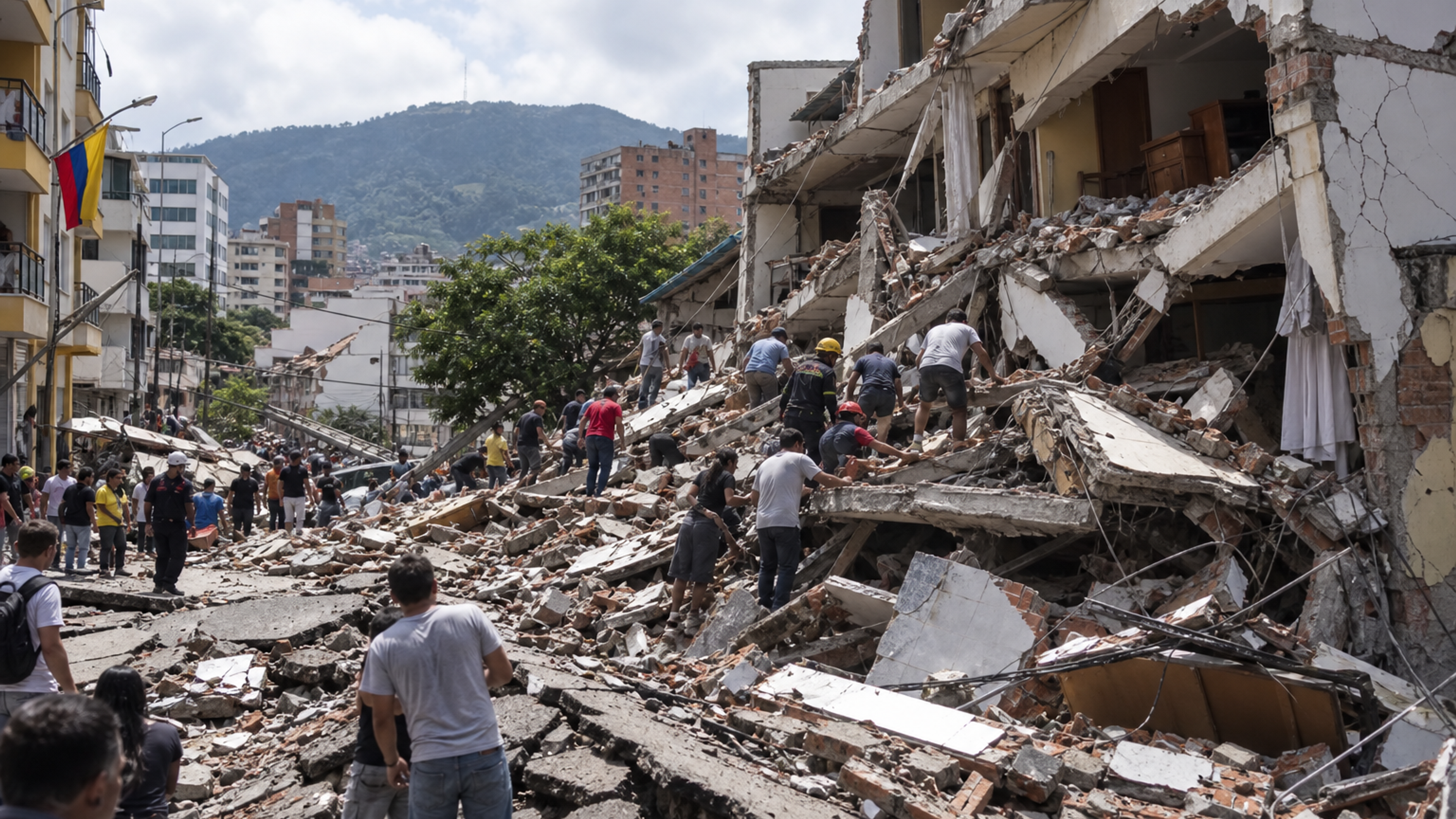
A catastrophic 7.4-magnitude earthquake struck western Colombia, causing devastating building collapses, dozens of fatalities, and widespread panic across major cities. As rescue workers dig through the rubble, the international community must mobilize to support verified humanitarian relief efforts.
Pledge4Peace.org
August 17, 2026
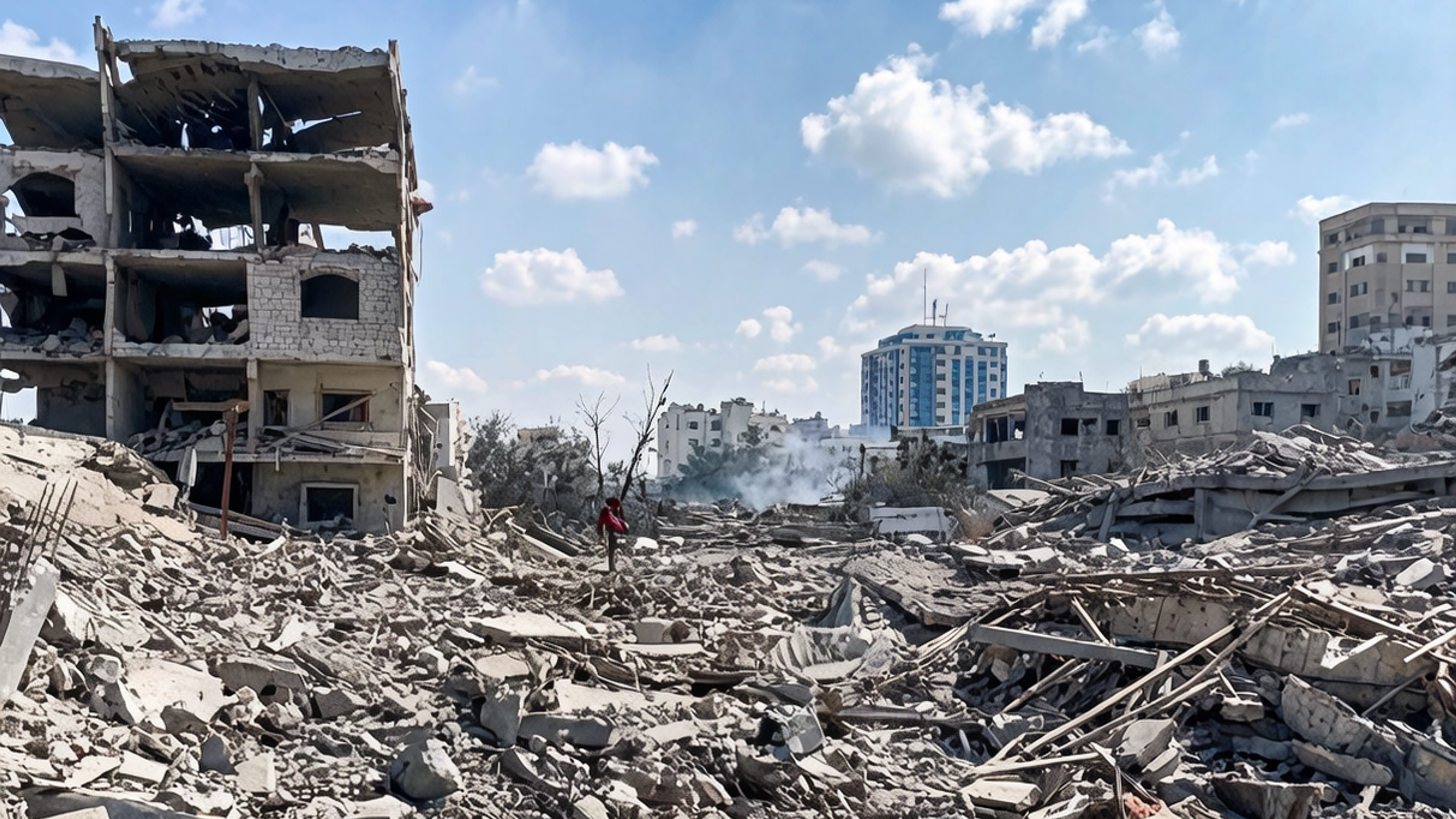
One month after catastrophic twin earthquakes struck Venezuela's northern coastline, the death toll has surpassed 5,300. With entire neighborhoods flattened and tens of thousands still missing, survivors are left searching for loved ones amidst the rubble. Discover the stories of those affected, the complexities of the recovery, and how global citizens can support verified relief efforts on the ground.
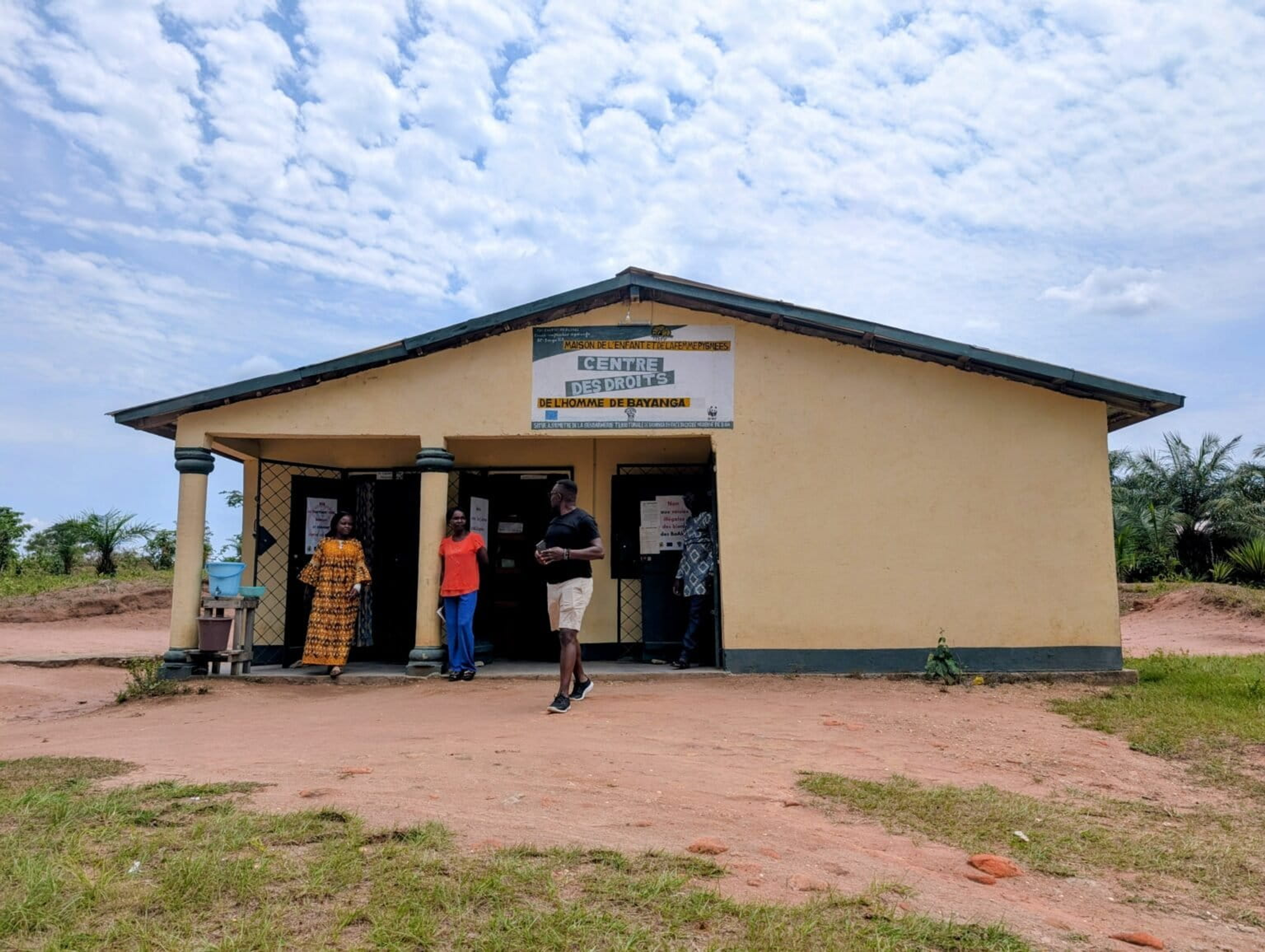
Image by Rhett A. Butler/Mongabay
Since 2022, the center has handled nearly 900 cases, ranging from financial disputes to severe instances of violence. Their dedicated teams investigate claims, accompany victims to medical facilities, and present evidence to prosecutors, ensuring that families are no longer silenced by fear or intimidation.
The center's strategy is built on four core pillars:
Because of these consistent, ground-level efforts, grievances directly related to conservation now account for less than 1% of the center's cases. Furthermore, several Ba'aka individuals now serve on local councils, proving that access to justice directly fosters democratic participation and lasting social peace.
The struggle for Central African Republic human rights is not an isolated event; it reflects a broader, shared human challenge. As the world pushes for necessary climate and wildlife protections, Congo Basin Indigenous rights represent the universal need to balance environmental conservation with human dignity.
When marginalized communities are excluded from legal systems, they cannot participate in the collaborative solutions required to face regional or environmental crises. Securing access to justice for Indigenous peoples ensures that societies become fairer, more resilient, and better equipped to manage shared challenges through diplomacy and mediation rather than conflict.
Understanding this dynamic is only the beginning.
Understanding global challenges is the first step. Participating in solutions is what drives lasting change.
Stay informed and follow this story as it develops. Subscribe to our platform to receive updates on stakeholder responses and the next steps in the push for global human rights.
Add your voice to peace, stand with inclusive justice, and vote on real global peace solutions today at pledge4peace.org/campaigns.
Pledge4Peace.org
July 27, 2026