Conflict is rising. Join the movement to create a peaceful future. Sign the Pledge

Conflict is rising. Join the movement to create a peaceful future. Sign the Pledge
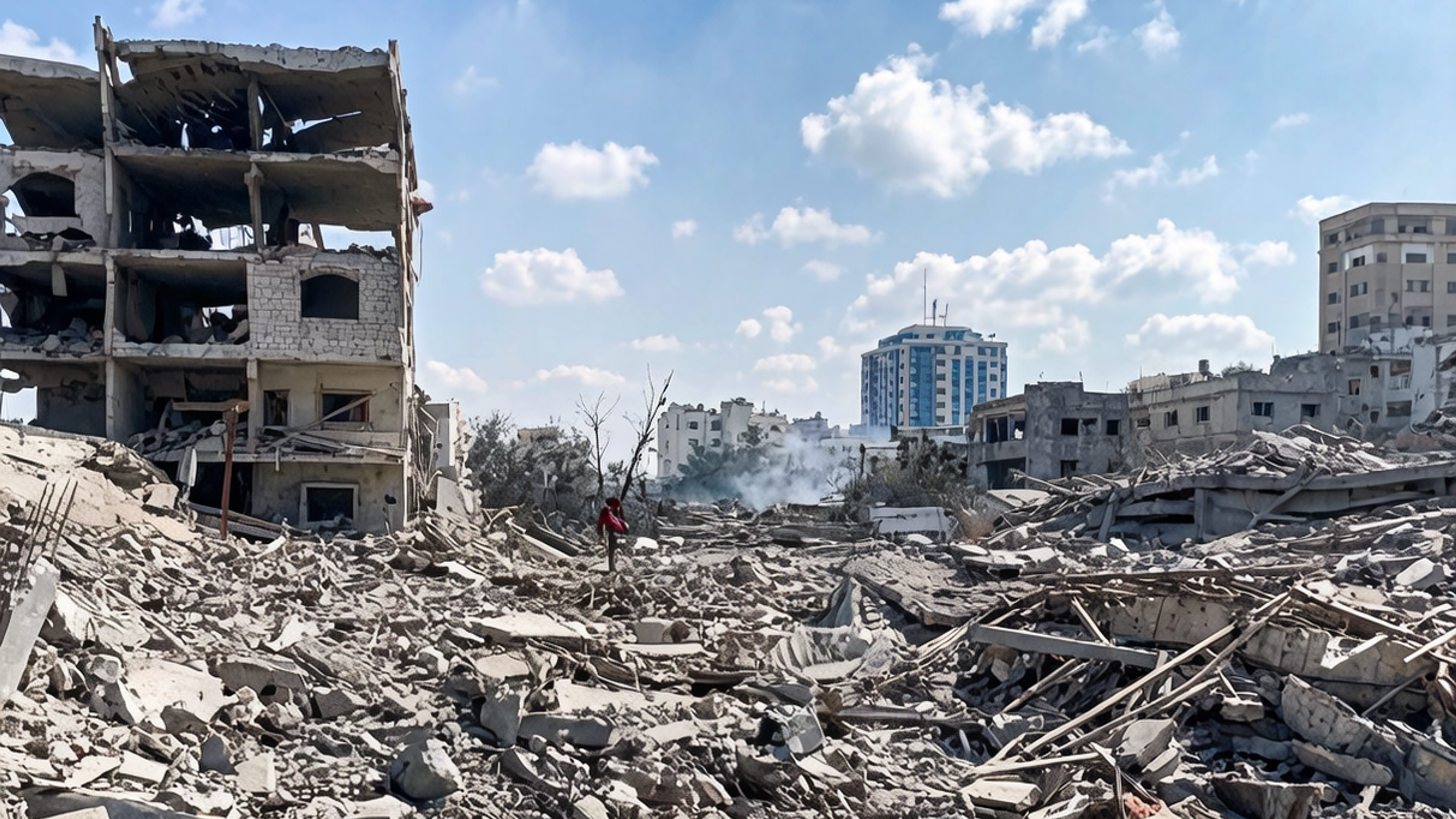

Just one month ago, in a terrifying span of 39 seconds, the lives of thousands of Venezuelans were irrevocably shattered. Powerful twin earthquakes in Venezuela struck the northern coastline almost simultaneously, moving in different directions and bringing both public and private infrastructure to the ground. Today, the nation is grappling with a profound Venezuelan humanitarian crisis defined by grief, anger, and a desperate search for the missing.
With over 5,300 people confirmed dead, more than 16,500 injured, and an estimated tens of thousands still missing, the scale of the tragedy is difficult to comprehend. As the world watches the aftermath unfold, the immediate question for global citizens is, "How can we help?"
The epicenter of the devastation lies in La Guaira State, specifically the town of Caraballeda, which is now considered the ground zero of this disaster. Here, the sheer force of the twin earthquakes in Venezuela leveled 10 out of 12 blocks in a public housing complex known as OPPE 26.
The human stories emerging from this rubble are soul-crushing. Victor Calderón, a 49-year-old fisherman, was at sea for 18 days when the earthquakes struck. Upon returning to shore, he discovered that his building had collapsed. A staggering 26 members of his family, ranging from two years old to their late 70s, were gone.
"It's a terrible, terrible thing," Calderón shared in a poignant testimony to the BBC. "I haven't cried for them yet, not until I find the last ones who are missing."
Victor now lives in a tent on a golf course with his surviving daughter and granddaughter. His heartbreaking stoicism is echoed by rescue workers like Magin Hernández, who wept as the body of an 11-year-old girl was pulled from the wreckage at OPPE 26. "This is soul-destroying," Hernández said. "For the rescuers, the families, the friends; it's just soul destroying."
Amidst the Caraballeda earthquake damage, the overwhelming grief is quickly turning into palpable anger. Survivors point to the flattened housing blocks, questioning if building plans were flawed, if corners were cut, or if inadequate materials were used.
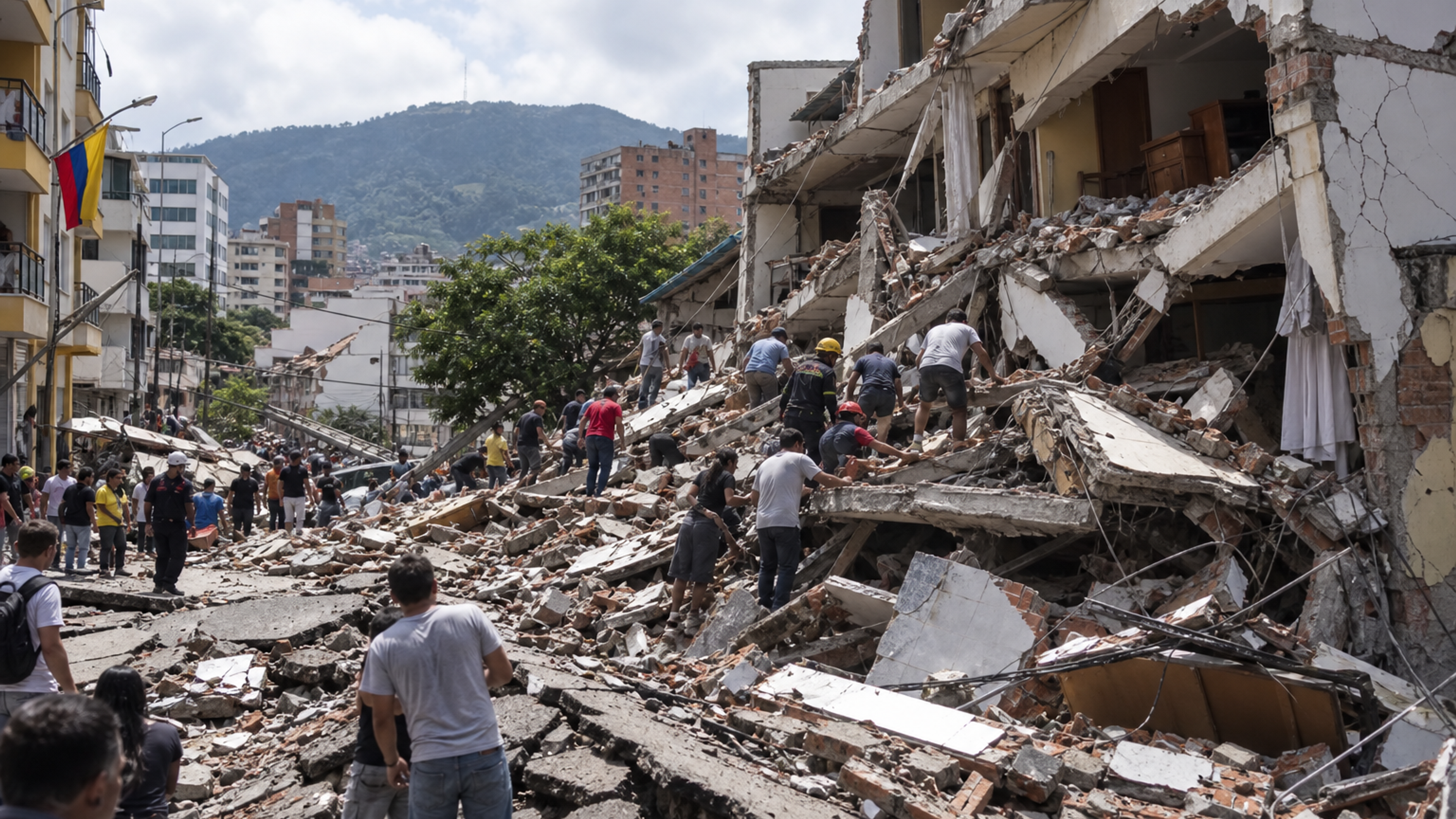
A catastrophic 7.4-magnitude earthquake struck western Colombia, causing devastating building collapses, dozens of fatalities, and widespread panic across major cities. As rescue workers dig through the rubble, the international community must mobilize to support verified humanitarian relief efforts.
Pledge4Peace.org
August 17, 2026
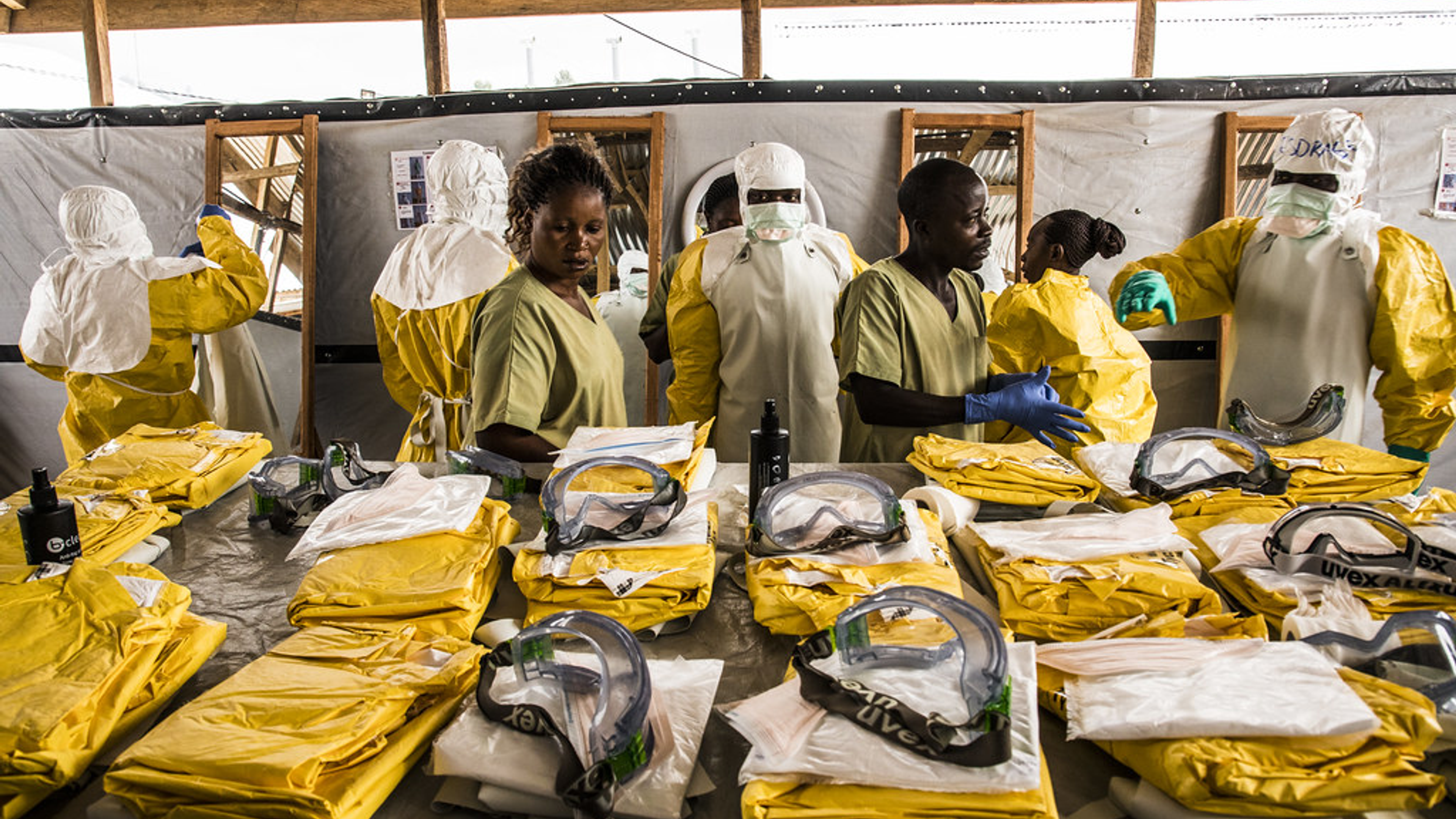
As the 2026 Ebola outbreak accelerates in the DRC, international focus has frequently prioritized domestic containment over localized mitigation. Understand the structural causes, from zoonotic spillover to systemic poverty, and learn how civil society can demand equitable health policies and support frontline humanitarian efforts.
Public Works Minister Juan José Ramírez has denied allegations of negligence. Touring the site, he insisted the buildings were sound, attributing the total collapse to the unprecedented nature of the disaster. "This wasn't one but two almost simultaneous earthquakes, both moving in different directions," Ramírez argued, pointing out that the earthquake did not discriminate between public complexes and private buildings.
In the coastal town of Catia La Mar, the collapse of private buildings has yielded both miracles and despair. Eight days after the quake, security guard Hernán Gil was miraculously pulled alive from a subterranean car park. Yet, in that exact same rubble, survivor Laura Barrios continues the agonizing search for her brother-in-law. After recently recovering the bodies of her sister-in-law and two young children huddled together, Laura’s will to fight is waning as international heavy machinery pulls out of the area.
"Lost T-shirts, cutlery that was never used, crockery sets, toys. Entire lives, gone in just 39 seconds," she laments.
Rebuilding the La Guaira earthquake devastation will require more than just clearing rubble. The World Bank estimates that the twin quakes caused an astronomical $19.6 billion in damage.
This financial hurdle is deeply complicated by Venezuela's unprecedented political reality. In January, acting President Delcy Rodríguez was sworn into power just days after US forces seized former leader Nicolás Maduro to stand trial in New York for "narcoterrorism." While Rodríguez currently has the backing of the Trump administration, it is Washington that now controls Venezuela's oil industry, the primary source of revenue for the oil-rich nation. With control of national wealth held externally, it is highly uncertain how the massive, multi-billion-dollar rebuild will be funded or executed.
In the meantime, the government has donated 200 homes to affected families, but the overall need is estimated to be at least 100 times higher. Most survivors remain in cheap nylon tents pitched on the curbside.
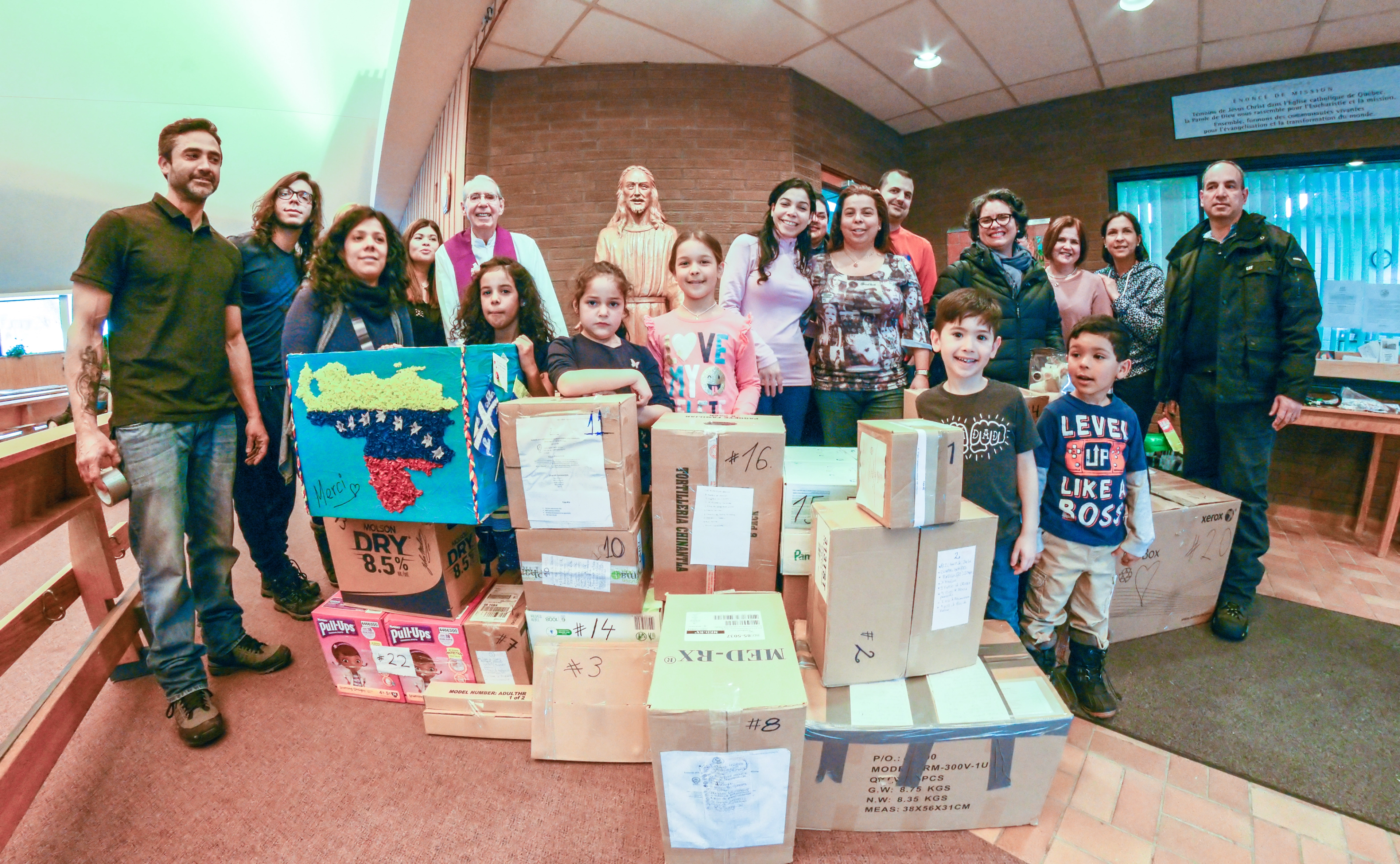
In the face of such overwhelming tragedy, international intervention from everyday citizens is critical. When asking how to help Venezuela's victims, emergency management experts universally agree that financial donations to established, on-the-ground organizations are the most effective way to provide relief. Cash donations allow NGOs to bypass broken supply chains, purchase what is specifically needed, and stimulate the local economy.
Based on the realities on the ground in Catia La Mar and Caraballeda, here are the most effective and verified ways to donate to Venezuela relief:
As explicitly highlighted in reports from the disaster zone, World Central Kitchen is actively operating in Catia La Mar, serving hot meals to displaced families and rescue workers. In times of profound loss, these hot meals provide not just vital sustenance but also a moment of dignity, human kindness, and camaraderie. WCK is highly rated for its immediate, agile deployment to natural disaster zones worldwide.
GlobalGiving is a top-tier charity evaluator and crowdfunding platform that vets local, grassroots organizations. They have set up specific funds for earthquake relief that distribute money directly to trusted local non-profits in Venezuela. These local NGOs provide emergency medical supplies, clean drinking water, and psychosocial support to traumatized survivors like the families at Playa Pirata.
The Venezuelan Red Cross, supported by the IFRC, is often the first medical responder on the scene during catastrophic infrastructure collapses. Donations to the IFRC’s emergency appeals go directly toward deploying search and rescue teams, providing first aid, and managing the sanitation crises that inevitably follow massive earthquakes.
With thousands of children left homeless, out of school, or orphaned, as tragically highlighted by the loss of the young children in Laura Barrios's family, child-focused relief is paramount. Save the Children operates to create "Safe Spaces" in disaster zones, providing pediatric medical care, trauma counseling, and protection for unaccompanied minors.
The twin earthquakes that devastated Venezuela's northern coastline have left a scar that will take generations to heal. From the grieving fishermen of Caraballeda to the displaced families of Catia La Mar, the resilience of the Venezuelan people is being tested against unimaginable adversity. While the political and economic future of the nation's rebuild remains deeply uncertain, the humanitarian imperative is clear, and it requires our immediate, collective action.
The road to recovery will be long, but you do not have to simply watch from the sidelines. Here is how you can make a tangible impact right now:
Stand with us and Vote on Pledge4Peace Campaigns Today, to help build a safer, more united world.
Pledge4Peace.org
June 13, 2026