Conflict is rising. Join the movement to create a peaceful future. Sign the Pledge

Conflict is rising. Join the movement to create a peaceful future. Sign the Pledge
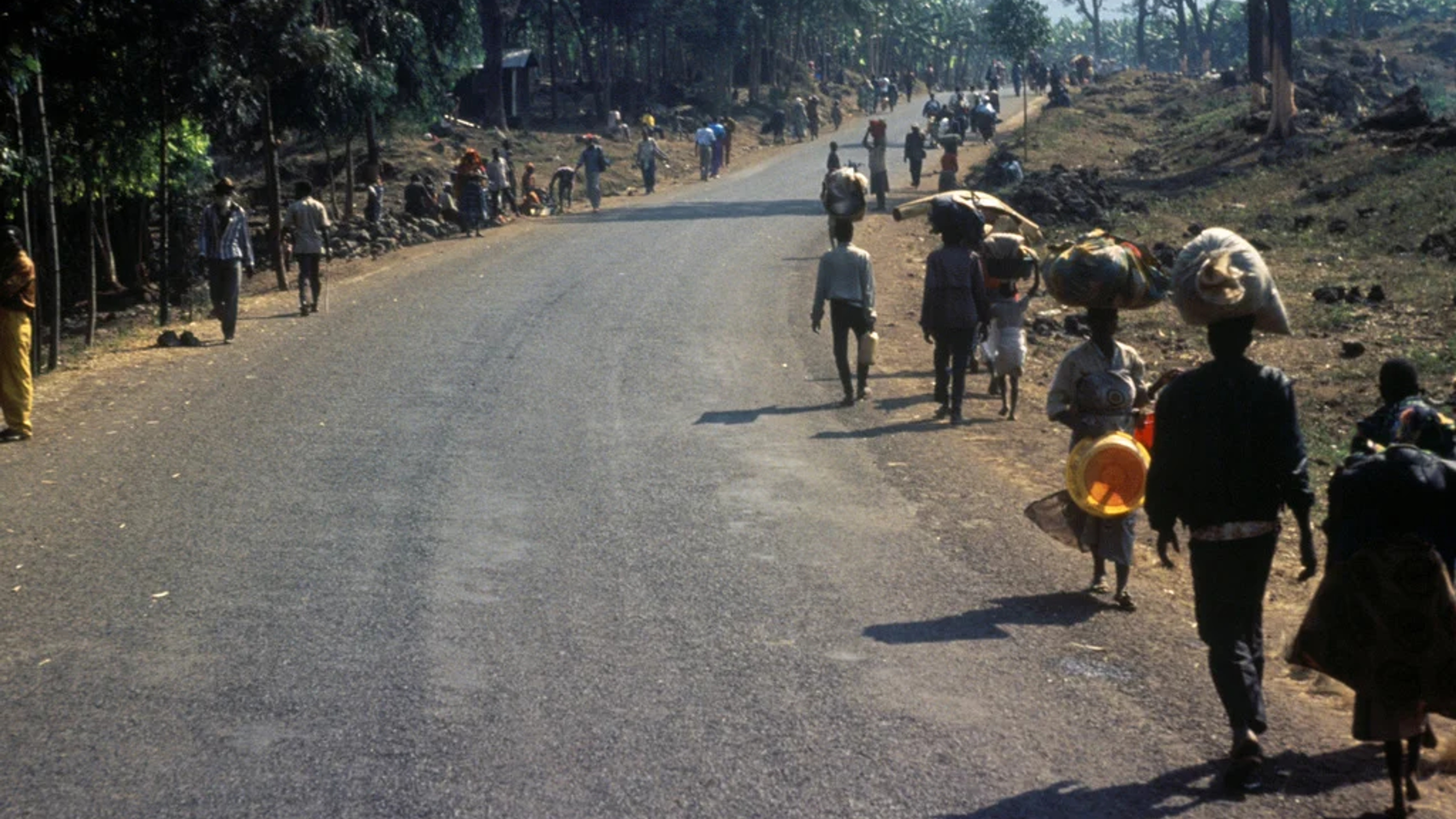

In 2026, the Democratic Republic of the Congo remains caught in a cycle of instability that has defined much of its post-colonial history. Despite a peace agreement signed with Rwanda in late 2025, violence continues across eastern Congo, particularly in North Kivu and Ituri. Civilians, once again, are paying the highest price.
What was meant to signal de-escalation has instead exposed the deeper structural problems that peace accords alone cannot resolve. Armed groups remain active, regional tensions persist, and humanitarian conditions are deteriorating at an alarming pace.
Understanding why this crisis continues is essential not only for Congolese citizens, but for a global community grappling with how peace can be made durable rather than symbolic.
The 2025 peace agreement between the DRC and Rwanda was intended to halt cross-border tensions and reduce support for armed groups operating in eastern Congo. Central to the agreement was a commitment to end backing for militias and to pursue diplomatic solutions to long-standing security concerns.
Yet by early 2026, fighting involving the M23 rebel group had not only resumed but intensified in some areas. The Congolese government continues to accuse Rwanda of supporting M23, allegations that Rwanda denies, while independent UN reporting has repeatedly pointed to external backing for the group.
According to a 2024 report by the UN Group of Experts on the DRC, M23 maintained advanced weaponry and coordinated movements inconsistent with an isolated insurgency. These findings underscore why trust between regional actors remains fragile and why implementation of peace agreements has stalled.
Peace documents, critics argue, addressed symptoms rather than causes: competition over land, control of mineral-rich territories, weak governance, and the marginalization of local communities.
Eastern Congo has endured decades of conflict fueled by a complex mix of regional politics, economic exploitation, and unresolved grievances dating back to the aftermath of the 1994 Rwandan genocide. Armed groups, often splintered and reconstituted under new names, continue to fill governance vacuums left by the state.
In 2026, clashes between M23, the Congolese armed forces (FARDC), and allied militias have displaced hundreds of thousands of people. According to the United Nations Office for the Coordination of Humanitarian Affairs, more than 7 million people are now internally displaced across the DRC, making it one of the world’s largest displacement crises.
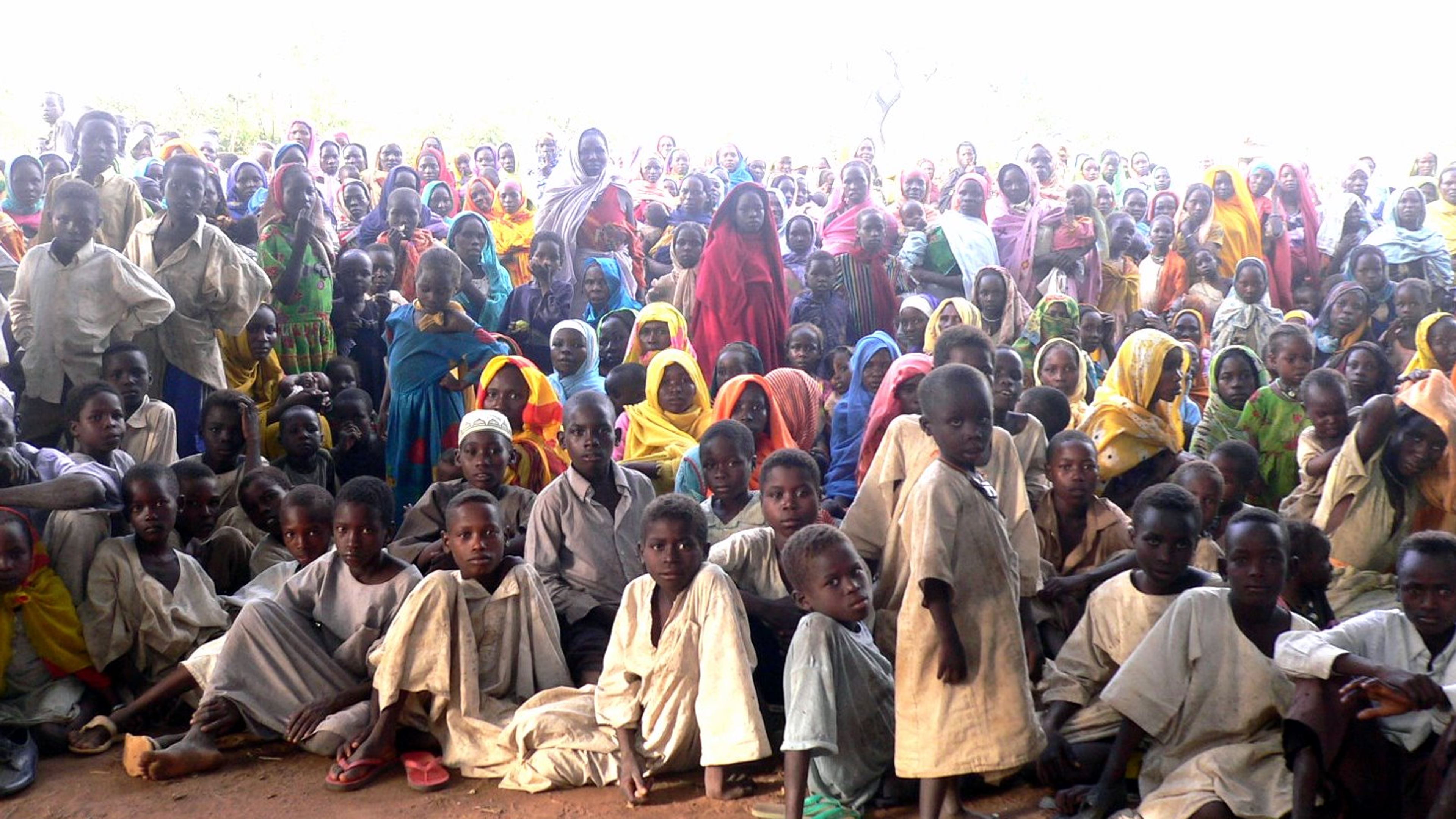
Sudan is facing the world’s worst humanitarian disaster. A devastating civil war has displaced over 11 million people, left 28 million facing acute hunger, and triggered an unprecedented wave of sexual violence used systematically as a weapon of war. Uncover the strategic crisis in El-Obeid, the harrowing UN reports, and how global citizens can take immediate action to demand international accountability and support peaceful resolutions.
Pledge4Peace.org
June 26, 2026
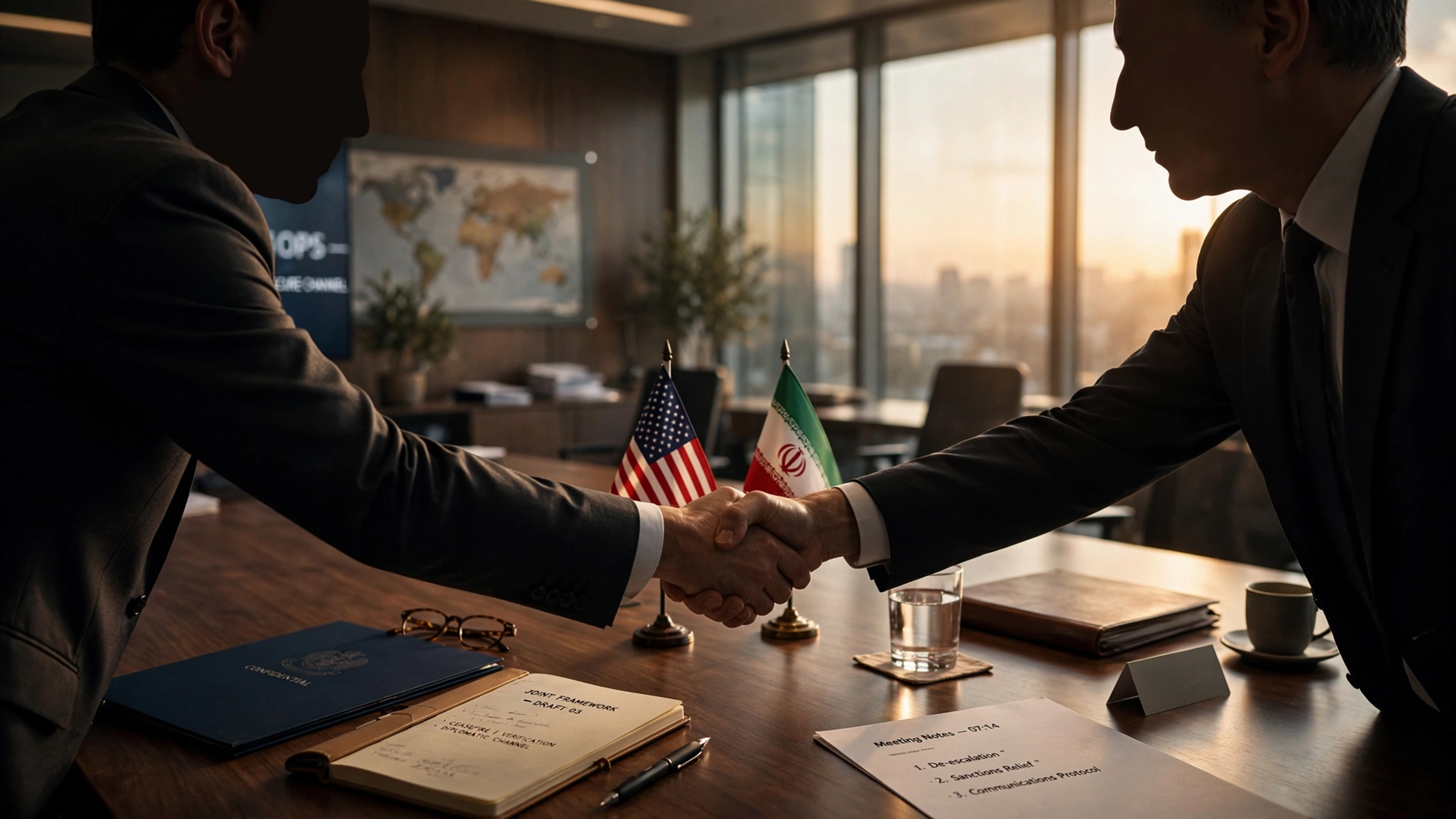
With tensions reaching a critical flashpoint in 2026, the US-Iran war is no longer a localized dispute; it is a global security crisis. While political leaders debate "near-final" deals that remain publicly disputed, millions of civilians bear the brunt of crippling economic sanctions and military escalation. It is time for a permanent, structural framework to secure peace in the Middle East.
Entire communities have been forced to flee multiple times. Access to food, healthcare, and education has been severely disrupted, while sexual violence and child recruitment remain widespread risks.
The humanitarian situation in eastern Congo is dire. The World Food Programme has warned that over 25 million people across the DRC face acute food insecurity, with conflict being a primary driver. Health systems, already fragile, are overwhelmed by displacement and outbreaks of preventable diseases.
Women and children bear disproportionate harm. UNICEF has reported a sharp rise in grave violations against children in conflict-affected provinces, including forced recruitment and attacks on schools.
For civilians, peace is not measured by agreements signed in capital cities. It is measured by whether children can attend school safely, whether families can farm their land without fear, and whether communities can trust that tomorrow will not bring new violence.
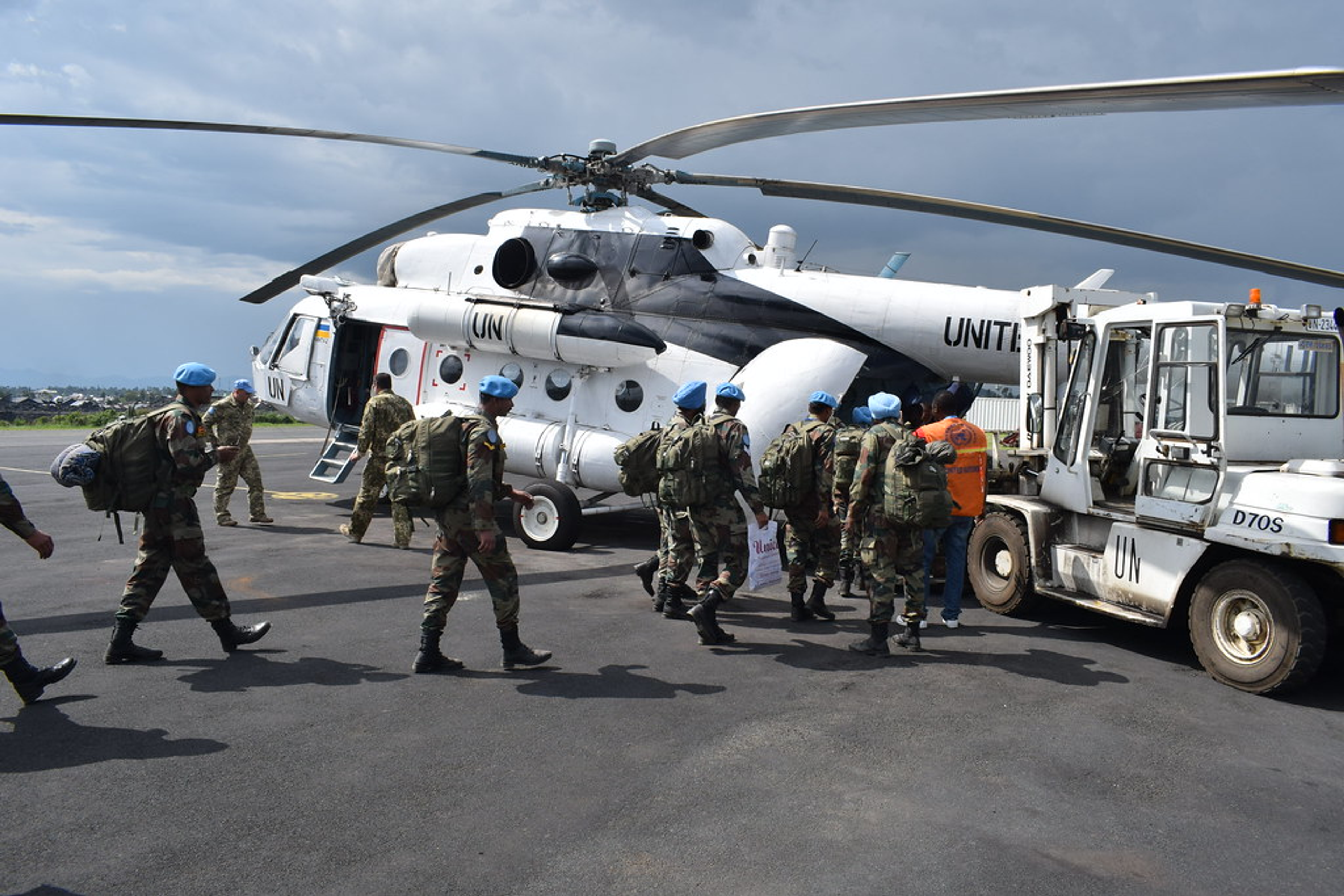
The continued presence of the UN peacekeeping mission, MONUSCO, has become a focal point of public frustration. Protests against MONUSCO have erupted repeatedly, with many Congolese accusing the mission of failing to protect civilians despite its long deployment.
MONUSCO, one of the UN’s largest and most expensive peacekeeping operations, has faced criticism for limited effectiveness in deterring armed groups. At the same time, UN officials argue that peacekeepers cannot substitute for political solutions or fully compensate for weak state institutions.
In response to public pressure, MONUSCO began a phased withdrawal in 2024, a process that has continued into 2026. Critics warn that withdrawal without meaningful security reform risks leaving civilians even more vulnerable.
The persistence of conflict in eastern Congo is not the result of a single failure. It reflects overlapping crises.
Regional rivalries remain unresolved. Armed groups continue to profit from illicit mining and taxation. Local communities feel excluded from political decision-making. The Congolese state struggles to assert authority while maintaining public trust.
Peace agreements that focus primarily on state-to-state relations often overlook these realities. Without accountability for abuses, inclusive governance, and economic alternatives for conflict-affected regions, armed violence fills the vacuum.
Lasting peace in the DRC will not come from military escalation or short-term diplomatic gestures. It requires sustained, coordinated action rooted in civilian protection and political inclusion.
This includes genuine regional diplomacy that addresses security concerns transparently, not through proxy warfare. It requires disarmament processes paired with economic reintegration, not abandonment. It demands accountability for war crimes, regardless of the perpetrator’s affiliation.
Crucially, Congolese civil society must be central to peacebuilding efforts. Communities most affected by violence cannot remain peripheral to negotiations that shape their future.
The crisis in the DRC is often described as “complex,” a label that too often becomes an excuse for inaction. Yet complexity does not absolve responsibility.
Global citizens, institutions, and governments influence this conflict through aid policies, diplomatic pressure, and economic ties. Silence allows instability to persist. Informed, collective pressure can help shift incentives toward peace.
Peace is not achieved when violence is merely managed. It is achieved when systems are built that make violence unnecessary.
The people of the Democratic Republic of the Congo deserve more than temporary ceasefires and unfulfilled promises. They deserve safety, dignity, and a future free from perpetual conflict.
At Pledge4Peace, global citizens are supporting non-violent, people-centered solutions to conflicts like the one unfolding in the DRC.
You can add your voice today.
Vote on peace-driven solutions and help amplify calls for civilian protection, accountability, and lasting stability.
Peace becomes possible when people refuse to accept endless war as inevitable.
Pledge4Peace.org
June 16, 2026