Conflict is rising. Join the movement to create a peaceful future. Sign the Pledge

Conflict is rising. Join the movement to create a peaceful future. Sign the Pledge
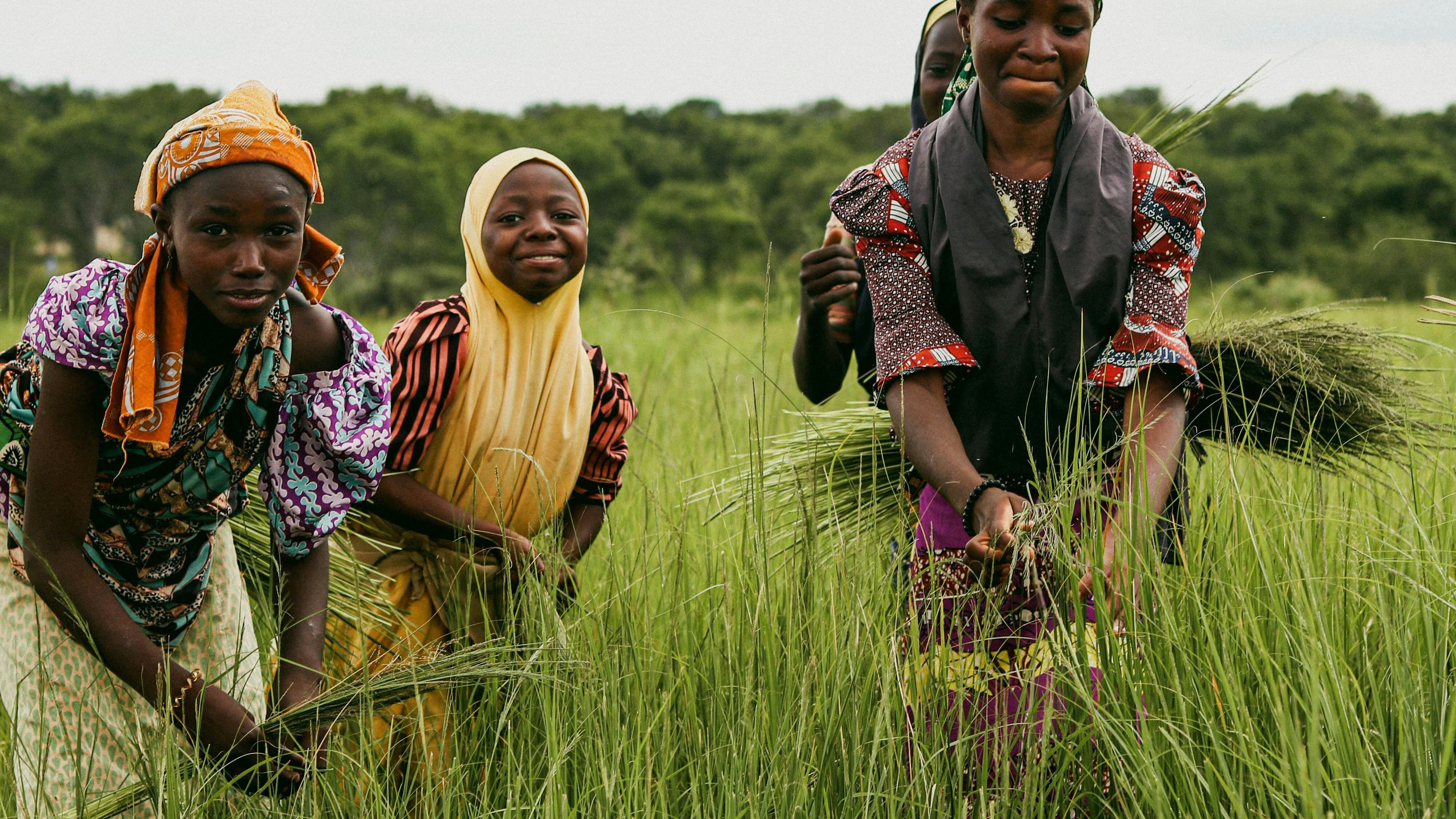

For decades, hunger in Africa has been framed as an unfortunate consequence of drought, population growth, or lack of natural resources. This narrative persists in headlines and humanitarian appeals, yet it obscures a fundamental truth: hunger in Africa is not primarily caused by scarcity. It is caused by decisions. Africa is not a continent lacking food. It is a continent lacking power over its food systems.
According to the Food and Agriculture Organization of the United Nations, Africa holds approximately 60 percent of the world’s uncultivated arable land, more than any other region on the planet. The continent produces vast quantities of agricultural goods every year, from cocoa and coffee to fruits, vegetables, grains, and livestock. Yet over 280 million Africans face chronic hunger, a number that has increased in recent years despite global advances in food production.
This contradiction reveals a deeper structural issue. Hunger in Africa is not the result of a lack of land or labor but of how agricultural systems are organized, who controls them, and who ultimately benefits.
Much of Africa’s agricultural economy remains shaped by colonial-era trade structures that were never dismantled after independence. During colonial rule, African territories were reorganized to produce raw materials and food crops for European markets. Independence brought political sovereignty, but economic sovereignty proved far more elusive.
Today, many African countries continue to prioritize export crops because they generate foreign currency, repay debt, and satisfy trade agreements. High-quality produce, coffee, cocoa, tea, flowers, and even staple grains are exported to Europe, North America, and parts of Asia, while domestic markets receive lower-quality goods or face shortages altogether.
The World Bank has documented how export-oriented agriculture dominates many African economies, often at the expense of food security and local resilience . This model benefits multinational corporations, foreign investors, and political elites, while smallholder farmers, who produce the majority of Africa’s food, struggle with low prices, land insecurity, and limited access to infrastructure.
This is why many scholars describe Africa’s agricultural system as neocolonial. The continent may govern itself politically, but its land, labor, and food systems remain deeply integrated into global markets that prioritize external demand over local nourishment.
Africa’s independence movements succeeded in removing colonial administrations, but they did not dismantle the power structures that govern trade, finance, and resource extraction. Many African governments operate under heavy external pressure from international lenders, trade institutions, and corporate interests.
Structural adjustment programs in the late twentieth century forced many countries to reduce public spending, privatize land and services, and open markets to foreign competition. These policies weakened local agricultural systems and reduced investment in rural education, extension services, and food storage infrastructure.
As a result, farmers often grow what global markets demand rather than what local communities need. When global prices fluctuate, local populations absorb the shock. Hunger becomes a byproduct of market volatility, not a failure of production.
Internal governance failures also play a significant role. Corruption, land grabs, and political patronage systems distort agricultural policy and restrict access to land and resources. In some countries, fertile land is leased to foreign investors for decades, displacing local farmers and redirecting production toward exports.
Transparency International consistently highlights how corruption undermines food security by diverting public funds, weakening institutions, and eroding trust between citizens and the state . When agricultural subsidies, infrastructure projects, or land reforms are captured by elites, hunger is not accidental. It is engineered through exclusion.
This does not mean African societies are uniquely corrupt. It means that corruption thrives where power is concentrated, accountability is weak, and external incentives reward extraction over development.
Hunger in Africa is inseparable from education scarcity. Agricultural sovereignty requires not only land, but knowledge. Many rural communities lack access to modern agricultural education, climate-resilient farming techniques, and value-added processing skills.
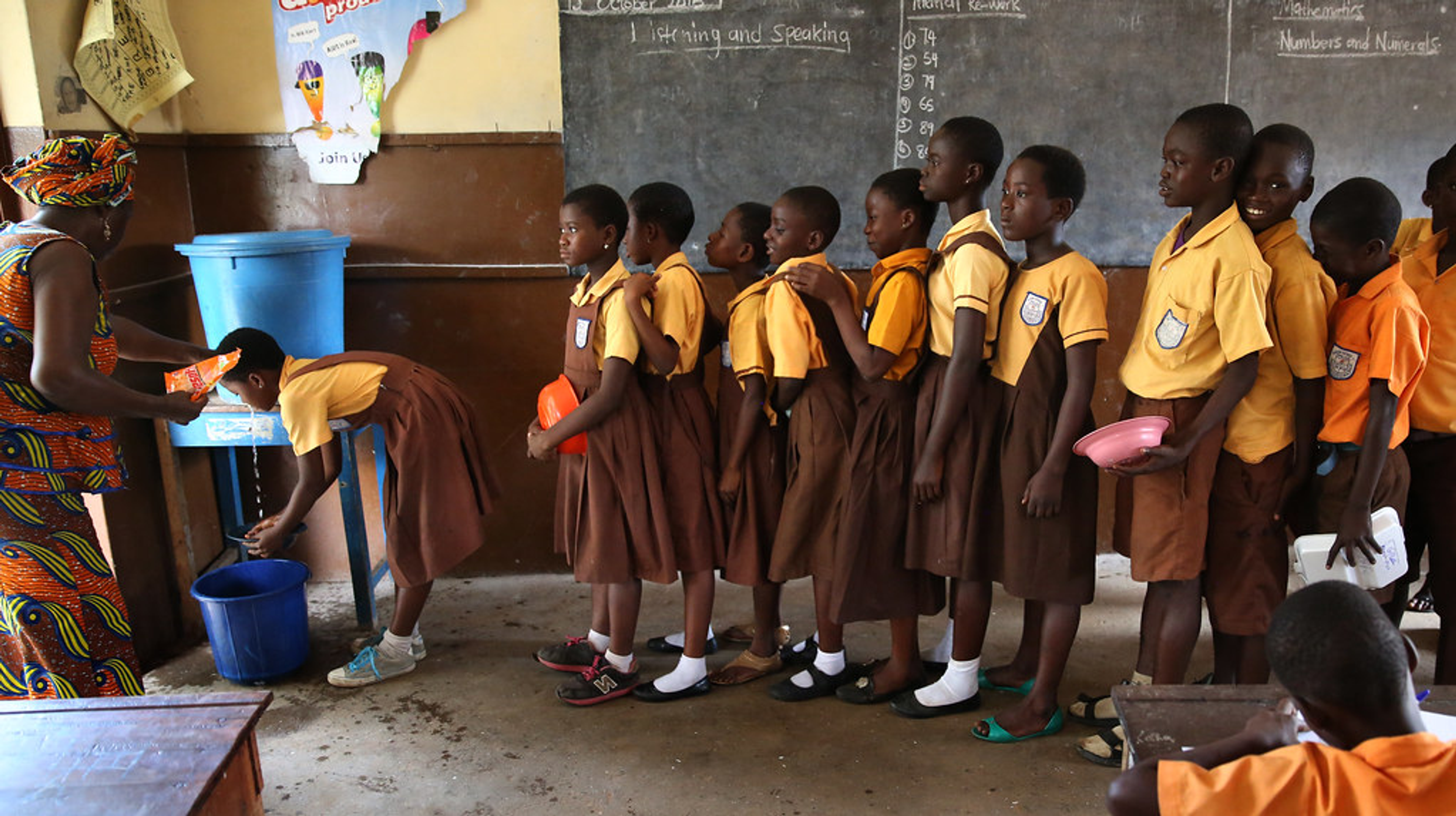
UNESCO reports that Sub-Saharan Africa has the highest rates of educational exclusion globally, with millions of children denied access to quality schooling, particularly in rural areas. When education systems are underfunded, farmers remain dependent on outdated methods and external buyers who control pricing and logistics.
Education empowers communities to process food locally, improve yields sustainably, negotiate fair contracts, and hold governments accountable. Without it, cycles of dependency persist.
Encouraging Africa to “recover its power” does not mean isolation or withdrawal from global trade. It means restoring balance. It means enabling African countries to decide how much of their production feeds their people first and how much is exported second. It means reforming trade agreements that privilege external markets over human survival.
It also means international actors stepping back from extractive practices and supporting policies that strengthen food sovereignty, education, and governance. This includes debt restructuring, fair trade enforcement, anti-corruption measures, and sustained investment in education and agricultural research.
Most importantly, it requires listening to African farmers, educators, and civil society leaders who have long articulated these solutions.
Global citizens play a role not by imposing solutions, but by demanding ethical trade, transparency, and accountability from governments and corporations alike. Awareness is not passive. It shapes public pressure, investment priorities, and diplomatic engagement.
Supporting platforms that elevate citizen voices, document systemic harm, and promote peaceful civic participation helps transform awareness into action. Hunger is not inevitable. It is the outcome of systems that can be changed.
Hunger in Africa is not a failure of land or people. It is a failure of power distribution. Addressing it requires dismantling exploitative systems peacefully, reforming governance, and investing in education as a foundation for sovereignty.
You can support citizen-driven solutions that prioritize dignity, food security, and accountability by voting on global campaigns at: https://www.pledge4peace.org/campaigns
Your participation helps amplify voices calling for justice not only in Africa but across all regions where inequality is manufactured by systems, not nature. Peace begins when people refuse to accept preventable suffering as normal.
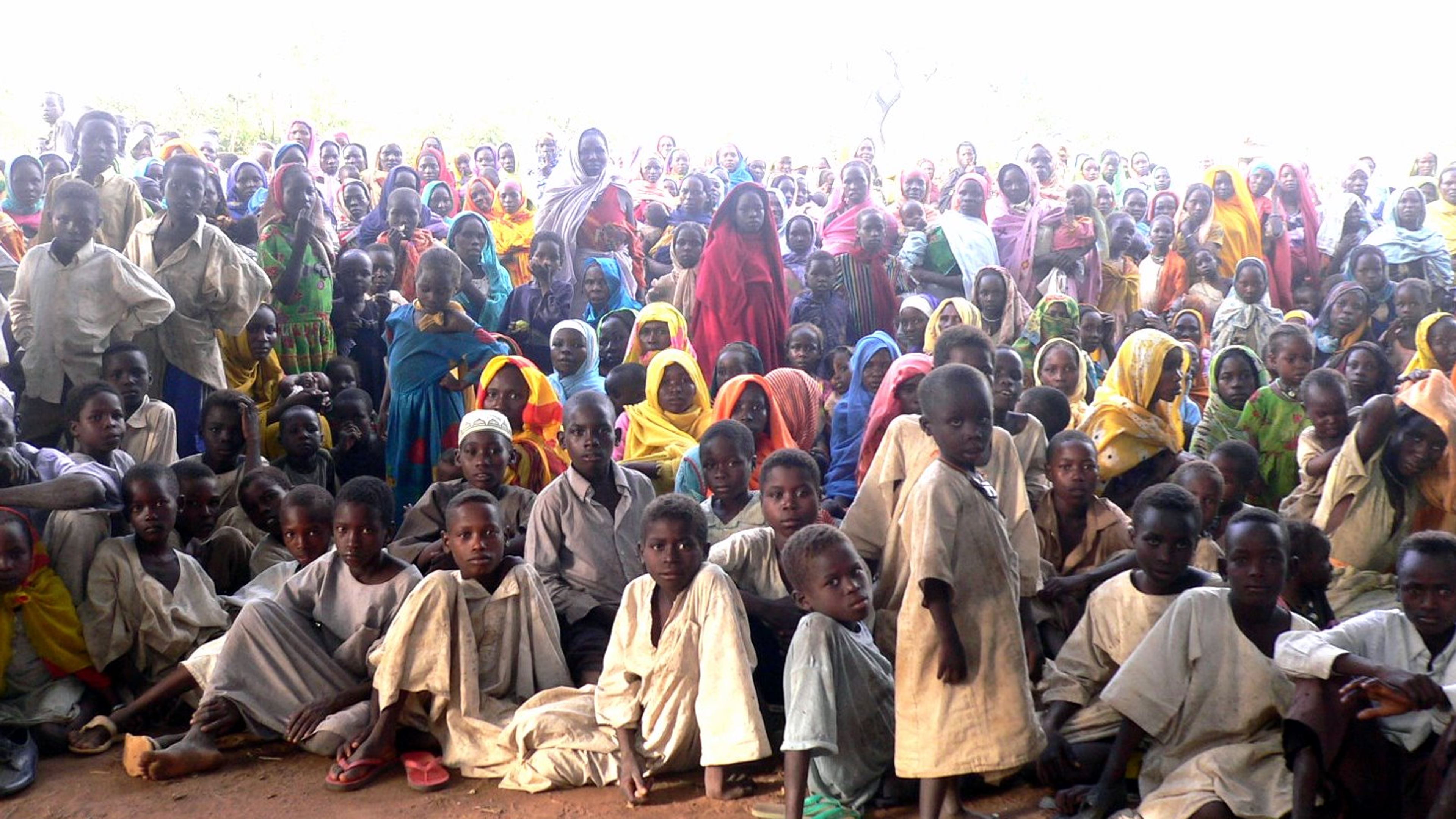
Sudan is facing the world’s worst humanitarian disaster. A devastating civil war has displaced over 11 million people, left 28 million facing acute hunger, and triggered an unprecedented wave of sexual violence used systematically as a weapon of war. Uncover the strategic crisis in El-Obeid, the harrowing UN reports, and how global citizens can take immediate action to demand international accountability and support peaceful resolutions.
Pledge4Peace.org
June 26, 2026
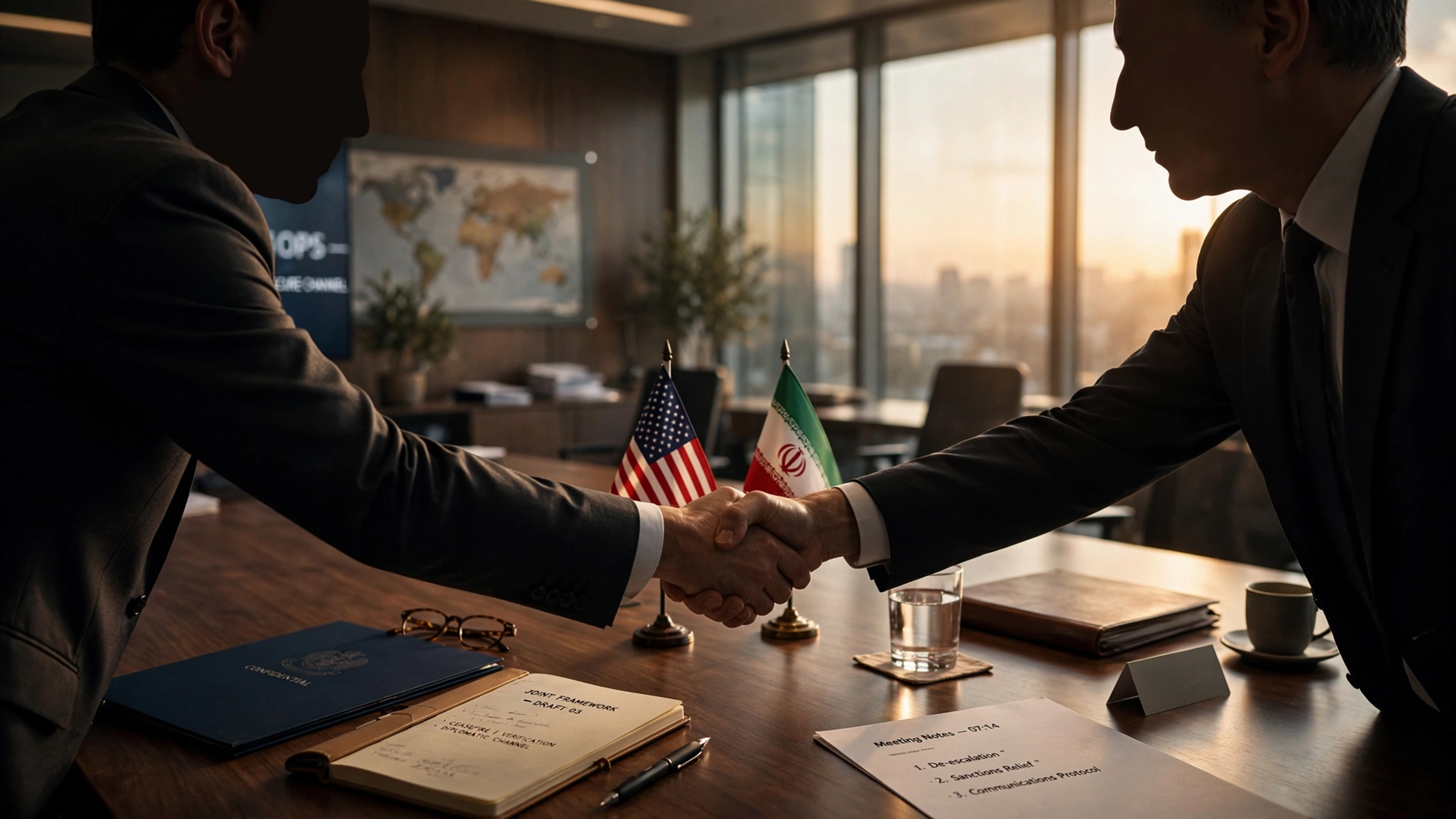
With tensions reaching a critical flashpoint in 2026, the US-Iran war is no longer a localized dispute; it is a global security crisis. While political leaders debate "near-final" deals that remain publicly disputed, millions of civilians bear the brunt of crippling economic sanctions and military escalation. It is time for a permanent, structural framework to secure peace in the Middle East.
Pledge4Peace.org
June 16, 2026
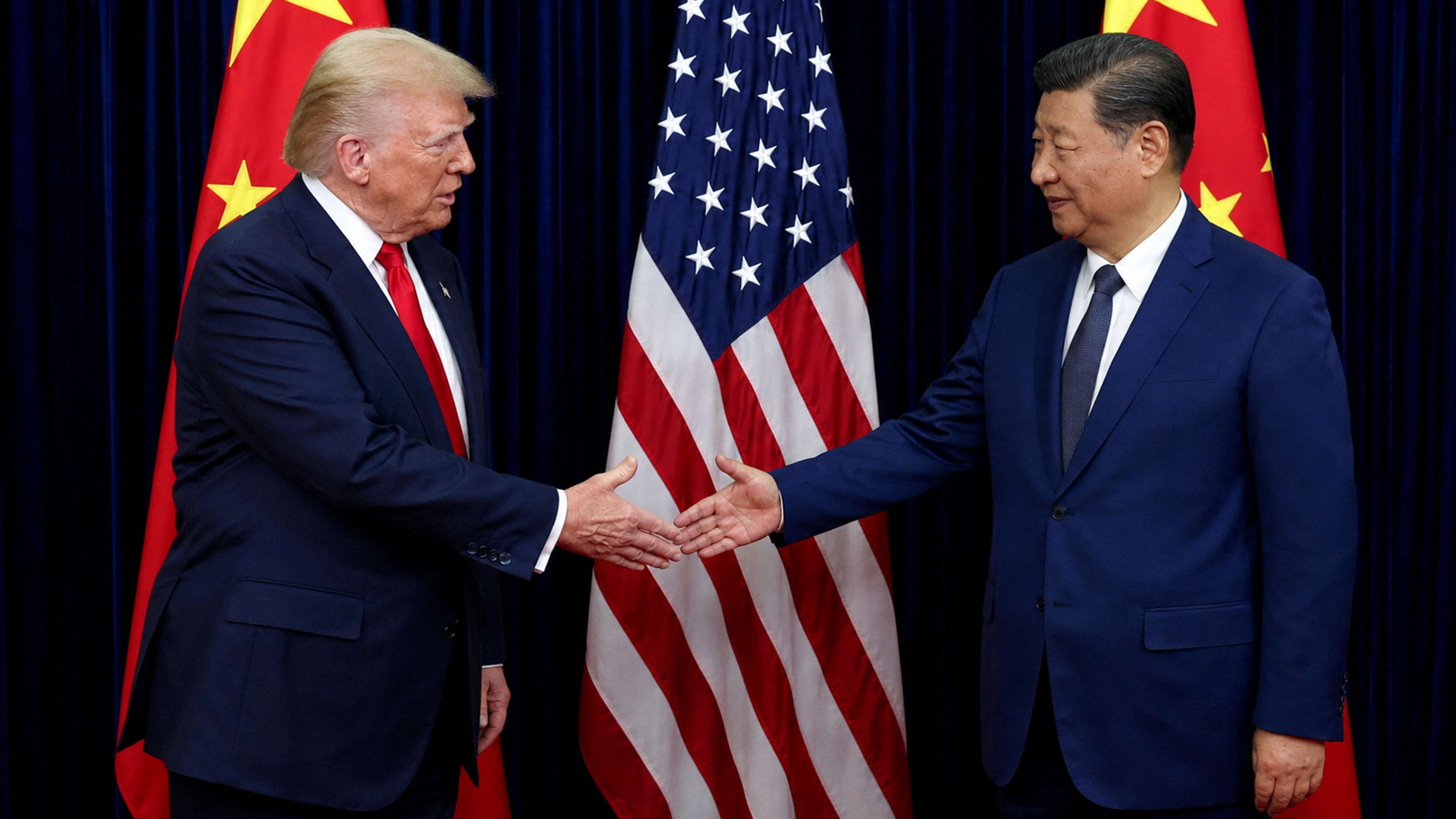
During the highly anticipated May 2026 Beijing Summit, U.S. President Donald Trump made a direct appeal to Chinese President Xi Jinping: leverage Beijing’s immense economic and political influence over Moscow to force an end to the five-year war in Ukraine. But is a Chinese-brokered peace possible?
Pledge4Peace.org
June 4, 2026