Conflict is rising. Join the movement to create a peaceful future. Sign the Pledge

Conflict is rising. Join the movement to create a peaceful future. Sign the Pledge
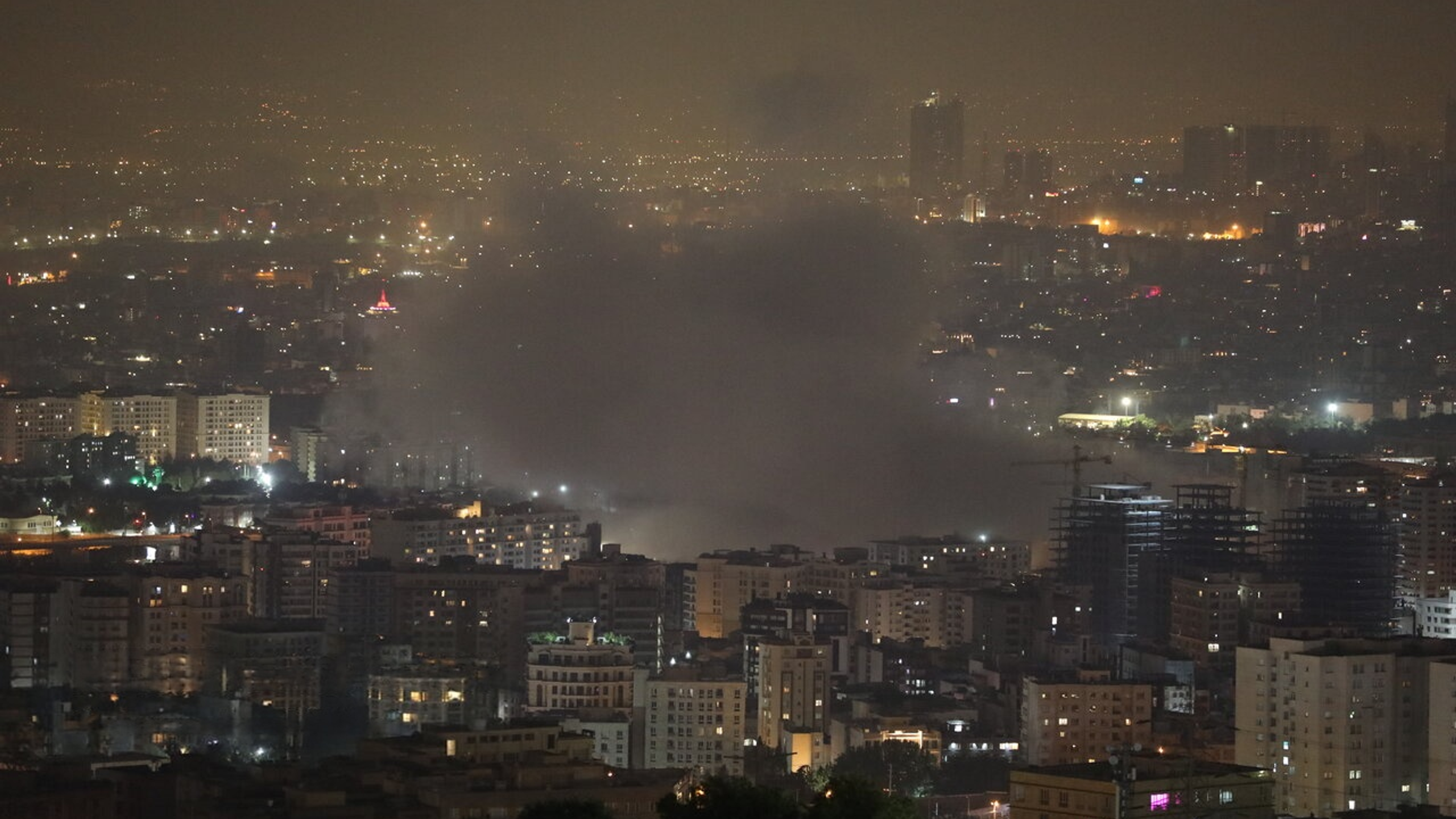

In 2026 the longstanding tensions between Israel and Iran have continued to influence Middle Eastern stability and global security dialogues. The conflict’s recent phase includes intensified Israeli military actions along the Lebanon border, serious concerns about Iran’s nuclear program, and shifting diplomatic engagements involving the United States, all contributing to an increasingly fragile situation with far-reaching implications.
This article explores the latest developments, the underlying geopolitical drivers, and the imperative for peaceful, diplomatic responses.
Historically, conflict between Israel and Iran has been rooted in deep political, ideological, and security disagreements. Iran’s Islamic Republic has repeatedly expressed hostility toward the State of Israel, while Israel perceives Iran’s nuclear ambitions and regional alliances as existential threats. These differences have played out through direct conflict, proxy engagements, and diplomatic standoffs across decades.
Even after a ceasefire agreement with Hezbollah in late 2024, tensions along Israel’s northern border have remained volatile. On February 9, 2026, Israeli drones carried out a strike in southern Lebanon that killed three people, including a child, while Israeli forces captured a militant ally near the border. These operations reflect Israel’s ongoing efforts to suppress armed groups it considers a threat following the 2023–2024 conflict.
Meanwhile, a UN peacekeeping report described a sharp increase in hostile encounters between Israeli forces and UNIFIL peacekeepers in southern Lebanon, with incident counts rising dramatically through late 2025, although most didn’t cause serious harm. These confrontations have hampered peacekeeping efforts and raised concerns about the operational environment along the Blue Line, the UN-recognized border.
Central to the conflict is Iran’s nuclear program. In mid-2025, Israel launched strikes against Iranian nuclear facilities and key military leaders to disrupt what it viewed as a growing threat, an unprecedented move in the long shadow war between the two nations. These strikes severely damaged nuclear infrastructure and slowed enrichment efforts.
After the 12-day conflict in June 2025, which saw U.S. forces join Israeli operations against Iranian nuclear targets, diplomatic efforts resumed in early 2026. Talks between Iranian and U.S. representatives in Muscat, Oman were described as a “good start,” focusing on how to limit nuclear escalation and potentially forge a path to less confrontational relations, though significant obstacles remain.
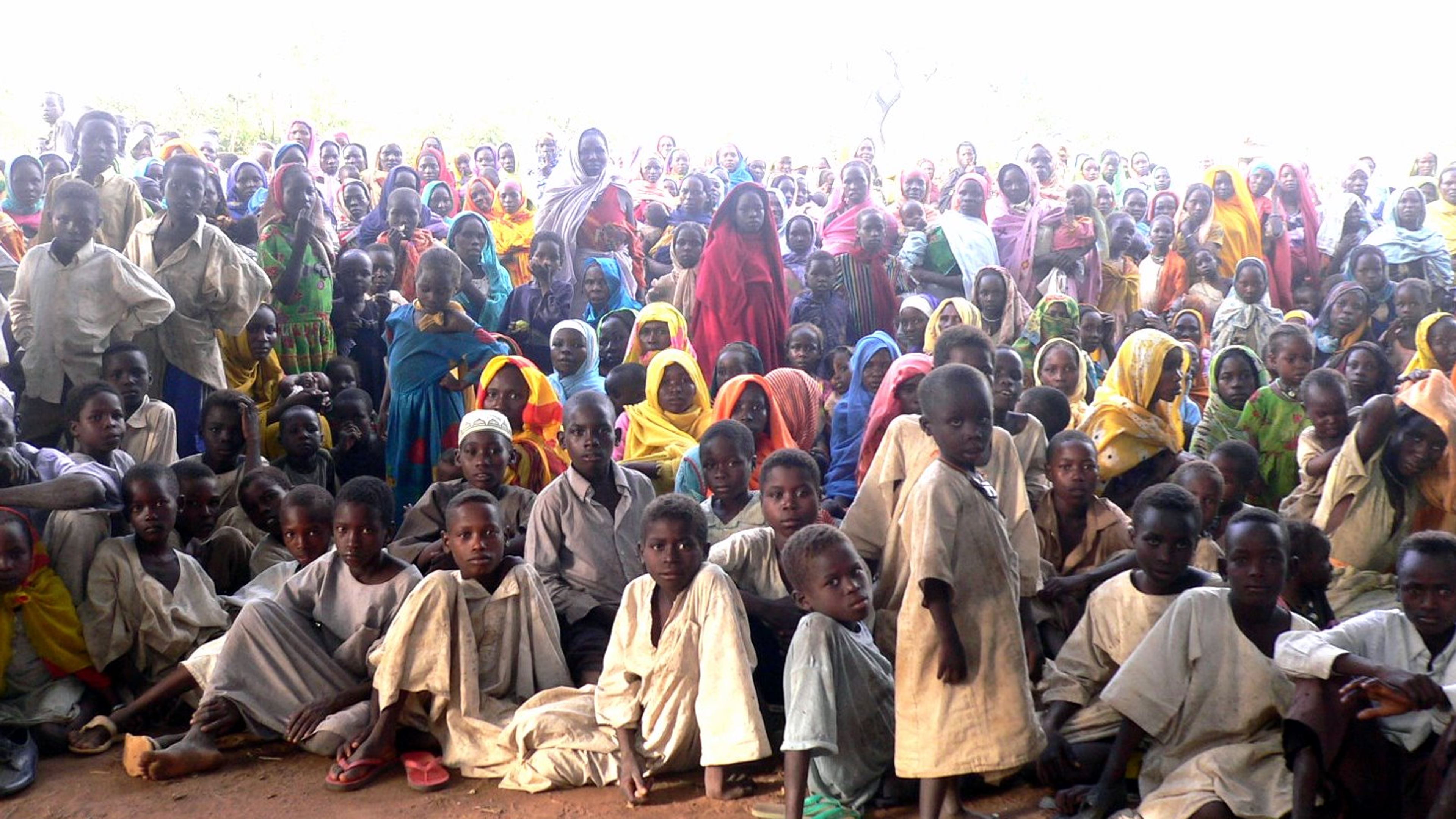
Sudan is facing the world’s worst humanitarian disaster. A devastating civil war has displaced over 11 million people, left 28 million facing acute hunger, and triggered an unprecedented wave of sexual violence used systematically as a weapon of war. Uncover the strategic crisis in El-Obeid, the harrowing UN reports, and how global citizens can take immediate action to demand international accountability and support peaceful resolutions.
Pledge4Peace.org
June 26, 2026
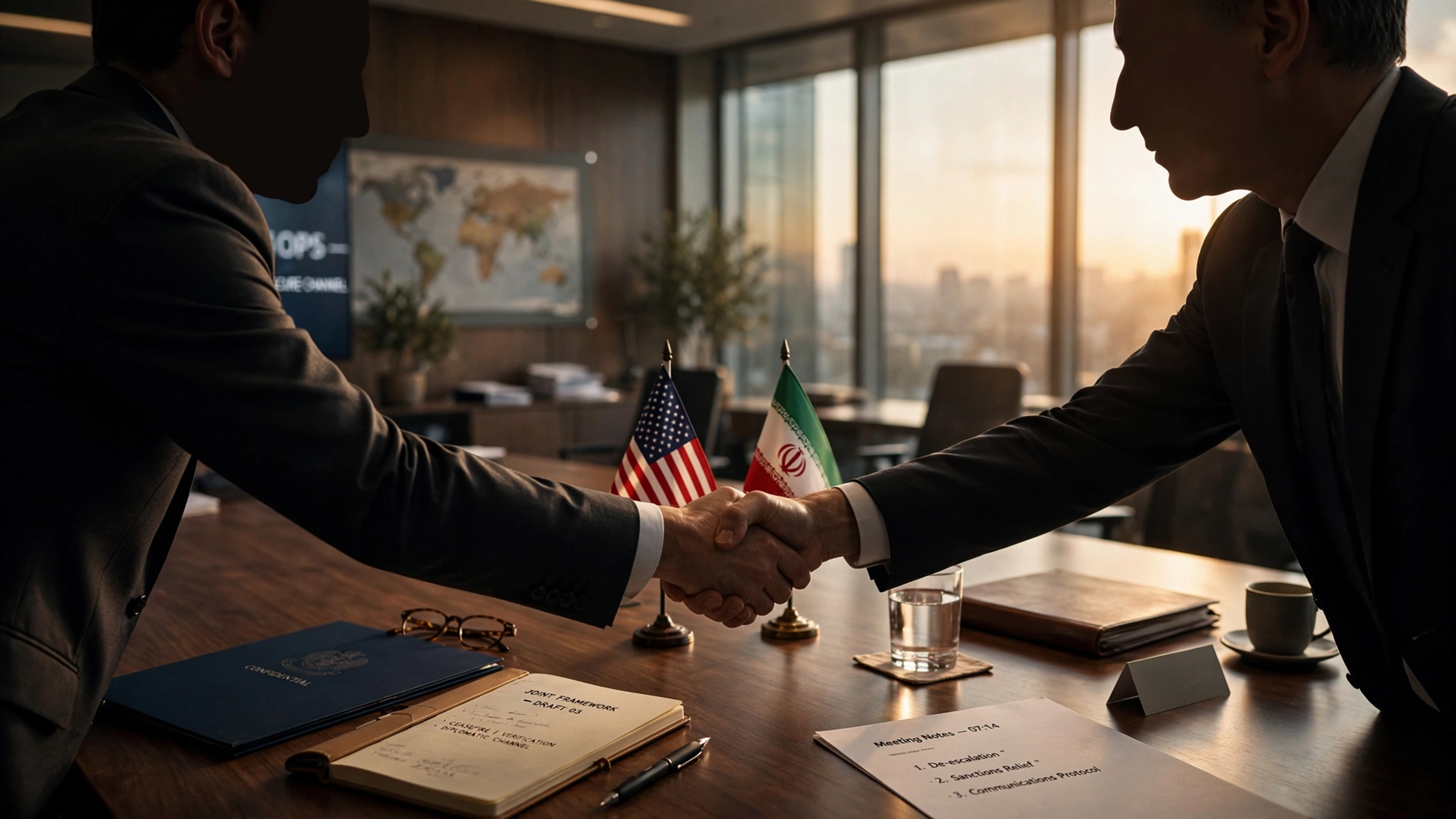
With tensions reaching a critical flashpoint in 2026, the US-Iran war is no longer a localized dispute; it is a global security crisis. While political leaders debate "near-final" deals that remain publicly disputed, millions of civilians bear the brunt of crippling economic sanctions and military escalation. It is time for a permanent, structural framework to secure peace in the Middle East.
Despite early optimism, recent reports show these talks are fragile. Renewed military clashes at sea, including a U.S. shoot-down of an Iranian drone near the USS Abraham Lincoln, have underscored the volatility of the situation and the narrow margin within which diplomacy must operate.
Iran has publicly stated conditions for negotiations, including limits on U.S. military presence in the Middle East, a demand that complicates U.S. strategic objectives and negotiation leverage.
Tensions between Israel and Iran are not confined to those two countries. Iran’s ballistic missile arsenal, one of the most extensive in the region, has already been used in proxy conflicts and could represent a broader risk if direct military confrontation escalates.
Concerns about regional spillover extend to countries like Lebanon, where Hezbollah, backed by Iran, remains a powerful non-state actor, and to global trade routes like the Strait of Hormuz, where Iranian naval activity has raised the threat of disruptions affecting global oil markets and shipping.
French and other international leaders have urged restraint from Iran-linked groups to prevent regional escalation, reflecting broader worries about the conflict’s potential to draw in multiple actors and destabilize the wider Middle East.
Beyond geopolitics, real people suffer most in armed conflicts. Civilian casualties from cross-border strikes, urban confrontations, and militia engagements have been recorded on both sides of the border. The Lebanese strike in southern Lebanon that resulted in civilian deaths is a stark example of how military escalation continues to impact families and communities caught in the crossfire.
Amid these tensions, the international community faces critical questions about how to prevent further violence and support sustainable peace. Key approaches include:
1. Renewed, Inclusive Diplomacy
Encouraging Iran, Israel, the United States, and regional neighbors to engage in sustained talks that address not only nuclear issues but also security guarantees and regional fears can help reduce incentives for military action.
2. Strengthening International Norms
Reaffirming commitments to nonproliferation and mutual security agreements through international institutions could help reassure all sides and provide a framework for monitoring compliance.
3. Civilian Protection and Rights
Ensuring that ceasefires and peace agreements include robust measures to protect civilians and uphold human rights can foster trust and mitigate humanitarian harm in conflict zones.
Despite occasional tactical pauses in direct confrontations, analysts warn that longstanding mistrust and unresolved political tensions could lead to further escalations if not addressed with comprehensive, inclusive peace mechanisms.
Conflicts like the Israel-Iran tensions affect not only the region but global cooperation, democracy, and civilian security. Peace — lasting peace — cannot emerge without citizen engagement, persistent diplomacy, and creative solutions that bridge divides rather than deepen them.
You can support people-centered, peaceful solutions that emphasize dialogue, rights, and cooperation by participating in discussions and voting on civic proposals at: Pledge4Peace.org/campaigns/create-permanent-peace-and-strengthen-democracies-in-israel-and-palestine
Your voice is part of a collective call for diplomacy over escalation, accountability over conflict, and a future where human dignity is the foundation of security.
Pledge4Peace.org
June 16, 2026