Conflict is rising. Join the movement to create a peaceful future. Sign the Pledge

Conflict is rising. Join the movement to create a peaceful future. Sign the Pledge
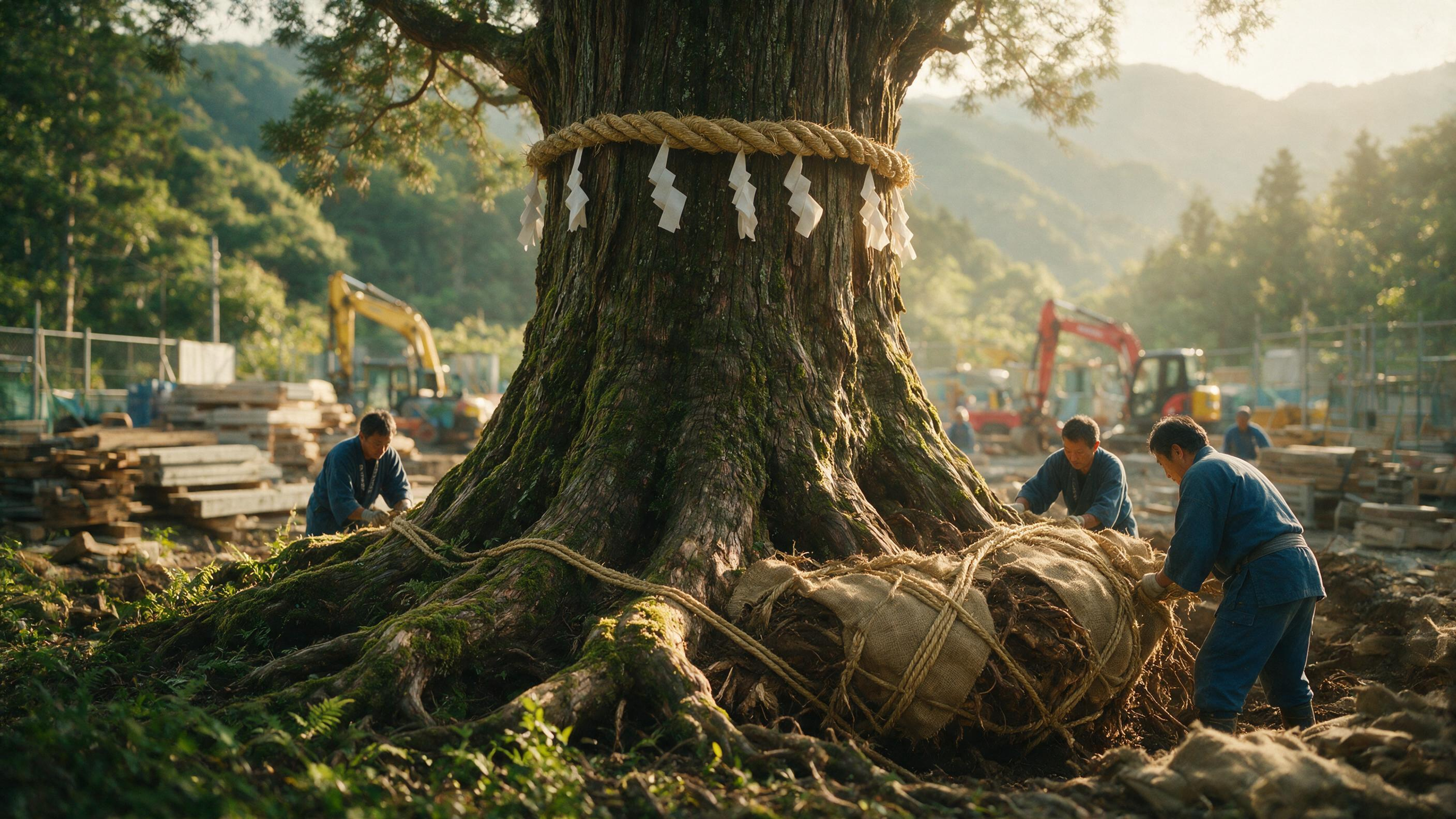

In most parts of the world, urban expansion comes at a fatal cost to local flora. When a mature, centuries-old tree stands in the path of a new highway, residential complex, or commercial development, the standard protocol is swift and destructive: the tree is cut down in a matter of minutes. But in Japan, a powerful, life-saving alternative exists.
As the Times of India reports in a story shared by Reasons to Be Cheerful (RTBC) Executive Editor Will Doig, Japanese arborists and horticultural experts are enlisted to lead a months-long process to carefully relocate these ancient giants while keeping their intricate root systems entirely intact. This technique, known as nemawashi, "combines centuries of horticultural knowledge with modern engineering and reflects Japan’s long-standing respect for nature and cultural heritage."
Current State: Unregulated urban development and the immediate clear-cutting of mature trees degrade environmental health, release stored carbon, and destroy localized biodiversity. The standard global practice of prioritizing construction speed over ecological preservation undermines long-term climate resilience.
The Pivot: By utilizing the ancient practice of nemawashi alongside modern engineering, as consistently demonstrated in Japan, urban developers can successfully relocate centuries-old trees. This proves that preserving mature ecosystems during infrastructure expansion is an entirely scalable and effective reality.
The Mandate: Civil society, progressive urban planners, and everyday citizens must actively intervene by demanding structural civic protections for mature trees, funding specialized arboriculture, and normalizing sustainable relocation frameworks in all future municipal development projects.
For global citizens advocating for climate resilience and sustainable infrastructure, the Japanese model of tree relocation proves that human progress and environmental preservation do not have to be mutually exclusive.
Literally translated to "digging around the roots" or "laying the groundwork," nemawashi is an exercise in extreme patience and precision. The goal is to completely uproot a massive, living organism and move it to a new location without causing fatal transplant shock.
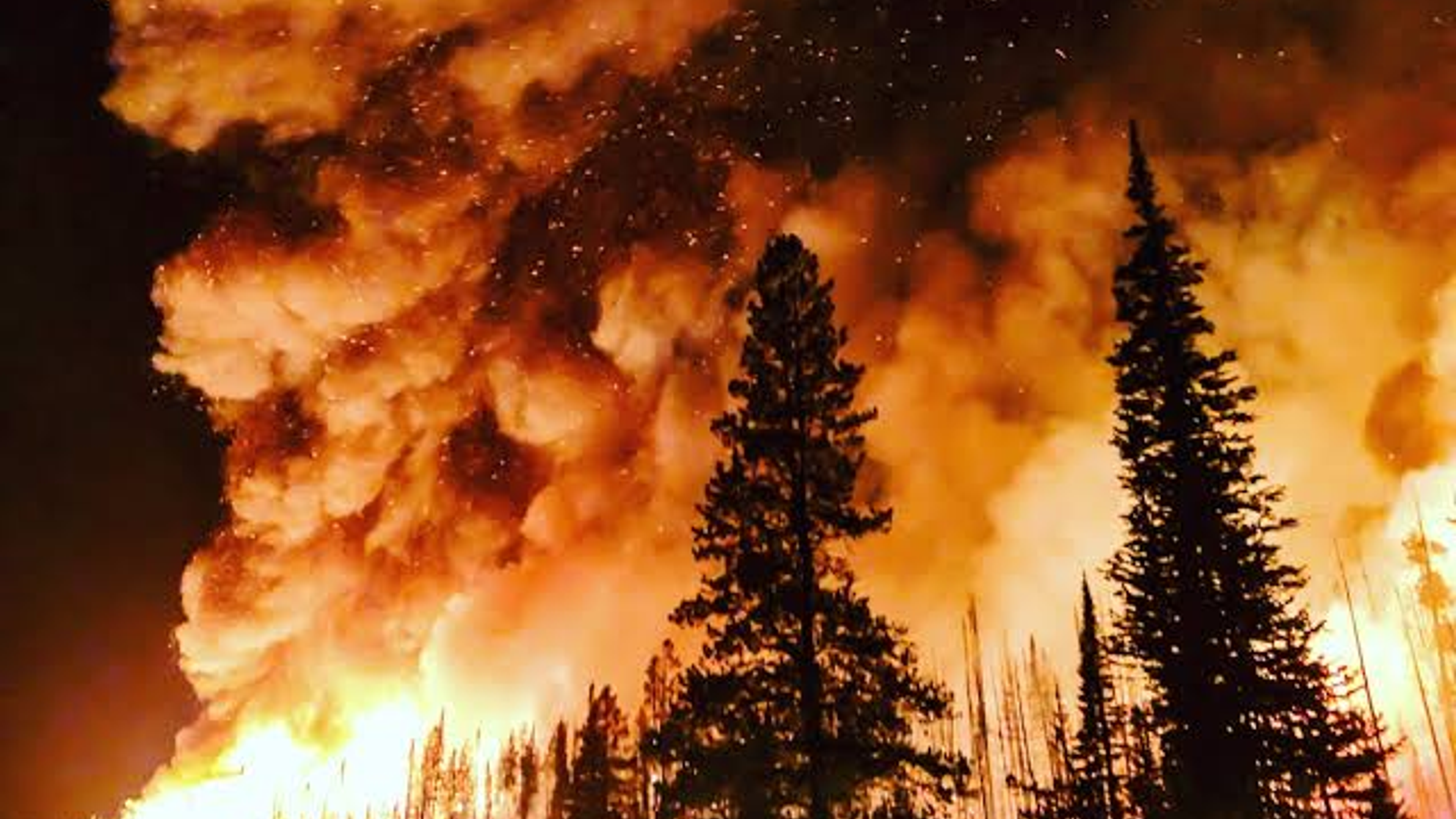
As weeks-long wildfires rage across Sumatra and Indonesian Borneo, fueled by a Super El Niño, a catastrophic toxic haze is sickening millions across Southeast Asia. With peatland ecosystems acting as ticking "carbon bombs," local residents and wildlife face unprecedented danger. Discover the root causes of this environmental crisis and explore verified ways you can take action.
Pledge4Peace.org
September 14, 2026
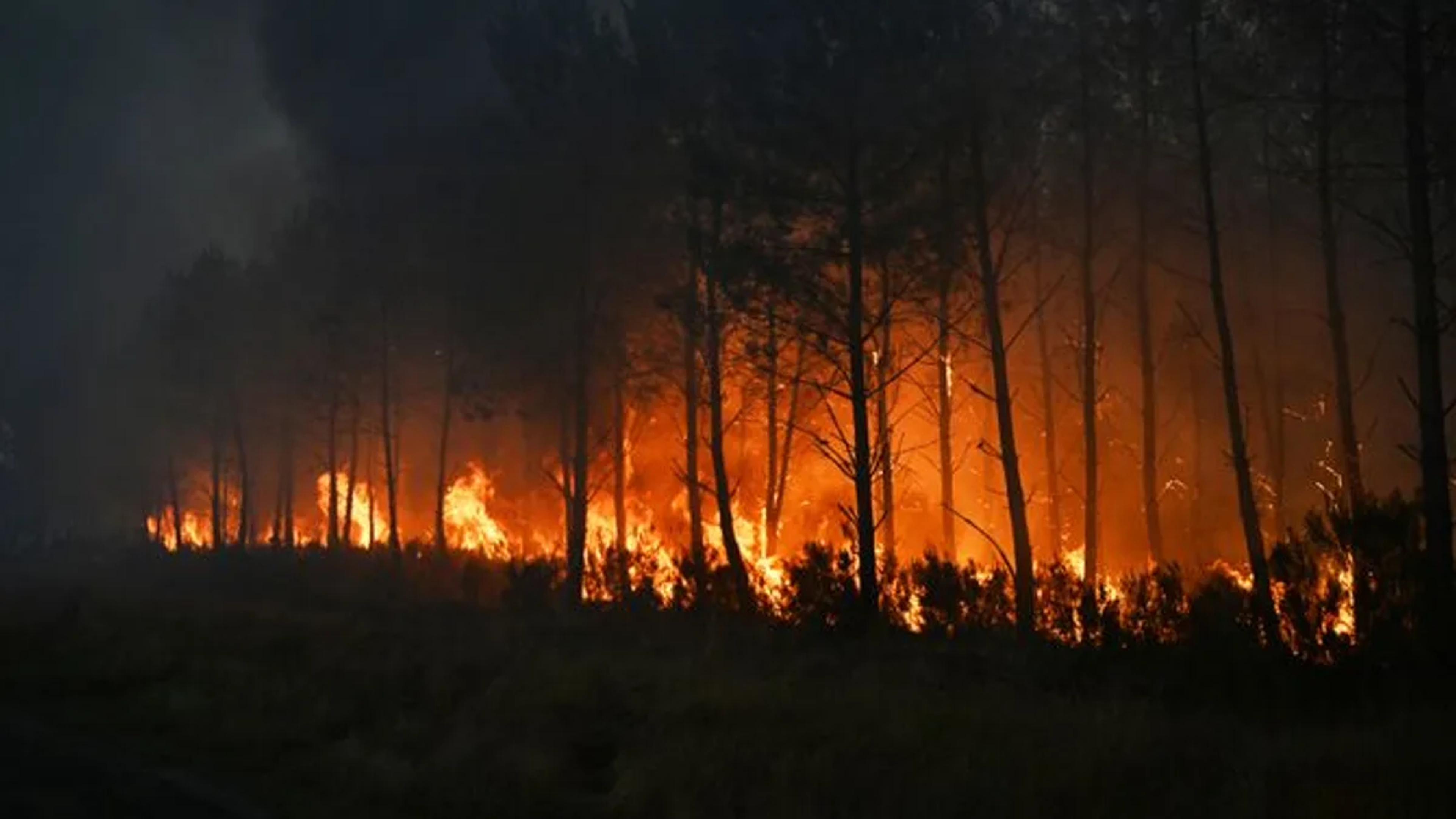
As the UK faces record-breaking wildfire seasons, leading experts argue that preventing ignitions is no longer enough. By restoring degraded peatlands, reintroducing natural herbivores, and expanding native broadleaf woodlands, Britain can deploy climate-smart rewilding to naturally halt the spread of devastating landscape fires.
The process begins months, and sometimes up to a full year, before the tree is actually moved. Workers meticulously sift through the soil to locate and expose the tree's root system. The roots are carefully pruned, wrapped, and bound by hand, traditionally using natural materials like straw and rope. This root-balling technique forces the tree to develop new, compact feeder roots within the bound area. The tree is then left in its temporary enclosure to heal and adjust to being contained.
Today, this ancient horticultural practice is supercharged by modern engineering. Arborists utilize advanced GPS tracking, 3D spatial modeling, and localized monitoring systems to assess root density and soil composition. When the tree is finally ready for relocation, crews deploy heavy-duty cranes, inflatable stabilization platforms, wooden rollers, and specialized tracks to gently lift the tree out of the earth. It is then transported and lowered into a specially prepared trench, cleared of any stones or debris that could impede future growth.
The immense investment of time, money, and labor required for nemawashi is deeply rooted in Japanese culture and the Shinto belief system. In Shintoism, nature is considered inherently sacred. Trees that survive for a century or more are believed to house kodama, or venerated tree spirits. These ancient trees are often adorned with a shimenawa, a sacred braided straw rope, marking them as protected spiritual landmarks.
To cut down one of these trees is not merely an environmental loss; it is viewed as a severe spiritual offense that harms the kodama. This profound reverence ensures that life is valued over developmental convenience.
Interestingly, the philosophy of nemawashi extends far beyond botany. In Japanese corporate environments, such as at Toyota, nemawashi is a fundamental business practice. It describes the process of consensus-building, quietly laying the groundwork, addressing concerns, and gathering support from all stakeholders before a new policy is officially implemented. Whether in nature or business, it is about tending to an ecosystem with foresight and care.
Just as clear-cutting ancient forests destabilizes our climate, endless warfare and political deadlock destabilize our global security. Protecting our environment and protecting human life are two sides of the same coin, and neither can wait for the system to fix itself. True sustainability means building a world free from both ecological destruction and human conflict. Don't watch from the sidelines. Take 1 minute to exercise your citizen mandate and vote on peace initiatives to resolve global conflicts today>>
While the motivations in Japan are deeply cultural, the environmental benefits of nemawashi are universally critical. The global practice of clear-cutting mature trees exacerbates the climate crisis in ways that planting new saplings cannot immediately fix.

It is incredibly inspiring to see global citizens wanting to take direct action to protect mature trees and integrate nature into urban development. While the philosophy of nemawashi (tree relocation) is deeply cultural in Japan, the broader mission of urban forestry, tree preservation, and sustainable infrastructure is championed by several outstanding organizations around the world.
Whether you want to support Japanese conservationists or global urban reforestation efforts, here are fact-checked organizations and initiatives you can support or donate to today:
1. More Trees (more-trees.org)
2. Niwamori (niwamori.org)
3. Canopy (canopy.org)
4. The Nature Conservancy – Plant a Billion Trees
While not a non-profit charity, it is worth noting Environmental Design, Inc. (EDI). They are widely recognized as the premier commercial tree relocation contractor in the world. They actively practice the Western equivalent of nemawashi by partnering with real estate developers for "Specimen Tree Banking." Instead of cutting down mature trees for a new corporate campus, EDI uproots, relocates, and maintains them in a "tree bank" until the construction is finished, seamlessly returning the mature trees to the new urban landscape.
The philosophy of nemawashi challenges the global status quo of disposable infrastructure. As global citizens, we can adopt this mindset to protect our local environments. Here is how you can help make this a reality in your community:
We do not have to accept the destruction of nature as the inevitable price of progress. By looking to the meticulous, respectful practices of Japan, we can pave the way for a future where both human cities and ancient forests continue to grow side by side.
Pledge4Peace.org
August 29, 2026