Conflict is rising. Join the movement to create a peaceful future. Sign the Pledge

Conflict is rising. Join the movement to create a peaceful future. Sign the Pledge
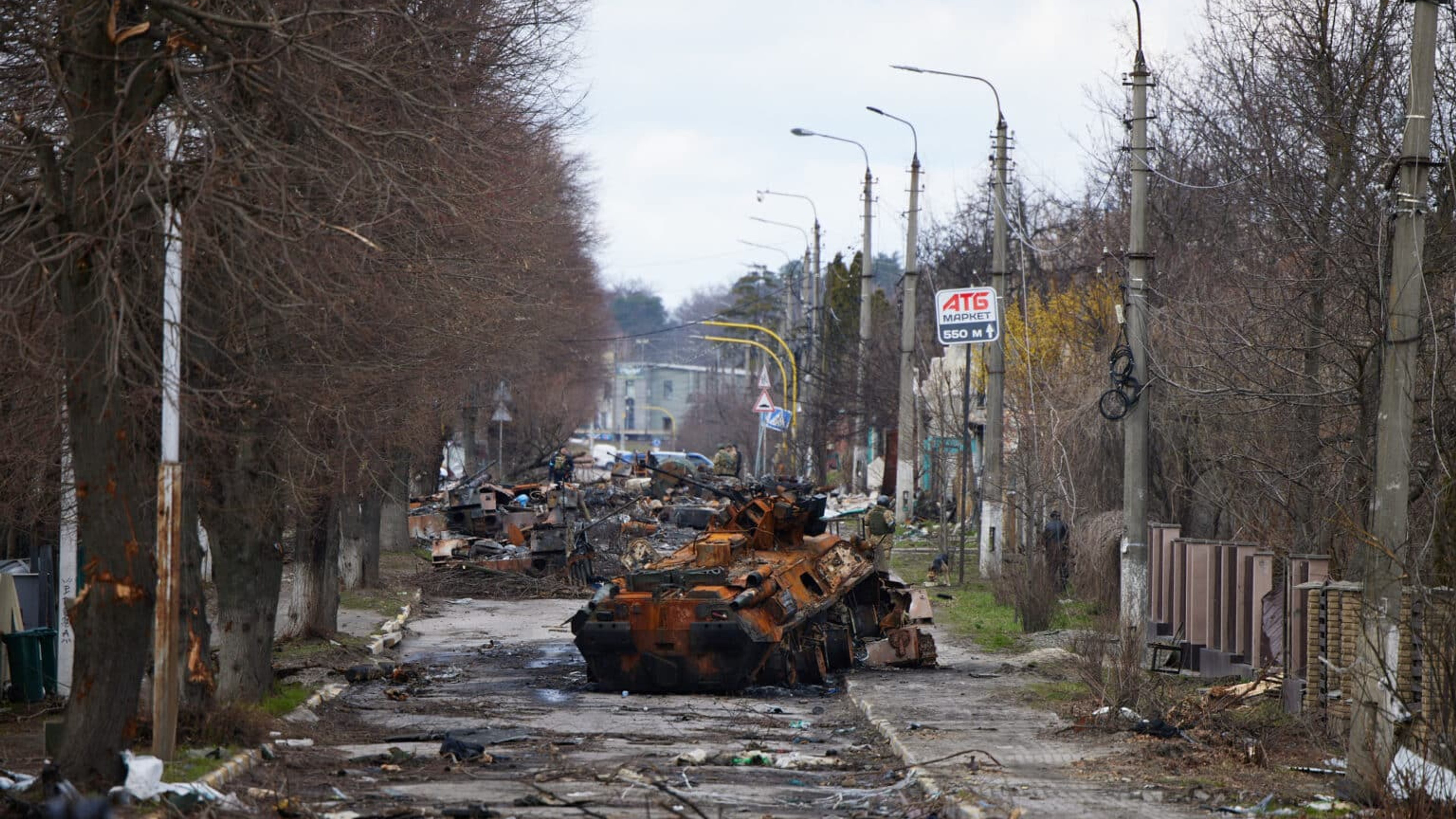

February 24, 2026 marks its fourth year anniversary since Russia launched its full-scale invasion of Ukraine. What began in 2022 as a rapid military escalation evolved into Europe’s largest armed conflict since World War II.
As the war enters its fifth year, fighting continues in eastern and southern Ukraine, with recent strikes reported in regions such as Zaporizhzhia. Yet beyond battlefield developments, important diplomatic, humanitarian, and political shifts have shaped the broader pursuit of peace.
The question is no longer only about territorial control. It is about whether conditions exist for sustainable de-escalation.
According to the United Nations, thousands of civilians have been killed and millions displaced since 2022. The UN Refugee Agency reports that more than 6 million Ukrainian refugees remain abroad, while millions more are internally displaced.
The World Bank has estimated that Ukraine’s reconstruction costs could exceed $400 billion, a figure that grows as infrastructure damage continues.
The war has also reshaped global security. NATO expanded with Finland and Sweden joining the alliance. European energy policy shifted rapidly away from Russian gas. Sanctions regimes remain among the most extensive in modern history.
These realities form the backdrop for any peace effort.
Despite continued hostilities, several significant diplomatic efforts have taken place over the past four years.
In 2022, the UN and Türkiye brokered the Black Sea Grain Initiative, allowing Ukrainian grain exports to resume through maritime corridors. The agreement helped stabilize global food markets and reduce pressure on developing countries dependent on wheat imports.
Although the deal faced suspensions and renegotiations, it demonstrated that limited functional cooperation between Russia and Ukraine was possible under international mediation.
Multiple large-scale prisoner exchanges have occurred throughout the conflict. These exchanges, often facilitated by third-party mediators, have provided humanitarian relief and maintained channels of communication.
While not political breakthroughs, such exchanges build incremental trust.
Ukraine has promoted a 10-point peace formula focused on territorial integrity, food security, nuclear safety, and prisoner release. Russia has presented alternative frameworks emphasizing neutrality and security guarantees.
Various countries, including Türkiye, China, Saudi Arabia, and Brazil, have proposed mediation roles or hosted discussions.
While no comprehensive ceasefire agreement has been reached, multilateral engagement has remained active.
By 2026, the conflict has largely settled into a protracted war of attrition. Frontline changes have occurred, but neither side has secured decisive strategic dominance.
Military analysts note that long wars often shift incentives over time. Economic strain, political fatigue, and global pressure can alter negotiation dynamics.
Sanctions have affected Russia’s economy, though not collapsed it. Ukraine continues receiving Western military and financial support. Both sides remain entrenched.
In many modern conflicts, stalemate precedes serious negotiation phases.
Measured against the absence of a comprehensive ceasefire, progress appears limited. However, peacebuilding is not binary. It develops through stages.
Accomplishments to date include:
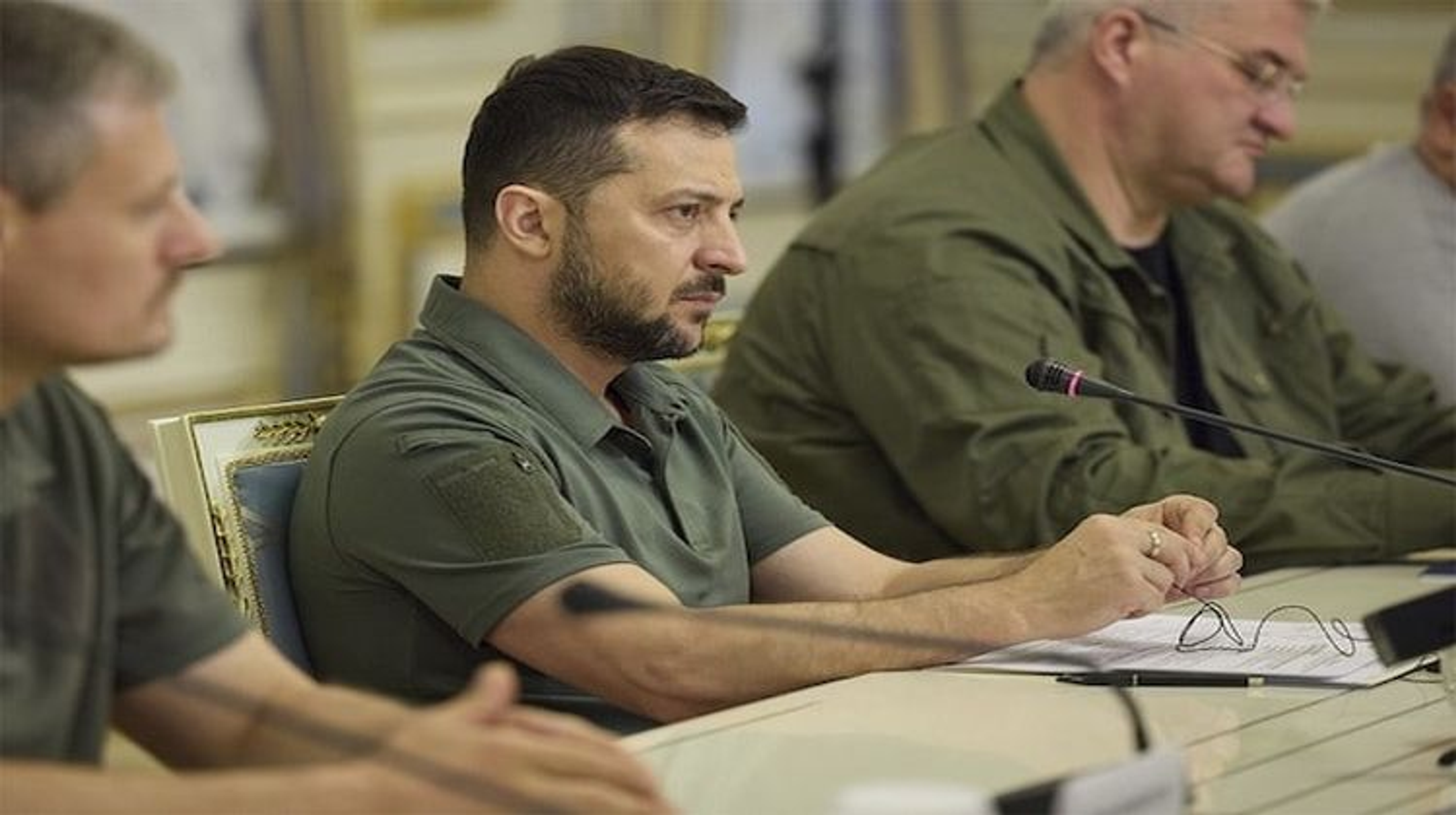
The International Atomic Energy Agency has repeatedly emphasized the importance of preventing nuclear escalation risks in the conflict zone. International monitoring presence has reduced catastrophic risk potential
These developments do not constitute peace. But they prevent further destabilization.
The war’s fourth anniversary underscores broader geopolitical shifts.
Energy security strategies have accelerated renewable transitions across Europe. Defense spending has increased globally. International law debates over sovereignty and territorial integrity have intensified.
The conflict also highlights how prolonged wars strain global food systems, migration flows, and financial markets.
According to the World Food Programme, disruptions in Ukrainian grain exports significantly impacted countries in the Middle East and Africa in early stages of the war.
Peace between Russia and Ukraine would therefore not only stabilize Eastern Europe but also reduce broader global economic volatility.
Conflict resolution research shows that durable peace agreements require several elements:
Peace rarely emerges from a single summit. It builds through layered confidence-building measures.
Humanitarian agreements reduce suffering. Economic corridors reduce desperation. Diplomatic talks prevent escalation. International monitoring reduces miscalculation risk.
Each of these steps, while insufficient alone, lowers the probability of catastrophic expansion.
As the war enters its fifth year, the persistence of diplomatic contact itself is an achievement. Complete diplomatic collapse would signal far greater instability.
Public opinion influences political space for negotiation.
Sustained global civic advocacy for ceasefire frameworks, reconstruction commitments, and nonviolent resolution maintains visibility.
Conflicts that fade from public attention often stagnate without resolution.
Four years is a long time in modern geopolitics. The Russia–Ukraine war has already reshaped alliances, energy systems, and defense doctrines.
The next phase will depend on whether incremental humanitarian coordination evolves into formal ceasefire negotiation.
Peace will require compromise, verification mechanisms, and sustained international engagement.
History shows that even entrenched conflicts eventually transition to negotiation stages when conditions align.
The question is not whether dialogue will occur.
It is when.
If you believe long-term stability in Europe requires sustained diplomatic engagement, humanitarian protection, and structured peace negotiations, your voice matters.
Support nonviolent solutions aimed at ending the Russia–Ukraine war.
Vote for permanent peace initiatives here:
Peace is built through consistent pressure, structured diplomacy, and civic participation.
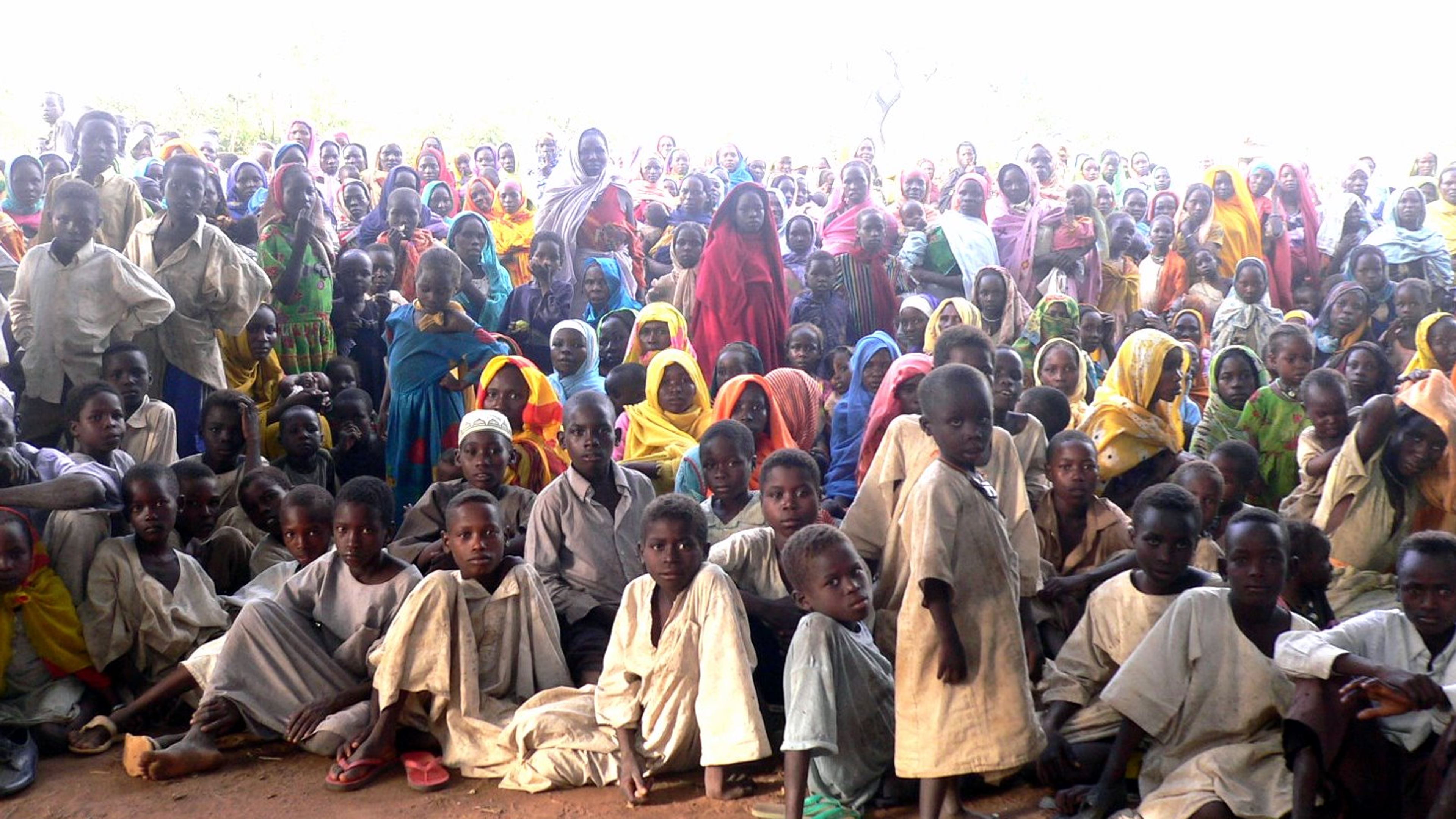
Sudan is facing the world’s worst humanitarian disaster. A devastating civil war has displaced over 11 million people, left 28 million facing acute hunger, and triggered an unprecedented wave of sexual violence used systematically as a weapon of war. Uncover the strategic crisis in El-Obeid, the harrowing UN reports, and how global citizens can take immediate action to demand international accountability and support peaceful resolutions.
Pledge4Peace.org
June 26, 2026
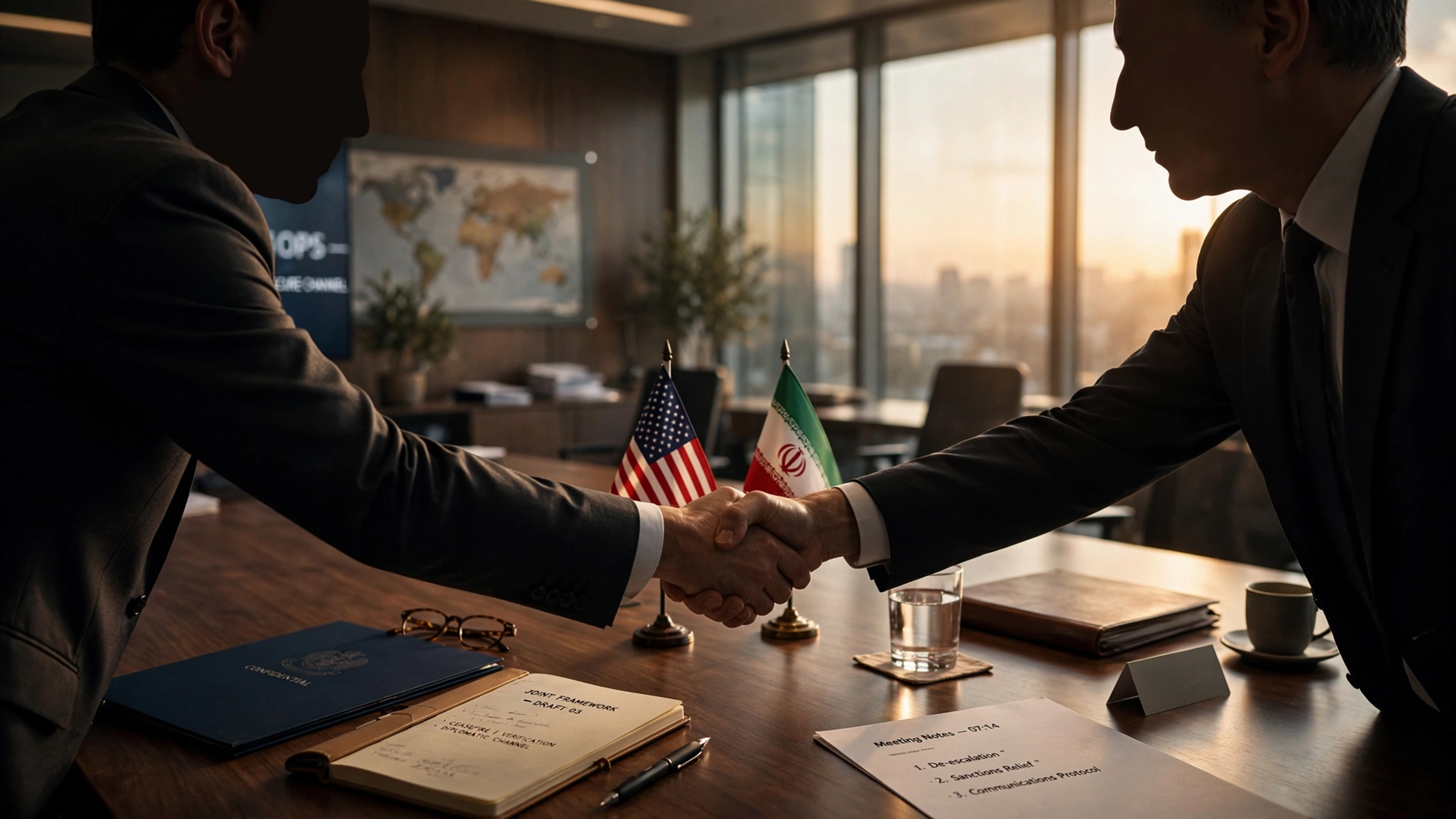
With tensions reaching a critical flashpoint in 2026, the US-Iran war is no longer a localized dispute; it is a global security crisis. While political leaders debate "near-final" deals that remain publicly disputed, millions of civilians bear the brunt of crippling economic sanctions and military escalation. It is time for a permanent, structural framework to secure peace in the Middle East.
Pledge4Peace.org
June 16, 2026
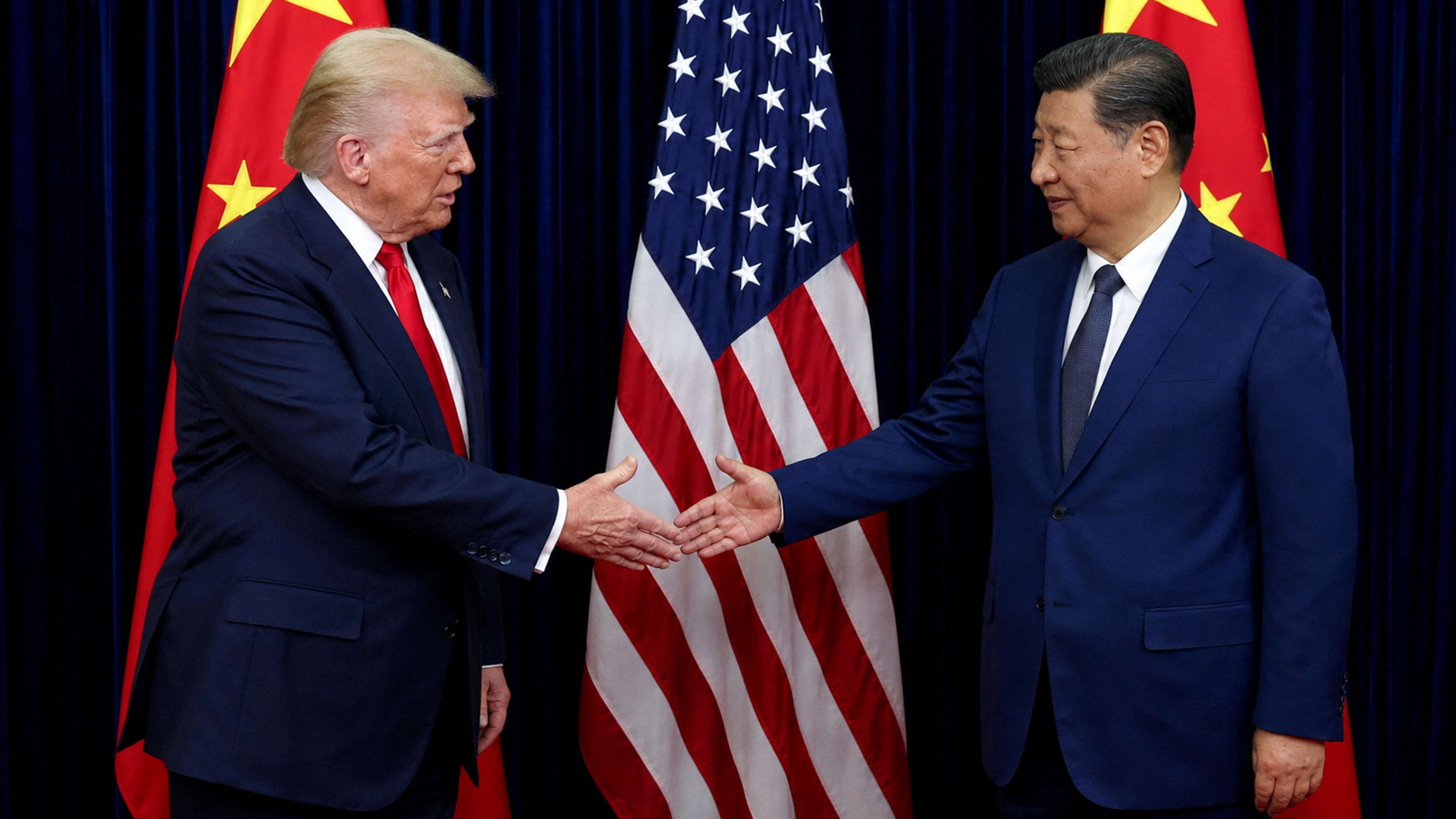
During the highly anticipated May 2026 Beijing Summit, U.S. President Donald Trump made a direct appeal to Chinese President Xi Jinping: leverage Beijing’s immense economic and political influence over Moscow to force an end to the five-year war in Ukraine. But is a Chinese-brokered peace possible?
Pledge4Peace.org
June 4, 2026