Conflict is rising. Join the movement to create a peaceful future. Sign the Pledge

Conflict is rising. Join the movement to create a peaceful future. Sign the Pledge

Key Points:
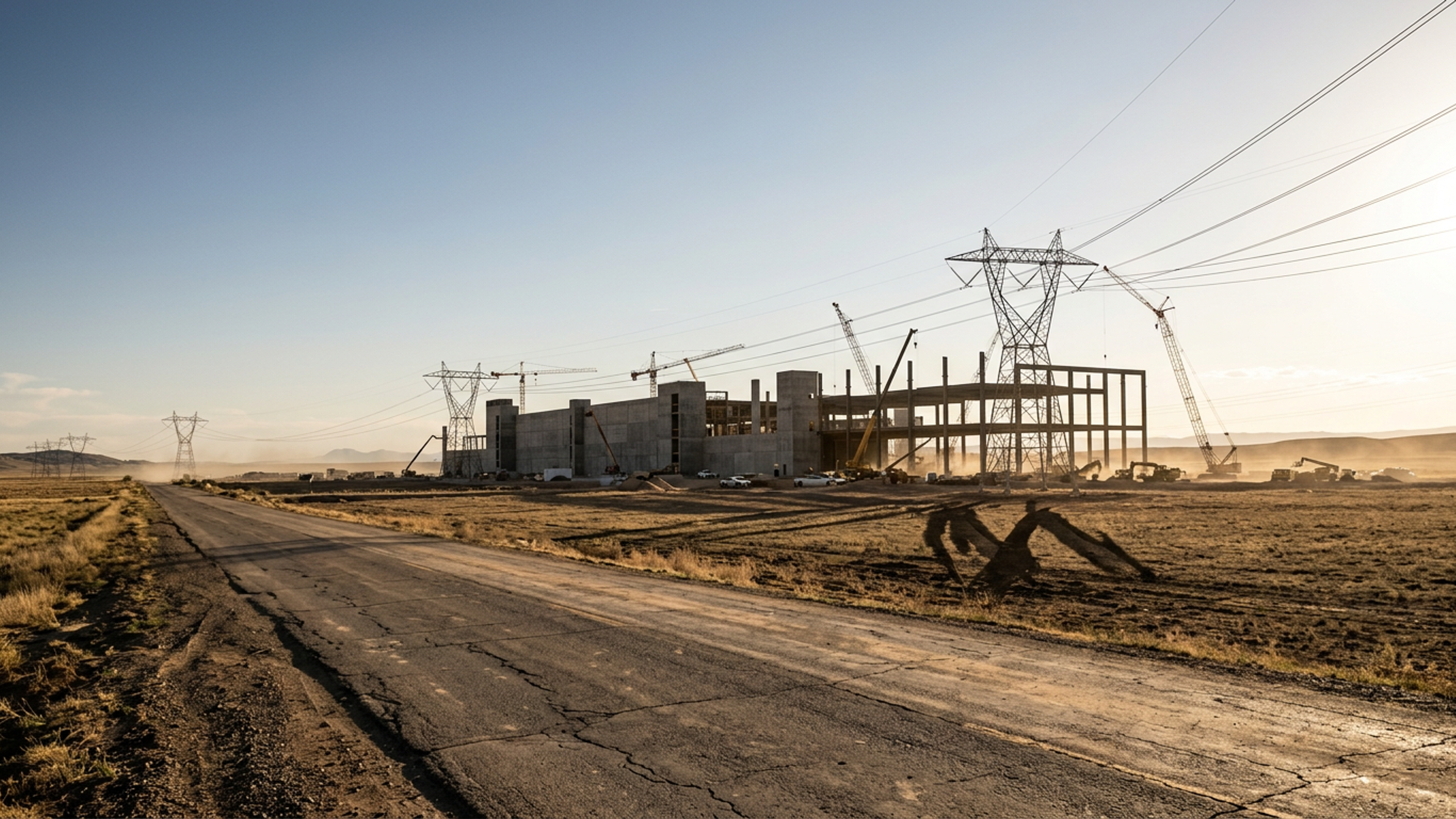
As of 2026, O’Leary expressed an interest in building America’s largest data center in rural Hansel Valley in Box Elder County, Utah. The name is Project Stratos, a vast 40,000-acre investment. O’Leary clarified his interest in the project on X, stating, “This is no longer just about stocks; it's a global race towards AI dominance." As reported by The Verge, the ultimate justification for this lucrative financial venture began in January, when O’leary received the green light from Elder County’s governor Spencer Cox.
The progression of the data center’s construction planning and announcement took place over the course of three months. Last March, O’Leary confirmed the public’s suspicions when he spoke of WestGenCo, the new collaborator in Project Stratos. With O’Leary’s hefty $4 billion investment on the line, he secured a deal with Utah’s Military Installation Development Agency. As of the date, MIDA would receive the lion’s share of the property taxes. The Salt Lake Tribune estimates that the undisclosed tax profits could amount to $49 million annually.
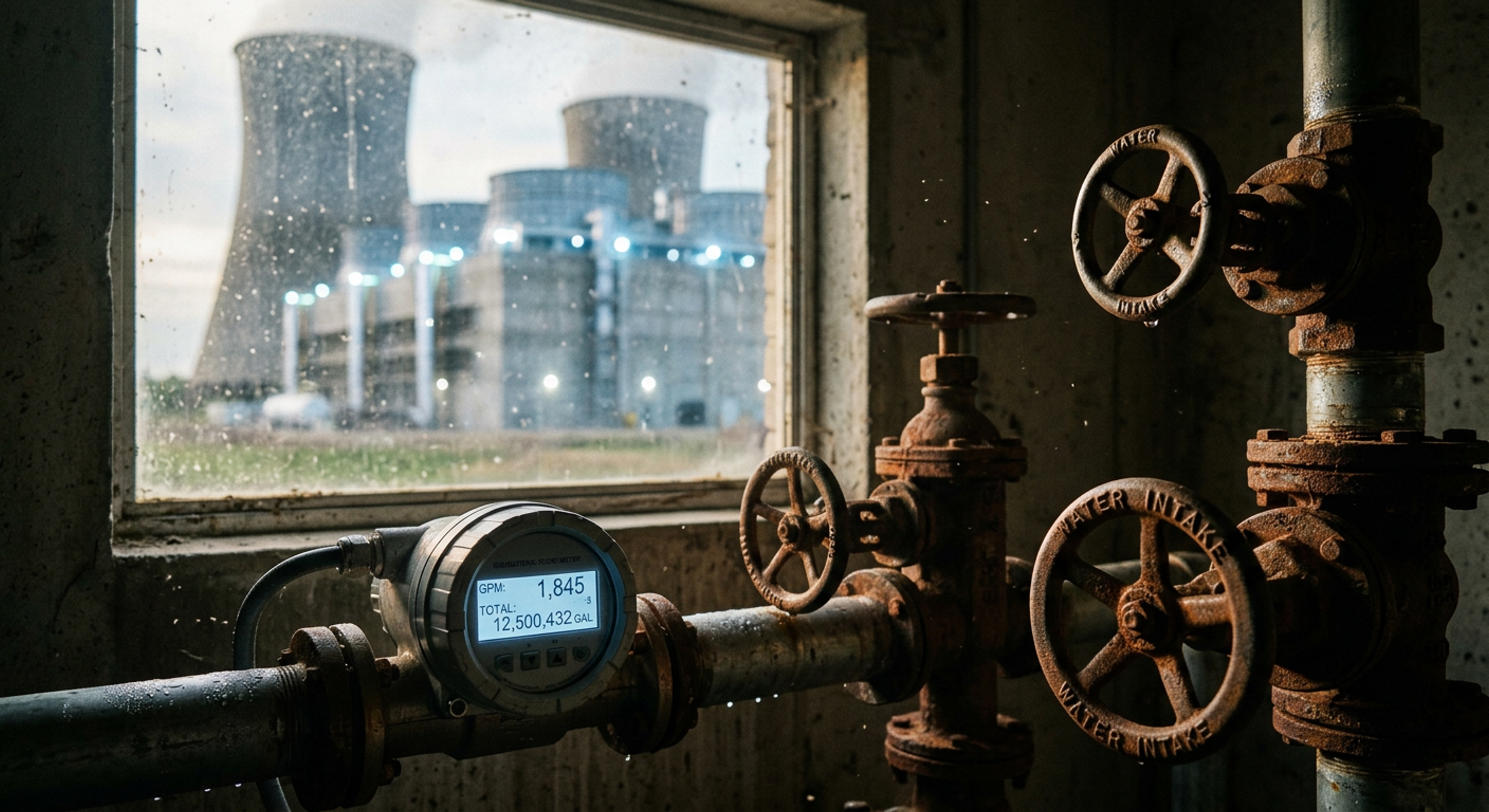
Economic expansion aside, the environmental implications take precedence. The massive water usage, carbon dioxide emissions, and increase in desert temperatures during the day and nighttime are legitimate reasons for concern. A writer for The Verge, by the name of Emma Roth, cited a frightening environmental threat from the Utah “Stratos could consume 448 billion cubic feet of gas per year, about 1.5 times the amount used by homes, businesses, and power plants in the state.” Prior to the controversial approval from Cox, Utah natives have protested relentlessly in an effort to protect the Great Salt Lake’s precious ecosystem and curb the rise in electrical utilities, greenhouse gas emissions, job replacements, and more.

Sudan is facing the world’s worst humanitarian disaster. A devastating civil war has displaced over 11 million people, left 28 million facing acute hunger, and triggered an unprecedented wave of sexual violence used systematically as a weapon of war. Uncover the strategic crisis in El-Obeid, the harrowing UN reports, and how global citizens can take immediate action to demand international accountability and support peaceful resolutions.
Pledge4Peace.org
June 26, 2026
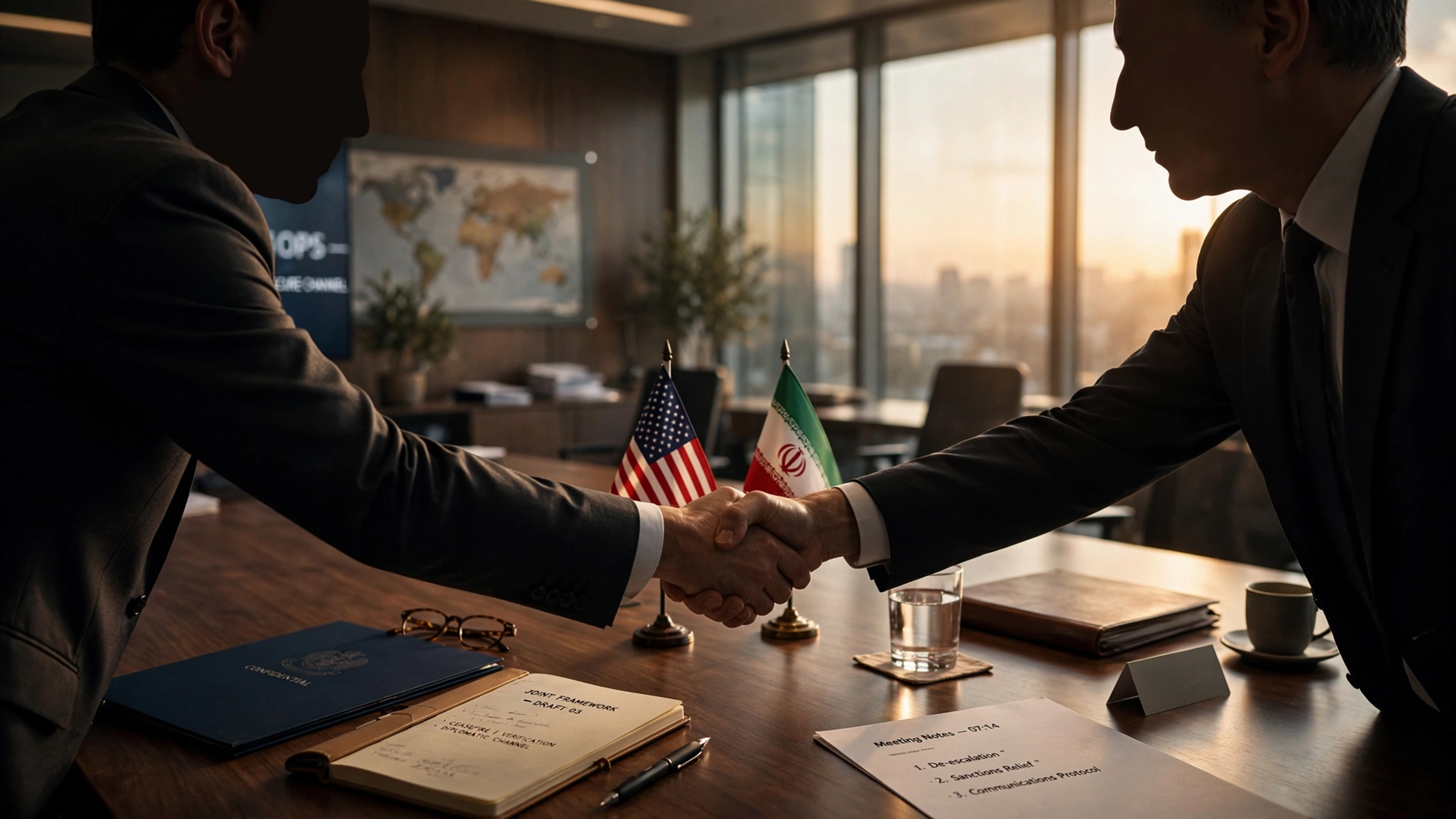
With tensions reaching a critical flashpoint in 2026, the US-Iran war is no longer a localized dispute; it is a global security crisis. While political leaders debate "near-final" deals that remain publicly disputed, millions of civilians bear the brunt of crippling economic sanctions and military escalation. It is time for a permanent, structural framework to secure peace in the Middle East.
Equally important, the most provocative piece of evidence in this story begins with the Trump administration. The majority of Utah citizens did not approve of the construction of the Stratos Project. Yet still, it was not only approved, but the announcement, planning, and implementation took place over the course of only three months. On the other hand, the project will take several years to complete. For this reason, many Utah residents felt cheated once they realized that their vote was not the real determining factor in all of this. Here’s what really happened: the Trump administration ushered in a new executive order as of July 23rd of 2025 that would soon reshape the political landscape in Utah’s state elections in 2026.
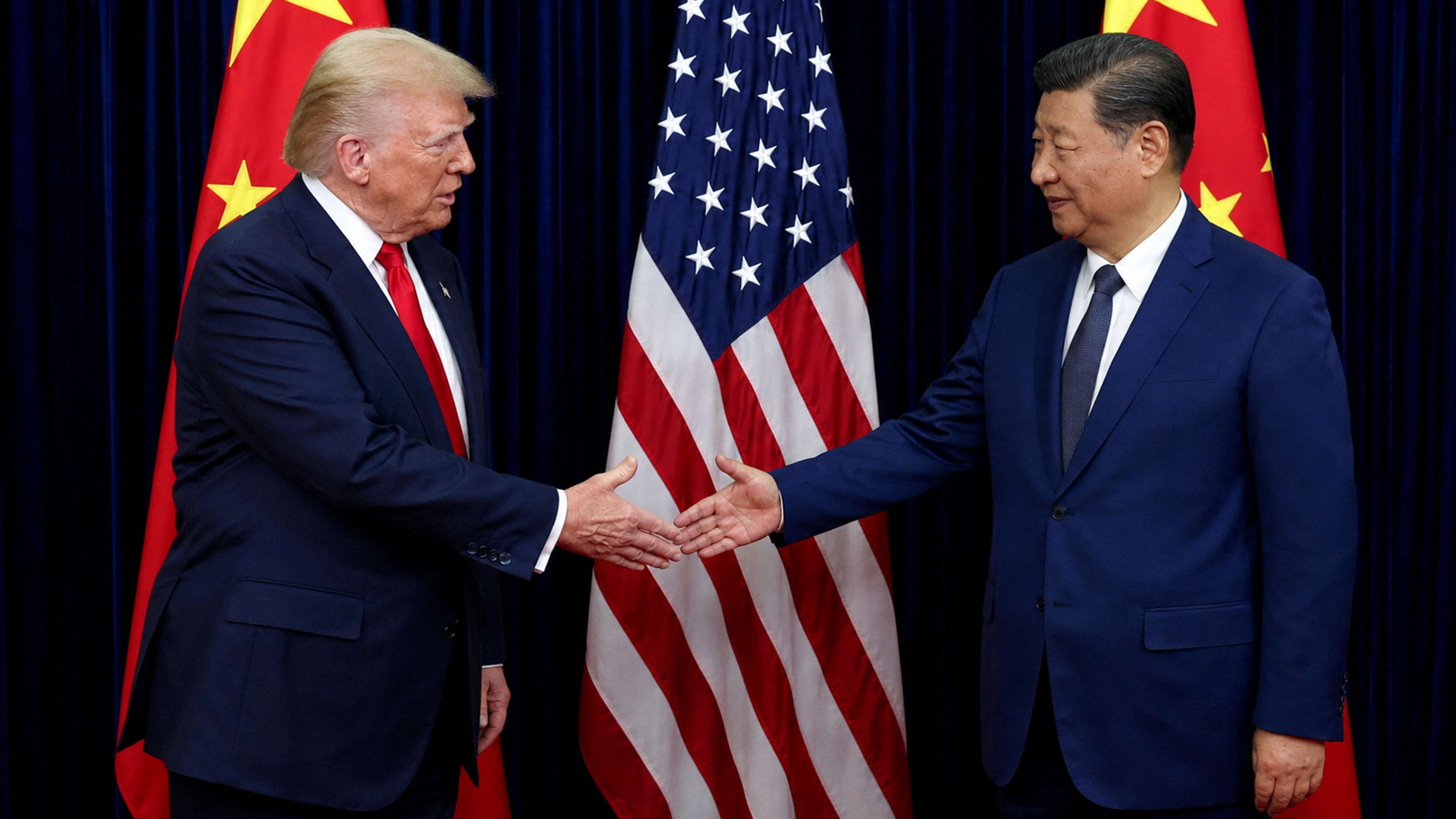
When President Donald Trump issued Executive Order 14318, he clearly articulated his political interest in the expansion of data centers' infrastructural development. As reported by The White House, Trump stated the following: “We will pursue bold, large-scale industrial plans to vault the United States further into the lead on critical manufacturing processes and technologies that are essential to national security, economic prosperity, and scientific leadership. These plans include artificial intelligence (AI) data centers and infrastructure that powers them, including high-voltage transmission lines and other equipment. It will be a priority of my administration to facilitate the rapid and efficient buildout of this infrastructure by easing federal regulatory burdens.” In simpler terms, Kevin O’Leary may have contributed $4 billion to the construction of the Stratos Project, but he had the man in the White House backing him underneath those very specific clauses outlined in Executive Order 14318.
The average Utah resident may not have been aware of these intricate executive orders infringing upon their right to voter representation and prioritization over privately owned corporations. It should be noted, O’Leary’s response to the contentious dialogue has remained the same. He took to X to write his rebuttal stating, “We’re not gonna drain the Great Salt Lake. That’s ridiculous. We are going to create incremental jobs.” The Guardian quoted O’Leary as he stated that protestors are being paid, and they are out-of-state, not Utah natives. The immaculate Stratos construction is projected to take place over the course of several years, yet the consequences for Utah natives and the Great Salt Lake are still up for debate.
Utah citizens may not have the money to combat this kind of infrastructure, but one thing they can employ is their constitutional right to environmental safety, voter representation, occupational opportunity, and economic development.
The Following Organizations Have Successfully Challenged The Development of Data Centers:
Take your stand today. Your active participation promotes the accountability required to provoke the changes society needs from private corporations and failing institutions.
The Next Step: Don't just watch the status quo dictate the future. Shape the solutions. Endorse the global movement for institutional transparency and vote on our active diplomatic campaigns today at: https://pledge4peace.org/campaigns/
Join over 5,000 Peace Activists receiving our weekly briefings.
SUBSCRIBE TO OUR INSIDER BRIEFINGS
Pledge4Peace.org
June 16, 2026