Conflict is rising. Join the movement to create a peaceful future. Sign the Pledge

Conflict is rising. Join the movement to create a peaceful future. Sign the Pledge
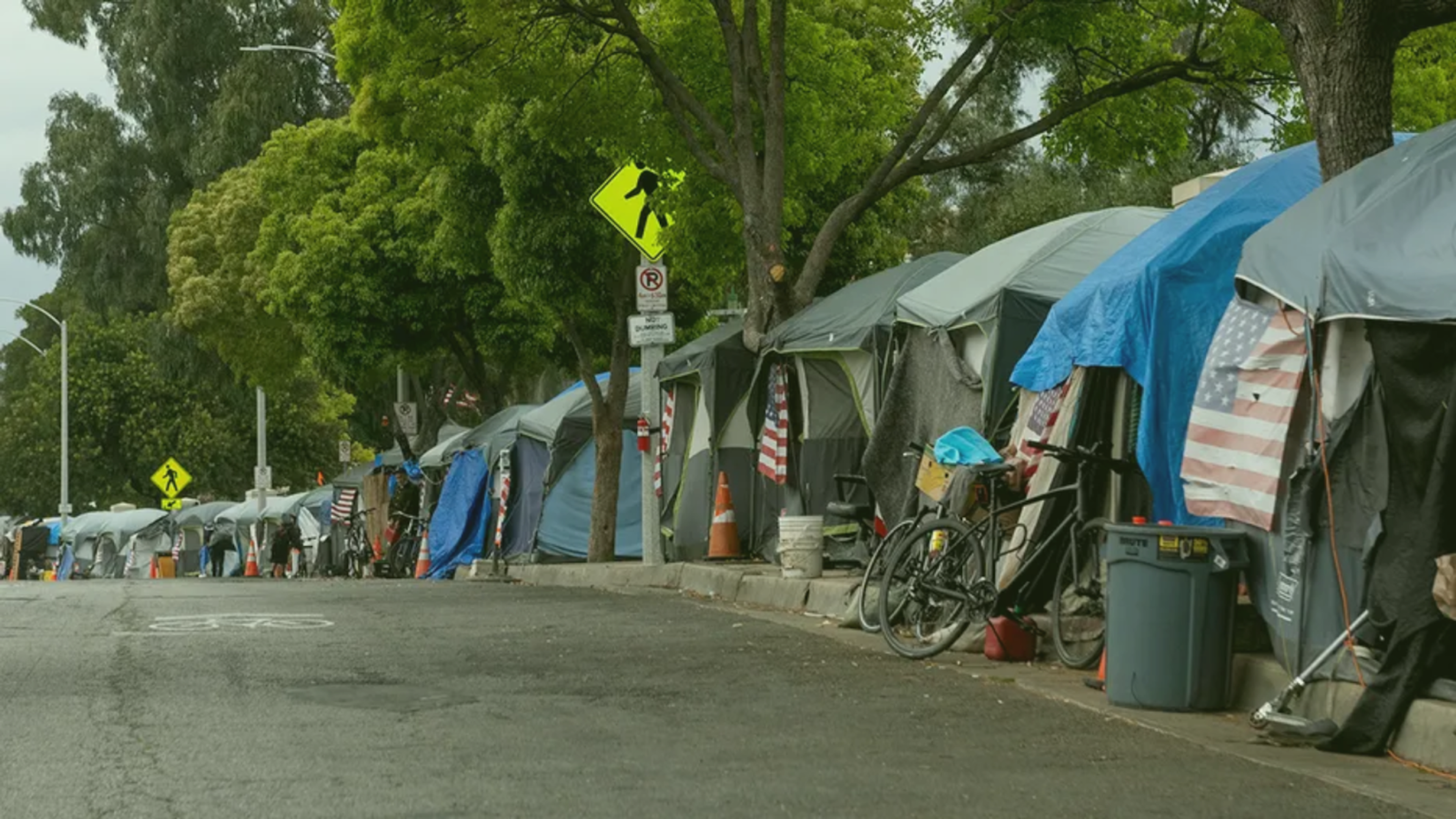

Homelessness in the US has surged to record levels in recent years, driven by a shortage of affordable housing, mental health and addiction issues, and economic shocks. In January 2023, a record 653,104 people experienced homelessness in the US – a 12.1% jump from the year before. Of those, roughly 40% were “unsheltered,” living on the streets or in encampments. These numbers have risen despite efforts to expand shelters and housing; for example, people of color and those with severe rent burdens are disproportionately affected - endhomelessness.org. In many cities homelessness remained steady or even declined slightly – Washington, D.C. saw a 1% drop in its homeless count in 2025 – but the overall trend is alarming.
Key factors fueling the crisis include economic and social pressures. High housing costs and stagnant wages force many families into homelessness, and about half of people on the streets report substance abuse or mental illness as contributing causeshud.gov. As the U.S. struggles to meet demand, experts say the homeless response system is helping more people but can’t keep up with need. The scale of the problem has prompted debates about the best solutions – from housing-first policies to stricter enforcement of public space laws.
Trump’s New Proposal: Sweeps and Relocation
In early August 2025, President Donald Trump announced a dramatic new approach to homelessness in the nation’s capital. He declared a “public safety emergency” in Washington, D.C., federalized the city’s police, and ordered a crackdown on homeless encampments around the capital. At a press conference, Trump said that remaining homeless camps would be cleared out and that people living there “will have to leave immediately.” He stated on social media: . In other words, the administration would relocate homeless individuals out of Washington.
The White House explained that local and federal agencies would enforce existing anti-encampment laws, offering people the option of entering shelters or receiving addiction and mental health services. However, officials warned that those who refuse help or removal “will be susceptible to fines or to jail time.” This echoed Trump’s theme of “tough on crime, tough on vagrancy,” as his new executive order aimed to tie homelessness to public safety. For example, HUD Secretary Scott Turner praised the shift away from “housing first” policies, arguing that addressing mental illness and addiction is crucial to ending- homelessnesshud.govhud.gov
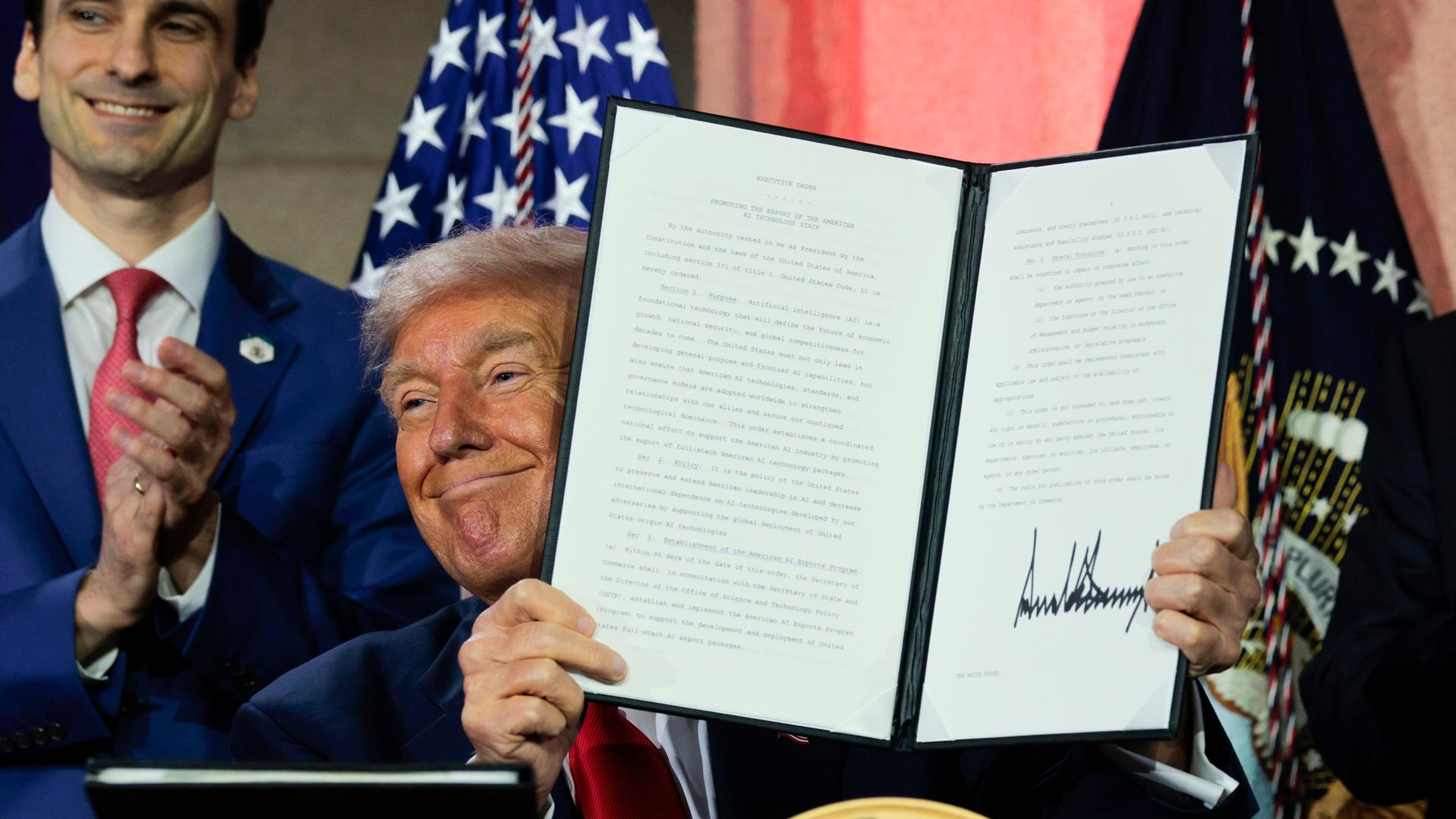
President Trump displays a signed executive order relating to his AI Action Plan on July 23, 2025. Photo: Chip Somodevilla/Getty Images.
Amidst city sweeps, activists make a point with protest signs: “Being homeless is not a crime.” Advocates criticize Trump’s plan as targeting vulnerable people without sustainable solutions. They note that data consistently shows homeless individuals are often victims, not criminals – many suffer mental illness or addiction that drove them onto the streets. In fact, crime in D.C. has been falling: total violent crime dropped 35% in 2024 (a 30-year low) - theguardian.com – undermining claims that homelessness is causing rampant lawlessness. Critics argue that simply clearing encampments and moving people elsewhere displaces the problem rather than solving it. As one observer put it, such sweeps “target vulnerable people” instead of offering stable housing or jobs.
Key Points of Trump’s Plan
Debate and Alternatives
The president’s new homeless policy has sparked fierce debate. Advocates for the homeless warn that criminalizing homelessness only deepens suffering. Research shows that without affordable housing and support, people will repeatedly fall back into homelessness. Experts emphasize “housing first” solutions and community services rather than punitive measures. For example, Stanford’s homelessness institute notes that getting people sheltered and connected to care is far more effective than clearing camps.
Others have questioned the need for a crackdown at all. Local officials report that crime is down in many cities: Los Angeles, Chicago and Baltimore are experiencing declines similar to D.C.’s. They accuse the administration of “fear mongering” about violence on the streets. DC Mayor Bowser has said that portraying the city as a war zone because of the homeless is “hyperbolic and false.” Instead, she and other leaders argue for targeted interventions: increasing shelter capacity, expanding rental assistance, and providing substance abuse treatment. Nonprofit groups are urging Congress to invest in homelessness programs – warning that Trump’s 2026 HUD budget proposal cuts would undermine efforts to identify and help people in crisis.
Criticisms & Concerns
Compassion and Unity: Ending Hate
As the nation grapples with homelessness, many voices urge compassion over conflict. Our campaign No Hate in the USA emphasizes that homelessness is not a crime, and that hate and discrimination only worsen social problems. The No Hate movement is a national effort for Americans and citizens of the world to stand together for dignity, justice, and peace for all. Instead of dividing communities by blame, we can come together with humane policies: affordable housing, mental health and addiction services, and support for families at risk.
Joining our community pledge means rejecting cruelty and racism at all levels. Every individual deserves safe shelter and respect, regardless of background. By taking a stand against hate, we help ensure that solutions to homelessness are inclusive and fair.
Our No Hate in the USA campaign invites you to be part of this solution. This national movement empowers citizens to speak out against hate, bigotry and discrimination in our communities We can address homelessness with empathy – pushing for policies that help people get back on their feet rather than treating them as enemies. To join this effort, vote now on our No Hate in the USA campaign and pledge to defend the dignity of every person. Your action counts: stand up for peace and unity today.
How You Can Help
By coming together, we can turn debates into dialogue, and fear into compassion. Let’s solve the homeless crisis without resorting to hate.