Conflict is rising. Join the movement to create a peaceful future. Sign the Pledge

Conflict is rising. Join the movement to create a peaceful future. Sign the Pledge
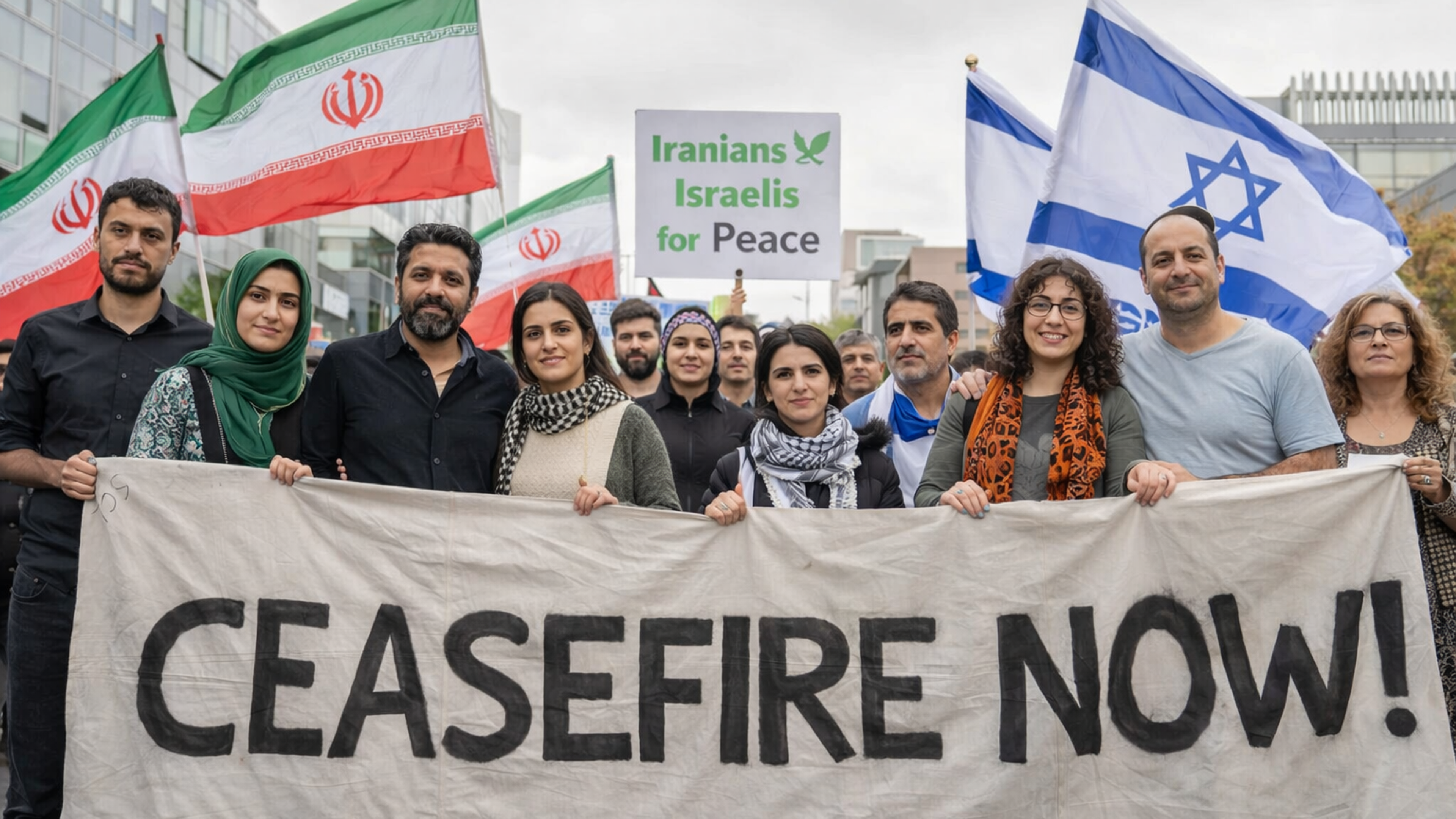

The conflict surrounding Iran entered a new and volatile phase in early 2026 following the death of Iran’s long-time Supreme Leader, Ayatollah Ali Khamenei.
Khamenei, who had ruled Iran since 1989, was killed in a series of airstrikes on Tehran during the widening Iran war.
Shortly afterward, Iran’s leadership structure moved quickly to appoint a successor.
The country’s Assembly of Experts selected Mojtaba Khamenei, the son of the late leader, as the new Supreme Leader of Iran.
The position of Supreme Leader is the most powerful role in Iran’s political system. The leader holds ultimate authority over:
This transition happened while the region was already facing an expanding military confrontation.
At the same time Iran’s new leadership was consolidating power, missile and drone strikes linked to the conflict began targeting infrastructure across Gulf countries.
These overlapping developments have raised serious concerns about regional stability.
Since the escalation of the 2026 Iran war, Iranian forces have launched hundreds of missiles and thousands of drones as part of retaliatory operations across the region.
Several Gulf countries have reported impacts or attempted strikes on infrastructure, including energy facilities, ports, and airports.
In the United Arab Emirates, ballistic missiles and drones targeted military bases and strategic locations. Air defenses intercepted many of them, but debris from intercepted missiles still caused damage in civilian areas of Abu Dhabi and Dubai.
In Oman, drone strikes targeted the Port of Duqm and the Port of Salalah. Tankers were also attacked near Muscat, leaving crew members injured and one dead.
Saudi Arabia has also reported drone and missile strikes, including attacks affecting the Ras Tanura oil refinery and locations in Riyadh.
While many projectiles were intercepted, the attacks highlight the vulnerability of regional infrastructure during periods of conflict.
The Gulf region is one of the most strategically important energy hubs in the world.
Countries along the Persian Gulf produce and export a significant share of the world’s oil and natural gas. Key shipping routes such as the Strait of Hormuz carry enormous volumes of global energy supplies.
Disruptions to ports, refineries, or energy facilities can have immediate global consequences.
Infrastructure strikes can lead to energy price volatility, shipping disruptions, environmental risks, and threats to civilian communities near industrial zones.
Even when military targets are the intended objective, nearby populations often face the consequences.
The attacks therefore represent more than regional military incidents. They affect global economic stability.
Leadership transitions during wartime are historically unpredictable moments.
With Mojtaba Khamenei now serving as Iran’s supreme leader, analysts are closely watching how the country’s strategy may evolve.
At the same time, military escalation risks drawing additional countries into the conflict.
The decisions made by Iran’s leadership in the coming months could influence whether tensions continue to rise or whether diplomatic channels begin to open.
The current conflict is no longer confined to a single battlefield.
Missile launches, drone strikes, and retaliatory operations have already reached multiple countries in the region.
Regional conflicts can expand quickly when several factors align military alliances, foreign military bases, shared energy infrastructure, and maritime trade routes.
Because many Gulf countries host international military facilities, any escalation carries the risk of involving additional global powers.
History shows that regional wars can begin with limited strikes and gradually widen.
Preventing this expansion requires sustained diplomatic engagement.
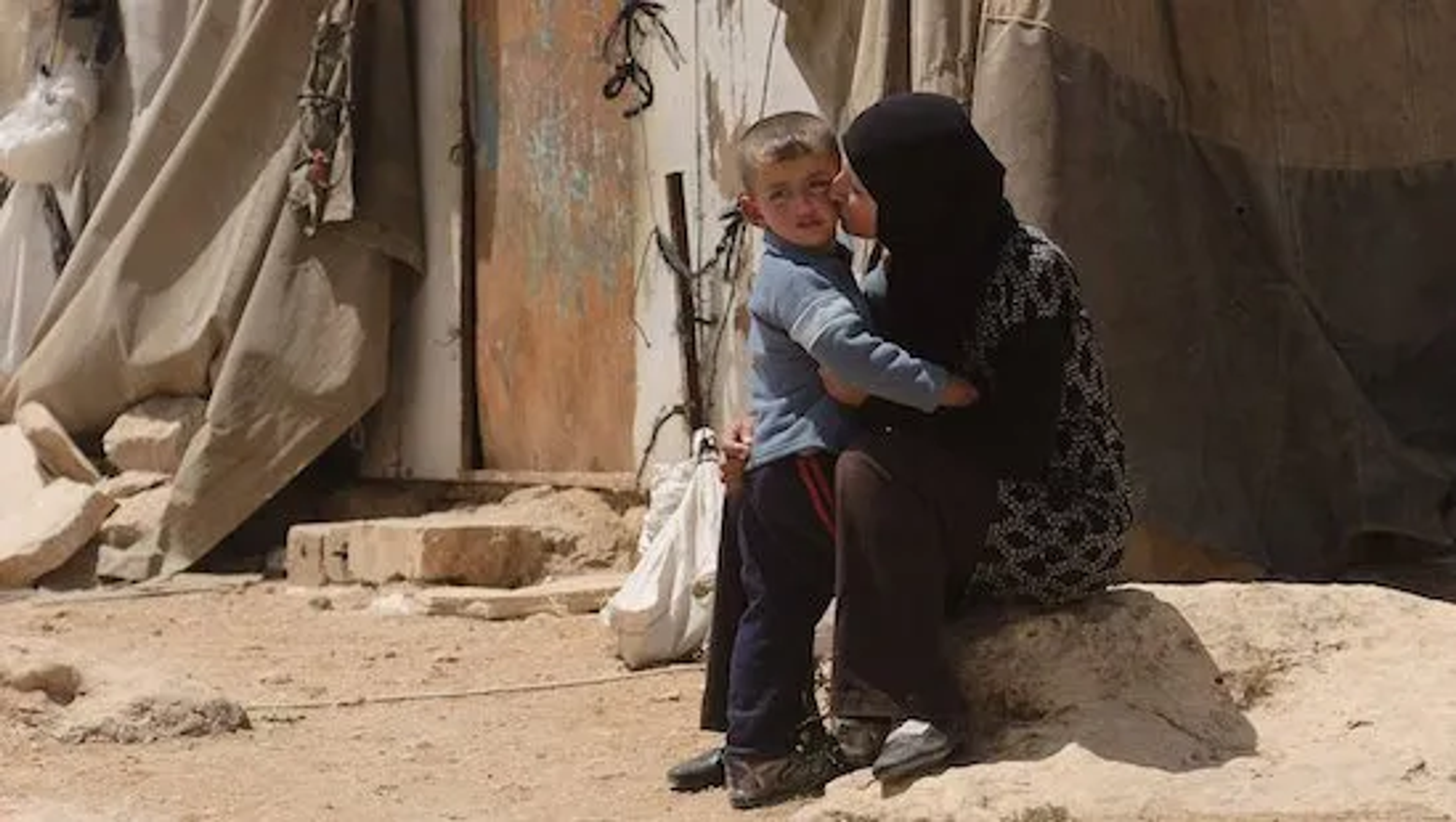
Even when attacks focus on infrastructure or military targets, civilians often experience the consequences.
Air defense interceptions can cause falling debris. Explosions near industrial facilities can threaten nearby communities.
Infrastructure damage can disrupt essential services including electricity, fuel distribution, and transportation.
The United Nations and humanitarian organizations consistently warn that when wars reach urban or industrial areas, civilian populations face the greatest risk.
Protecting civilians therefore remains a central concern in any conflict.
Military escalation rarely produces lasting security.
Long-term stability typically emerges through negotiation, dialogue, and international mediation.
Diplomatic frameworks can help reduce tensions through ceasefire agreements, de-escalation mechanisms, humanitarian coordination, and regional security arrangements.
Even during periods of active conflict, diplomacy often continues behind the scenes.
History shows that sustained negotiation efforts frequently begin while fighting is still ongoing.
The alternative is continued escalation with unpredictable consequences.
Also, conflicts that disappear from public attention often persist longer.
When global audiences remain aware of humanitarian risks and advocate for peaceful solutions, governments face greater pressure to pursue diplomacy.
Civil society organizations, journalists, researchers, and advocacy platforms all contribute to maintaining that awareness.
In the digital age, citizens have more opportunities than ever to participate in peace advocacy.
Public engagement sends a clear message that the global community values diplomacy over war.
Rising tensions in the Middle East affect millions of people and carry global consequences.
Creating awareness, supporting diplomacy, and advocating for peaceful solutions are essential steps toward preventing further escalation.
If you believe dialogue and diplomacy should replace war, you can add your voice to peace initiatives addressing conflicts around the world.
Vote for peace-focused campaigns here: https://pledge4peace.org/campaigns
Peace is built when people insist that dialogue matters more than destruction.
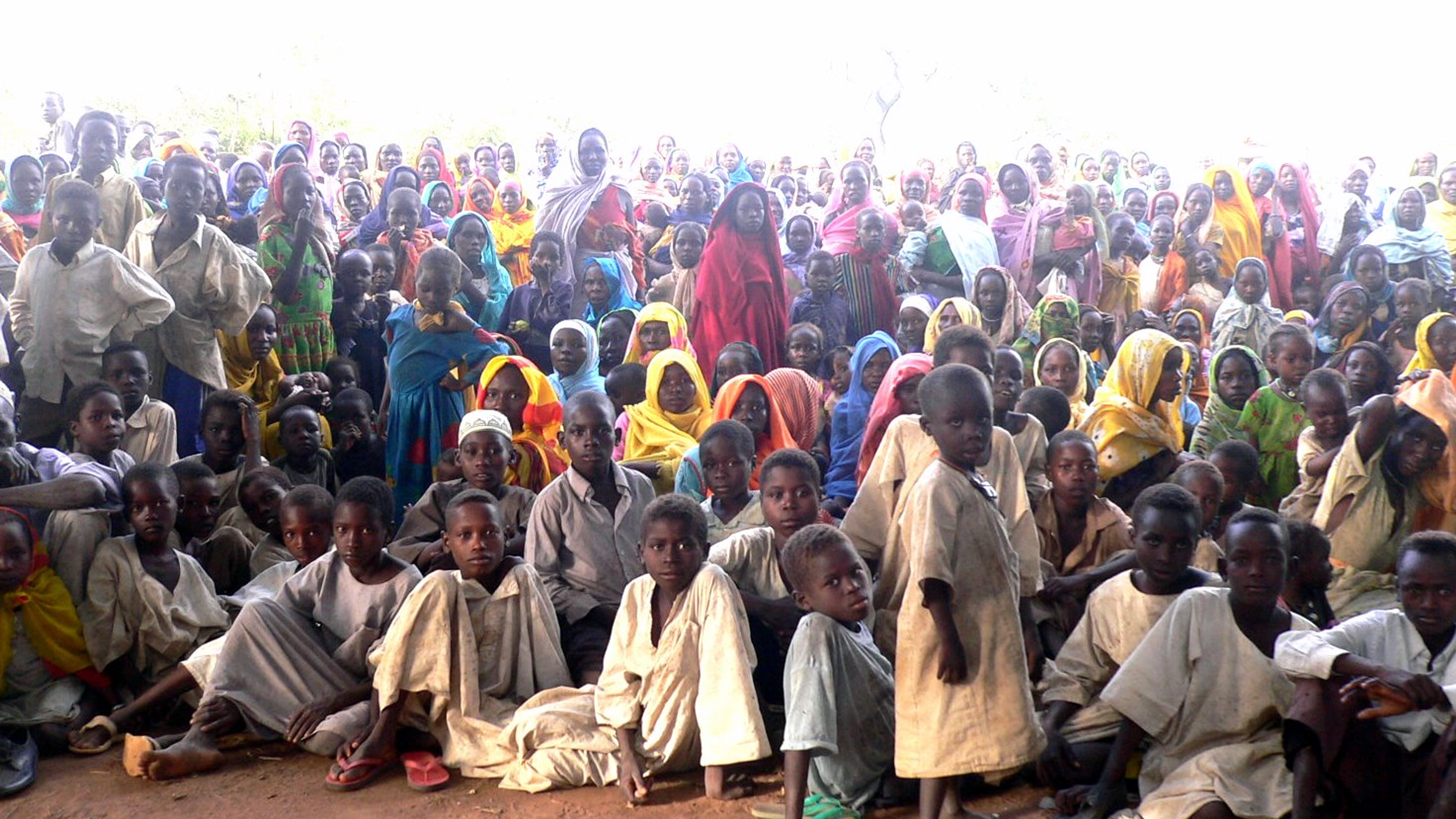
Sudan is facing the world’s worst humanitarian disaster. A devastating civil war has displaced over 11 million people, left 28 million facing acute hunger, and triggered an unprecedented wave of sexual violence used systematically as a weapon of war. Uncover the strategic crisis in El-Obeid, the harrowing UN reports, and how global citizens can take immediate action to demand international accountability and support peaceful resolutions.
Pledge4Peace.org
June 26, 2026
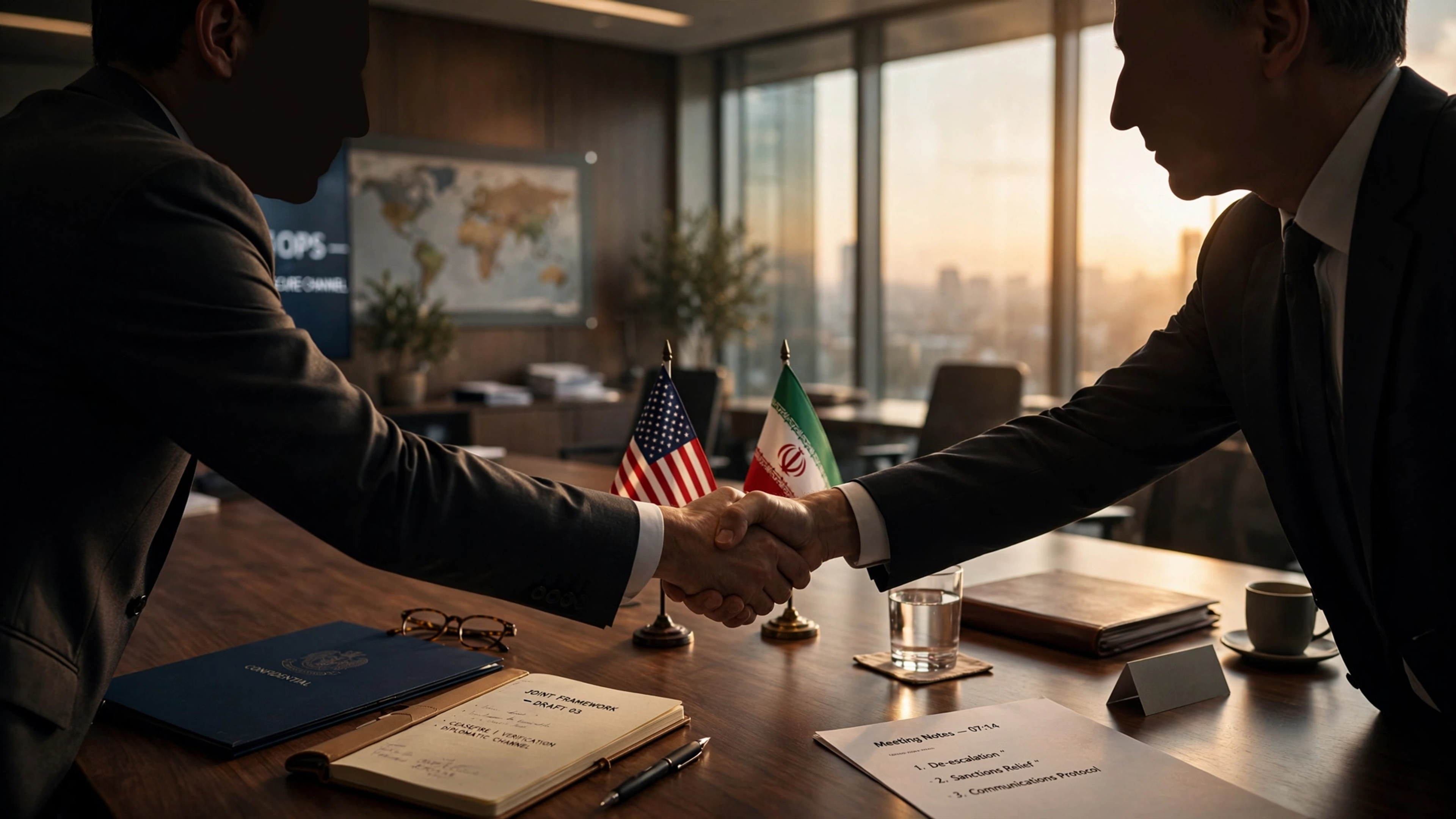
With tensions reaching a critical flashpoint in 2026, the US-Iran war is no longer a localized dispute; it is a global security crisis. While political leaders debate "near-final" deals that remain publicly disputed, millions of civilians bear the brunt of crippling economic sanctions and military escalation. It is time for a permanent, structural framework to secure peace in the Middle East.
Pledge4Peace.org
June 16, 2026
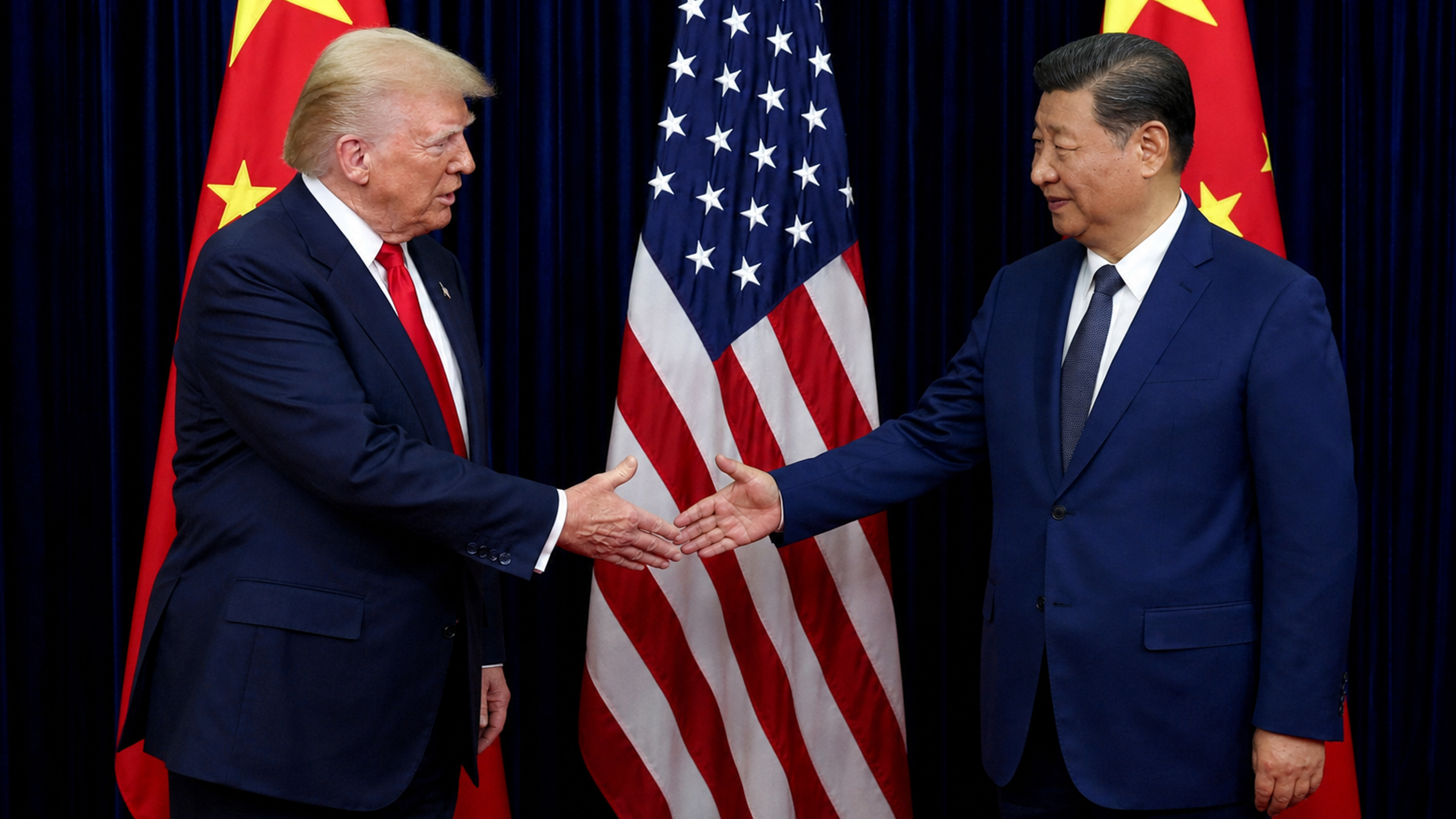
During the highly anticipated May 2026 Beijing Summit, U.S. President Donald Trump made a direct appeal to Chinese President Xi Jinping: leverage Beijing’s immense economic and political influence over Moscow to force an end to the five-year war in Ukraine. But is a Chinese-brokered peace possible?
Pledge4Peace.org
June 4, 2026