Conflict is rising. Join the movement to create a peaceful future. Sign the Pledge

Conflict is rising. Join the movement to create a peaceful future. Sign the Pledge
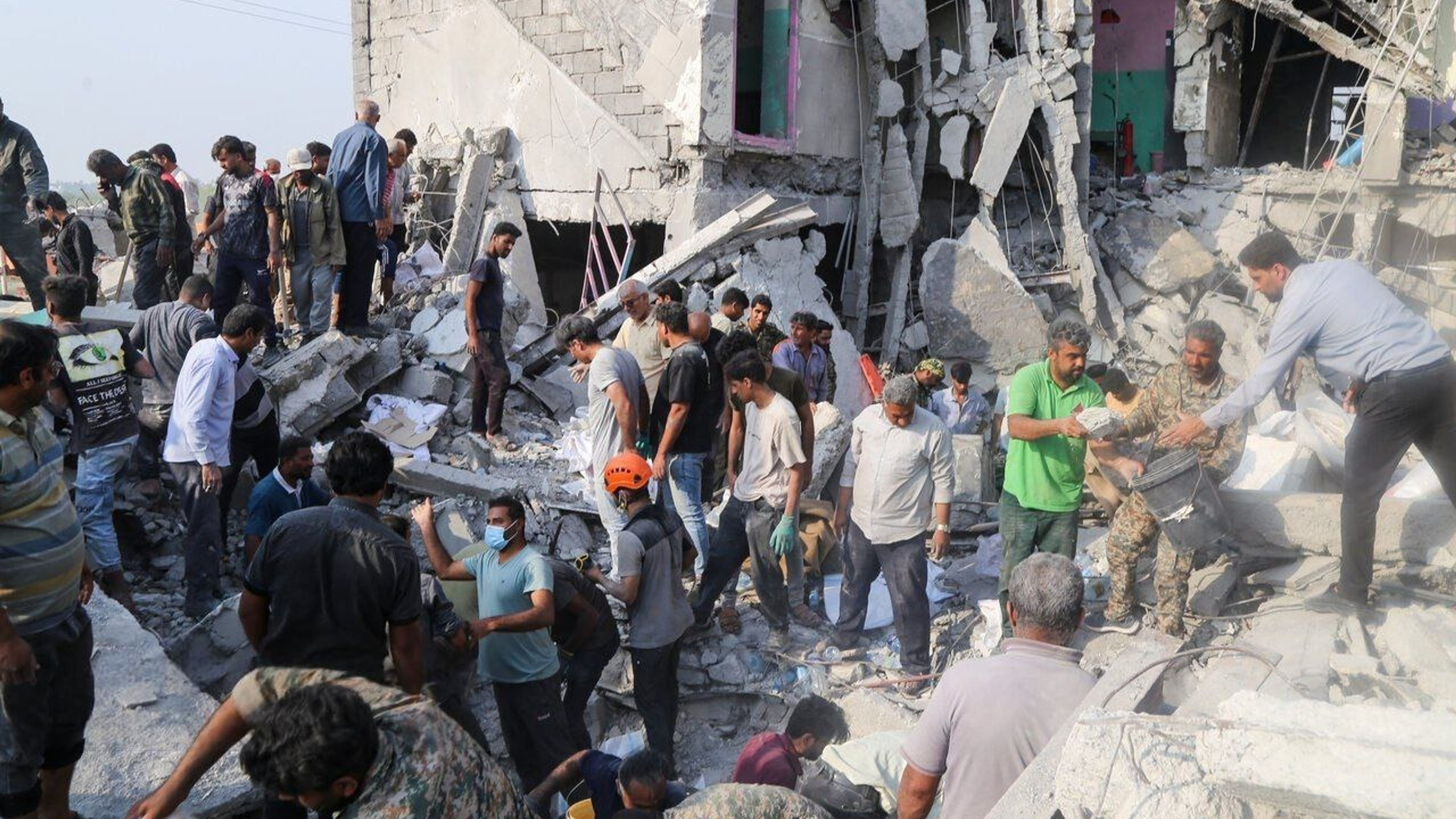

In modern conflicts, headlines often focus on military strategies, territorial control, or political rhetoric. Yet the true cost of war is most clearly seen in the lives of civilians caught in the middle. The Minab school bombing stands as one of the most devastating civilian tragedies linked to the ongoing Iran war. The events resulted in the death of little girls between 7 to 12. Civilians are paying the price for politicians failures.
The tragedy has shaken communities far beyond the immediate region. Images, testimonies, and investigative reconstructions have documented how a place meant for learning and safety became the site of devastating loss. While investigations continue and perspectives differ among parties involved in the broader conflict, the event has become a powerful reminder of why protecting civilians must remain central to any discussion of war.
For peace advocates and policymakers alike, the Minab attack highlights a critical truth: conflicts rarely remain confined to military targets. They inevitably affect families, schools, hospitals, and communities whose only connection to the war is geography.
Before anything else, it is important to remember what a school represents.
A classroom is where children sit with friends, share meals during breaks, and learn the skills they will carry into adulthood. For parents, it is one of the few places where they feel confident their children are safe.
In Minab, that sense of normalcy was shattered.
According to international reporting and humanitarian observers, a bombing struck a school building in the city of Minab, located in Iran’s southern Hormozgan Province. What began as an ordinary school day quickly turned into a scene of chaos and devastation, with students and staff among the victims.
Behind every headline are families whose lives changed in an instant.
The reconstructions of the events illustrate a painful reality of modern conflict: when military operations intersect with populated areas, civilian spaces can become battlefields in seconds.
Events like the Minab school bombing are especially devastating because they strike one of the most protected environments under international law. Schools are recognized as civilian infrastructure and should be shielded from attack under the principles of the Geneva Conventions.
The consequences extend far beyond the immediate casualties. Families are left grieving, communities experience collective trauma, and surviving children may carry psychological scars that last for years.
Civilian harm has become one of the defining characteristics of contemporary conflicts. According to the United Nations, civilians account for a large proportion of casualties in many modern wars, particularly when fighting occurs near populated areas.
Schools are especially vulnerable.
UNESCO estimates that thousands of schools worldwide have been damaged or destroyed during conflicts over the past decade. Attacks on education disrupt learning, destabilize communities, and undermine long-term development.
The consequences are not only immediate. Children who lose access to education due to conflict face increased risks of poverty, displacement, and exploitation. Entire generations can be affected by the long-term impact of disrupted schooling.
Humanitarian organizations consistently emphasize that protecting education is essential for stabilizing societies during conflict. Schools provide more than academic instruction; they offer safety, community support, and psychological structure during times of crisis.
When schools become targets or collateral damage, the effects ripple across entire regions.
International humanitarian law is designed to prevent exactly these kinds of tragedies. The Geneva Conventions establish clear principles governing armed conflict, including the obligation to distinguish between military targets and civilian infrastructure.
Under these principles, attacks must respect the rules of distinction, proportionality, and precaution. Combatants are required to avoid targeting civilians and to take steps to minimize harm to noncombatants.
Yet despite these legal frameworks, violations continue to occur in conflicts around the world.
Human rights organizations frequently document incidents in which civilian infrastructure, including schools and hospitals, becomes entangled in military operations. In many cases, investigations and accountability processes take years.
The Minab school bombing underscores how fragile these protections can be when wars escalate or when military actions occur near populated areas.
It also reinforces the need for sustained international attention to civilian protection.
Public awareness plays a significant role in shaping how conflicts evolve. When the global community pays attention to civilian harm, governments and international institutions face stronger pressure to uphold humanitarian norms.
This is particularly important in conflicts involving multiple narratives and competing claims. Responsible awareness does not mean immediately assigning blame. It means examining facts carefully, listening to different perspectives, and insisting that civilian lives remain the highest priority.
History shows that sustained public engagement can influence diplomatic pathways. Advocacy movements have often helped push governments toward ceasefires, humanitarian corridors, or negotiations.
The visibility of civilian suffering can shift the conversation from battlefield dynamics to human consequences.
In this way, awareness becomes a form of accountability.
Conflicts are rarely simple. They involve historical grievances, political disputes, security concerns, and competing interpretations of events.
Responsible advocacy requires understanding these complexities.
Listening to multiple perspectives allows observers to distinguish between verified facts and political narratives. It also helps prevent the dehumanization that often accompanies prolonged conflict.
When people reduce conflicts to simplified narratives, opportunities for dialogue become more limited. Sustainable peace requires acknowledging the fears, grievances, and aspirations of all communities involved.
This approach does not excuse violence against civilians. Rather, it reinforces the principle that lasting peace must address the concerns of everyone affected by the conflict.
Civil society plays an increasingly important role in modern peacebuilding efforts. Grassroots organizations, advocacy groups, and international coalitions often help keep attention focused on humanitarian consequences when political negotiations stall.
Platforms that allow citizens to participate in peace-oriented initiatives can amplify this engagement.
Public participation sends a signal that global audiences expect accountability, diplomacy, and civilian protection to remain priorities. When large numbers of people advocate for peaceful solutions, leaders face stronger incentives to pursue negotiation rather than escalation.
In the digital age, awareness campaigns and civic participation tools have expanded the ability of individuals to contribute to these efforts.
The Minab school bombing is a tragedy that cannot be undone. Families and communities will carry the consequences for years to come.
Yet moments like this can also serve as catalysts for renewed commitment to peace.
History shows that even deeply entrenched conflicts can eventually move toward negotiation when the human cost becomes impossible to ignore. Diplomatic progress often begins when both regional leaders and the international community recognize that continued violence produces no lasting security.
Peace requires difficult conversations, compromise, and sustained international engagement. It also requires public support for diplomatic solutions.
Without that support, the momentum of war can continue indefinitely.
The Iranian Red Crescent Society has been the primary local responder. Its emergency teams conducted search-and-rescue operations immediately after the bombing and helped transport injured victims to nearby medical facilities.
The UNICEF has assessed the needs of affected children and families and has indicated that it is prepared to scale up humanitarian support. UNICEF typically provides medical assistance, safe water, emergency supplies, and psychological support for children impacted by crises.
The International Committee of the Red Cross is coordinating with the Iranian Red Crescent to ensure humanitarian protections under the Geneva Conventions are respected. The organization works to ensure medical teams can reach affected areas and that victims receive necessary treatment.
Another organization working in the region is the Norwegian Refugee Council, which focuses on protecting civilians affected by conflict and supporting education programs. However, military activity across the region has made aid delivery increasingly challenging.
Despite these difficulties, humanitarian workers continue to operate under extremely difficult conditions to provide assistance where it is most needed.
Events like the Minab school bombing remind the world why civilian protection must remain central to discussions about conflict.
Educating ourselves about the realities of war, listening to all perspectives involved, and advocating for peaceful solutions are essential steps toward preventing further tragedies.
If you believe civilian lives must come before geopolitical rivalry, you can help create awareness and support peace-centered initiatives.
Participate in the global campaign supporting diplomacy, democratic stability, and peaceful solutions for Israelis and Palestinians: https://pledge4peace.org/campaigns/create-permanent-peace-and-strengthen-democracies-in-israel-and-palestine
Donate to the Middle East Crisis Relief Fund here: https://www.globalgiving.org/projects/middle-east-crisis-relief-fund/
Peace begins when people refuse to treat war as inevitable.
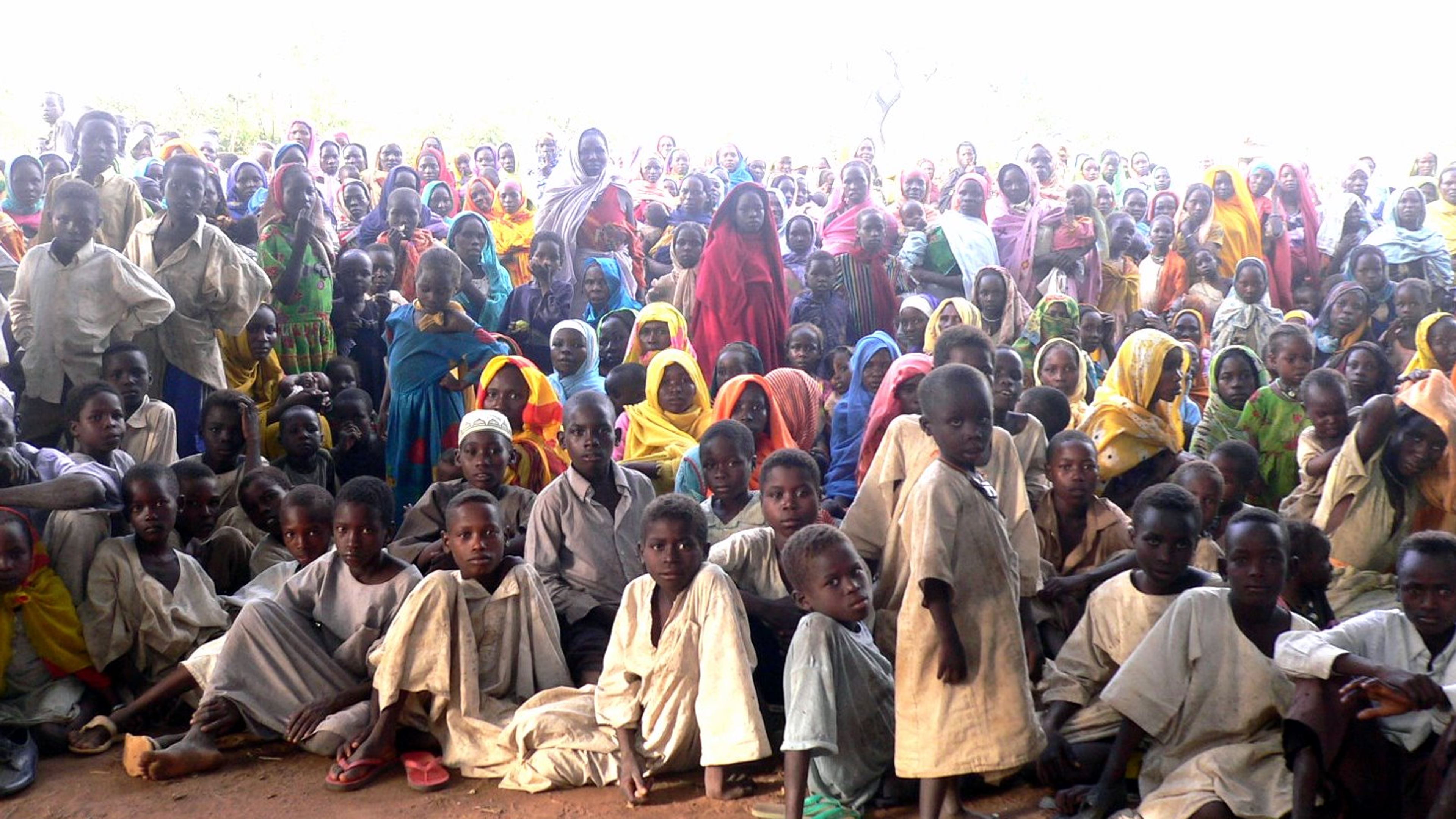
Sudan is facing the world’s worst humanitarian disaster. A devastating civil war has displaced over 11 million people, left 28 million facing acute hunger, and triggered an unprecedented wave of sexual violence used systematically as a weapon of war. Uncover the strategic crisis in El-Obeid, the harrowing UN reports, and how global citizens can take immediate action to demand international accountability and support peaceful resolutions.
Pledge4Peace.org
June 26, 2026
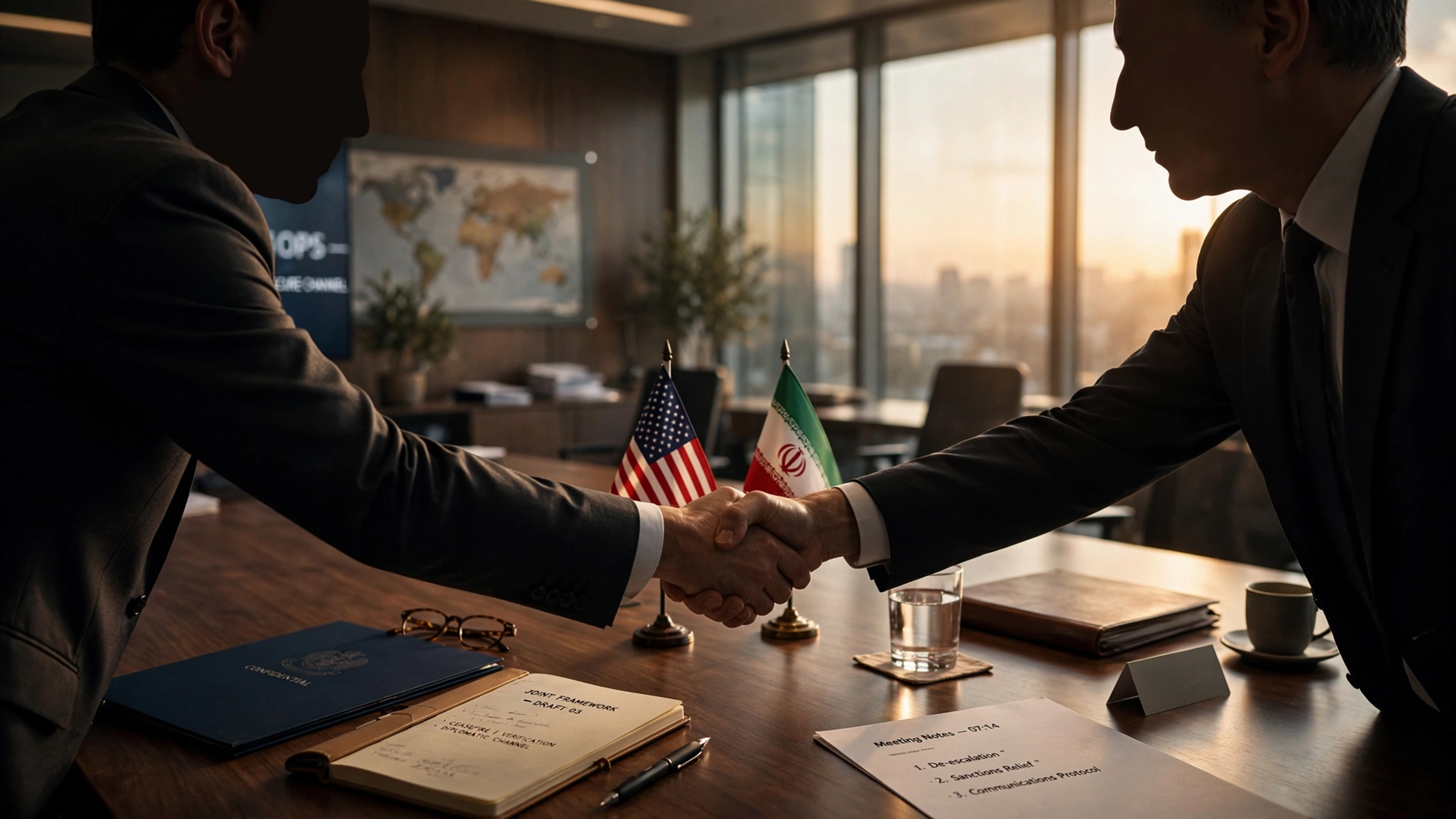
With tensions reaching a critical flashpoint in 2026, the US-Iran war is no longer a localized dispute; it is a global security crisis. While political leaders debate "near-final" deals that remain publicly disputed, millions of civilians bear the brunt of crippling economic sanctions and military escalation. It is time for a permanent, structural framework to secure peace in the Middle East.
Pledge4Peace.org
June 16, 2026
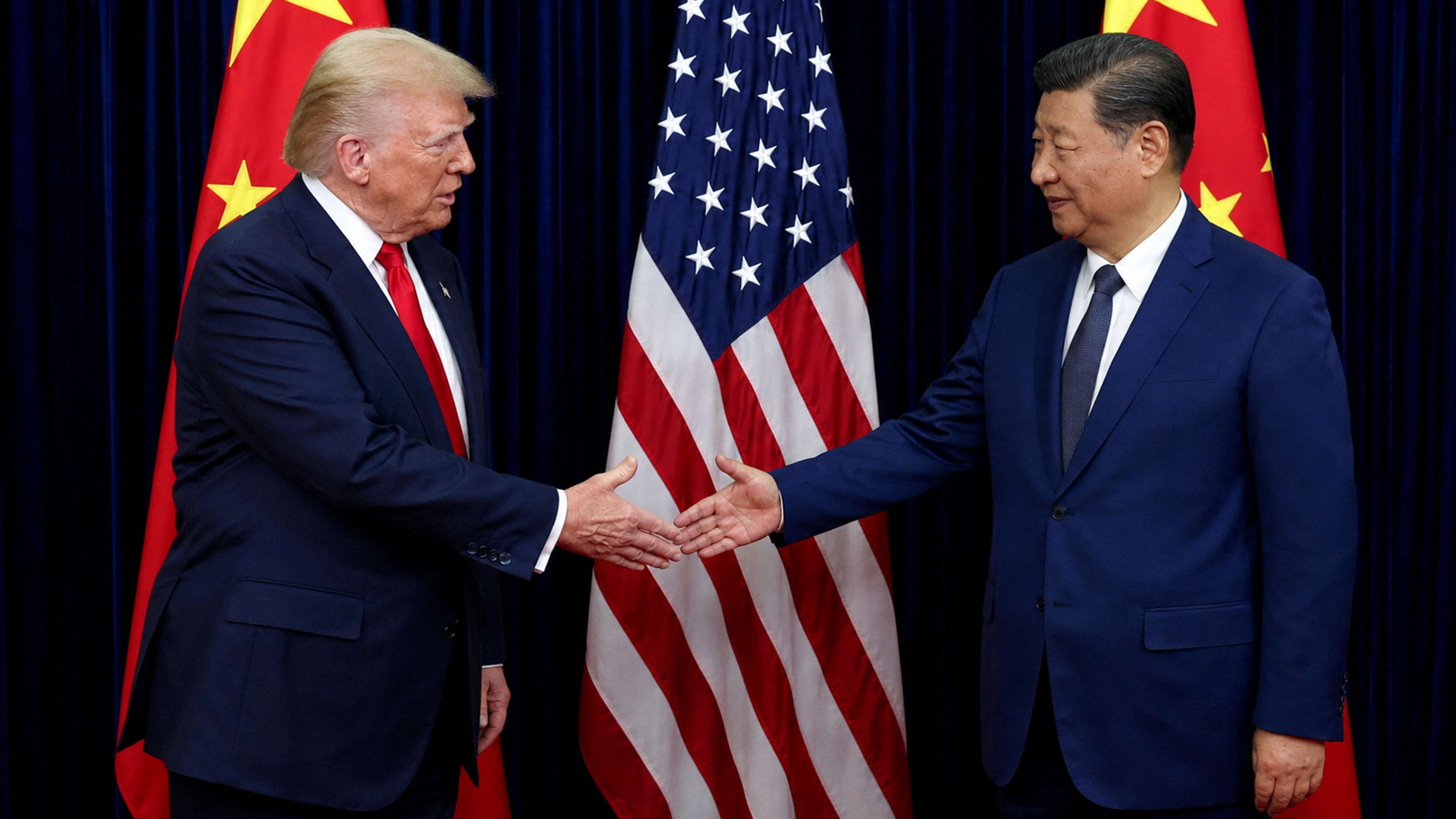
During the highly anticipated May 2026 Beijing Summit, U.S. President Donald Trump made a direct appeal to Chinese President Xi Jinping: leverage Beijing’s immense economic and political influence over Moscow to force an end to the five-year war in Ukraine. But is a Chinese-brokered peace possible?
Pledge4Peace.org
June 4, 2026