Conflict is rising. Join the movement to create a peaceful future. Sign the Pledge

Conflict is rising. Join the movement to create a peaceful future. Sign the Pledge
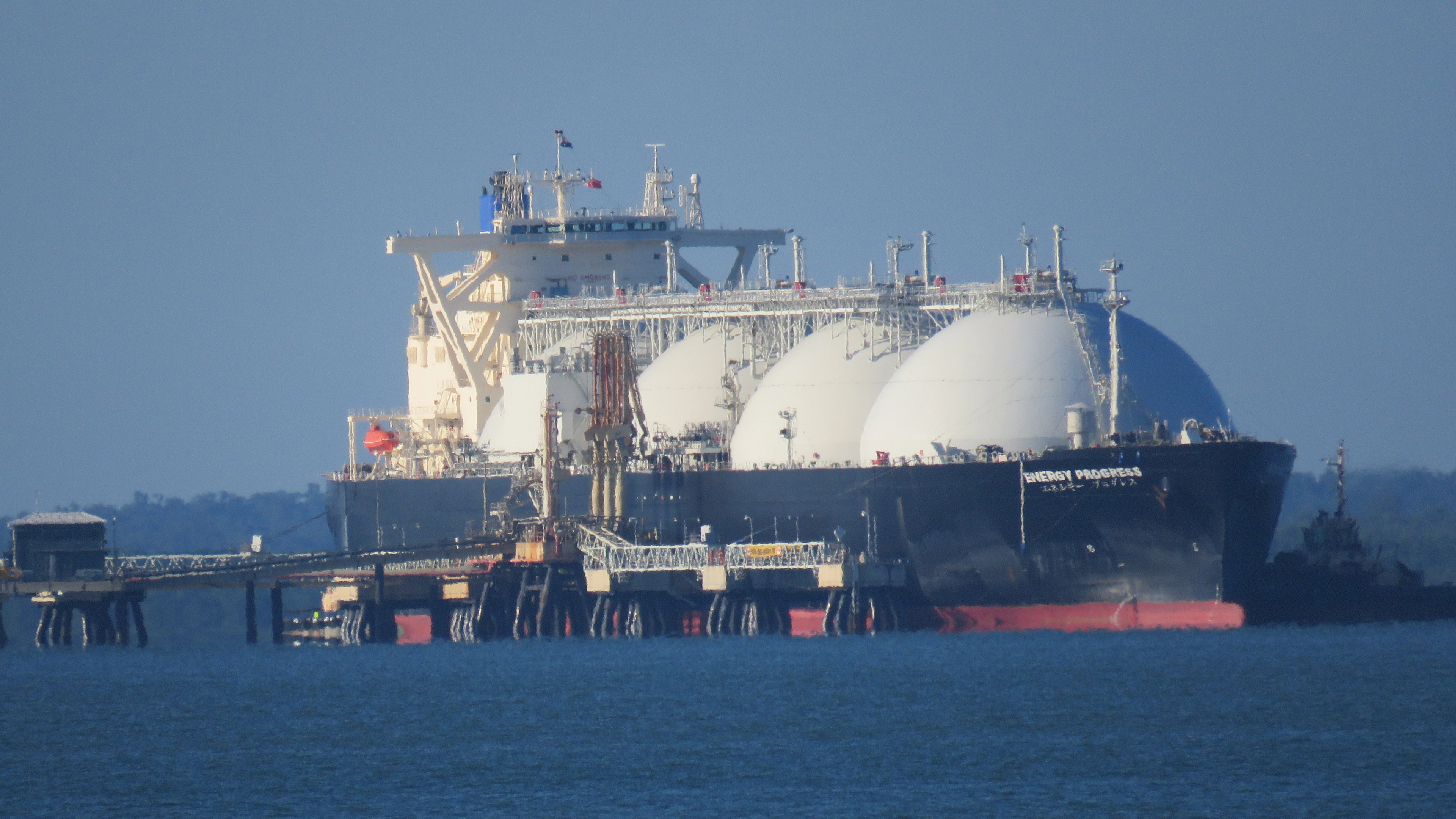

Right now, a decision made in Abu Dhabi is reshaping the price of your food, your fuel, and the economic future of millions of the world's poorest people. The evidence demands a citizen mandate. Here is your path to action.
CURRENT STATE:
The UAE formally exited OPEC on May 1, 2026, the largest split in the cartel's 66-year history. Simultaneously, Iran's closure of the Strait of Hormuz has cut off ~20% of global oil supply, pushing Brent crude to a peak of $126.41 per barrel. The IEA calls it "the largest supply disruption in the history of the global oil market."
THE PIVOT:
The UAE is no longer bound by production quotas. It is planning to ramp oil output by nearly 50%, up to 5 million barrels per day, directly competing with Africa's oil exporters and threatening to undercut the price floor that Nigeria, Angola, Equatorial Guinea, and others depend on for national survival.
THE MANDATE:
The silent majority must endorse diplomatic resolution of the Strait of Hormuz standoff. The evidence shows that every day the blockade continues, tens of millions of people edge closer to poverty, hunger, and economic collapse. We are delivering your vote directly to the U.S. State Department and the United Nations.
Right now, in the next weeks, the global energy order will either fracture further or find a diplomatic off-ramp. The United Arab Emirates has just made the most consequential exit from OPEC in the cartel's 66-year history. The Strait of Hormuz, the narrow corridor through which roughly one-fifth of the world's oil flows, remains blockaded. And the world's most vulnerable people, from Lagos to Lahore to Lima, are absorbing the cost of decisions made by a handful of governments that answer to no one but themselves.
This is a mandate for global citizens who understand that energy politics is peace politics and who refuse to watch in silence while those in power choose competition over cooperation.

The evidence shows that this is not a sudden crisis, it is the culmination of years of structural tension finally breaking into the open. Understanding it requires knowing who the actors are and what they actually want.
THE UAE'S "SELL NOW" DOCTRINE:
Abu Dhabi has invested $145 billion (in real 2026 dollars) in domestic oil production through 2030, targeting 5 million barrels per day by 2027. Its OPEC quota capped it at just 3.2 million bpd, a daily gap of over 1.6 million barrels in unrealized revenue. The UAE is not leaving OPEC out of frustration; it is leaving because the math no longer works in its favor inside the cartel.
THE SAUDI-UAE RIFT:
Saudi Arabia's strategy is built on production restraint, keeping supply tight to sustain high prices. The UAE, by contrast, wants to maximize revenue before peak oil demand arrives and fossil fuel assets become stranded. These are not tactical differences; they are incompatible visions of what OPEC is for. Wood Mackenzie analysts described this as "undoubtedly the biggest schism in the organization since it was founded in 1960."
THE STRAIT OF HORMUZ CHOKEPOINT:
Iran closed the Strait on February 28, 2026. Through it flows 20 million barrels per day, roughly 20% of global oil consumption. In the short term, the UAE cannot flood markets because its own exports are blocked by the same closure. But once the Strait reopens, the UAE could add up to 2 million additional barrels per day to global supply, enough to reshape pricing globally.
AFRICA'S EXPOSED FLANK:
Nigeria, Angola, Algeria, Congo, Gabon, and Equatorial Guinea all depend on the price floor that OPEC coordination has historically maintained. Nigeria needs oil at $75 per barrel to balance its national budget. Oil accounts for over 80% of Nigeria's foreign exchange inflows. Sustained price declines triggered by unconstrained UAE supply could trigger austerity, currency collapse, and poverty for tens of millions.
OPEC'S DIMINISHING AUTHORITY:
The cartel once controlled 50% of global oil markets. Today its share stands at 33% and is falling. Five countries have left in the past decade: Indonesia (2016), Qatar (2019), Ecuador (2020), Angola (2024), and now the UAE. Each exit weakens collective discipline and makes the next defection more likely.
"The central question is no longer who belongs to OPEC or OPEC+, but which forms of cooperation can deliver stability in a more fragmented, sovereign-driven, and unpredictable energy landscape." — Dr. Mohamed H'Midouche, International Finance Expert & Former Banker, New African Magazine, May 2026 (Source: https://newafricanmagazine.com/news-analysis/businesseceonomy/the-uaes-exit-from-opec-a-turning-point-for-global-energy-politics/)
The USA-Iran de-escalation campaign is the single most direct lever for reopening the Strait and stabilizing global energy prices. 1,000 votes triggers a formal mandate delivery to the US and Iran.
Cast Your Vote → pledge4peace.org/campaigns
A failed diplomatic resolution of the Strait of Hormuz crisis doesn't just mean a broken ceasefire. The evidence shows it means the following cascade of human consequences, already unfolding:
And while advanced economies face economic strain, the most severe consequences land on developing nations, those with limited fiscal space, high dependence on energy imports, and weak currency stability. Rising fuel costs translate directly into food price spikes, inflation, and cascading socioeconomic instability. These are not abstract risks. They are happening now, to real people, in real communities.

The evidence shows that citizens are not powerless. The IEA, the UN, the World Economic Forum, and leading economists have all identified concrete, fact-verified actions at every level, from individual households to international governance. Here is what the research confirms works.
Your Vote Is the Diplomatic Pressure
Don't Watch History Happen. Shape It.
When 1,000 citizens endorse a campaign through Pledge4Peace, we deliver that mandate directly to the parties and stakeholders involved, creating the diplomatic off-ramps that world leaders are otherwise ignoring.
Insights on the campaigns shaping the global peace agenda, delivered directly to you. Don't just follow the news. Influence it.
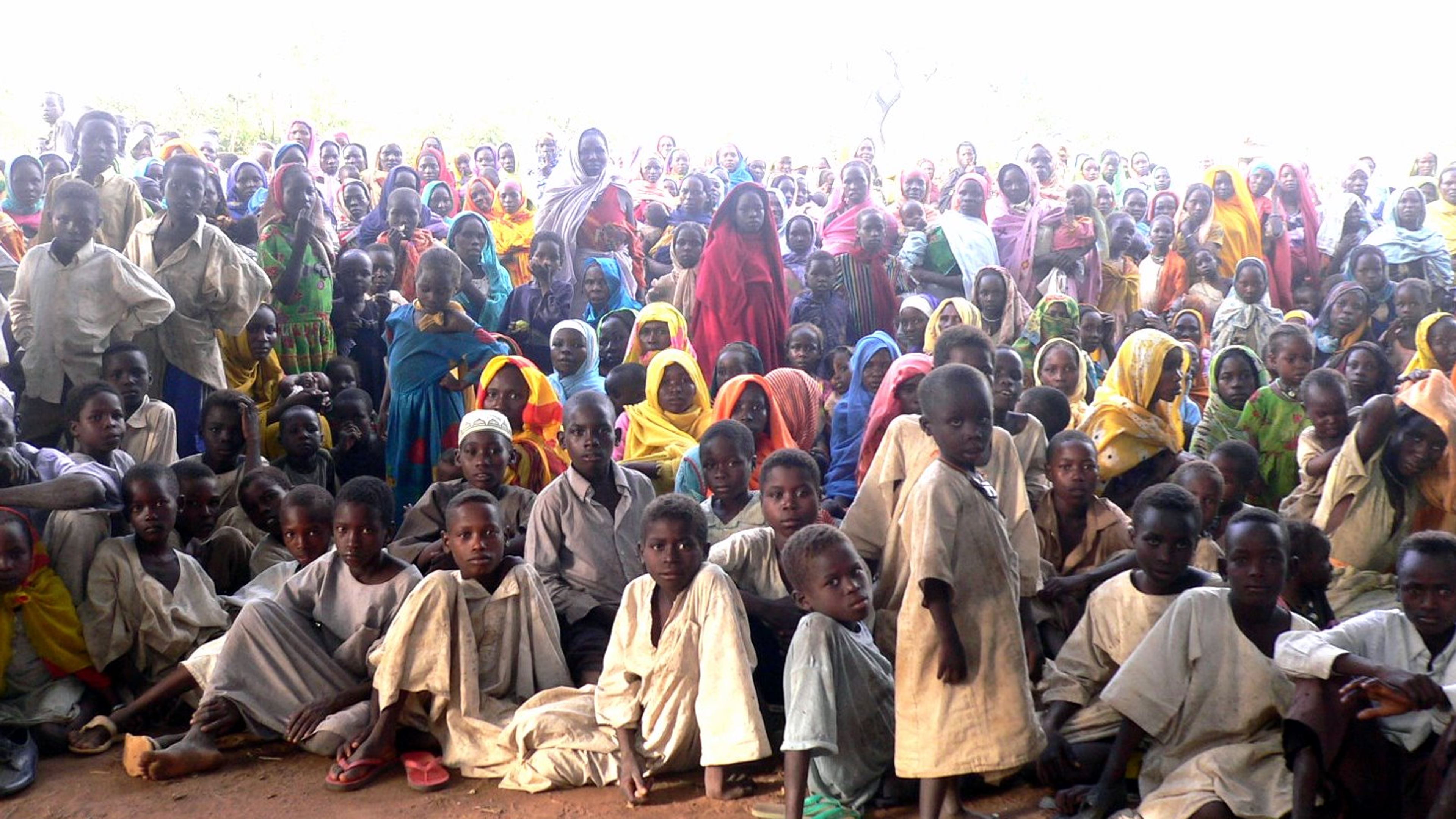
Sudan is facing the world’s worst humanitarian disaster. A devastating civil war has displaced over 11 million people, left 28 million facing acute hunger, and triggered an unprecedented wave of sexual violence used systematically as a weapon of war. Uncover the strategic crisis in El-Obeid, the harrowing UN reports, and how global citizens can take immediate action to demand international accountability and support peaceful resolutions.
Pledge4Peace.org
June 26, 2026
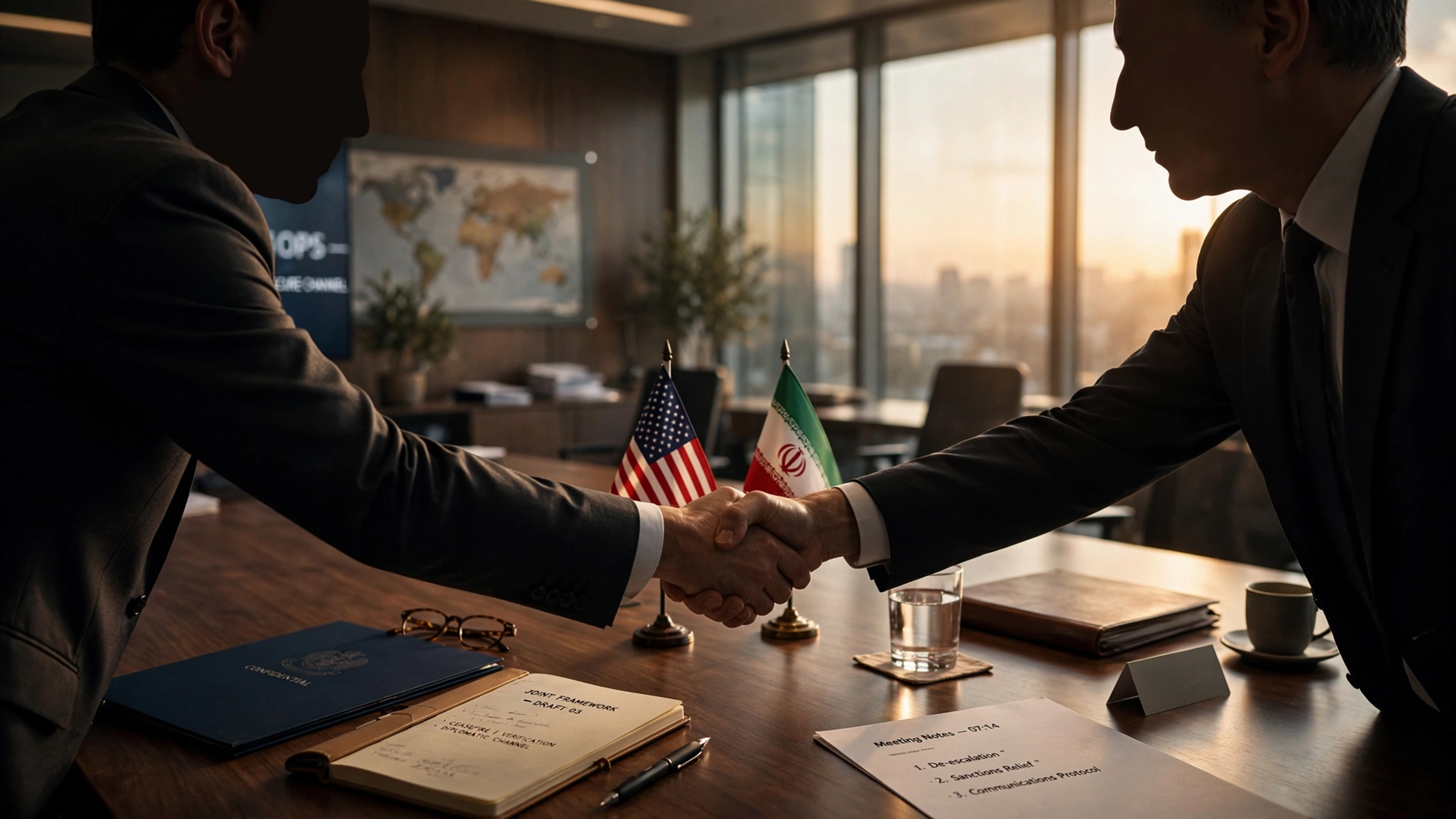
With tensions reaching a critical flashpoint in 2026, the US-Iran war is no longer a localized dispute; it is a global security crisis. While political leaders debate "near-final" deals that remain publicly disputed, millions of civilians bear the brunt of crippling economic sanctions and military escalation. It is time for a permanent, structural framework to secure peace in the Middle East.
Pledge4Peace.org
June 16, 2026
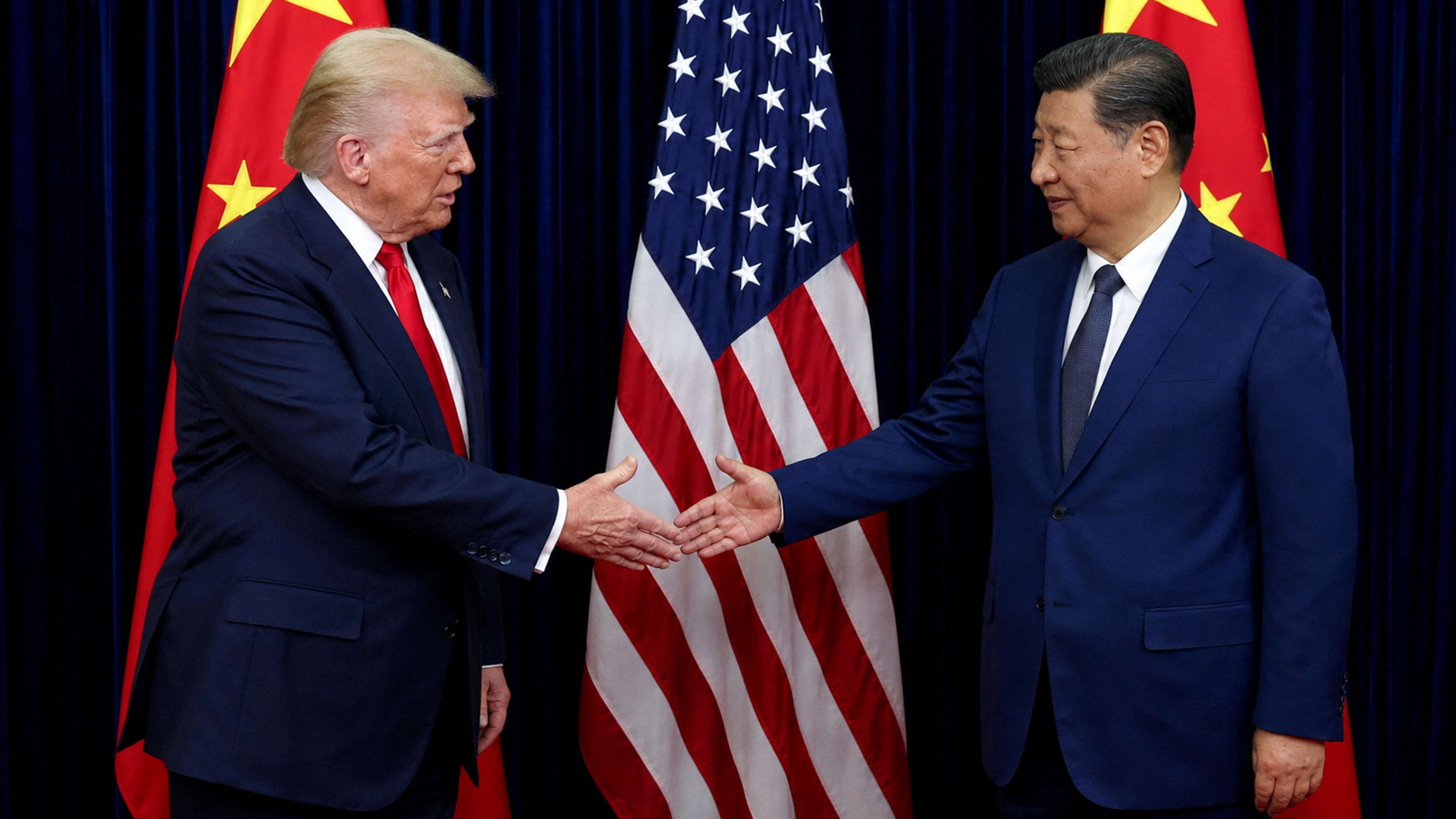
During the highly anticipated May 2026 Beijing Summit, U.S. President Donald Trump made a direct appeal to Chinese President Xi Jinping: leverage Beijing’s immense economic and political influence over Moscow to force an end to the five-year war in Ukraine. But is a Chinese-brokered peace possible?
Pledge4Peace.org
June 4, 2026