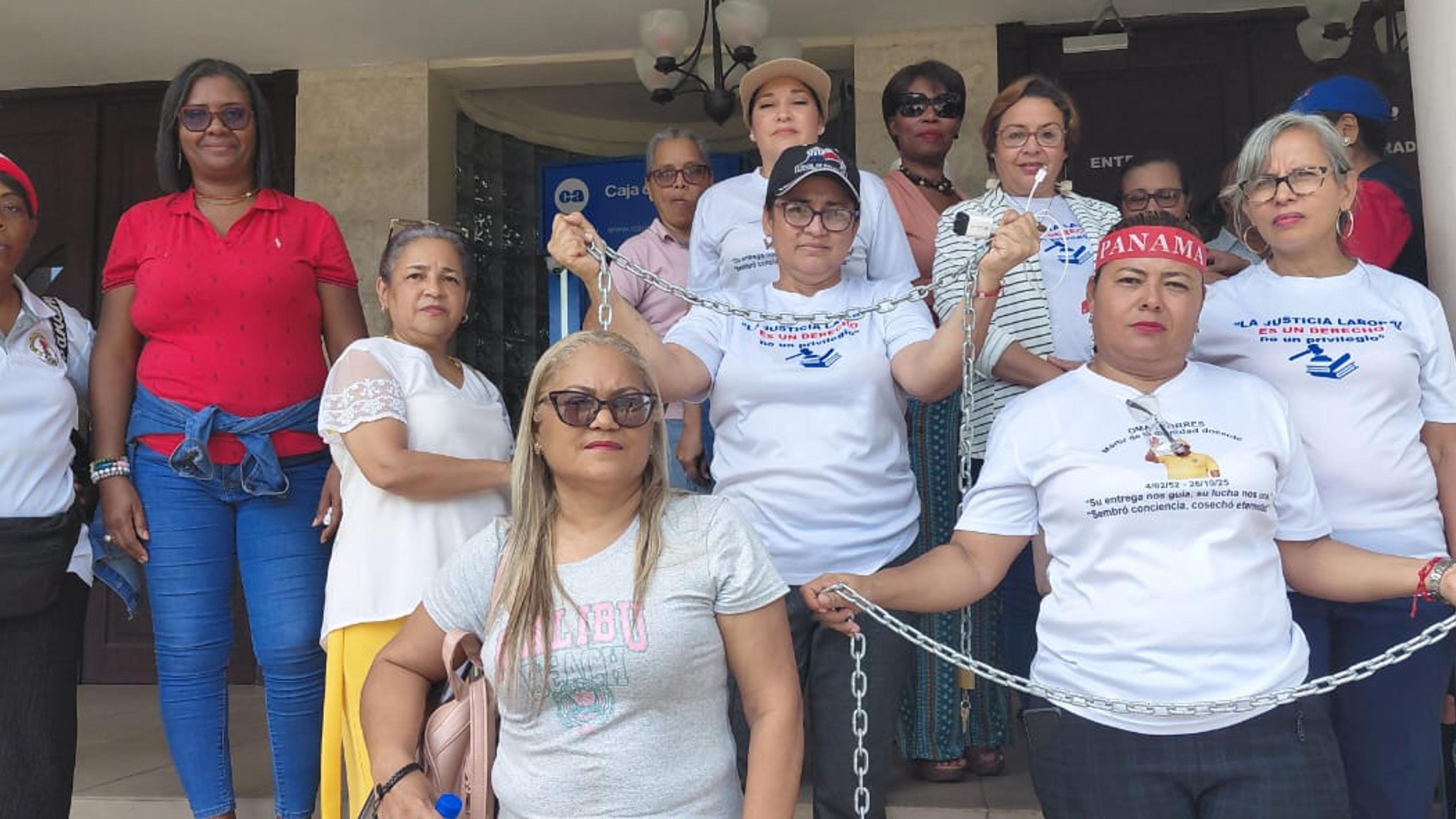

In recent years, Panama has often been cited as one of Central America’s more stable democracies. Yet since late 2023, that reputation has been tested by a convergence of social, environmental, and institutional conflicts that have brought tens of thousands of people into the streets.
At the heart of this unrest are questions that extend far beyond any single law or sector:
Who gets to participate in national decisions?
How are dissent and civic engagement treated by the state?
And what happens when institutions respond to protest with punishment rather than dialogue?
Listen to our interview with teacher Ivin Henriquez: https://pledge4peaceorg.substack.com/p/when-teachers-are-punished-for-defending In October 2023, Panama’s National Assembly approved a long-term concession allowing the reopening of Cobre Panamá, a large open-pit copper mine operated by First Quantum Minerals. The approval process moved quickly and with limited public consultation, triggering immediate concern among environmental groups, labor unions, indigenous communities, and educators.
The mine sits near biodiverse ecosystems, and public skepticism was shaped by earlier mining failures. The Molejón gold mine, for example, collapsed financially in 2015, leaving environmental damage and unpaid wages. Independent assessments prior to 2023 had already warned that Panama’s mining regulations lacked adequate closure and environmental safeguards.
Protests spread nationwide, disrupting commerce and daily life. According to reporting by international outlets including the Associated Press and AFP, clashes between protesters and security forces resulted in arrests, injuries, and multiple fatalities.
On November 28, 2023, Panama’s Supreme Court unanimously ruled the mining contract unconstitutional, citing violations of constitutional principles. The ruling was widely seen as a major victory for civic pressure and judicial independence.
The conflict did not end there.
During Panama’s 2024 presidential campaign, major candidates publicly committed to respecting the court’s ruling. José Raúl Mulino won the presidency in May 2024 after campaigning on stability and economic recovery.
By late 2024, however, President Mulino announced plans to restart the mining operation, citing economic necessity. The mine had previously contributed nearly 5 percent of Panama’s GDP. For many Panamanians, this reversal deepened mistrust in political commitments and reinforced perceptions that economic interests were outweighing democratic participation.
In March 2025, the government passed Law 462, reforming Panama’s social security system. Officials described it as essential to prevent insolvency. Critics, including labor unions and educators, argued the reform would increase contributions, weaken pension guarantees, and open the door to privatization.
Public reaction was swift. Polling cited by regional media suggested that more than 80 percent of Panamanians opposed the reform. Teachers launched an indefinite strike, soon joined by construction workers, students, and indigenous organizations. Schools closed, construction projects halted, and road blockades disrupted transportation across the country.
Teachers became one of the most visibly affected groups.
According to testimony collected from educators and corroborated by local and international reporting, many teachers who participated in peaceful protests faced administrative sanctions. These included salary withholdings, suspensions, and dismissals without full due-process explanations.
Education officials stated that prolonged school closures justified disciplinary action. Educators countered that punishment for peaceful civic participation violates constitutional and international labor protections, including conventions of the International Labour Organization.
Beyond individual livelihoods, the consequences reached students. Rural and vulnerable communities experienced prolonged interruptions to education, and schools lost experienced staff. UNICEF and education advocacy groups have long emphasized that instability in teaching staff disproportionately affects low-income and indigenous students.
The impact of the protests has not been evenly distributed.
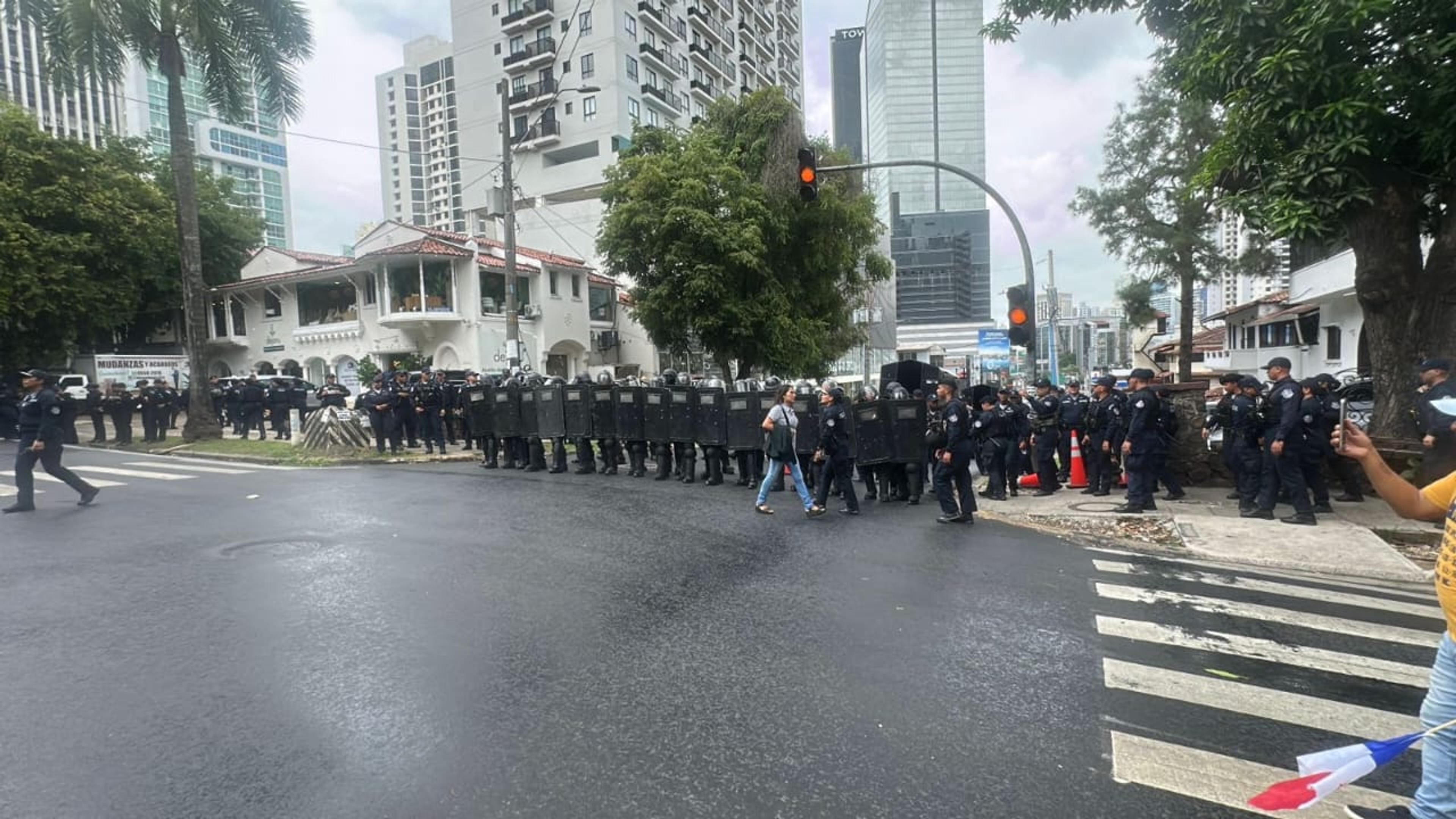
In provinces such as Bocas del Toro, where indigenous Ngäbe communities are prominent, demonstrations were met with intensified security responses. In May and June 2025, the government declared states of emergency, temporarily suspending constitutional rights related to assembly and movement.
AFP images from Changuinola showed riot police deploying crowd-control weapons against protesters. Human rights organizations raised concerns about excessive force and the chilling effect such measures can have on lawful dissent.
Construction union SUNTRACS, which played a major role in organizing protests, faced legal and financial pressure. Its bank accounts were frozen, offices raided, and leaders charged with serious crimes. Union representatives and international labor federations characterized these actions as politically motivated.
In one high-profile case, SUNTRACS leader Saúl Méndez sought asylum abroad after arrest warrants were issued against union leadership. The episode drew attention from international labor and human rights organizations, underscoring fears of shrinking civic space.
Many Panamanians observed that domestic media coverage of protests and repression was limited. International outlets such as AP, AFP, and regional publications provided more extensive reporting, which circulated widely on social media.
This dynamic raised concerns about transparency and accountability. In democratic systems, independent media plays a key role in informing citizens and scrutinizing power. Reduced coverage can deepen polarization and mistrust.
What Is at Stake
Panama’s crisis is not solely about mining or pensions. It reflects a deeper struggle over democratic participation, institutional accountability, and the right to protest without fear of retaliation.
Educators, students, indigenous communities, union members, and ordinary citizens have all been affected in different ways. At the same time, government officials argue that economic stability and public order must be maintained.
Both realities exist. Sustainable solutions require dialogue, transparency, and respect for human dignity.
Across Panama, citizens have proposed non-violent, institutional pathways forward. These include reinstating dismissed educators, inviting international labor mediation, ensuring independent investigations into police conduct, conducting transparent environmental audits, and launching inclusive national dialogue forums.
These proposals do not call for chaos or confrontation. They call for fairness.
A Role for Institutions and the International Community
Organizations, institutions, and policymakers outside Panama also have a role to play. Listening to citizen-driven solutions, encouraging adherence to international standards, and supporting peaceful mediation can help prevent further escalation.
Democracy is not preserved by silence. It is preserved through accountability, participation, and dialogue.
The future of Panama should be shaped by peaceful civic participation, not fear or exclusion.
We invite individuals, organizations, and institutions to review the citizen-proposed solutions and add their voice to a global call for fairness, democracy, and dignity.
Peace begins when people listen, and when institutions respond justly.
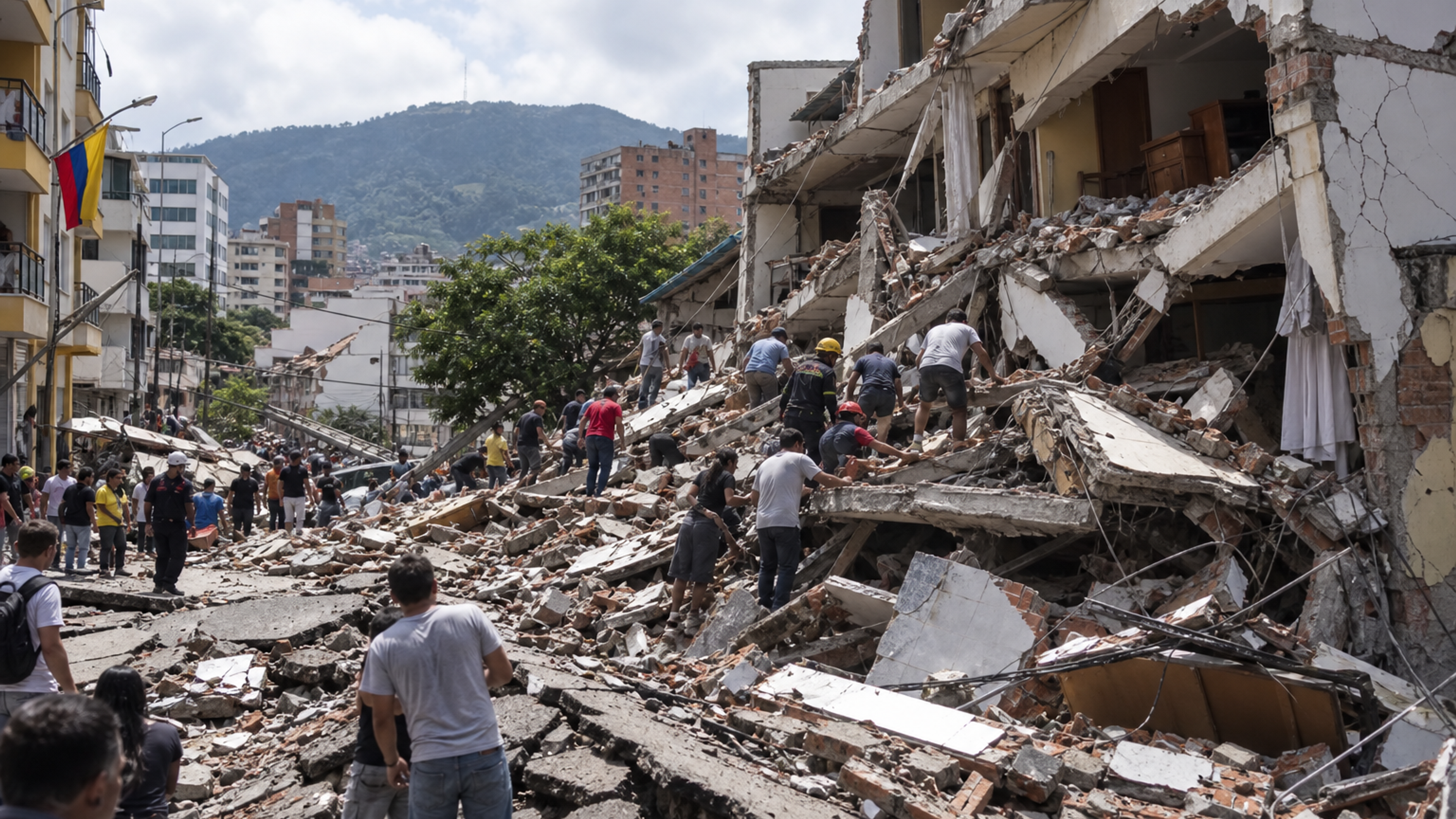
Un catastrófico terremoto de magnitud 7,4 sacudió el oeste de Colombia, provocando el derrumbe devastador de edificios, decenas de víctimas mortales y un pánico generalizado en las principales ciudades. Mientras los equipos de rescate buscan supervivientes entre los escombros, la comunidad internacional debe movilizarse para apoyar los esfuerzos de ayuda humanitaria de organizaciones verificadas.
Pledge4Peace.org
August 17, 2026
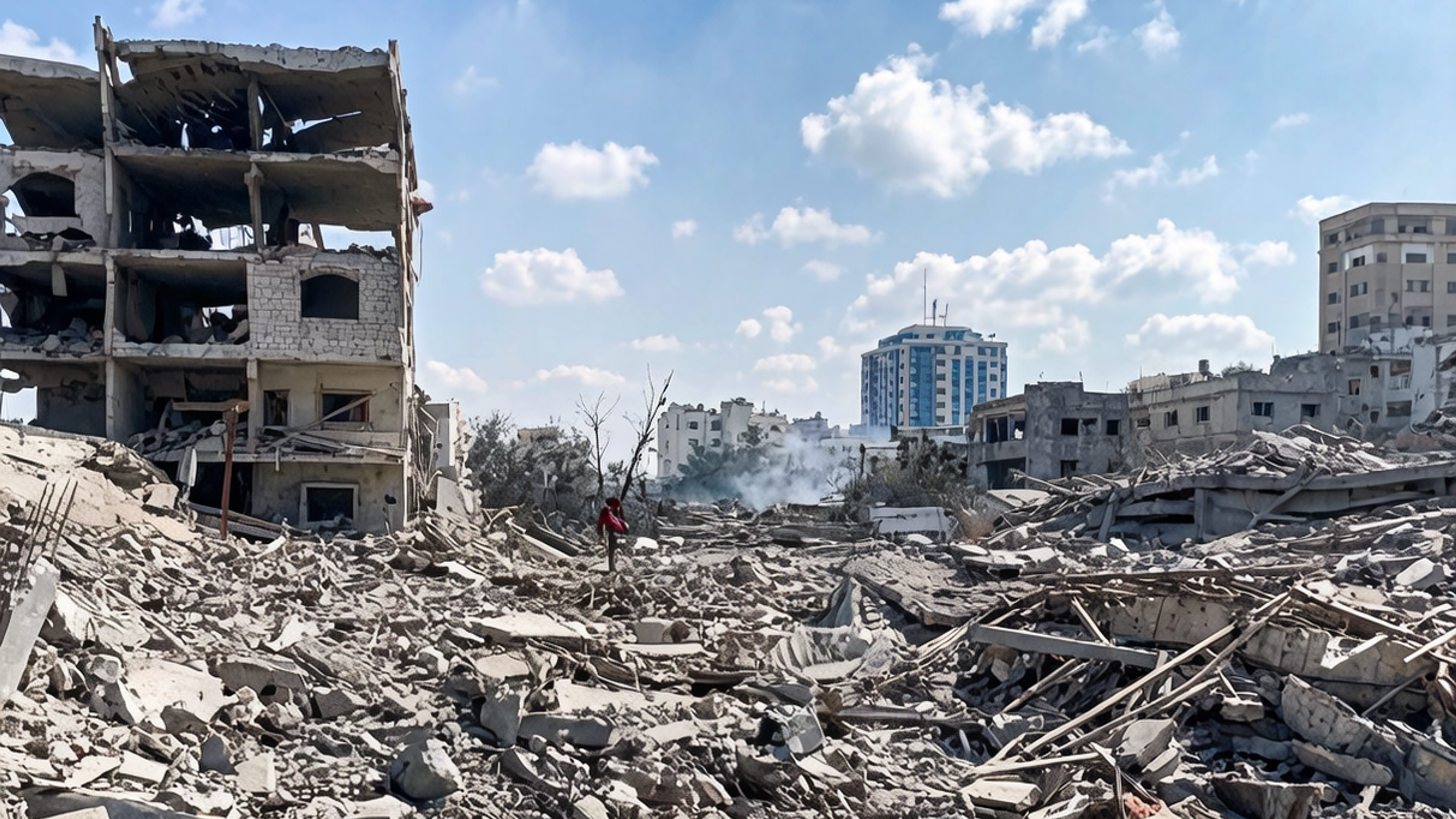
Un mes después de que catastróficos terremotos gemelos azotaran la costa norte de Venezuela, el número de fallecidos ha superado los 5.300. Con barrios enteros reducidos a escombros y decenas de miles de personas aún desaparecidas, los sobrevivientes continúan buscando a sus seres queridos entre los restos. Descubre las historias de quienes fueron afectados, los desafíos de la recuperación y cómo ciudadanos de todo el mundo pueden apoyar las labores de ayuda verificadas sobre el terreno.
Pledge4Peace.org
July 27, 2026
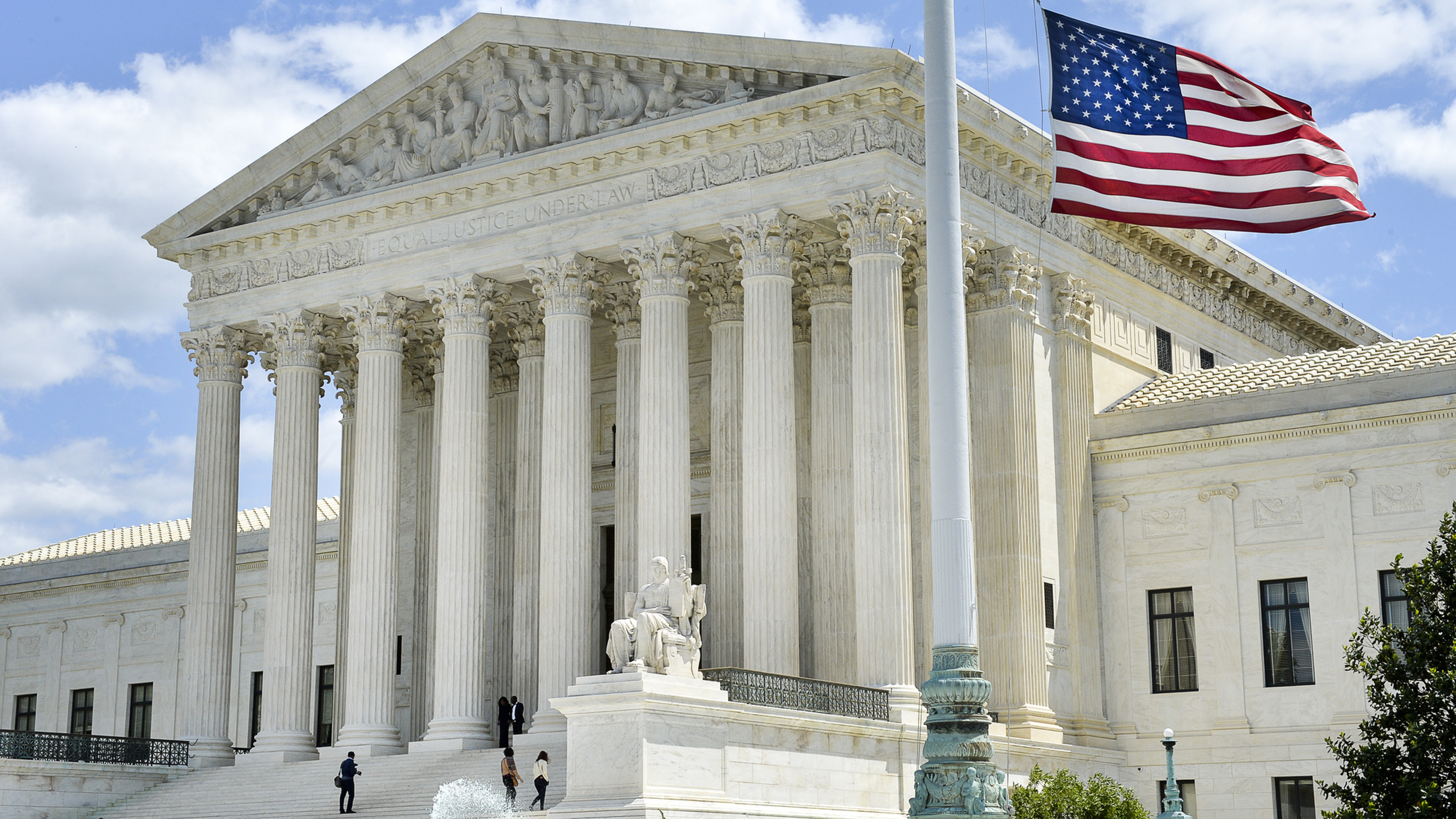
La Sexta Enmienda garantiza el derecho a un juicio justo, sin embargo, más del 95% de las condenas penales en EE. UU. se resuelven a través de acuerdos de culpabilidad. Impulsado por tácticas coercitivas de los fiscales y la amenaza de una enorme "penalización por juicio", el sistema de justicia estadounidense se ha transformado en una cinta transportadora administrativa. Explora cómo este poder fiscal sin control socava las libertades civiles democráticas, qué podemos aprender de los estándares internacionales de derechos humanos y cómo los ciudadanos globales pueden exigir una reforma estructural.
Pledge4Peace.org
July 2, 2026
