Conflict is rising. Join the movement to create a peaceful future. Sign the Pledge

Conflict is rising. Join the movement to create a peaceful future. Sign the Pledge
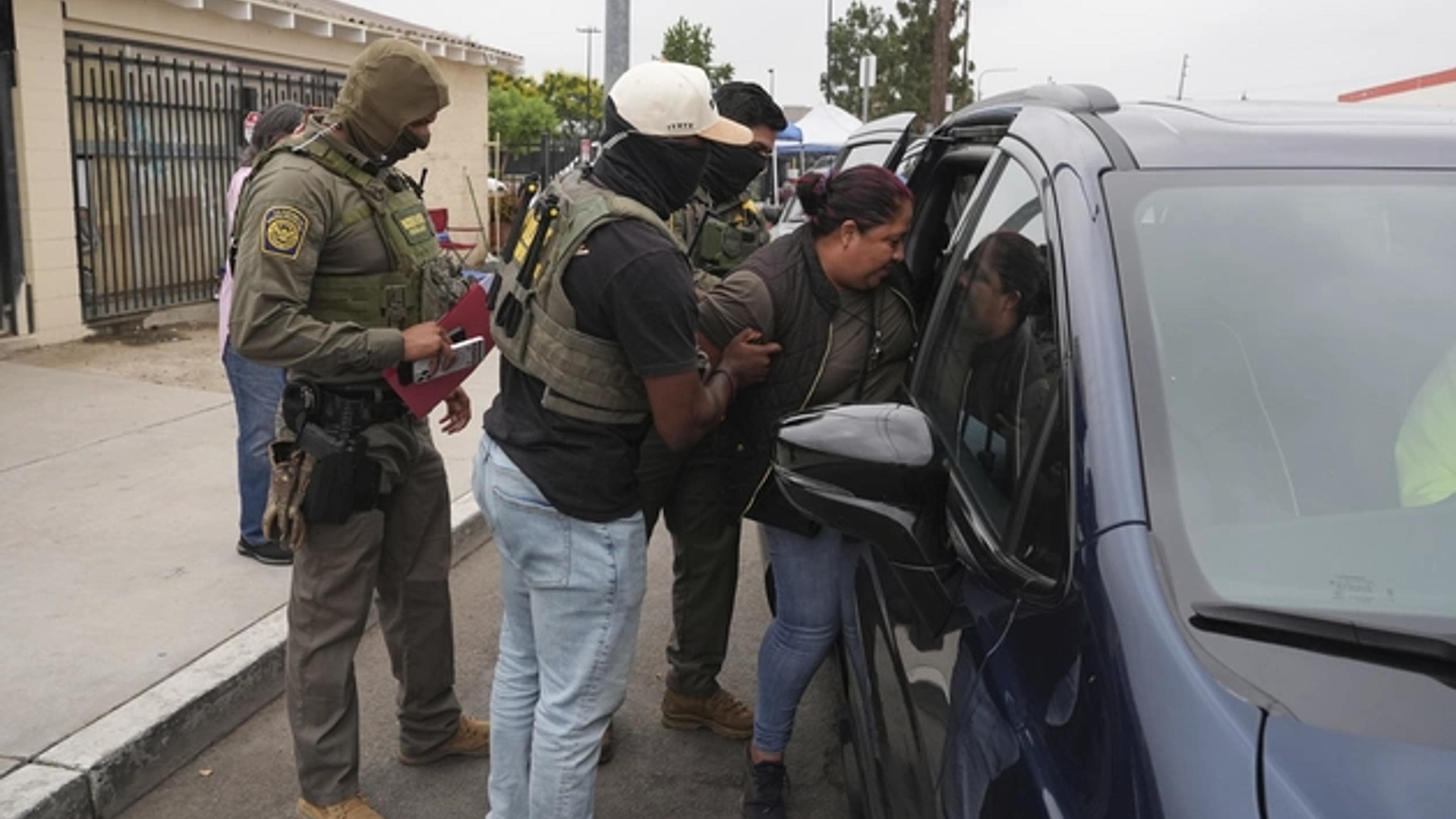

This week, the US Supreme Court granted the government’s emergency application in Vasquez Perdomo v. Noem, staying lower-court rulings that had limited ICE and Border Patrol “roving patrols” in Los Angeles during the case. The order was unsigned and 6–3, and—critically—does not resolve the merits; it restores prior enforcement discretion while appeals proceed.
Why this matters: both a federal district court and the Ninth Circuit had previously imposed restrictions after finding serious constitutional questions. The Supreme Court’s procedural stay shifts the near-term balance toward enforcement pending full review, a dynamic often associated with the Court’s “shadow docket” emergency orders.
Pledge4Peace position: We do not take a side on the litigation. Our goal is to present verified facts and promote non-violent, rights-respecting solutions that keep communities safe and united.
Los Angeles residents and legal advocates sued, alleging certain “roving” street-level operations relied on proxies for race or national origin—such as language use or location—rather than individualized suspicion. A district judge issued an injunction; a Ninth Circuit panel substantially upheld limits before the Supreme Court temporarily stayed those restrictions.
Legal backdrop. In United States v. Brignoni-Ponce (1975), the Court held “Mexican appearance” alone cannot justify a stop, underscoring that particularized facts—not ethnicity or language—must guide lawful enforcement. That principle frames much of the current dispute over how “roving patrols” may be conducted.
Several court-watchers note that shadow-docket stays can reshape on-the-ground policy for months while cases move through the courts—particularly in fast-moving immigration disputes.
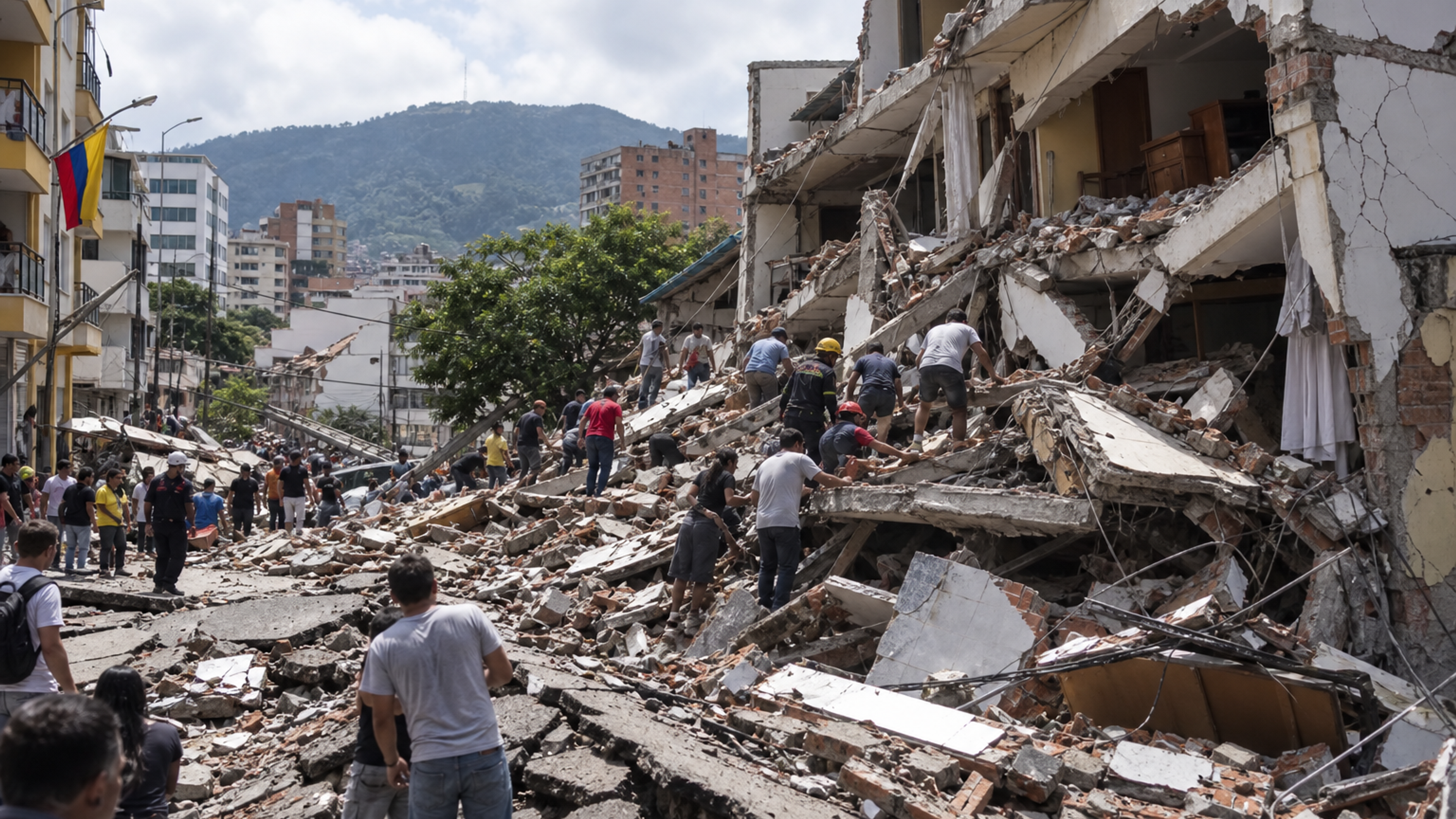
A catastrophic 7.4-magnitude earthquake struck western Colombia, causing devastating building collapses, dozens of fatalities, and widespread panic across major cities. As rescue workers dig through the rubble, the international community must mobilize to support verified humanitarian relief efforts.
Pledge4Peace.org
August 17, 2026
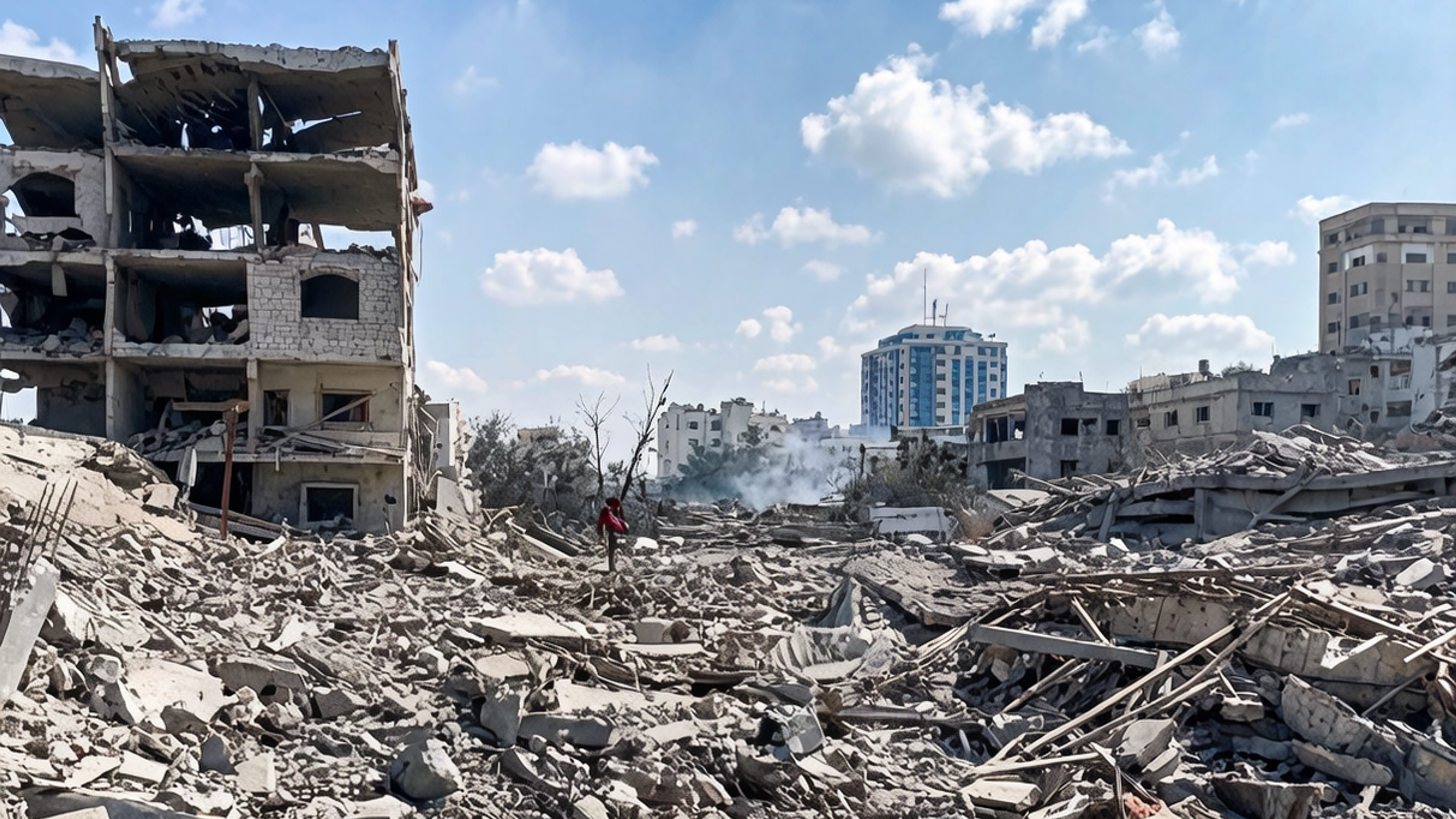
One month after catastrophic twin earthquakes struck Venezuela's northern coastline, the death toll has surpassed 5,300. With entire neighborhoods flattened and tens of thousands still missing, survivors are left searching for loved ones amidst the rubble. Discover the stories of those affected, the complexities of the recovery, and how global citizens can support verified relief efforts on the ground.
We present these data to frame the risk-management question, not to argue for or against any party’s legal claims.
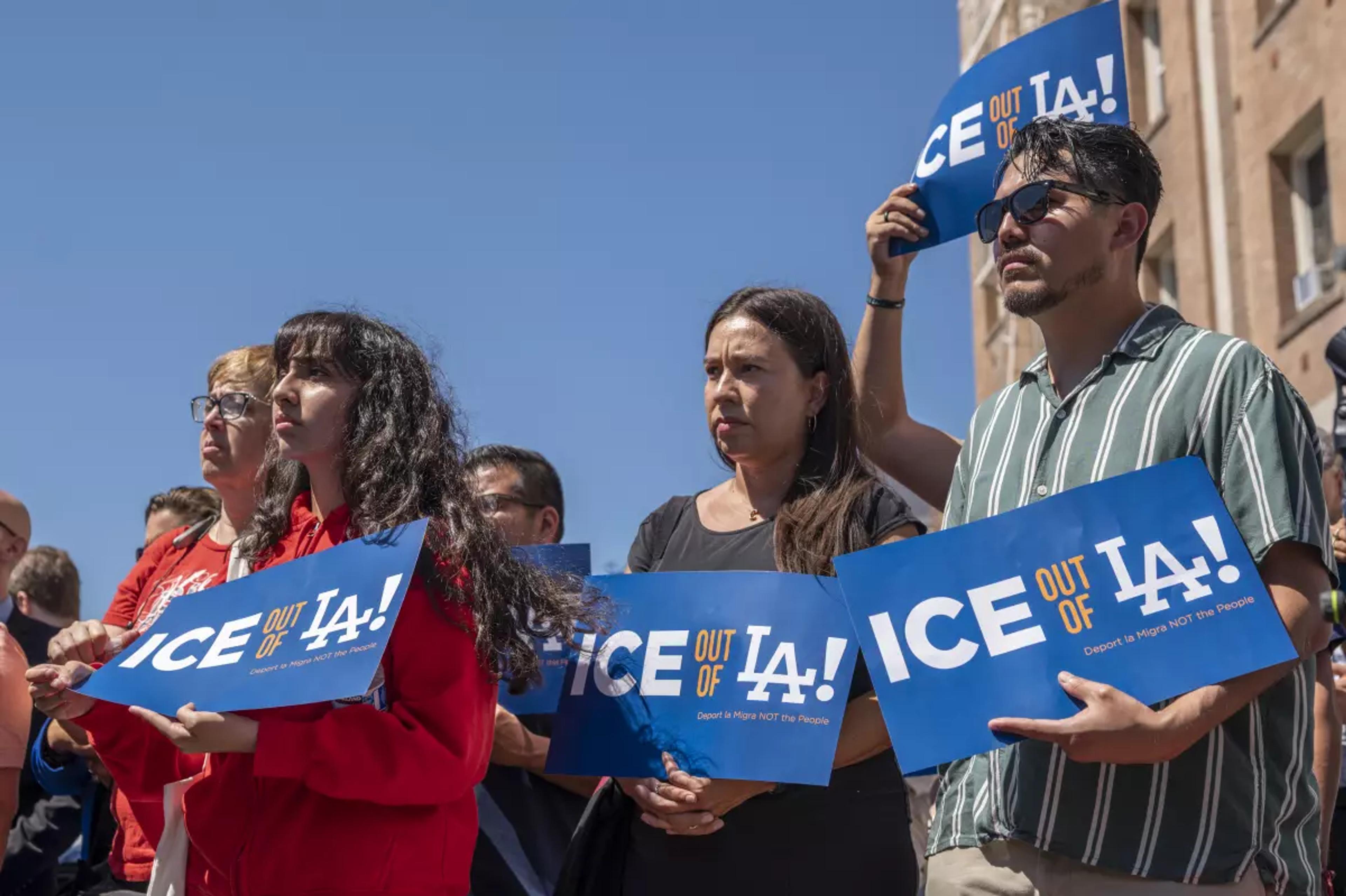
People demonstrate at a news conference in the Westlake neighborhood of Los Angeles after Monday’s controversial Supreme Court ruling. (David Butow / For The Times)
Pledge4Peace does not advance an opinion on the legality of the practices or the parties’ positions. Our mission is to present verified facts, reduce polarization, and create space where all stakeholders—officials, advocates, and affected residents—pursue diplomatic, pro-peace, and rights-respecting solutions.
If you want to channel concern into constructive action that upholds both civil liberties and community safety, add your voice to our No Hate in the United States campaign. Together we can support policies that reject discrimination, strengthen oversight, and keep families and neighborhoods safe.
Vote for solutions now: https://www.pledge4peace.org/campaigns/no-hate-in-the-united-states
Hero Image: People demonstrate at a news conference in the Westlake neighborhood of Los Angeles after Monday’s controversial Supreme Court ruling. (David Butow / For The Times)
Pledge4Peace.org
July 27, 2026