
When the U.S. government shuts down, the ripple effects reach far beyond Washington.
Thousands of federal workers, from TSA agents and air traffic controllers to food inspectors and park rangers, are suddenly forced to work without pay or sent home indefinitely.
In 2025, the number of federal employees affected by payment suspensions and furloughs exceeded 1.9 million, according to data from the Office of Personnel Management. For weeks or months, these workers — and the communities that depend on them, must navigate rent, food, and healthcare costs with no income.
For many, the immediate question becomes: How do we survive when the system we serve stops serving us?
Government shutdowns occur when Congress fails to pass a federal budget or stopgap funding bill. What begins as a political disagreement often becomes a standoff, leaving millions caught in the middle.
While leaders debate over policy or party priorities, everyday citizens, especially lower and middle-income families, bear the consequences.
According to the Congressional Budget Office, the 2018–2019 shutdown, which lasted 35 days, cost the U.S. economy $11 billion and reduced GDP growth by 0.1% that quarter.
In 2023 and again in 2025, short-term shutdowns highlighted how fragile federal payroll systems and essential services remain, despite decades of similar crises.
But the deeper issue goes beyond budgeting. Shutdowns are symptoms of institutional polarization, where cooperation, compromise, and empathy are replaced by ideological warfare.
This dysfunction creates cascading harm: delayed housing assistance, frozen small business loans, postponed veterans’ benefits, and unpaid emergency responders.
The U.S. government is one of the nation’s largest employers, meaning these shutdowns don’t just disrupt paychecks — they shake the foundation of what employment means in a democracy.
For a country that positions itself as a global advocate for human rights, withholding pay from its own workers undermines both credibility and conscience.
According to the Universal Declaration of Human Rights (Article 23), “Everyone who works has the right to just and favorable remuneration ensuring for himself and his family an existence worthy of human dignity.”
When public servants, from janitors in federal buildings to scientists at NASA, are denied timely pay, this right is directly violated.
The burden isn’t equal either.
Low-wage federal contractors, often janitors, cafeteria staff, and maintenance workers, rarely receive back pay once shutdowns end. Many are people of color, single parents, or immigrants, reflecting how economic instability intersects with racial and social inequality.
These inequities mirror broader injustices across the country, reinforcing why economic fairness, access to opportunity, and inclusion are central to peace and democracy.
The harm doesn’t stop at government employees.
Shutdowns disrupt every aspect of public life:
• Food Security: The Department of Agriculture warns that delays in SNAP (food stamp) disbursements affect up to 42 million Americans.
• Air Travel: The FAA estimates that even a short-term shutdown can delay 15% of flights nationwide due to understaffed safety teams.
• Public Health: The CDC’s disease monitoring and health grant programs stall, impacting outbreak preparedness and health research.
• Small Businesses: Thousands of entrepreneurs lose access to federal loans and grants from the SBA, halting local growth and employment.
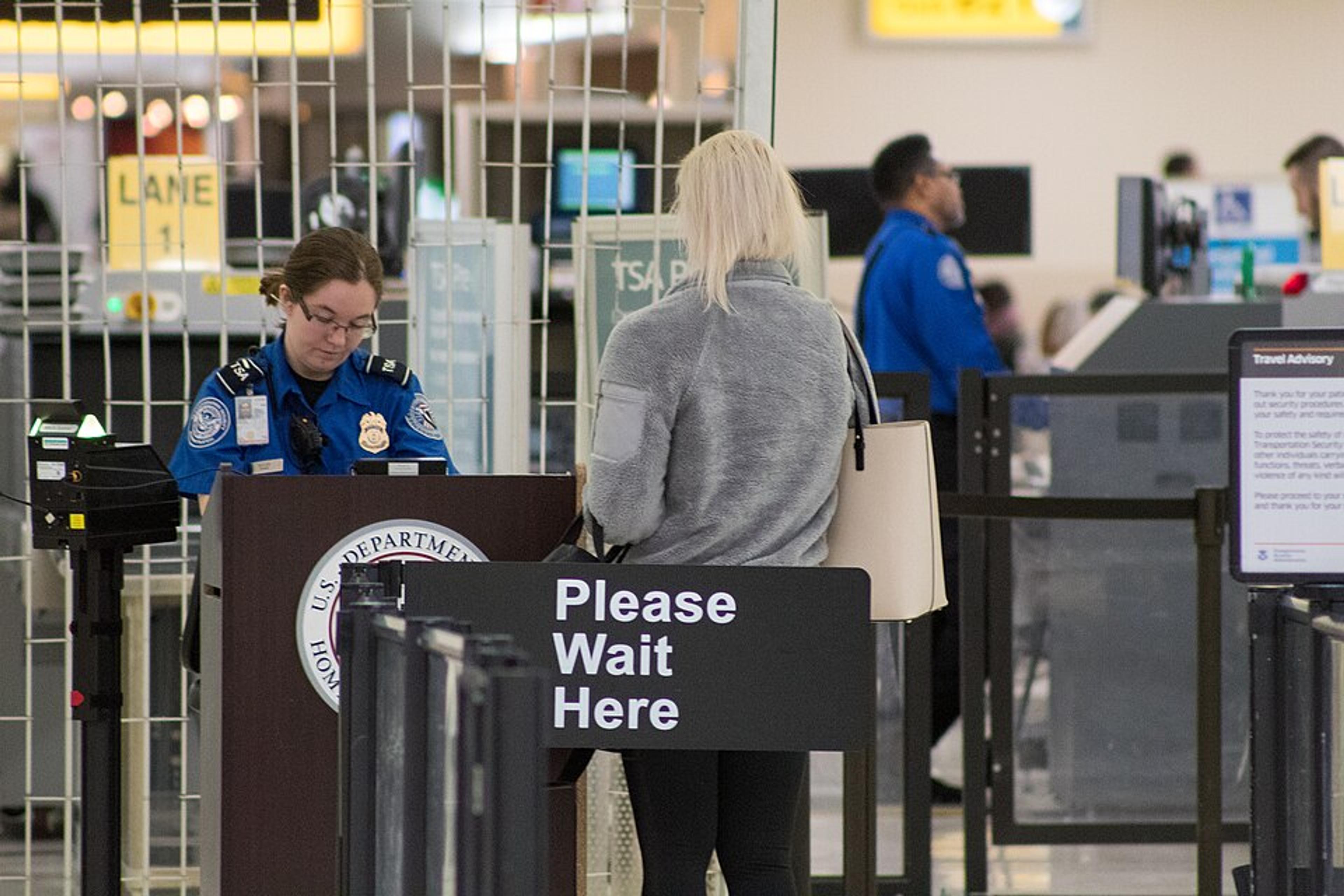
A Transportation Security Administration agent at a checkpoint verifying passenger identification, John Glenn Columbus International Airport. Picture by Michael Ball
These disruptions create a ripple of insecurity that extends beyond paychecks, they erode trust in institutions and deepen public frustration with democracy itself.
Every shutdown is a moral question disguised as a budget dispute.
When political leaders allow citizens to suffer in order to make a point, it becomes an ethical crisis, not just a procedural one.
The problem is systemic:
• Partisan Polarization: The growing divide between parties makes compromise politically costly.
• Short-Termism: Political actors prioritize optics over governance, focusing on headlines instead of solutions.
• Economic Disparities: Those least responsible for shutdowns, working families, minorities, and low-income employees, suffer the most.
These patterns reinforce what Pledge4Peace’s “No Hate in the United States” campaign stands against:
a culture where division, blame, and inequity replace compassion, cooperation, and justice.
Viewing this issue through a human rights framework changes the conversation.
It’s no longer about left or right, it’s about right or wrong.
The International Labour Organization identifies “timely payment for work” as a core principle of decent employment. When public systems fail to ensure that, it’s not just inefficiency, it’s institutional neglect.
As political polarization grows, the U.S. risks normalizing dysfunction.
And when dysfunction becomes normal, inequality hardens, and democracy weakens.
To rebuild trust, the government must prioritize:
1. Automatic Pay Protections: Ensuring workers receive uninterrupted pay during political gridlocks.
2. Transparency in Budget Impasses: Allowing citizens to understand how shutdowns happen and who is accountable.
3. Independent Oversight: Creating bipartisan or civic-led mechanisms to mediate funding disputes.
Economic fairness is peace in action.
When citizens can’t rely on the government to uphold their most basic rights, faith in democracy erodes, not because people stop caring, but because they stop believing the system cares for them.
The same forces that divide the country politically also drive social hate and instability.
That’s why addressing wage injustice, government dysfunction, and inequality isn’t just economic policy, it’s peacebuilding.
At Pledge4Peace, we believe democracy thrives when citizens stand together across divides.
Whether it’s defending fair wages, protecting human dignity, or ending cycles of discrimination, every voice matters.
Shutdowns might be political, but recovery is personal for millions.
You can help turn frustration into action by standing for unity, fairness, and justice.
Vote now on our campaign “No Hate in the United States” to support equality, inclusion, and systemic reform at: Pledge4Peace.org/campaigns/no-hate-in-the-united-states
Because peace doesn’t begin in policy, it begins with people who care enough to act.
Hero Image by Ted Eytan
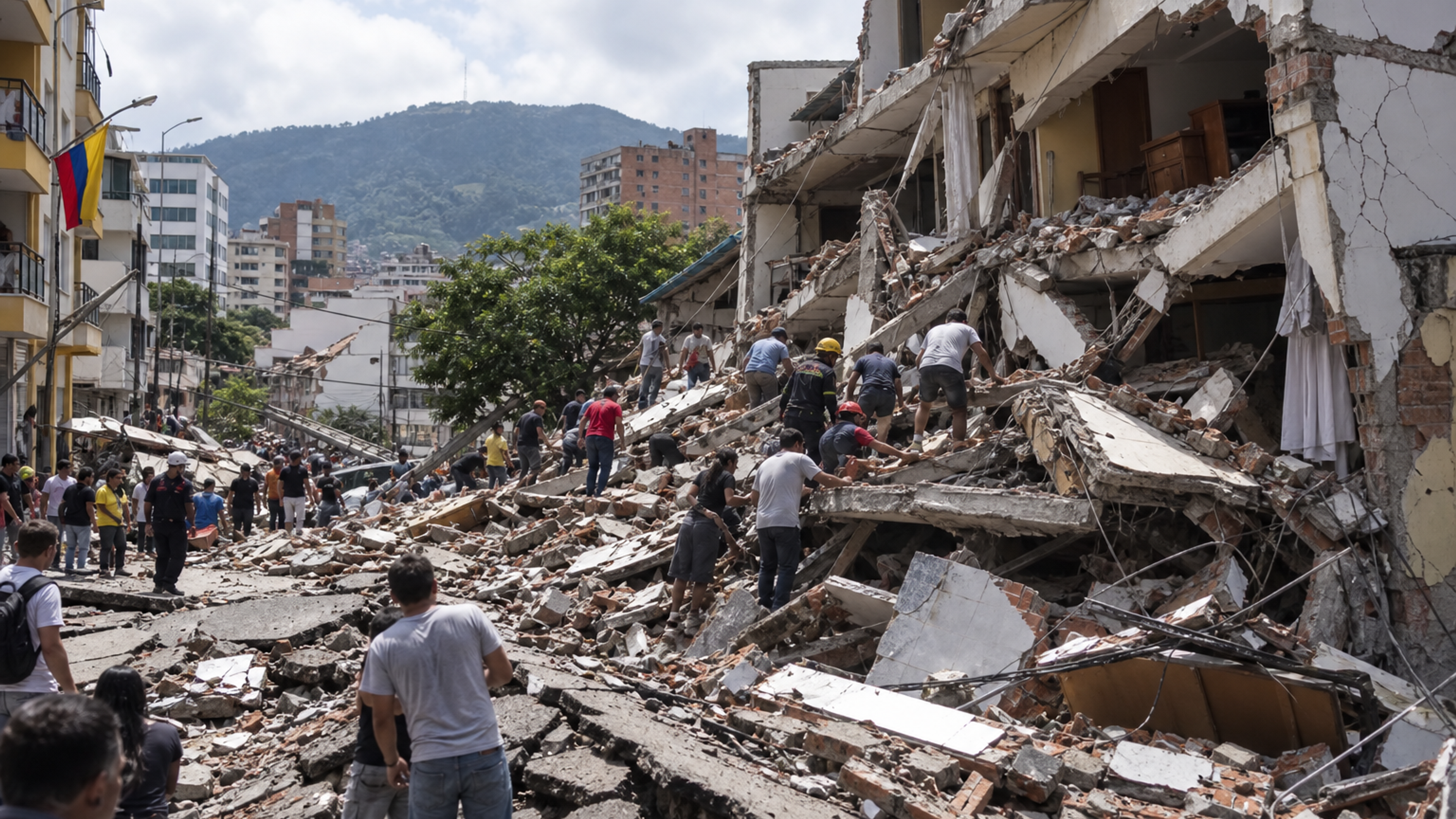
Un catastrófico terremoto de magnitud 7,4 sacudió el oeste de Colombia, provocando el derrumbe devastador de edificios, decenas de víctimas mortales y un pánico generalizado en las principales ciudades. Mientras los equipos de rescate buscan supervivientes entre los escombros, la comunidad internacional debe movilizarse para apoyar los esfuerzos de ayuda humanitaria de organizaciones verificadas.
Pledge4Peace.org
August 17, 2026
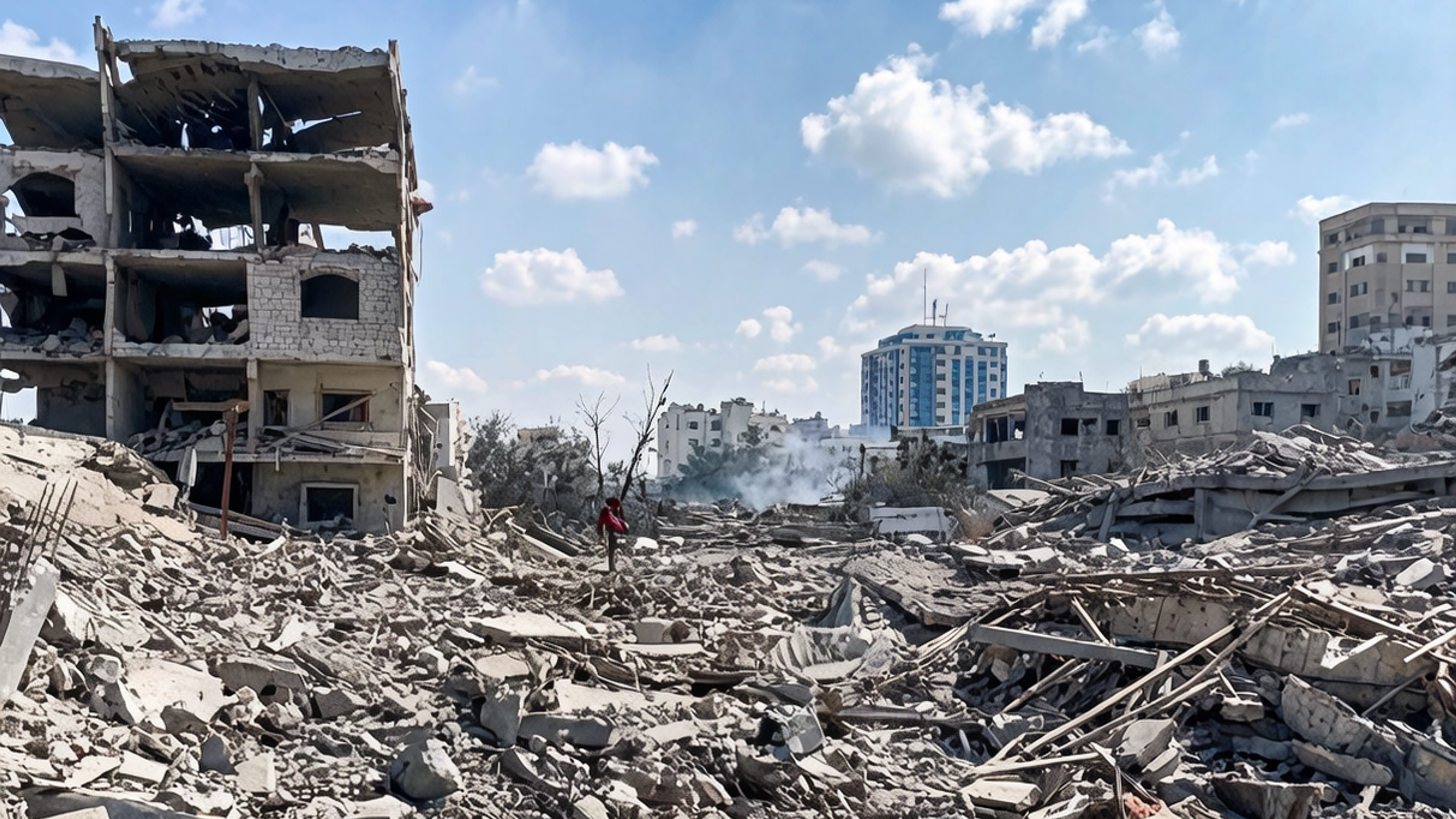
Un mes después de que catastróficos terremotos gemelos azotaran la costa norte de Venezuela, el número de fallecidos ha superado los 5.300. Con barrios enteros reducidos a escombros y decenas de miles de personas aún desaparecidas, los sobrevivientes continúan buscando a sus seres queridos entre los restos. Descubre las historias de quienes fueron afectados, los desafíos de la recuperación y cómo ciudadanos de todo el mundo pueden apoyar las labores de ayuda verificadas sobre el terreno.
Pledge4Peace.org
July 27, 2026
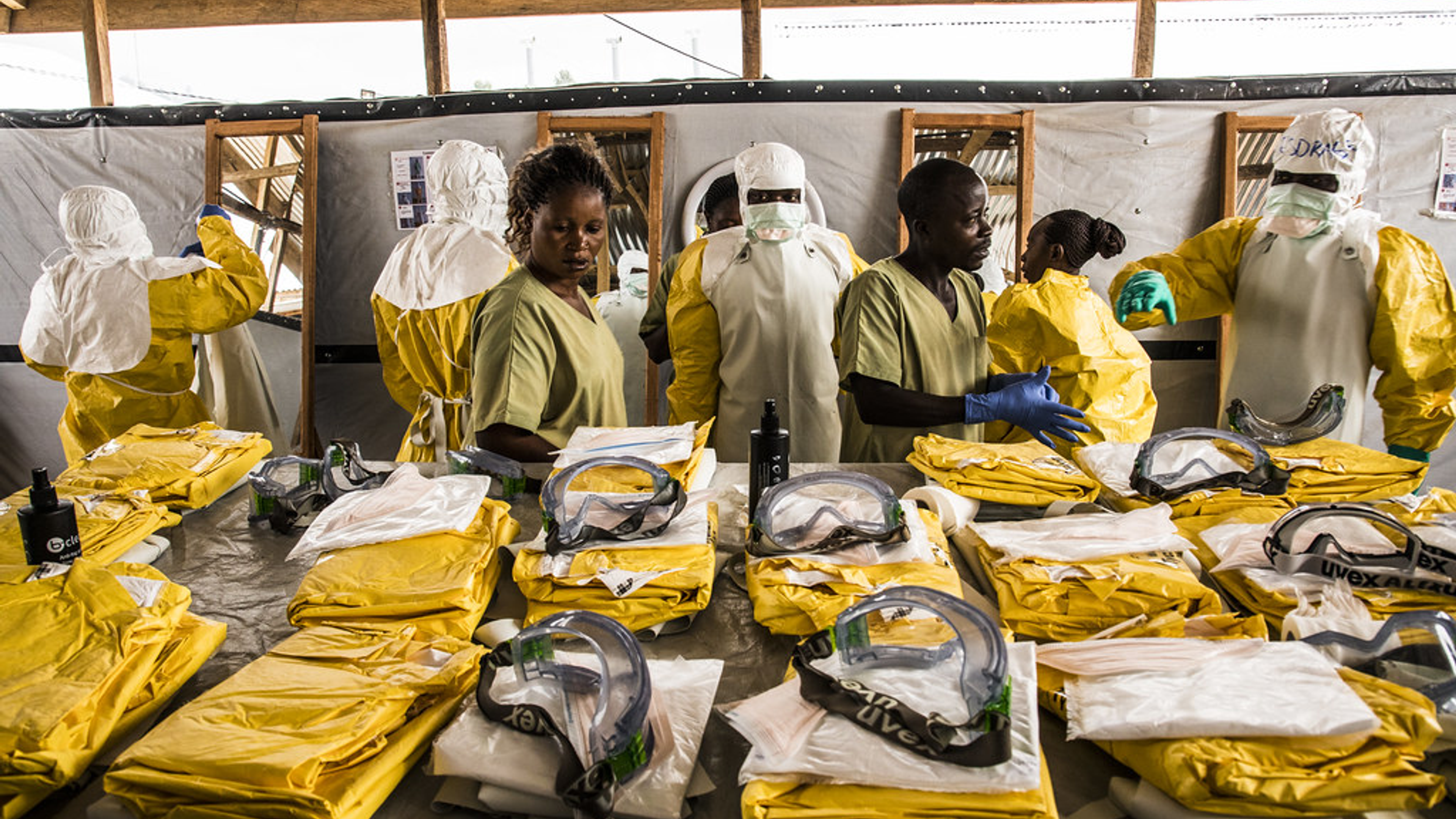
A medida que el brote de Ébola de 2026 se acelera en la República Democrática del Congo (RDC), la atención internacional ha priorizado con frecuencia la contención interna por encima de la mitigación local. Comprenda las causas estructurales, desde el contagio zoonótico hasta la pobreza sistémica, y descubra cómo la sociedad civil puede exigir políticas de salud equitativas y apoyar los esfuerzos humanitarios de primera línea.
Pledge4Peace.org
June 13, 2026
