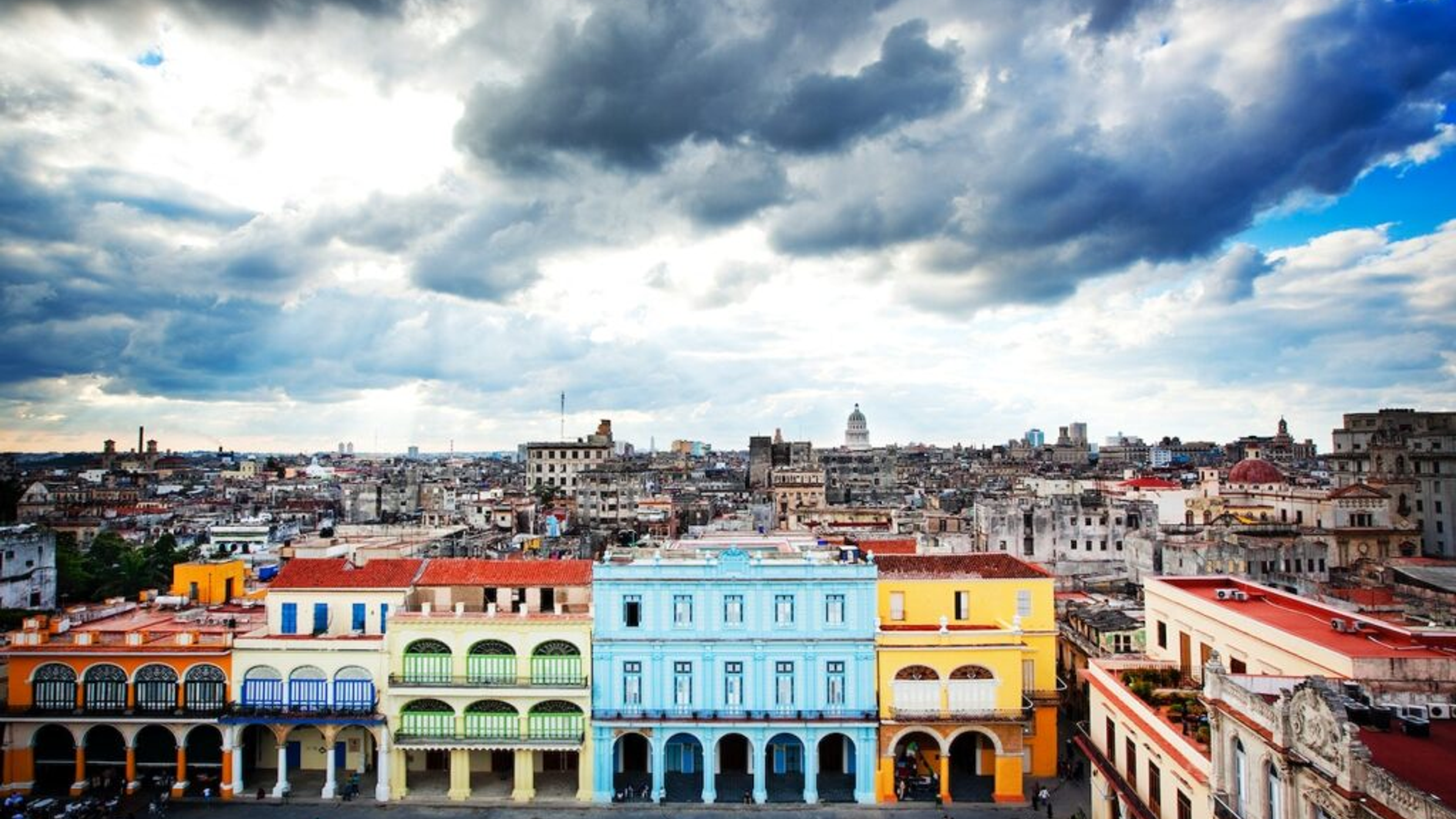

Cuba is currently facing a major electricity crisis that is affecting millions of people every day.
Across the country, blackouts last for hours. In some regions, outages extend for more than half the day. This disrupts basic services and daily routines. Refrigeration becomes unreliable. Access to water is limited. Healthcare systems operate under pressure. Businesses struggle to function.
This is not a temporary disruption. It is the result of several interconnected challenges that have built up over time.
Cuba’s national electrical grid has been under strain for years, but the current situation has intensified.
Reports indicate that large parts of the population experience daily outages. In some provinces, electricity availability drops to less than 50 percent of normal supply during peak shortages. According to energy assessments and public reporting, Cuba generates much of its electricity from thermoelectric plants that are decades old and prone to failure.
The country requires consistent fuel imports to keep these plants running. When supply drops, the system cannot meet demand.
As a result, planned blackouts have become part of daily life.
The crisis is not driven by a single factor. It is the result of multiple pressures affecting the energy system at the same time.
One of the main causes is fuel dependency. Cuba relies heavily on imported fuel to generate electricity. This includes oil shipments from international partners. In recent years, supply from key partners has declined, reducing the amount of fuel available for power generation.
Global energy prices have also increased. Higher costs make it more difficult for the country to secure the fuel it needs. Limited access to foreign currency further restricts purchasing power.
Another major factor is aging infrastructure. Much of Cuba’s power grid relies on thermoelectric plants built several decades ago. These facilities require constant maintenance. Breakdowns are frequent, and repairs are often delayed due to limited resources and parts.
Economic conditions also play a role. Cuba’s economy has faced pressure from reduced tourism revenue, limited access to international financing, and broader structural challenges. These factors reduce the country’s ability to invest in modern energy systems or renewable alternatives at scale.
External policies also contribute to the situation. Longstanding sanctions imposed by the United States affect trade, financing, and access to certain technologies. These restrictions add complexity to efforts aimed at stabilizing the energy sector.
When these factors combine, the result is a system that cannot consistently meet national demand.
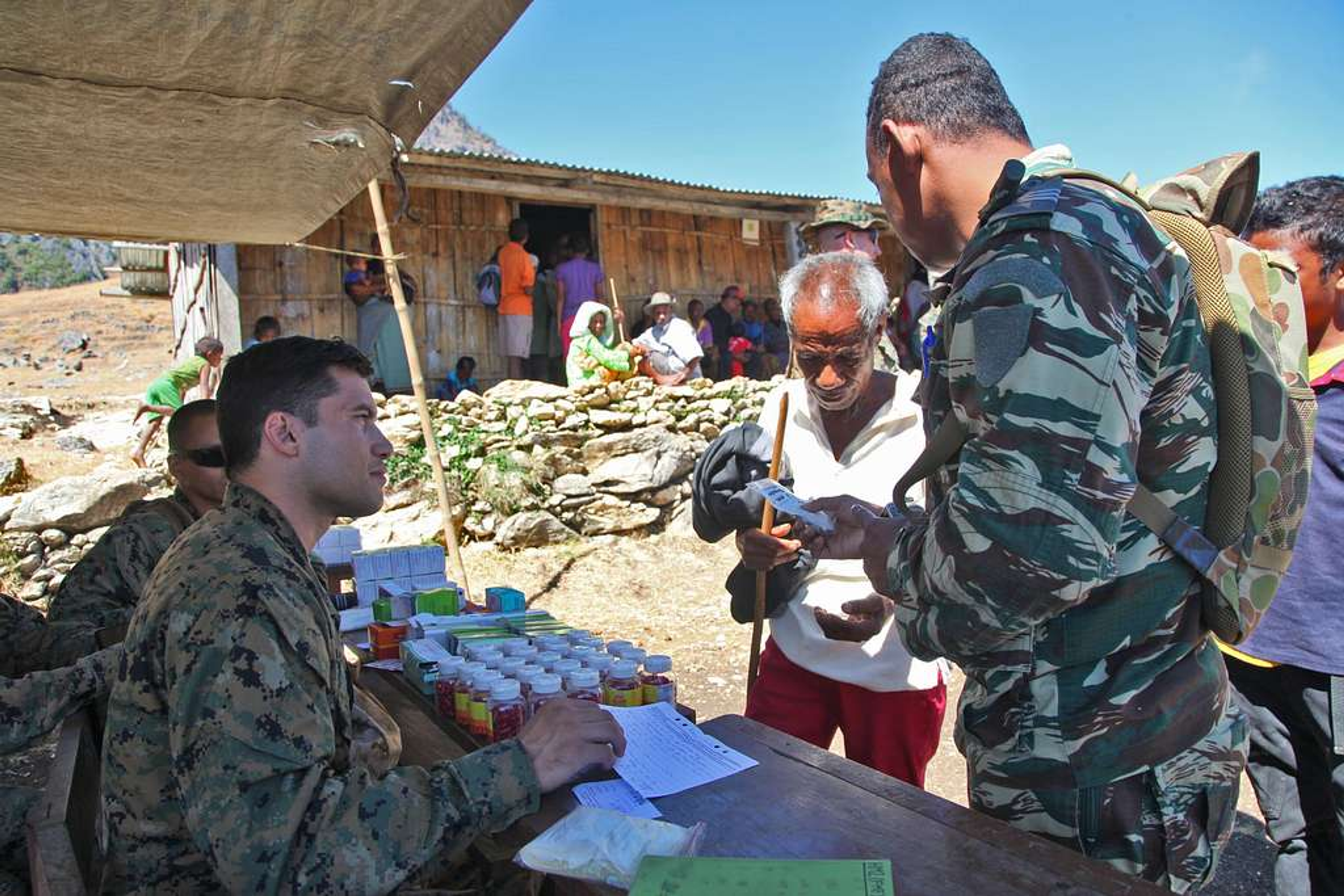
Beyond infrastructure and economics, the crisis directly affects people.
Families face daily uncertainty. Food spoils without reliable refrigeration. Access to clean water becomes inconsistent when pumping systems fail during outages.
Hospitals and healthcare facilities must operate under difficult conditions. Backup generators are used, but fuel limitations can affect their reliability. This places additional strain on medical staff and patients.
Education is also disrupted. Students struggle to study without stable electricity. Schools and institutions face operational challenges.
Small businesses are among the most affected. Restaurants, stores, and service providers depend on electricity to operate. Frequent outages reduce productivity and income, affecting local economies.
These impacts show that the crisis is not only technical. It is social and economic.
While the crisis is concentrated in Cuba, its implications are broader.
Energy instability affects regional resilience. Economic disruption can influence migration patterns, trade relationships, and humanitarian needs.
It also highlights a global issue. Many countries rely on aging infrastructure and imported energy sources. When supply chains are disrupted or economic conditions shift, vulnerabilities become visible.
Cuba’s situation reflects how interconnected global systems are. Energy, economics, and policy decisions influence each other.
Understanding this helps create more informed conversations about solutions.
There is no single solution to the crisis.
Addressing energy shortages requires a combination of approaches. These may include improving infrastructure, diversifying energy sources, increasing efficiency, and strengthening economic capacity.
Renewable energy presents long-term potential. Solar and wind projects have been explored, but scaling them requires investment, technology, and time.
International cooperation can also play a role. Access to financing, technical expertise, and stable trade relationships can support improvements in energy systems.
At the same time, internal reforms and strategic planning are necessary to ensure sustainability.
The situation involves multiple perspectives. Economic policy, international relations, and domestic priorities all influence outcomes.
This complexity makes it important to approach the issue with balance and awareness.
In situations like this, access to accurate information matters.
Understanding the causes helps avoid oversimplification. Recognizing the human impact keeps the focus on people rather than politics.
Global awareness can support constructive dialogue. It encourages solutions based on cooperation rather than division.
Sharing information responsibly helps build a more informed global community.
Staying informed is the first step.
Sharing awareness helps bring attention to issues that affect millions of people. Listening to different perspectives supports more balanced understanding.
Supporting initiatives that promote stability, cooperation, and peaceful solutions can contribute to long-term progress.
Support the Cuban people during this blackout and fuel shortage, consider these vetted channels:
1. The Red Cross
The International Federation of Red Cross (IFRC) and the Canadian Red Cross have launched specific appeals for Cuba. Donations go toward emergency medical supplies, clean water distribution, and food security for the most vulnerable families. Take Action>>
2. Global Health Partners
This organization specializes in sending high-quality medicines and surgical supplies directly to Cuban hospitals. With the power crisis affecting refrigeration and sterilization, their "Medicine for Cuba" campaign is currently a top priority. Take Action>>
3. Puentes de Amor / Bridges of Love
This grassroots movement focuses on direct humanitarian shipments. They frequently organize "Milk Drives" to send powdered milk and essential food items specifically for children and the elderly who are hardest hit by the lack of refrigeration. Take Action>>
4. Give2Cuba
For those who prefer a peer-to-peer approach, Give2Cuba allows donors to sponsor specific meals or "survival kits" for families in the hardest-hit provinces. They work with local networks to ensure aid bypasses bureaucratic delays. Take Action>>
5. CARE
With the electrical grid failure disabling water pumps across the island, CARE is working on the ground to provide water purification tablets and hygiene kits to prevent the spread of waterborne diseases. Take Action>>
6. Direct Humanitarian Parcels
If you have family or friends in Cuba, current regulations (including in the U.S.) allow for the shipment of Gift Parcels. These can include non-perishable food, vitamins, and over-the-counter medicines. Take Action>>
If you believe in solutions that prioritize people and global stability, you can take action by voting on solutions to global conflicts.
Vote on global peace campaigns at:
Your participation helps support dialogue, awareness, and solutions focused on human wellbeing.
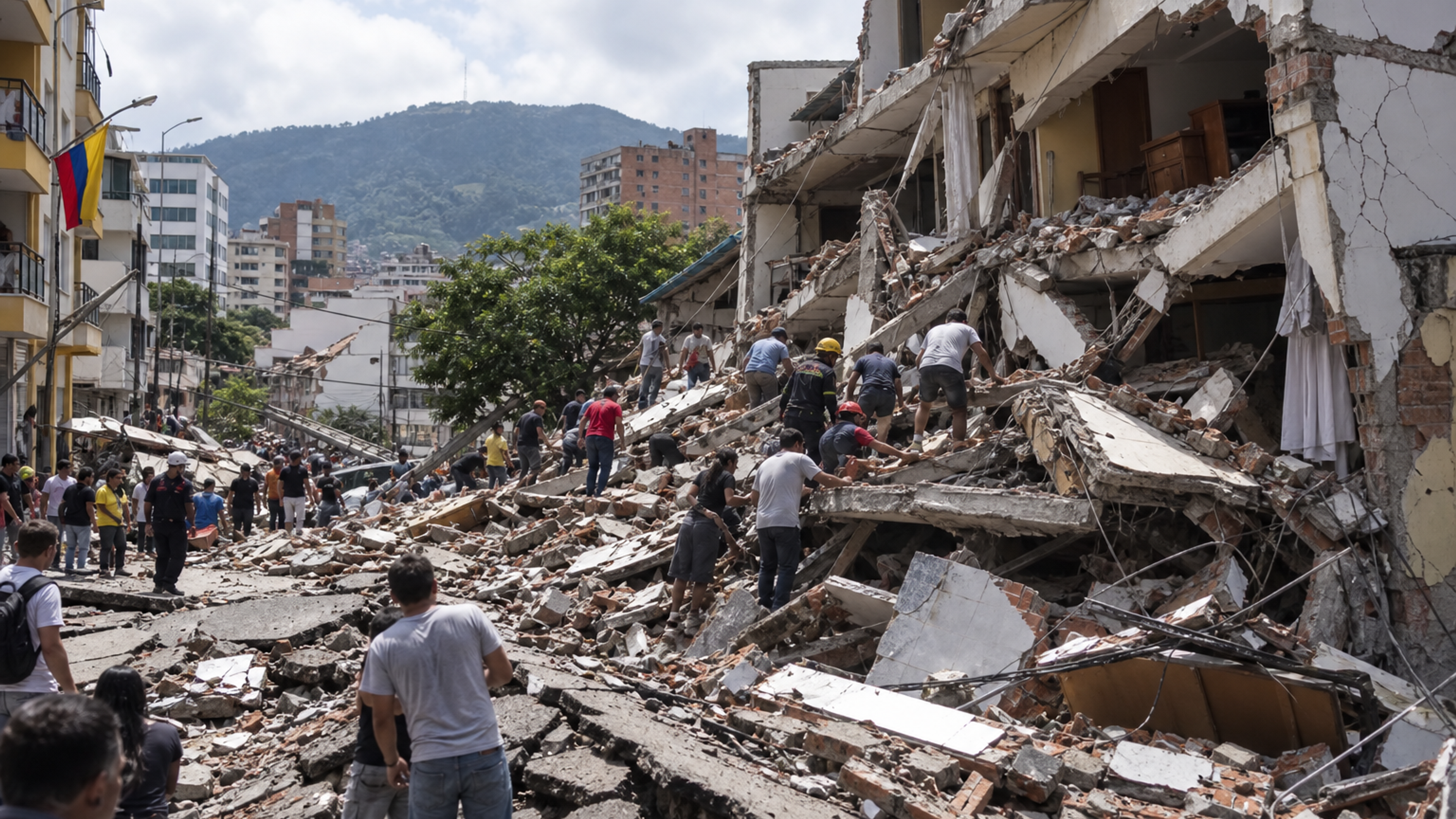
Un catastrófico terremoto de magnitud 7,4 sacudió el oeste de Colombia, provocando el derrumbe devastador de edificios, decenas de víctimas mortales y un pánico generalizado en las principales ciudades. Mientras los equipos de rescate buscan supervivientes entre los escombros, la comunidad internacional debe movilizarse para apoyar los esfuerzos de ayuda humanitaria de organizaciones verificadas.
Pledge4Peace.org
August 17, 2026
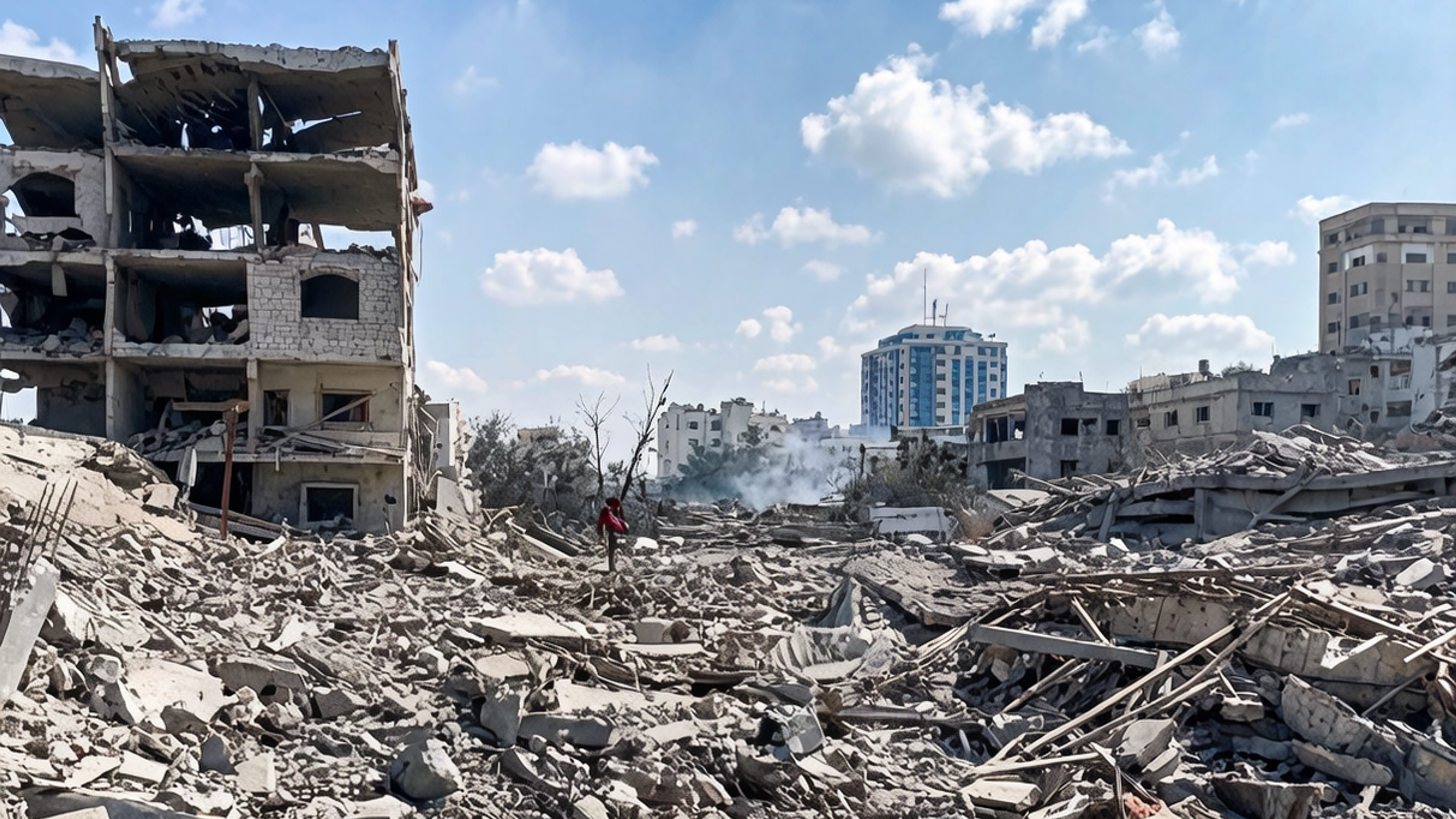
Un mes después de que catastróficos terremotos gemelos azotaran la costa norte de Venezuela, el número de fallecidos ha superado los 5.300. Con barrios enteros reducidos a escombros y decenas de miles de personas aún desaparecidas, los sobrevivientes continúan buscando a sus seres queridos entre los restos. Descubre las historias de quienes fueron afectados, los desafíos de la recuperación y cómo ciudadanos de todo el mundo pueden apoyar las labores de ayuda verificadas sobre el terreno.
Pledge4Peace.org
July 27, 2026
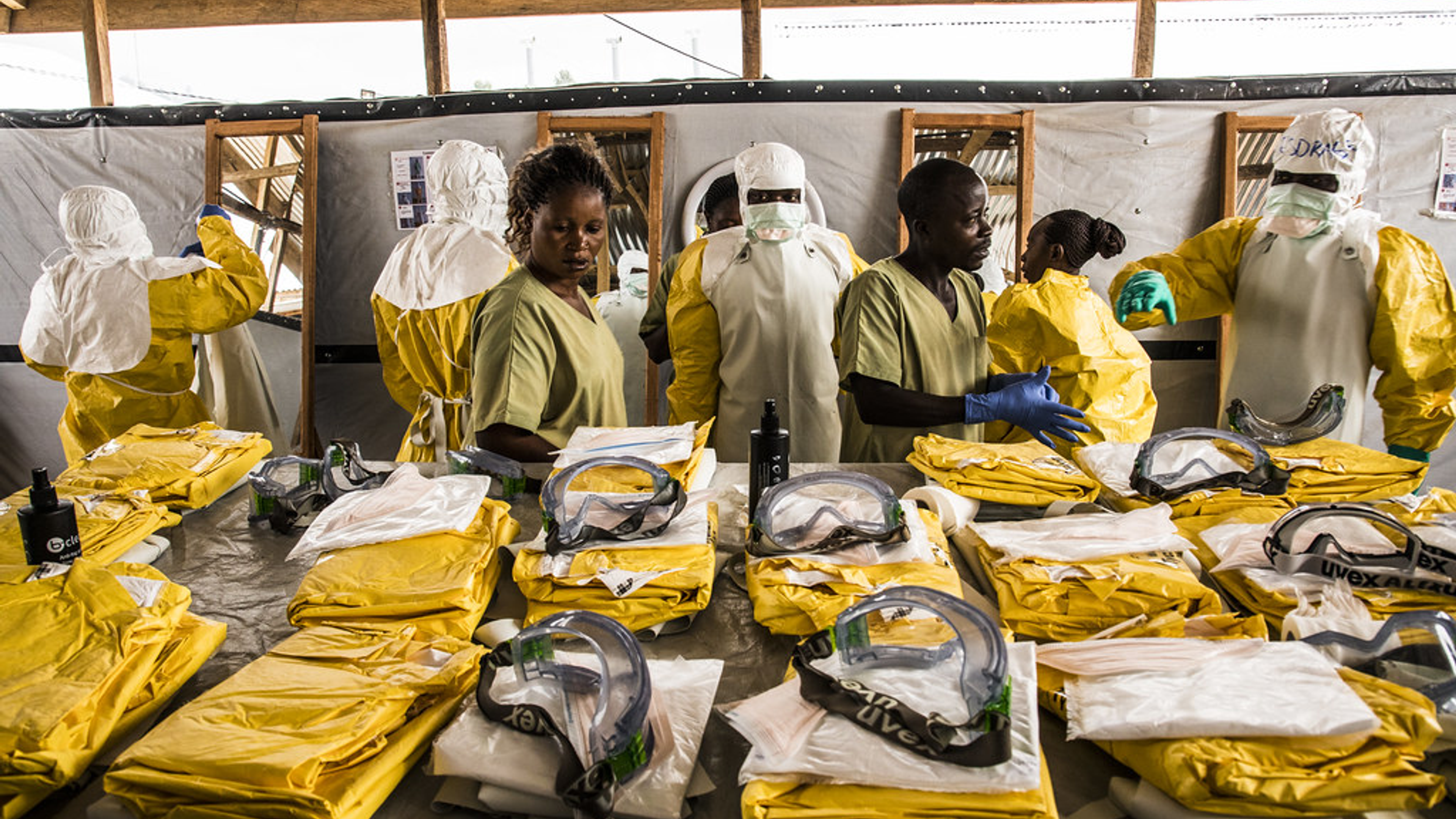
A medida que el brote de Ébola de 2026 se acelera en la República Democrática del Congo (RDC), la atención internacional ha priorizado con frecuencia la contención interna por encima de la mitigación local. Comprenda las causas estructurales, desde el contagio zoonótico hasta la pobreza sistémica, y descubra cómo la sociedad civil puede exigir políticas de salud equitativas y apoyar los esfuerzos humanitarios de primera línea.
Pledge4Peace.org
June 13, 2026
