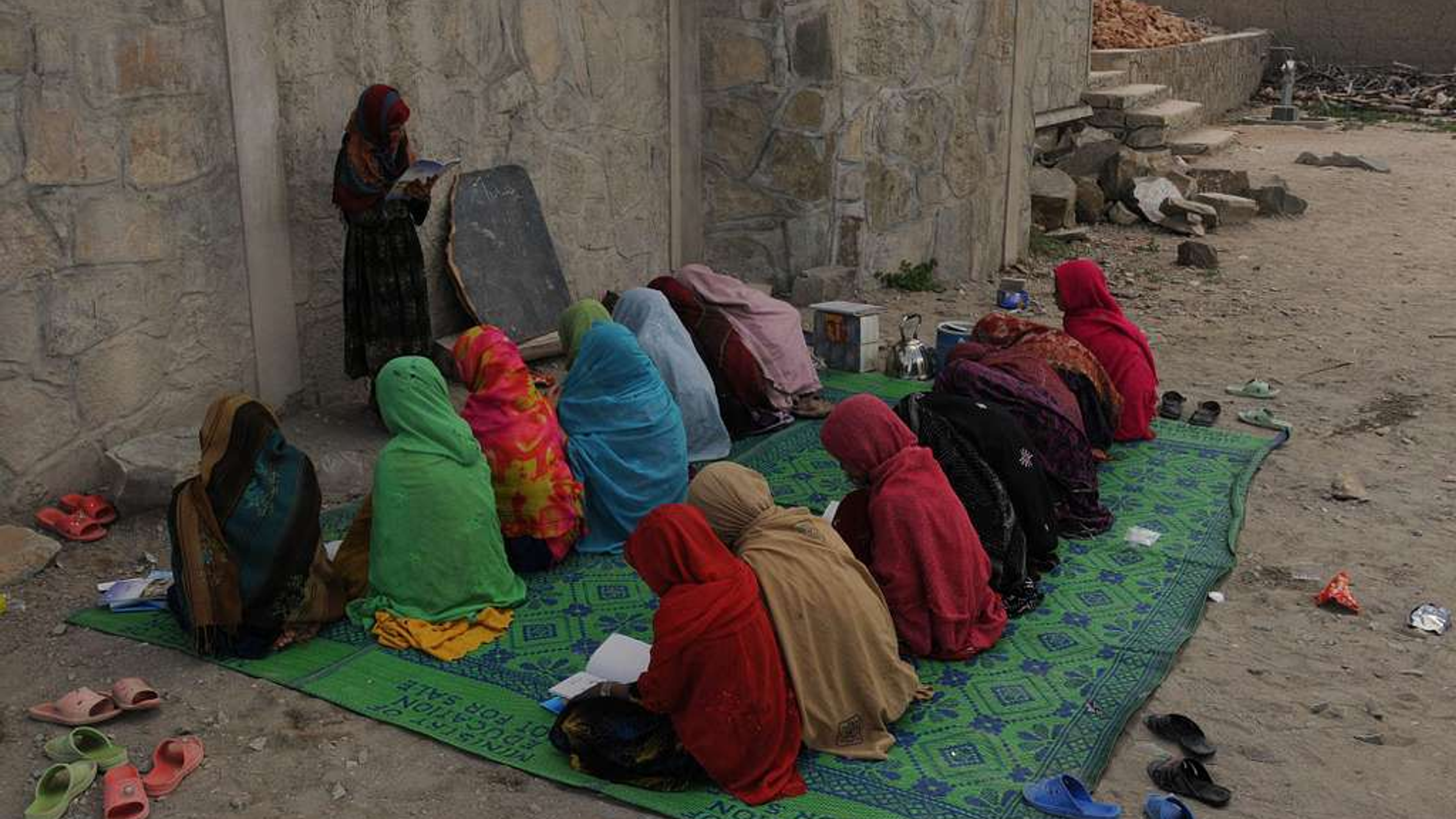

Afghanistan is facing one of the most severe education crises in the world today. According to the United Nations, more than 2.2 million Afghan girls are currently prohibited from attending school beyond primary education, following restrictions imposed after August 2021. When combined with other barriers such as poverty, displacement, insecurity, and lack of infrastructure, up to seven million children are now out of school entirely.
The scale of this exclusion is historic. Afghanistan is the only country in the world where girls are systematically banned from secondary and higher education by state policy.
UN officials warn that if these restrictions continue, an entire generation of Afghan girls will grow into adulthood without formal education, professional skills, or economic independence.
This is not a temporary disruption. It is a structural shutdown of opportunity.
Education is not only about literacy or employment. It is a foundation for public health, governance, stability, and social cohesion.
When girls are denied education, the consequences ripple across every sector of society.
Afghanistan already faces severe shortages of female professionals, particularly in health care and education. Female doctors, nurses, and teachers are essential in a society where cultural norms often require women to receive services from other women. As educated women disappear from the workforce, access to health care for women and girls declines, maternal mortality rises, and preventable illnesses increase.
Economically, the impact is staggering. The World Bank and UN agencies estimate that excluding women and girls from education and employment can cost a country billions of dollars annually in lost productivity. For Afghanistan, already facing economic collapse, the long-term damage could take generations to reverse.
Socially, the ban accelerates early marriage, child labor, and dependency. Girls without access to school are more likely to be married as children, face higher risks of domestic violence, and lose the ability to make independent life choices.
Rather than stabilizing society, the education ban deepens poverty, increases inequality, and erodes trust between citizens and institutions.
Beyond economic and structural consequences, the education ban carries a profound human toll.
UN interviews and humanitarian assessments document widespread psychological distress, depression, and loss of hope among Afghan girls. Many report feeling invisible, abandoned, or punished simply for being female.
Education is closely linked to mental health, social connection, and a sense of future. Removing it creates isolation and despair, especially for adolescents who had already experienced conflict, displacement, and trauma.
When millions of young people are denied purpose and possibility, the long-term risks include social fragmentation, increased vulnerability to exploitation, and cycles of instability that no amount of force can resolve.
Yes — clearly and directly.
The education ban violates multiple international agreements Afghanistan is bound by, including the Universal Declaration of Human Rights (UDHR).
Article 26 of the UDHR states that everyone has the right to education, and that education shall be directed to the full development of the human personality and respect for human rights.
By restricting education based on gender, the ban also violates principles of non-discrimination enshrined in international law, including the Convention on the Rights of the Child and the Convention on the Elimination of All Forms of Discrimination Against Women.
While enforcement mechanisms are limited, the legal and moral consensus is not ambiguous. Denying education to girls is not a cultural variation, it is a violation of universally recognized human rights.
This crisis is not isolated.
When millions of children are denied education, the effects do not stop at national borders. Poverty, displacement, humanitarian dependency, and instability spill across regions. Education gaps today become security and humanitarian crises tomorrow.
Moreover, allowing systemic gender-based exclusion to persist without sustained global pressure sets a dangerous precedent. It weakens international norms designed to protect civilians everywhere.
Education is one of the most effective tools for peacebuilding. Societies with higher education access, especially for women, consistently show lower levels of violence, stronger institutions, and greater resilience to extremism.
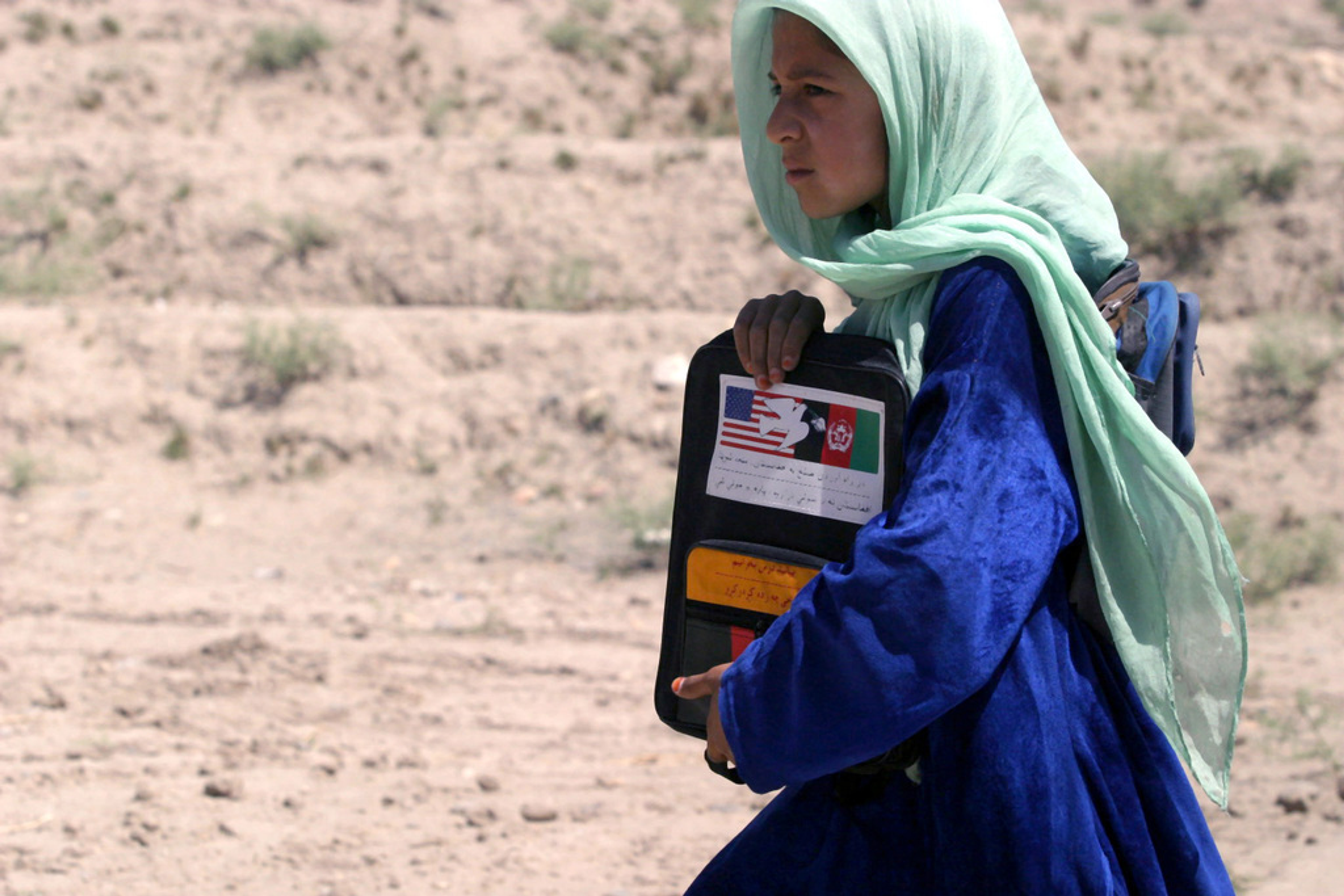
While governments and institutions carry primary responsibility, civilians around the world are not powerless.
Awareness is the first step. Sharing verified information counters normalization and silence.
Supporting organizations that provide community-based education, remote learning, and humanitarian aid helps preserve pathways for learning even under restrictive conditions.
One of the most significant actors is UNICEF, which supports community-based education programs across Afghanistan. These programs operate at the local level, often in homes or small community spaces, and are currently one of the only legal pathways through which girls can continue learning beyond early childhood. UNICEF also provides learning materials, trains local educators, and delivers psychosocial support to children affected by prolonged exclusion from school.
UNESCO plays a different but equally critical role. While it has limited operational capacity on the ground, UNESCO monitors and documents education rights violations, supports literacy and skills-based programs for women, and provides the data that underpins international advocacy. Its reporting ensures that the erosion of girls’ education in Afghanistan remains visible to governments and global institutions, rather than fading into silence.
Support for women and girls also comes from UN Women, which funds women-led community initiatives, livelihood programs, and safe spaces where Afghan women can access education, legal awareness, and peer support. These programs focus not only on learning, but on preserving women’s agency and economic survival in an increasingly restrictive environment.
Several international humanitarian organizations continue to adapt their operations to remain active. The International Rescue Committee runs women-only education, health, and counseling spaces, offering literacy, numeracy, and vocational training. CARE supports education alongside cash assistance and livelihoods for women-headed households, helping reduce the pressure that often forces girls into early marriage when schooling disappears. The Norwegian Refugee Council provides informal and accelerated learning programs for displaced girls, while Save the Children continues to operate learning centers, train teachers, and offer psychosocial support to children coping with long-term exclusion.
It is important to be clear about the limits of these efforts. No organization can currently replace a functioning national education system for girls in Afghanistan. Most of these programs are stopgap measures designed to prevent total educational collapse, not long-term solutions. They operate under constant uncertainty, with access that can be revoked at any time.
At Pledge4Peace, this is where civilian action becomes meaningful. By voting on campaigns, sharing verified information, and supporting peaceful, rights-based solutions, global citizens help ensure that the exclusion of Afghan girls from education is not normalized or forgotten.
Public advocacy matters. When global citizens consistently raise this issue in democratic spaces, media, and civic platforms, it increases pressure on decision-makers and international bodies to prioritize education in diplomacy and aid.
Most importantly, peaceful civic engagement creates visibility. Problems that remain visible are harder to ignore.
At Pledge4Peace, we believe peace begins with dignity, opportunity, and human rights, not coercion or exclusion.
Education is one of the most powerful peace-building tools available. When it is denied, peace becomes fragile and temporary.
Through our campaigns, global citizens can vote on non-violent, people-centered solutions to conflicts and humanitarian crises, helping ensure civilian needs remain at the center of global decision-making.
Millions of Afghan girls are being denied their right to learn, and with it, their future.
This is not only a crisis of education. It is a crisis of human dignity.
If you believe education is essential for peace, stability, and human rights, take action today.
Vote on peace-driven campaigns: https://pledge4peace.org/campaigns/
Share this story. Keep it visible.
Peace does not grow in silence. It grows when people choose awareness, accountability, and action.
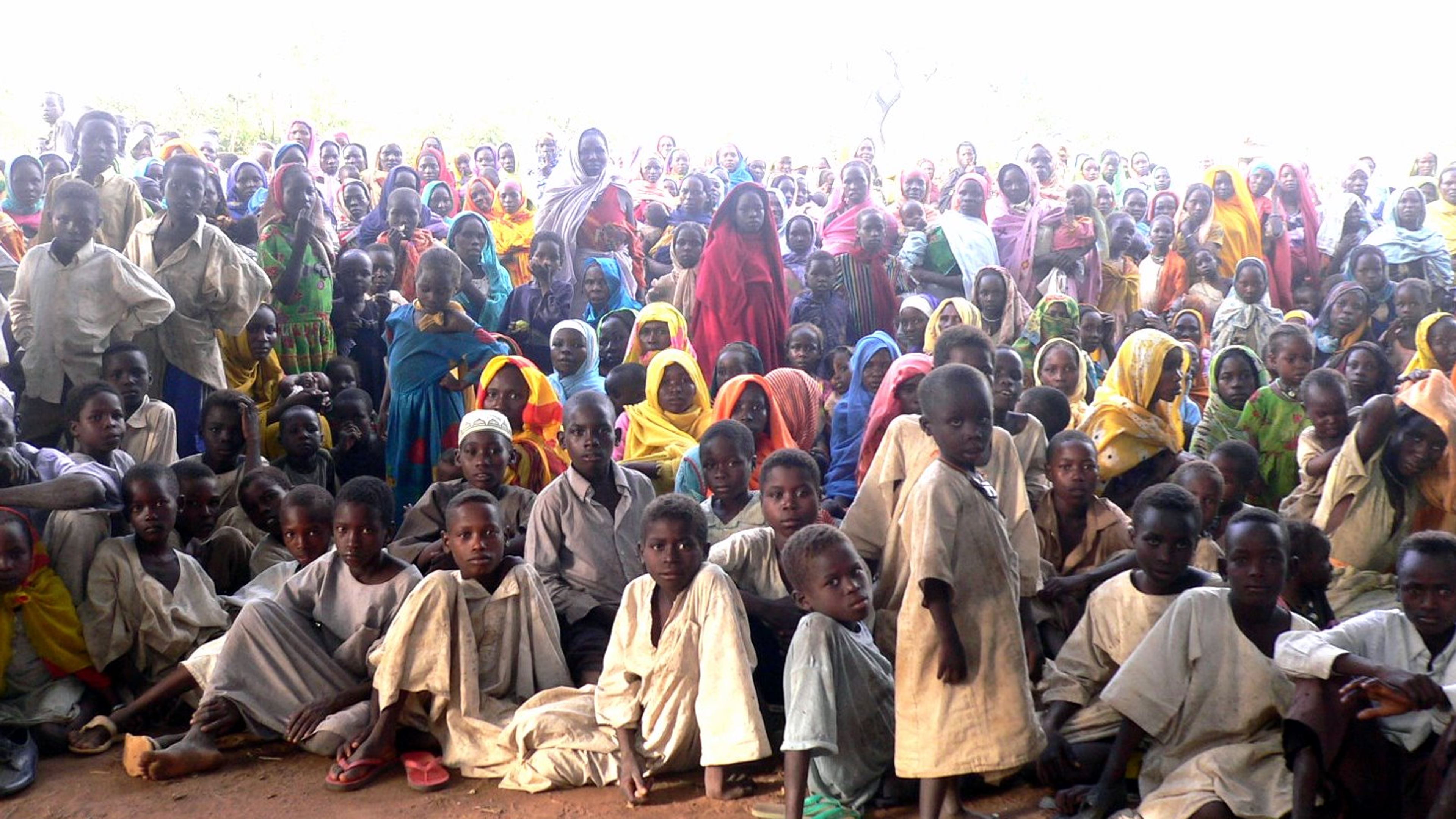
Sudan is facing the world’s worst humanitarian disaster. A devastating civil war has displaced over 11 million people, left 28 million facing acute hunger, and triggered an unprecedented wave of sexual violence used systematically as a weapon of war. Uncover the strategic crisis in El-Obeid, the harrowing UN reports, and how global citizens can take immediate action to demand international accountability and support peaceful resolutions.
Pledge4Peace.org
June 26, 2026
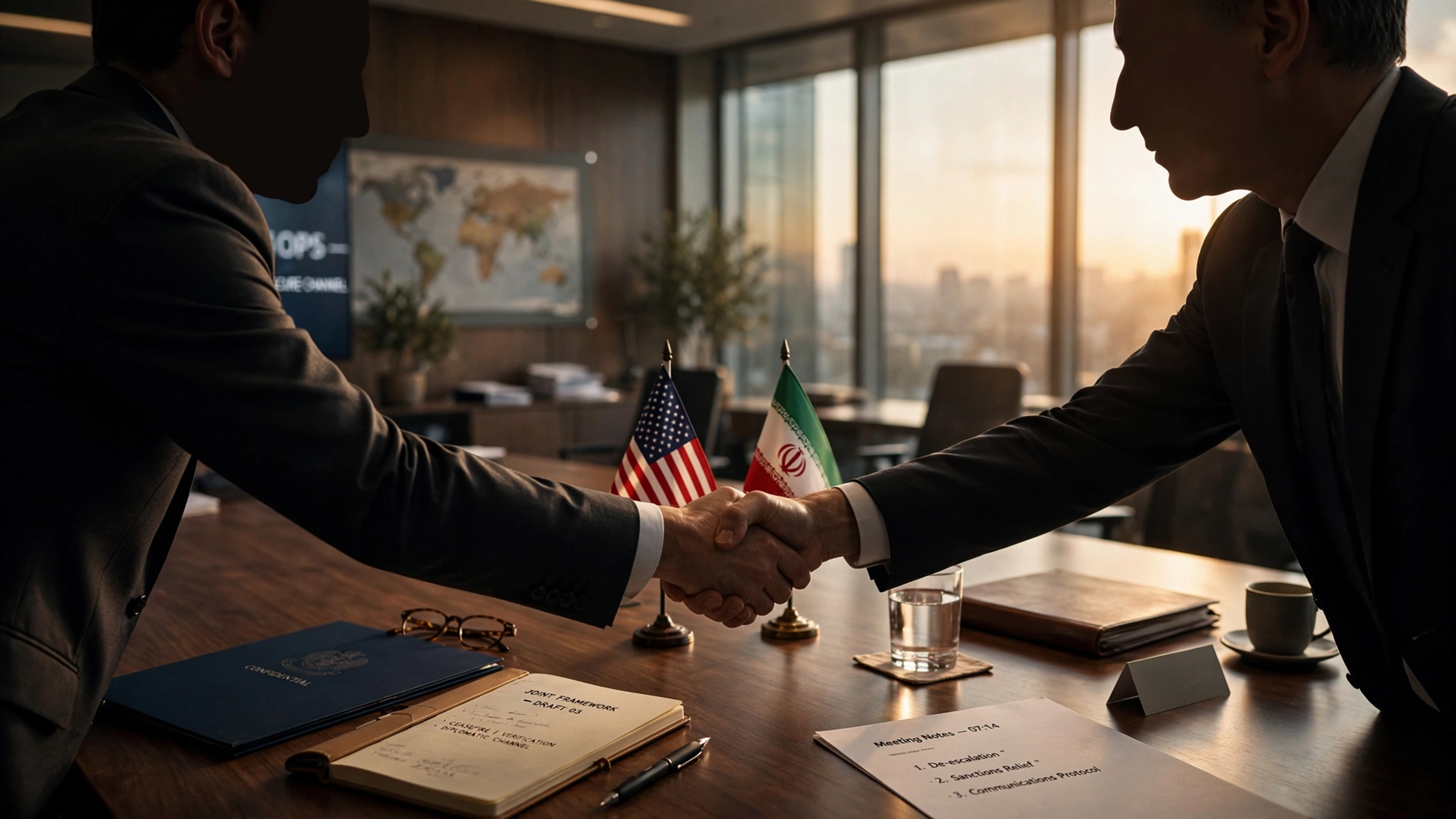
Alors Que Les Tensions Atteignent Un Point Critique En 2026, La Guerre Entre Les États-Unis Et L’Iran N’Est Plus Un Conflit Localisé ; C’Est Une Crise De Sécurité Mondiale. Tandis Que Les Dirigeants Politiques Débattent D’Accords « Presque Définitifs » Qui Restent Contestés Publiquement, Des Millions De Civils Subissent Le Poids De Sanctions Économiques Dévastatrices Et De L’Escalade Militaire. Il Est Temps De Mettre En Place Un Cadre Permanent Et Structurel Pour Garantir Une Paix Durable Au Moyen-Orient.
Pledge4Peace.org
June 16, 2026
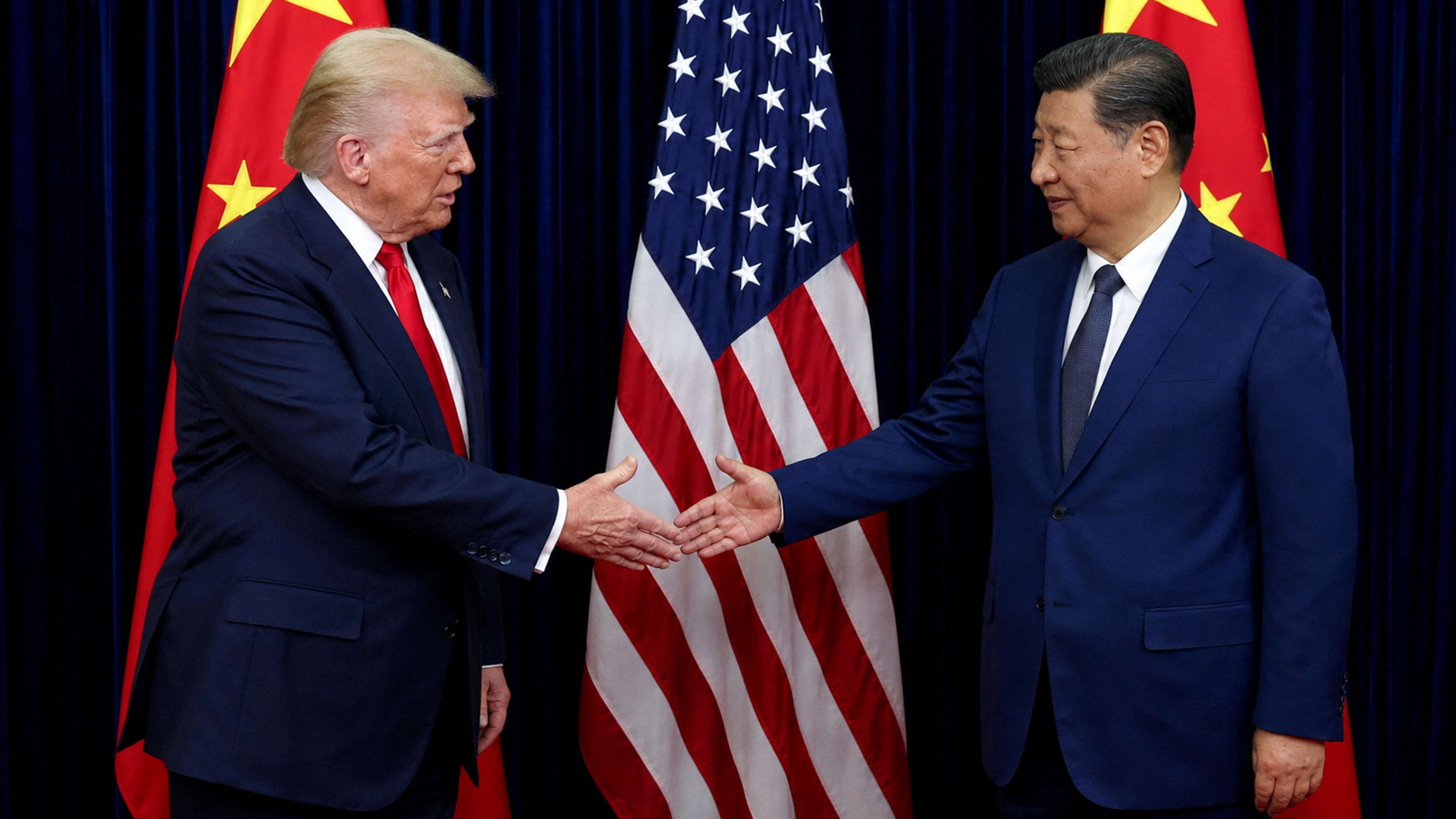
Lors du très attendu sommet de Pékin de mai 2026, le président américain Donald Trump a lancé un appel direct au président chinois Xi Jinping : utiliser l’immense influence économique et politique de Pékin sur Moscou pour mettre fin à la guerre de cinq ans en Ukraine. Mais une paix négociée par la Chine est-elle possible ?
Pledge4Peace.org
June 4, 2026
