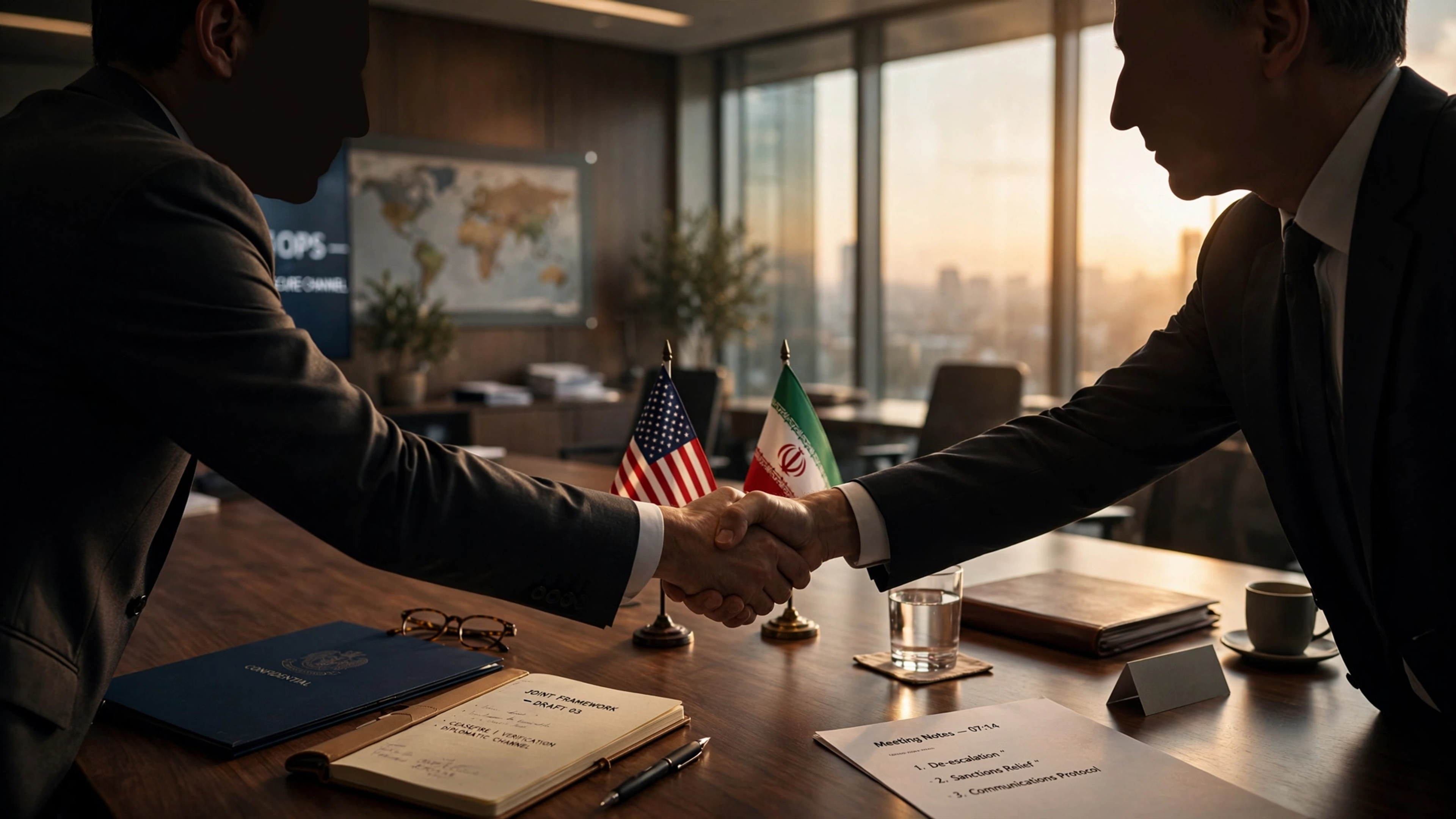
Le conflit est en hausse. Rejoignez le mouvement pour créer un avenir pacifique. Signez le Pledge

Le conflit est en hausse. Rejoignez le mouvement pour créer un avenir pacifique. Signez le Pledge


The Voter Brief
To understand why suspicion keyed to ancestry is a betrayal of the American idea, you have to start at the beginning. The land that became the United States was never empty, and never one thing. Native Americans, also called American Indians, First Americans, and Indigenous Americans, are the original peoples of this continent, hundreds of distinct nations with their own languages, governance, and civilizations long before 1492. They remain here today: over five million Native Americans, about 80% of whom live outside reservations. Their prior and continuing presence is the first fact of American identity, this country belonged to them first.
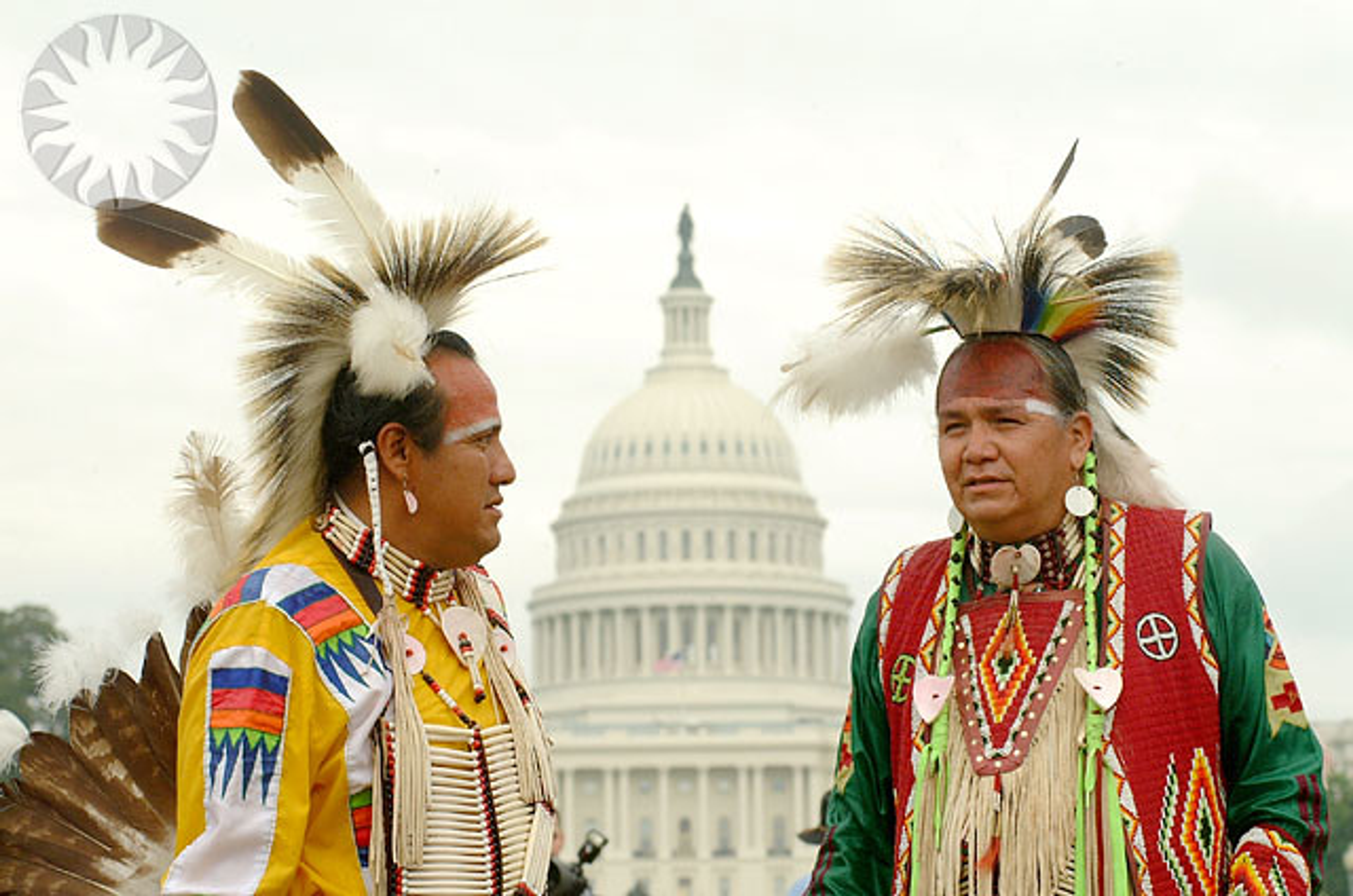
What followed was not a single founding but a continuous arrival. Immigration has shaped the United States throughout its history, and today it holds the largest immigrant population in the world in absolute terms: 53.3 million foreign-born residents, 15.8% of the population as of January 2025, both record highs. Count immigrants and their U.S.-born children together and the figure exceeds 93 million people, 28% of the total U.S. population. Though the country is roughly 4% of humanity, it is home to about 17% of all international migrants.
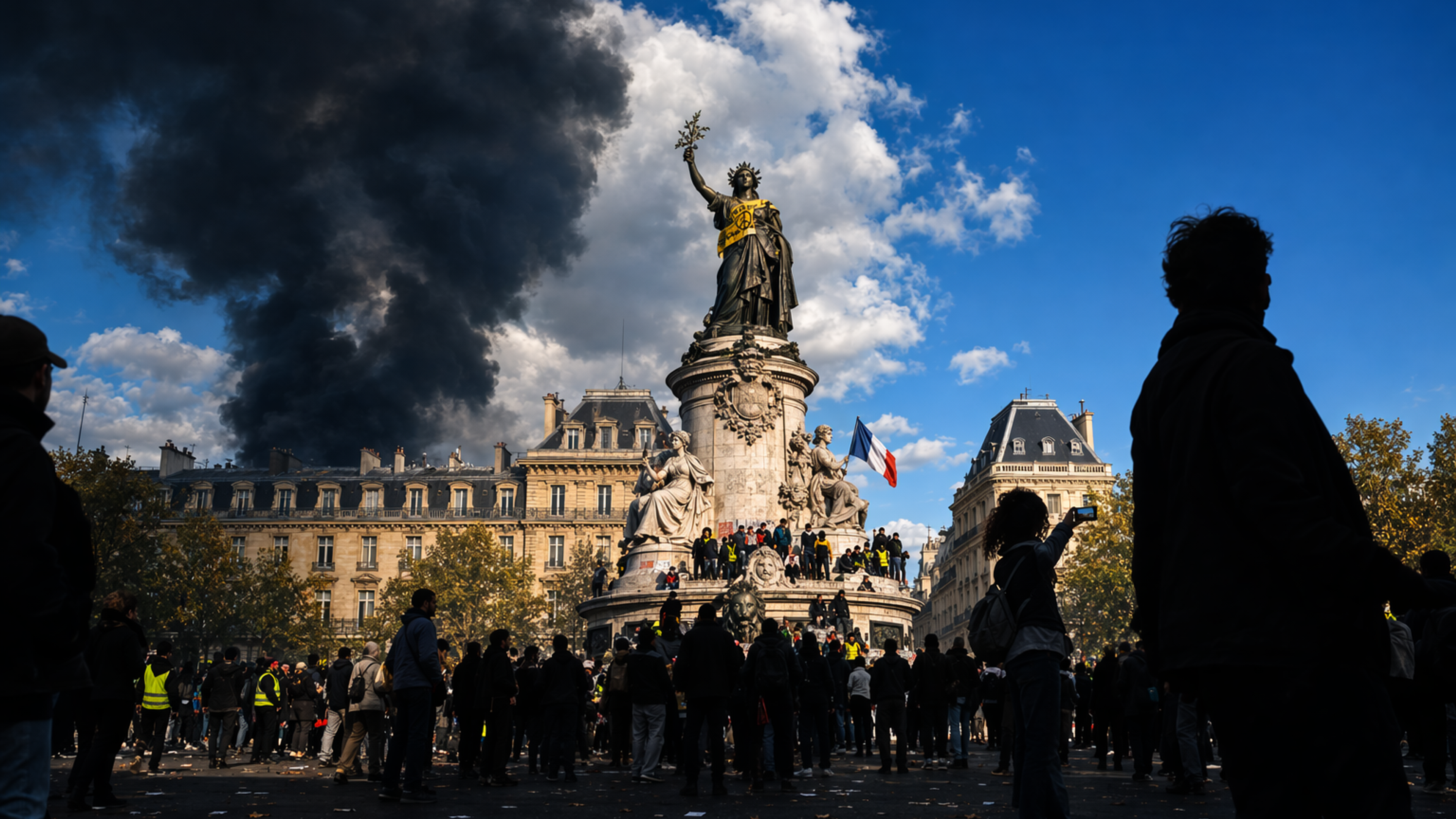
Les manifestations nationales en France mettent en lumière de profondes inégalités sociales et des préoccupations quant à la responsabilité de la police. Découvrez comment la réforme de la justice, la défense des droits humains et le dialogue pacifique peuvent contribuer à résoudre le conflit et à bâtir une société plus pacifique.
Pledge4Peace.org
October 20, 2026

Sudan is facing the world’s worst humanitarian disaster. A devastating civil war has displaced over 11 million people, left 28 million facing acute hunger, and triggered an unprecedented wave of sexual violence used systematically as a weapon of war. Uncover the strategic crisis in El-Obeid, the harrowing UN reports, and how global citizens can take immediate action to demand international accountability and support peaceful resolutions.
This diversity is not incidental; it is the country's defining characteristic. The federal census recognizes White, Black, Native American/Alaska Native, Asian, Native Hawaiian/Other Pacific Islander, and multiracial populations, and in several states, including California and Hawaii, no single group is a majority. The West alone is home to 46% of Asian Americans, the very community now most exposed to suspicion.
Honest history requires naming the counter-current. Exclusion laws enacted as early as the 1880s specifically prohibited or severely restricted immigration from Asia, and the National Origins Formula of 1921–1965 limited immigration and naturalization for everyone outside Northwestern Europe. It took the civil rights movement to replace those ethnic quotas with per-country limits in 1965. In other words, the idea that certain peoples are less welcome, or less trustworthy, because of where their ancestors were born is not a new invention. It is a documented, repealed prejudice.
That is precisely the inheritance that today's reflex revives. When a Taiwanese American who served as a U.S. intelligence officer and worked on semiconductor policy for the House Select Committee on the Chinese Communist Party, researcher Ethan Chiu, can be casually called a "Chinese spy" by a colleague, as he recounts in Foreign Policy, the old logic of the exclusion era is whispering again: you can serve, but you will never fully belong.
Vote on the No Hate in United States campaign today to back concrete solutions that end hate and discrimination: https://pledge4peace.org/campaigns/no-hate-in-the-united-states
The climate Chiu describes has a paper trail. The clearest evidence comes from the U.S. Department of Justice's China Initiative, launched in 2018 to counter Chinese economic espionage and ended in February 2022 after sustained criticism. Data compiled by MIT Technology Review and reported by Mother Jones found that nearly 90 percent of those charged under the program were of Asian descent, yet the only high-profile academic convicted in that span, Harvard chemist Charles Lieber, is white, and was convicted of making false statements, not espionage. The rhetoric targeted a demographic; the outcomes did not match it.
Several cases show how fast suspicion outran evidence:
Civil-rights groups, Asian American organizations, and lawmakers demanded a formal probe of the initiative for what they called the racial profiling of Chinese American researchers (Axios). The Justice Department ultimately discontinued the program, acknowledging civil-rights concerns.
Sign the pledge and vote on the solutions in the No Hate in United States campaign to stand against hate and discrimination: https://pledge4peace.org/campaigns/no-hate-in-the-united-states

These are national-security problems in themselves. As Chemistry World and Nature coverage documented, many China Initiative cases collapsed because they rested on flimsy charges, wire fraud and false statements, rather than proof of spying. The chilling effect was real: researchers reported abandoning collaborations or leaving U.S. labs.
This is the paradox at the heart of the Jensen Huang debate. Genuine espionage questions must be investigated. But conflating the potential for coercion with proof of it, then extending suspicion to an entire demographic, produces three concrete harms: it lets real spies hide inside the noise, it silences whistleblowers, and it drives away world-class talent. As Chiu writes, the hysteria "will eventually, in concrete ways, make Americans less secure."
The United States was here first for Native Americans, and was then built by newcomers of every origin. In a nation whose very identity is diversity, suspicion keyed to ancestry is unacceptable, and, as the record shows, counterproductive. Zero discrimination is not a slogan; it is the country's own origin story, applied honestly.
You have the power to turn that belief into a recorded, counted stance. Vote on the solutions in the No Hate in United States – Pledge to End Hate & Discrimination campaign, a national commitment to safeguarding dignity, justice, and peace for all.
Sign the pledge, cast your vote on the proposals you believe will end hate and discrimination, and help ensure that being American is never treated as something to be suspected: https://pledge4peace.org/campaigns/no-hate-in-the-united-states
Sources: Wikipedia (U.S. immigration and demographics, Native Americans, race and ethnicity); MIT Technology Review (via Mother Jones); Science.org; Chemistry World / Nature; Axios; Council on Foreign Relations; The New York Times; Foreign Policy; statements from the offices of Senators Tim Scott and Jack Reed.
Pledge4Peace.org
June 26, 2026