Conflict is rising. Join the movement to create a peaceful future. Sign the Pledge

Conflict is rising. Join the movement to create a peaceful future. Sign the Pledge
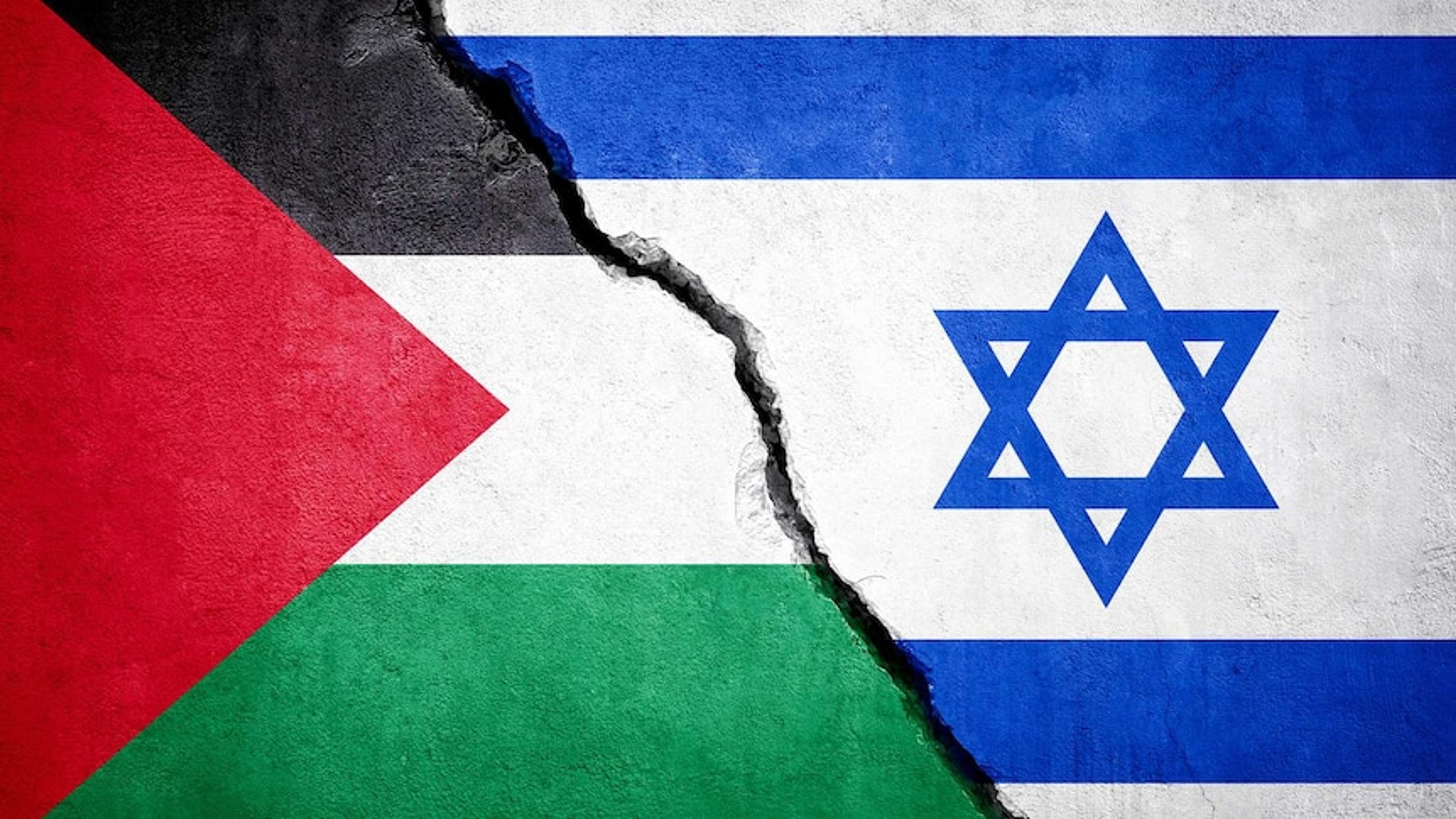

This “Final Agreement” is the intended roadmap for turning the October 9 ceasefire into a lasting peace settlement. It is anchored in the 20-point plan proposed by the U.S. and accepted in principle by Israel and Hamas, and it aims to address:
• Full withdrawal of Israeli forces from Gaza once stability is secured
• Permanent political governance under a reformed Palestinian Authority or neutral technocratic oversight
• Disarmament of Hamas, with reintegration of former fighters under strict oversight
• Comprehensive prisoner and hostage exchange, including returns of remains
• Long-term reconstruction and humanitarian investment in Gaza
• Security guarantees for Israel and Gaza, possibly via an international force or peacekeeping mission
• Roadmap to sovereign recognition / statehood, respecting international law and human rights
1. Political Ratification — Israel’s government must formally approve the agreement’s terms, as must major Palestinian stakeholders (PA, civil society, etc.).
2. Phased Implementation — The agreement will roll out in stages: troop pullbacks, prisoner releases, infrastructure rehabilitation, institution-building.
3. International Oversight & Guarantees — A “Board of Peace” or similar body may oversee transitions, with representation from neutral states and global institutions.
4. Monitoring & Accountability — Transparent mechanisms will track violations, grievances, and progress — including citizen oversight.
5. Dialogue & Reform — Parallel reforms in education, justice, law, and reconciliation must accompany the political deal.
6. Fallback Protocols — If one side violates terms, the agreement may impose sanctions, international arbitration, or restart negotiations — but without returning to full conflict.
• Hamas’ refusal (in the initial phase) to disarm or accept foreign administration raises trust issues
• Netanyahu’s earlier resistance to recognizing a Palestinian state indicates deep political friction
• Disputes over which prisoners are released or whether certain terms are treated as binding
• Potential violations during troop withdrawals or aid distribution
• Ensuring participation by all Palestinian factions and maintaining civil buy-in
In the coming weeks, diplomats and negotiators will refine legal texts, define oversight structures, and begin the first rounds of implementation. But citizen voice is essential to keep the focus on justice, protection, and lasting dignity. This is where you come in:• that define the character of the final agreement — from accountability to governance• Raise awareness about core principles like nonviolence, human rights, and transparency• Monitor progress and advocate for implementation, not just declarations• Push leaders in your country or region to support diplomatic pressure for peace
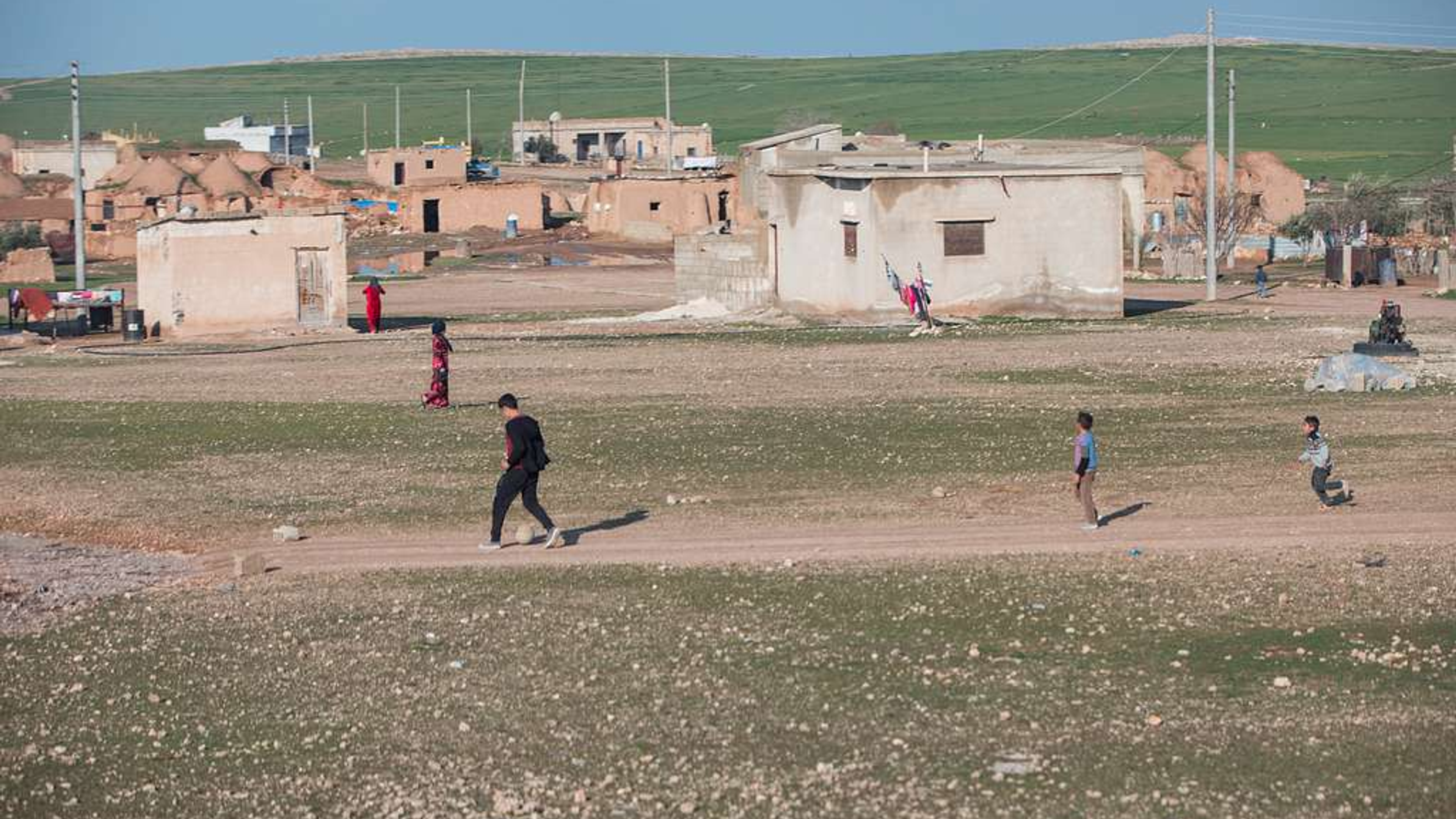
In war, children lose control over their lives, but play can bring some of that back. Across the globe, nearly 50 million children have been displaced by conflict and violence. Innovative play interventions and psychosocial support are critical for trauma recovery. However, the true mandate is for everyday citizens to demand an end to warfare through active global peace campaigns.
Pledge4Peace.org
September 17, 2026
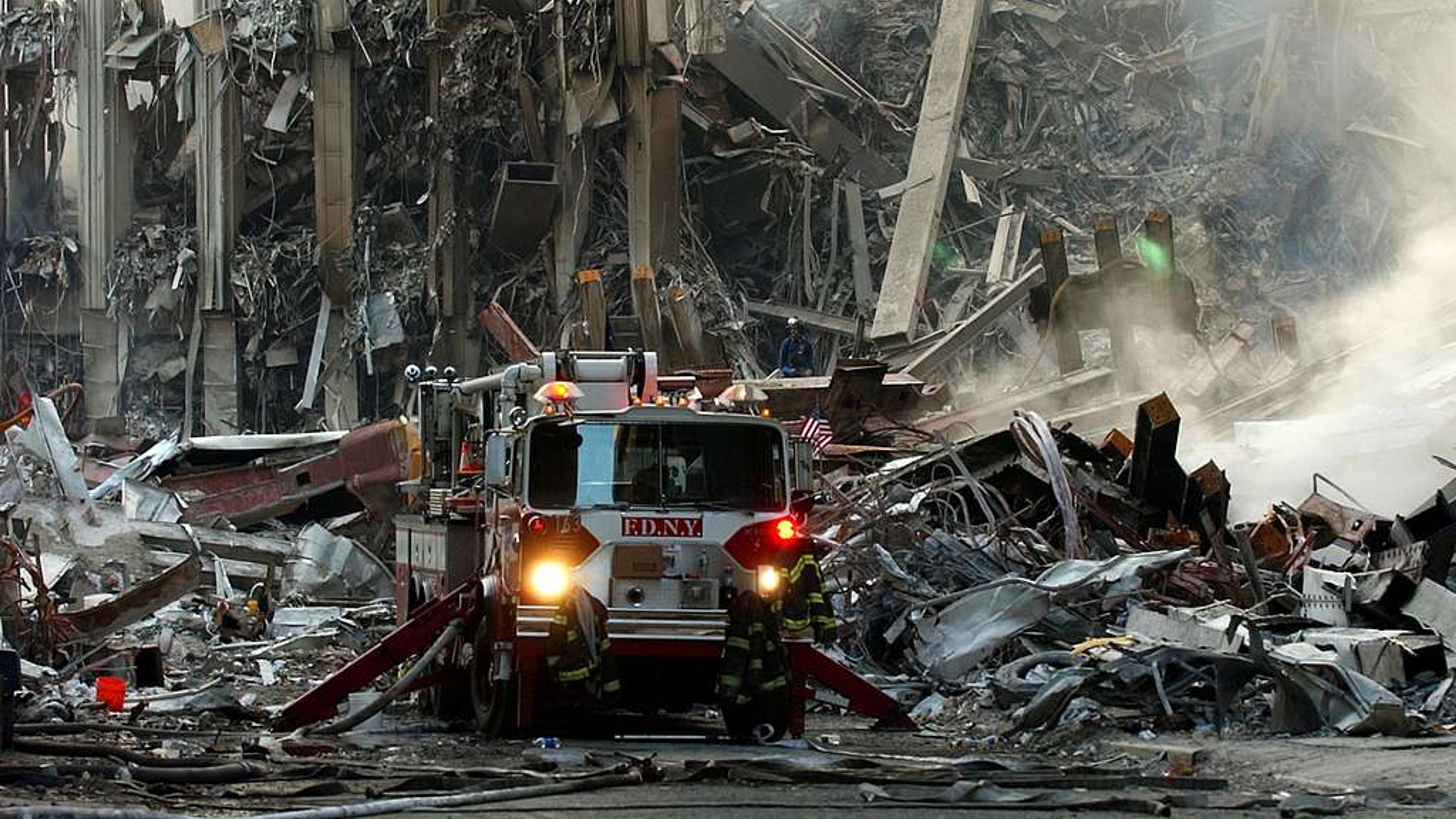
The September 11 attacks forever changed the United States, leaving a legacy of profound loss but also incredible heroism and national unity. By honoring the 2,977 victims and the brave first responders who made the ultimate sacrifice, we are reminded of our shared humanity. Today, Pledge4Peace calls upon that same spirit of solidarity to bridge divides and bring peace to global conflicts.
The ceasefire is a hard-won pause. The final agreement is the bold task of turning pause into permanence, but it can only succeed through citizen vigilance and global will.
Pledge4Peace.org
September 11, 2026