Conflict is rising. Join the movement to create a peaceful future. Sign the Pledge

Conflict is rising. Join the movement to create a peaceful future. Sign the Pledge

In August 1947, the Partition of India triggered one of the most devastating humanitarian crises in modern history. As the British Indian Empire was divided into the independent nations of India and Pakistan, religious lines were drawn through the heart of the Punjab region. The resulting violence displaced up to 20 million people and claimed the lives of up to two million Hindus, Sikhs, and Muslims. Neighbors who had lived side-by-side for generations were suddenly forced to flee, leaving behind their homes, their livelihoods, and their sacred places of worship.
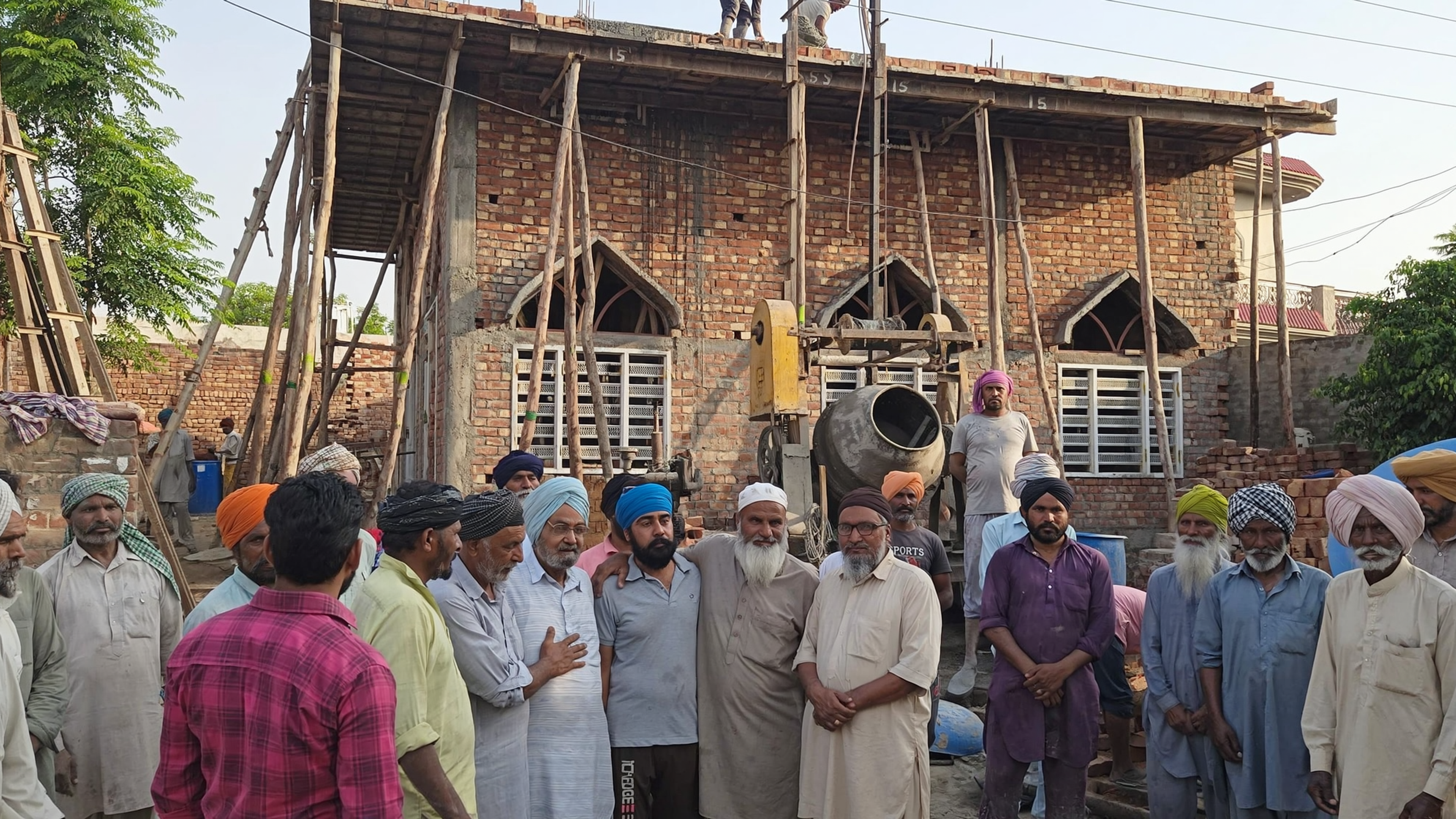
Today, nearly eight decades later, a profound movement of restorative justice is taking root in the very same villages once torn apart by sectarian violence. Across the Indian state of Punjab, Sikh and Hindu communities are quietly coming together to rebuild the old mosques that were abandoned and destroyed during the Partition. This extraordinary interfaith initiative is driven not by government mandates but by the deep-seated empathy and moral conscience of everyday citizens.
The emotional work of community building is largely being led by older generations who carry the living memory of the strife that ripped across the state, dividing families and land between India and Pakistan. By choosing to restore these Muslim places of worship, they are actively reversing a legacy of division.
In the village of Jakhiwal, the push for reconciliation was sparked by a 77-year-old Sikh woman, Bibi Rajinder Kaur, who urged her grandson to donate a portion of their land specifically for the construction of a new mosque. In Punawal, 48-year-old Jaspal Sharma, a man hailing from a family of Hindu priests, similarly donated land to his Muslim neighbors. When the mosque in Punawal was completed in February, Sharma celebrated by hosting a feast for the entire village to mark the historic occasion.
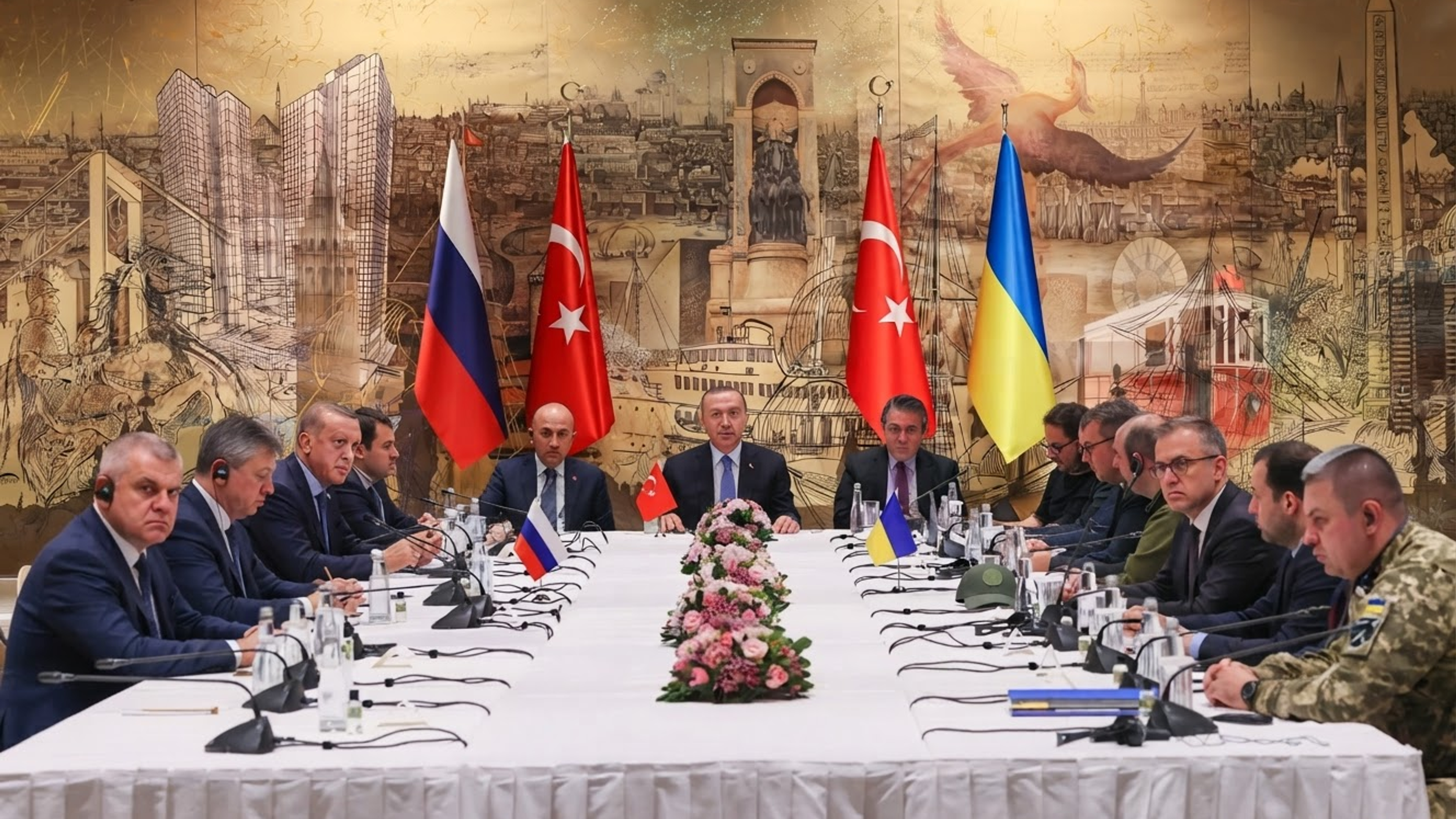
The United States will mediate working-level peace talks between Ukraine and Russia in Abu Dhabi on November 10–11, 2026. The talks will focus on post-war security, de-escalation and humanitarian efforts. They follow a rare ceasefire that brought aid into Oleshky, and they give new hope that diplomacy can lead to a lasting peace.
Pledge4Peace.org
November 4, 2026
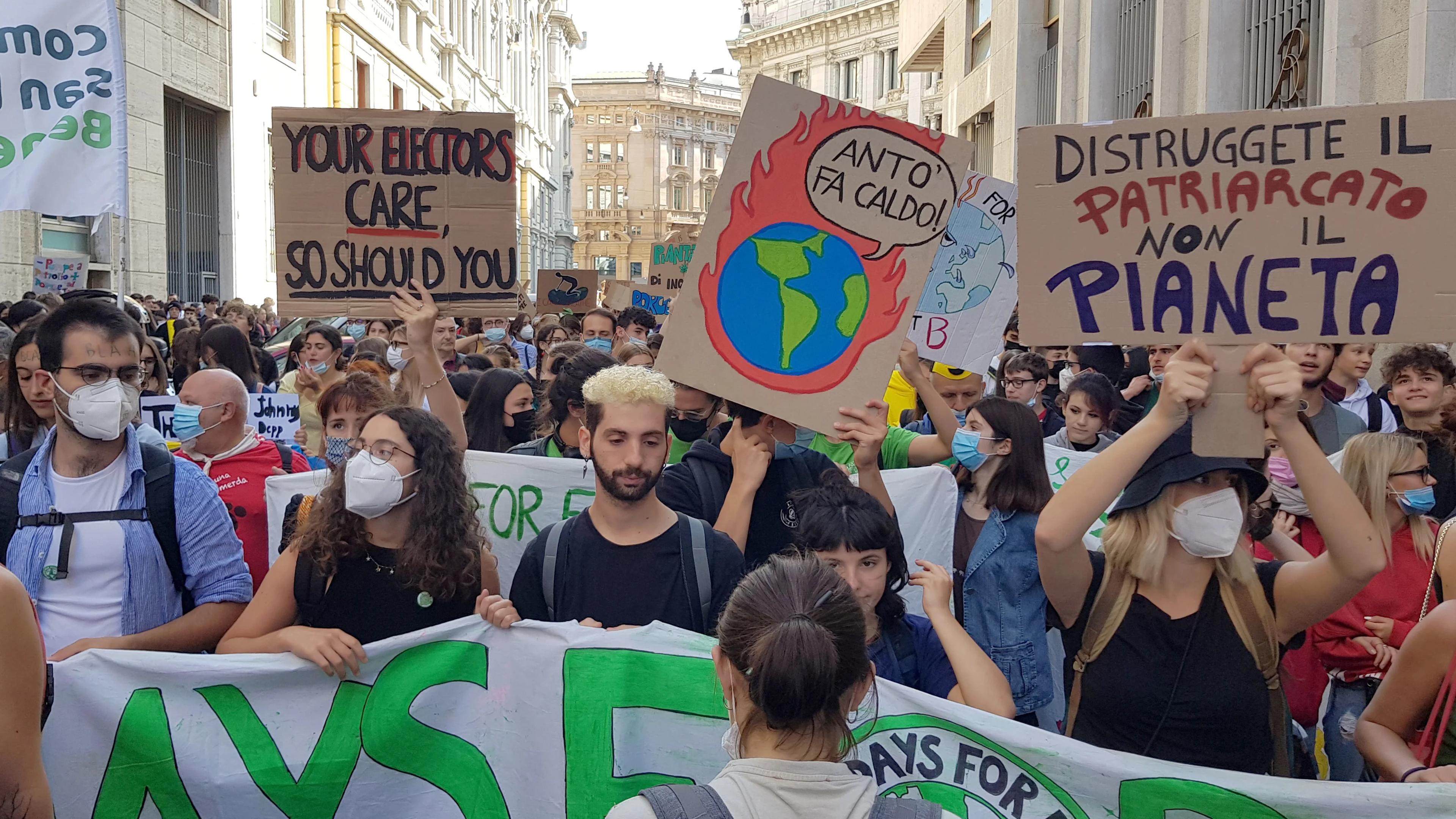
A severe cost-of-living crisis, driven by wars, soaring fuel prices, and stagnant wages, has sparked a wave of protests across Europe, the Americas, and Asia. Here is how global conflict fuels inflation and inequality, and why diplomacy is the way forward.
The effort is characterized by a remarkable spirit of collaboration. According to Sharma, the initiative was a collective triumph: "Everyone in the village, Hindus and Sikhs together, contributed what they could." Villagers pooled their resources, with some offering financial donations while others provided essential building materials like bricks and cement.
Inspired by this powerful act of grassroots unity? You have the power to demand this same standard of peace and equity globally. Add your voice to the movement: https://pledge4peace.org/campaigns.
This grassroots movement extends to the preservation of historical sites as well. In the village of Umarpura, local Sikhs dedicated their time and labor to restore an antique Muslim shrine. For the residents of these communities, the motivation is simple but profound: a shared commitment to human dignity.
Sukhjinder Pander, a Sikh man from Umarpura who donated his own physical labor to the restoration work, articulated the prevailing sentiment: "We live as one, and no matter what happens in the rest of the country, the mood here is that of love and unity." He emphasized that the collective conscience of Punjab "cannot tolerate cruelty against a being, irrespective of caste and religion."
These actions demonstrate that the most durable forms of peace do not originate in the halls of power. The residents of these Punjabi villages required no courts or constitutional amendments to enact a policy of religious tolerance. Instead, unity is woven directly into the fabric of their diverse landscape, creating an environment where both Muslim and Sikh holy festivals, such as Eid and Gurpurab, are celebrated with equal fervor by all communities.
The rebuilding of mosques in Punjab is more than a localized story of architectural restoration; it is a global testament to the resilience of the human spirit. It forces us to confront a powerful truth: if communities that experienced the catastrophic violence and displacement of the 1947 Partition can bridge their divides to rebuild each other's sacred spaces, then reconciliation is possible anywhere.
We must deeply appreciate this level of interfaith cooperation. It requires immense courage to look past historical trauma and extend a hand of genuine solidarity. The actions of the Sikhs and Hindus in Punjab serve as a blueprint for how empathy, mutual respect, and grassroots unity can repair torn social fabrics.
As global citizens, we have a responsibility to harness this exact emotion, this profound appreciation for unity, and apply it to the geopolitical conflicts and social fractures of our modern world. True peace is not simply the absence of war; it is the active, continuous effort to build systems of mutual support and accountability.
While the physical rebuilding of these sacred spaces in Punjab is a deeply local, grassroots effort, we must also recognize and give profound credit to the broader organizations and NGOs that amplify, fund, and protect these interfaith initiatives. Groups such as Jamiat Sadbhavana Manch, The Kalgidhar Trust (Baru Sahib), and the International Association for Religious Freedom (IARF) play a crucial role in fostering social cohesion, facilitating resources, and advocating for religious freedom on a global scale.
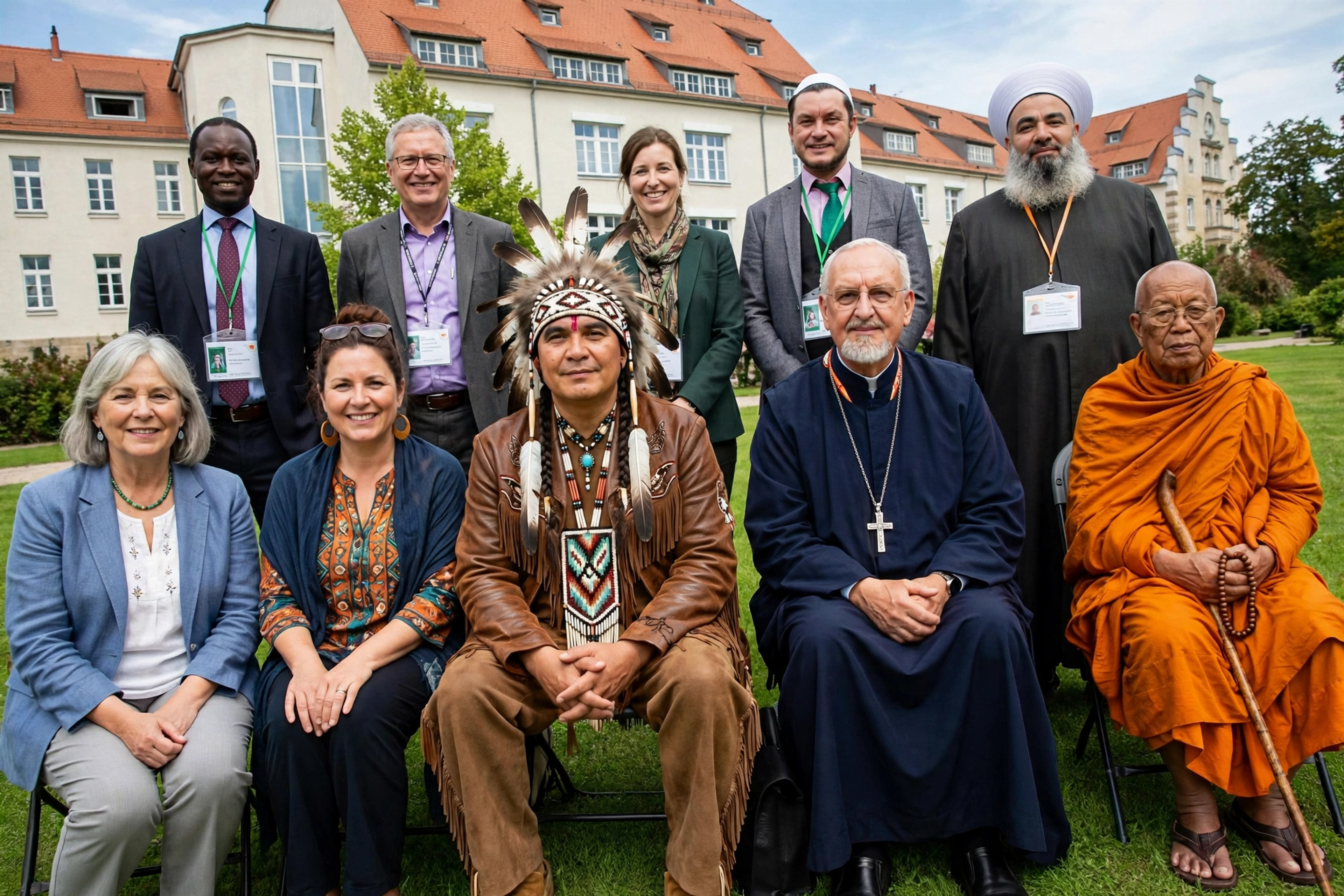
As everyday citizens, there are immediate, tangible ways you can promote and support organizations like these: you can contribute directly to their community-level funding initiatives, volunteer your time in local interfaith dialogues, or actively amplify their mission on social media to inspire broader community action.
We must not simply observe this story from afar; we must let it inspire us to take definitive action. The people of Punjab have proven that unity is a choice that everyday people can make to transform their communities.
You have the power to demand this same standard of diplomatic resolution, equity, and peace on a global scale. We urge you to stand in solidarity with those working to heal historical divides and actively participate in building a more peaceful future.
Join the movement and add your voice to the global mandate for diplomatic resolution. Encourage your communities to unite and work together to bring peace to conflicts around the world by supporting our active campaigns today.
Take action now and vote for peace: https://pledge4peace.org/campaigns.
Pledge4Peace.org
October 22, 2026