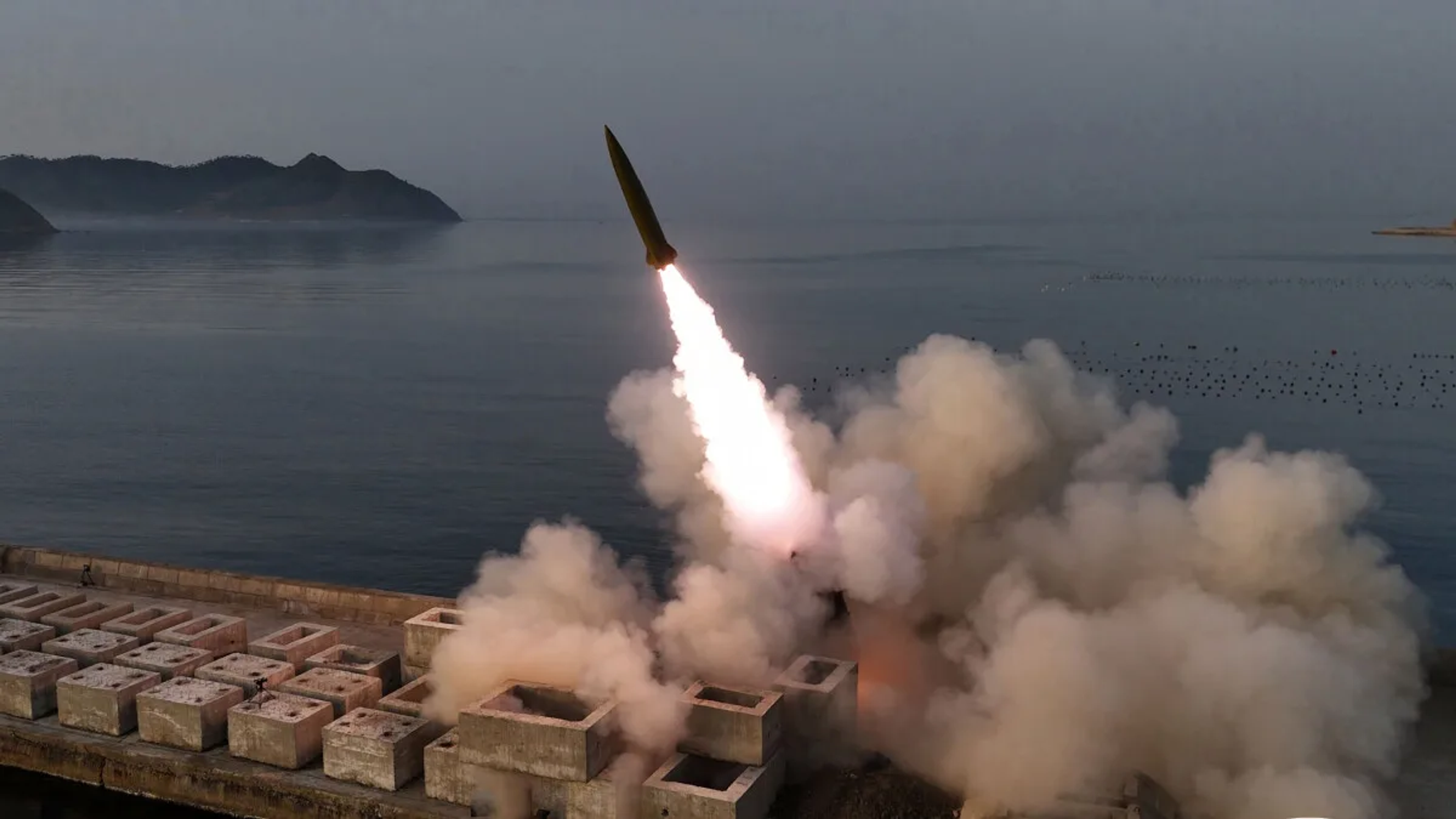
Conflict is rising. Join the movement to create a peaceful future. Sign the Pledge

Conflict is rising. Join the movement to create a peaceful future. Sign the Pledge
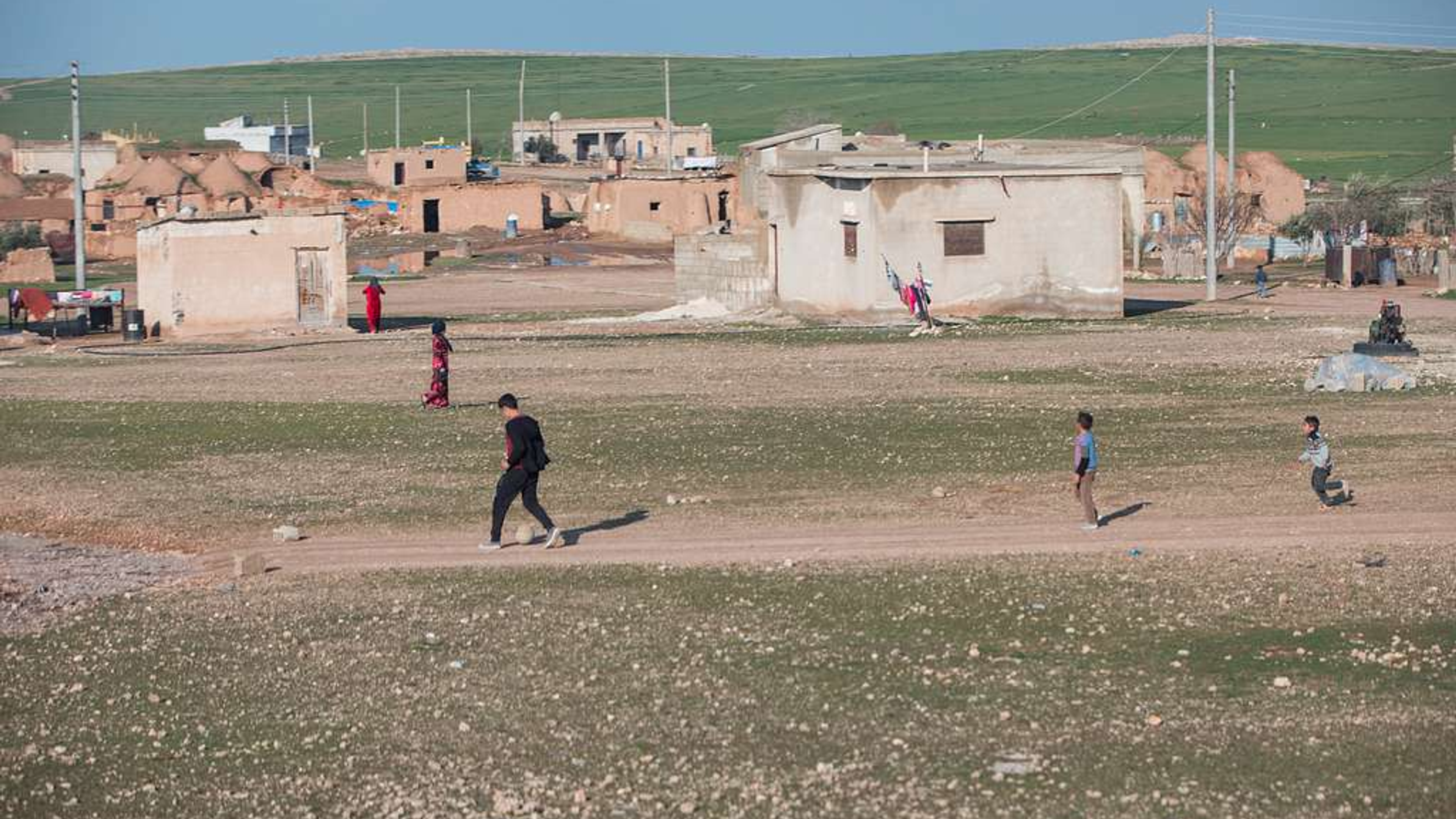

The sheer scale of children forced from their homes due to warfare is unprecedented. According to UNICEF, the total number of children displaced by conflict and violence reached 48.8 million by the end of 2024. This is almost triple the figure recorded in 2010. This staggering statistic includes approximately 19.1 million refugee and asylum-seeking children, alongside roughly 29.4 million internally displaced children.
Children account for two in five people who have been forced to cross borders because of conflict, providing stark evidence of the unjust burden they bear in a world shaped by decisions far beyond their control. Beyond the immediate loss of shelter and physical safety, these uprooted children frequently face interrupted education, exploitation, and profound psychological distress. In emergency situations, play and recreational activities are often given a lower priority than the provision of food or medicine. However, experts affirm that these activities perform a highly significant therapeutic and rehabilitative role.
When children are caught in the crossfire of war, they rapidly lose any sense of predictability and control. In these volatile environments, children often become "adultified" early, taking on immense burdens that should not fall on their shoulders.
However, play-based interventions offer a profound pathway to trauma recovery. Consider Hamza, a 10-year-old Palestinian boy raised in a refugee camp in Lebanon. Before intervention, he was severely withdrawn, avoiding interaction and never having held a pencil. Through the Enhancing Quality and Inclusive Education (EQIE) program run by Right To Play, he began group activities like drawing, storytelling, and a game called "Guess the Emotion." Over four years, this play-based approach transformed him into a thriving, joyful child who actively participates in class.
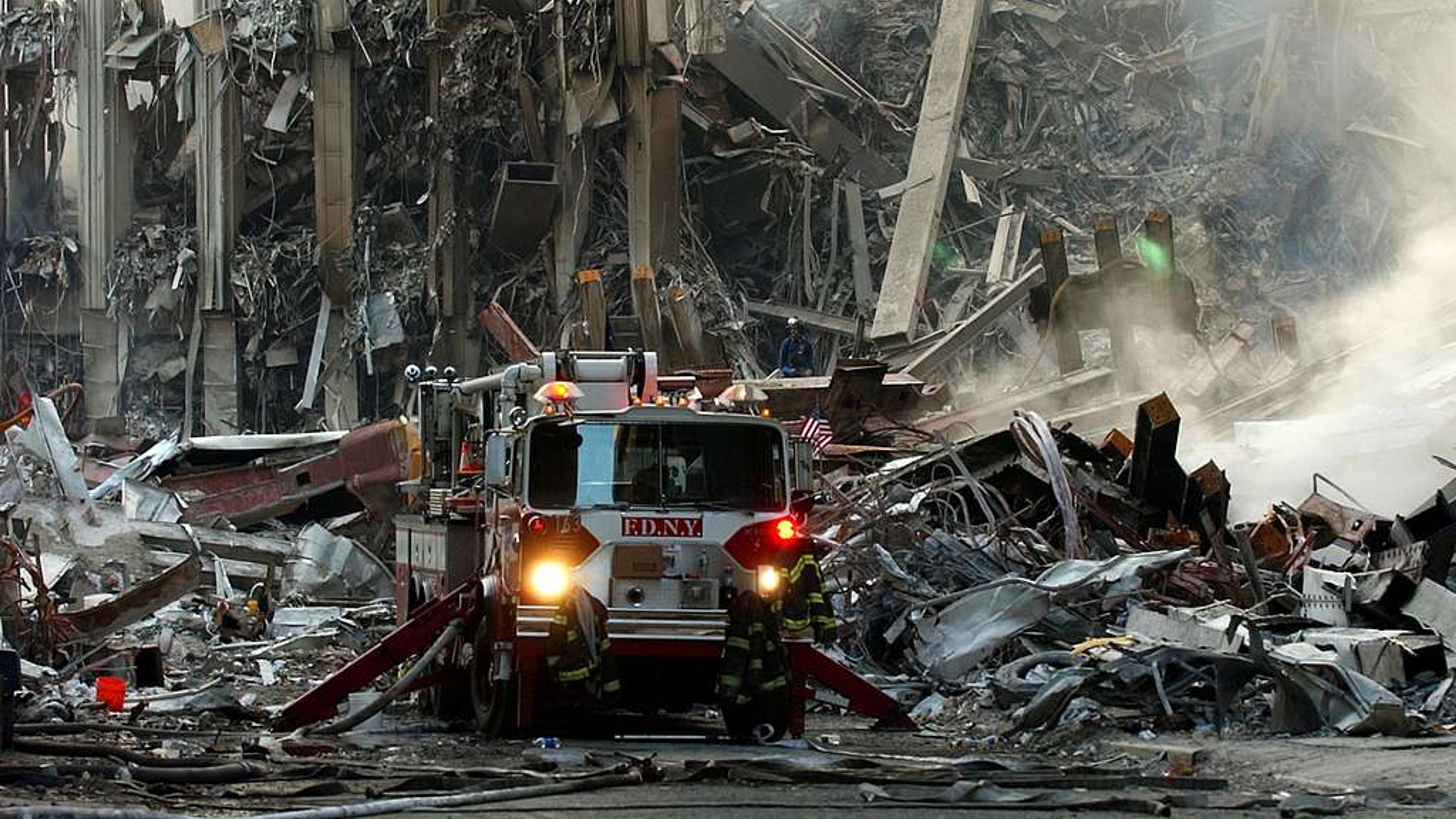
The September 11 attacks forever changed the United States, leaving a legacy of profound loss but also incredible heroism and national unity. By honoring the 2,977 victims and the brave first responders who made the ultimate sacrifice, we are reminded of our shared humanity. Today, Pledge4Peace calls upon that same spirit of solidarity to bridge divides and bring peace to global conflicts.
Pledge4Peace.org
September 11, 2026
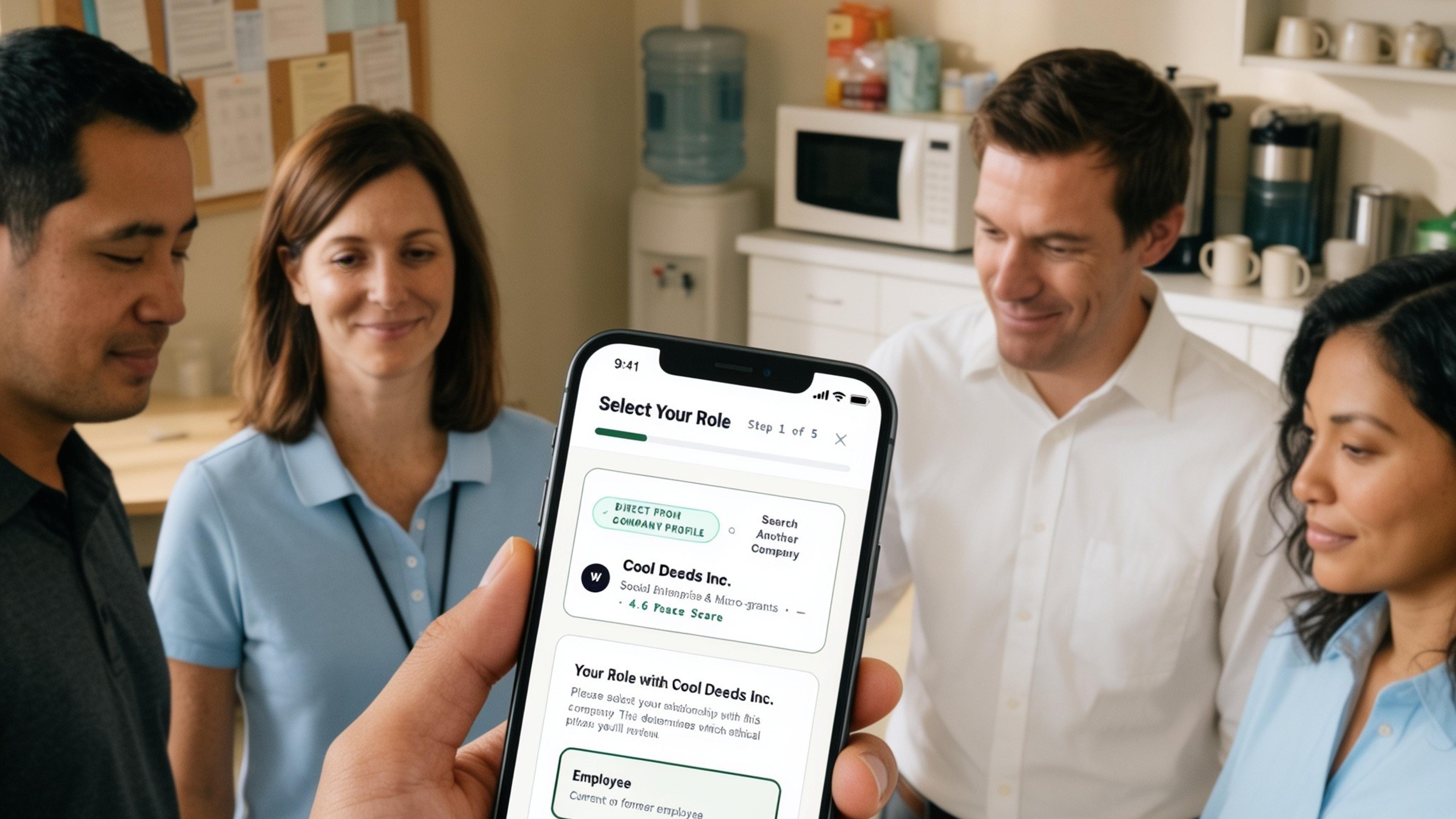
Have you ever hesitated to give honest feedback about your workplace? The Peace Seal is built to protect you. We act as a completely neutral mediator to help you and your employer find real, private, and peaceful solutions, guaranteeing your anonymity and protecting you from retaliation.
Play works because it is a child's fundamental language. It helps children who have experienced profound trauma to actively process their emotions without having to articulate them in adult terms. In environments where children feel completely powerless, organized play restores a small but critical measure of control.
The physical environments where displaced children live, often overcrowded camps with no green spaces, severely limit their right to play. In response, global organizations are using innovative design to create empowering structures.
Catalytic Action, an international charity, co-designs playgrounds directly with local children, ensuring their specific visions and emotional needs are met. In the Bersive refugee camp in Iraq, a playground was built featuring staggered benches, monkey bars, sensory toys, and hide-and-seek walls. By involving children in the design process, they are given a powerful sense of agency.
In regions where warfare is highly volatile, rigid structures are not always viable. The charity Playrise addresses this by designing modular, transportable playgrounds. These structures can be easily dismantled and modified with attachments like hammocks and drums. Developed in collaboration with children from Ethiopia and Egypt, these agile designs ensure that even in unpredictable conflict zones, the right to play remains protected.
Sometimes, creating a physical playground is impossible due to active airstrikes and devastation. In these extreme scenarios, the architecture of play shifts from physical structures to the imagination.
Following the outbreak of the Israel-Gaza war in 2023, Palestine Play Projects adapted to the crisis by hosting mobile play sessions in refugee camps. Facilitators arrive with just a backpack of resources, utilizing storytelling, make-believe characters, and journaling to engage children.
This approach proved transformative for Yara, an 11-year-old girl who became emotionally shut down after losing her immediate family. Through consistent, imaginative play sessions, she was finally able to express her grief, write about her loss, and support other children. Psychologists note that integrating "fantasy" and roleplay into psychosocial therapy allows children to safely "rehearse" new, reparative narratives rather than simply repeating traumatic memories.
Despite the profound benefits of play, it remains vastly under-supported. The UN Convention on the Rights of the Child legally recognizes the right of every child to engage in play and recreational activities. Yet, Right To Play research indicates that only 37% of UK adults are even aware this fundamental right exists.
Currently, only 3% of all humanitarian aid goes toward education, with a minuscule fraction of that reaching play-based psychosocial support. To effectively help the nearly 50 million children displaced globally, international development funds must systematically integrate trauma-informed play spaces and facilitators into all standard child protection programs.
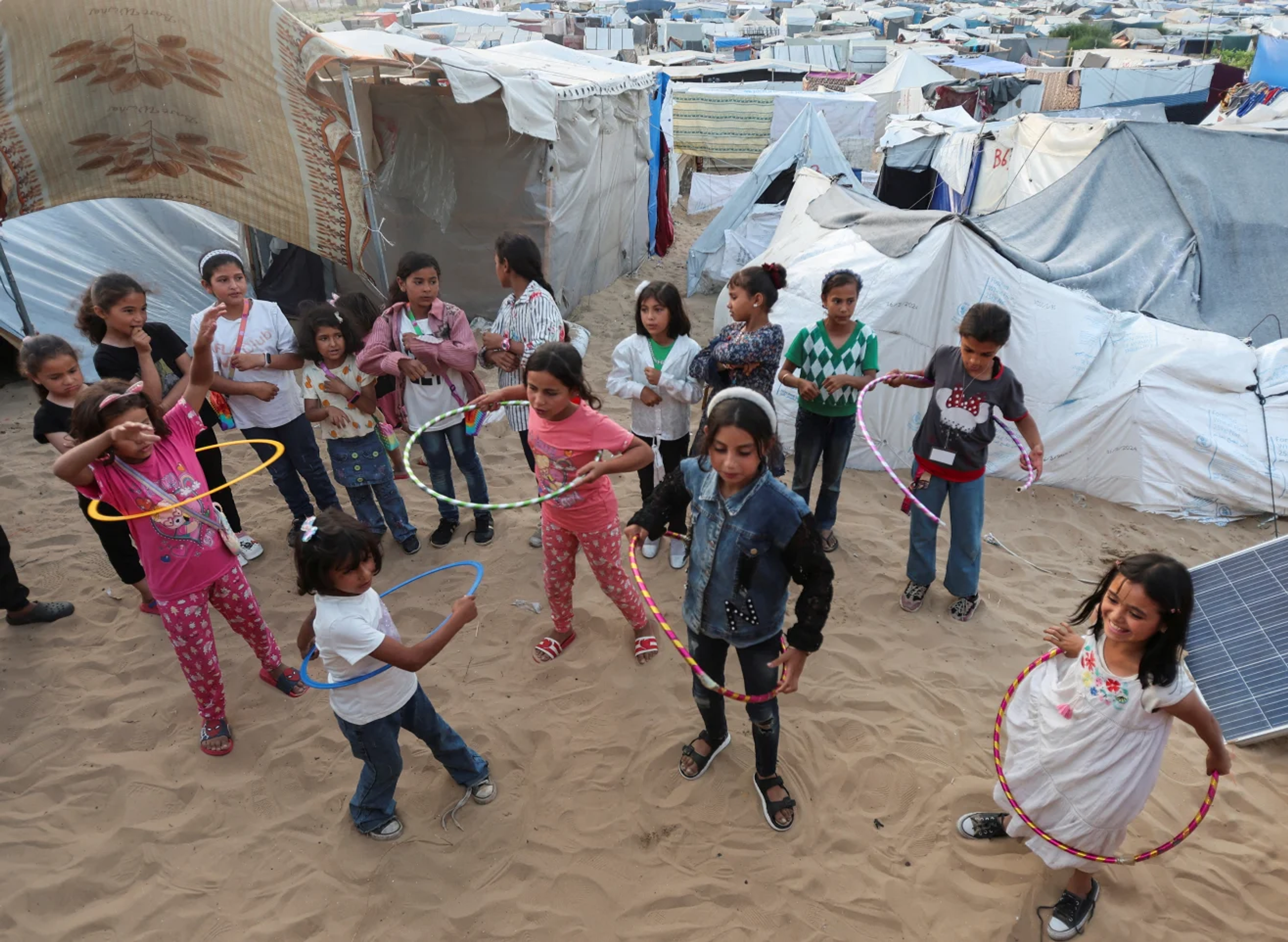
Palestinian children play with hula hoops near a makeshift tent camp in Deir Al-Balah, central Gaza, as schools remain closed due to the military offensive. Image Credit: Ramadan Abed / Reuters
While innovative playgrounds and dedicated facilitators are essential for trauma recovery, they cannot stop airstrikes or prevent displacement. We cannot merely treat the symptoms of war while allowing the political systems that create it to continue unchecked.
If we truly want to protect children, we must strike at the root cause: continuous, unchecked military escalation. True security is built on open diplomatic dialogue, economic integration, and the rigorous protection of human rights.
Everyday citizens possess the collective leverage needed to force world leaders toward structural peace, but we must exercise it.
Take action right now. End the cycle of violence that displaces millions of children.
Cast your vote to demand diplomatic resolutions and end global conflicts today at: https://pledge4peace.org/campaigns
Together, we can ensure that every child's right to a safe, peaceful childhood is unequivocally protected.
Pledge4Peace.org
September 8, 2026