The Global Cost of Living Crisis: How Wars and Inequality Fuel Worldwide Protests
The Global Cost of Living Crisis: How Wars and Inequality Are Fueling Worldwide Protests
Pledge4Peace.org
Peace
Share this article:
The Brief:
Current State: A severe global cost-of-living crisis, driven by geopolitical warfare and compounding inflation, has triggered a massive wave of civilian protests across Europe, the Americas, and Asia as everyday citizens struggle against soaring housing, fuel, and education costs alongside stagnant wages.
The Mandate: We must reject continued military escalation and demand diplomatic resolutions to global conflicts; add your voice to the movement for peace and economic equity by engaging with our global campaigns at pledge4peace.org/campaigns
Across the globe, streets are filling with citizens demanding relief. From the capitals of Europe to the urban centers of the Americas and Asia, a unified wave of frustration is sweeping through nations. A severe cost-of-living crisis, defined as a period of high inflation where the nominal cost of everyday essentials rises while real wages simultaneously decrease, has taken hold globally.
While localized issues spark individual movements, the underlying causes are universally connected. The staggering increase in the cost of petrol, food, housing, and education, juxtaposed against chronically stagnant salaries, is pushing millions to the breaking point. To understand how to resolve this crisis, we must examine the interconnected consequences of global warfare, systemic inequality, and the urgent need for diplomatic intervention.
The Global Wave of Unrest
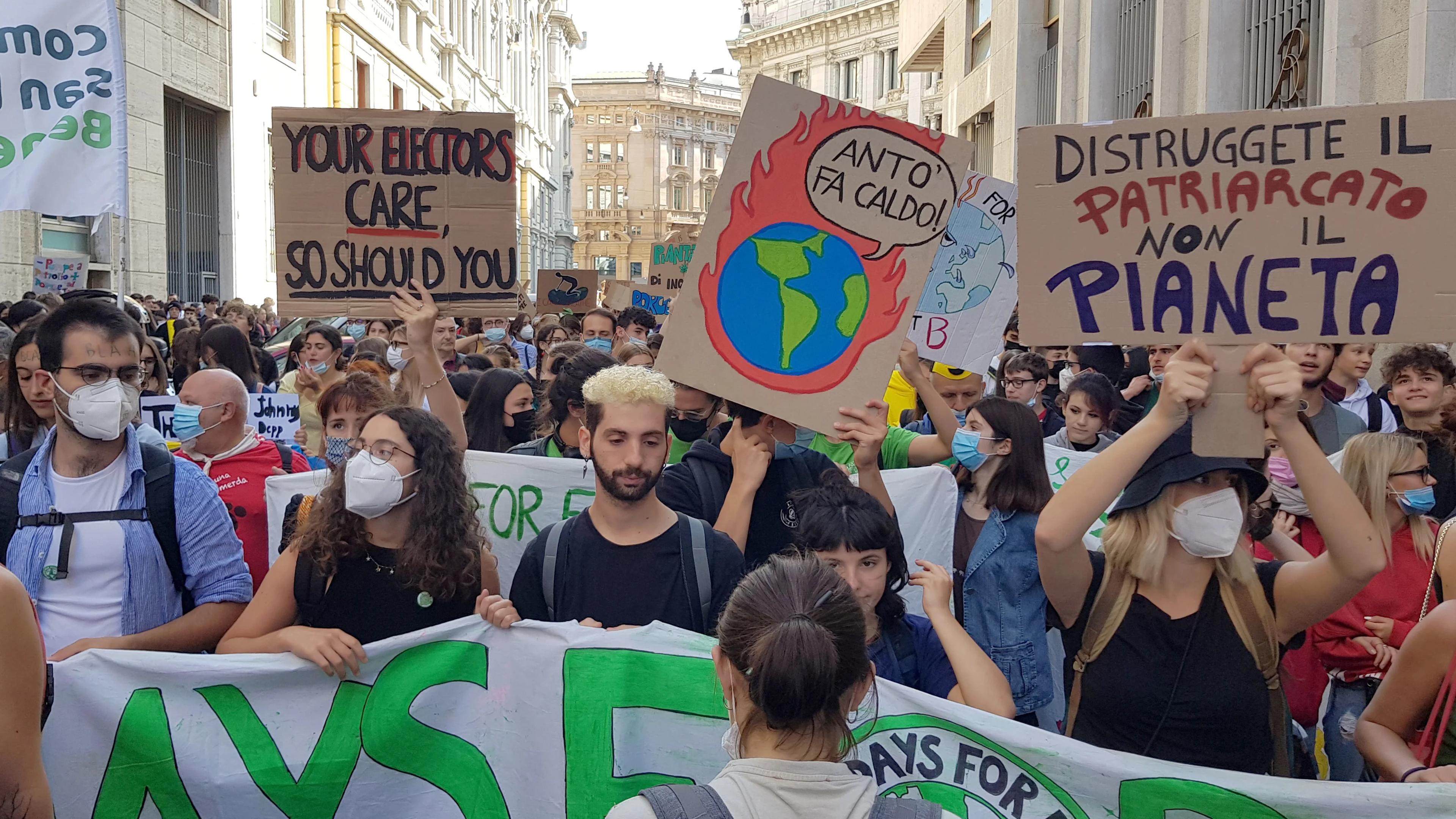
The symptoms of this economic strain are visible in the widespread protests paralyzing major economies. This is not an isolated phenomenon; it is a global outcry for survival.
Europe:
France: What began as a localized movement over education cuts and teacher shortages has metastasized into massive anti-government, cost-of-living demonstrations. "Yellow Vest" groups have reactivated to blockade traffic in response to soaring diesel prices.
Italy: The country faces parallel crises. In northern hubs, student-led anti-poverty protests have erupted over the cost of living, while in the south, trucker and farmer blockades over high fuel prices are actively cutting off food supply chains.
Portugal & Spain: The housing affordability crisis has reached critical mass. In Lisbon, tens of thousands have set up tent camps to protest property prices that have doubled. In Madrid, massive rent-control protests were triggered by the tragic eviction and subsequent death of an 87-year-old woman after a corporate investment fund hiked her rent by 230%.
Belgium: Thousands of students and labor unions have marched against government austerity measures and rising tuition costs.
Albania: Mass demonstrations are targeting deep-seated political corruption, a lack of job prospects, and public anger over luxury development projects prioritizing wealth over citizen welfare.
The Americas:
Ecuador: Large-scale, organized labor and student mobilizations continue to march against the central government's economic, healthcare, and employment policies, demanding systemic relief.
Canada (Alberta): Tensions remain high following a highly divisive provincial referendum on separation, sparking scattered political protests and highlighting deep regional economic fractures.
Asia and Global Flashpoints:
India: Ongoing civic rallies and mass sit-ins are targeting the Chief Election Commissioner, reflecting a deep demand for transparent governance amid broader economic pressures.
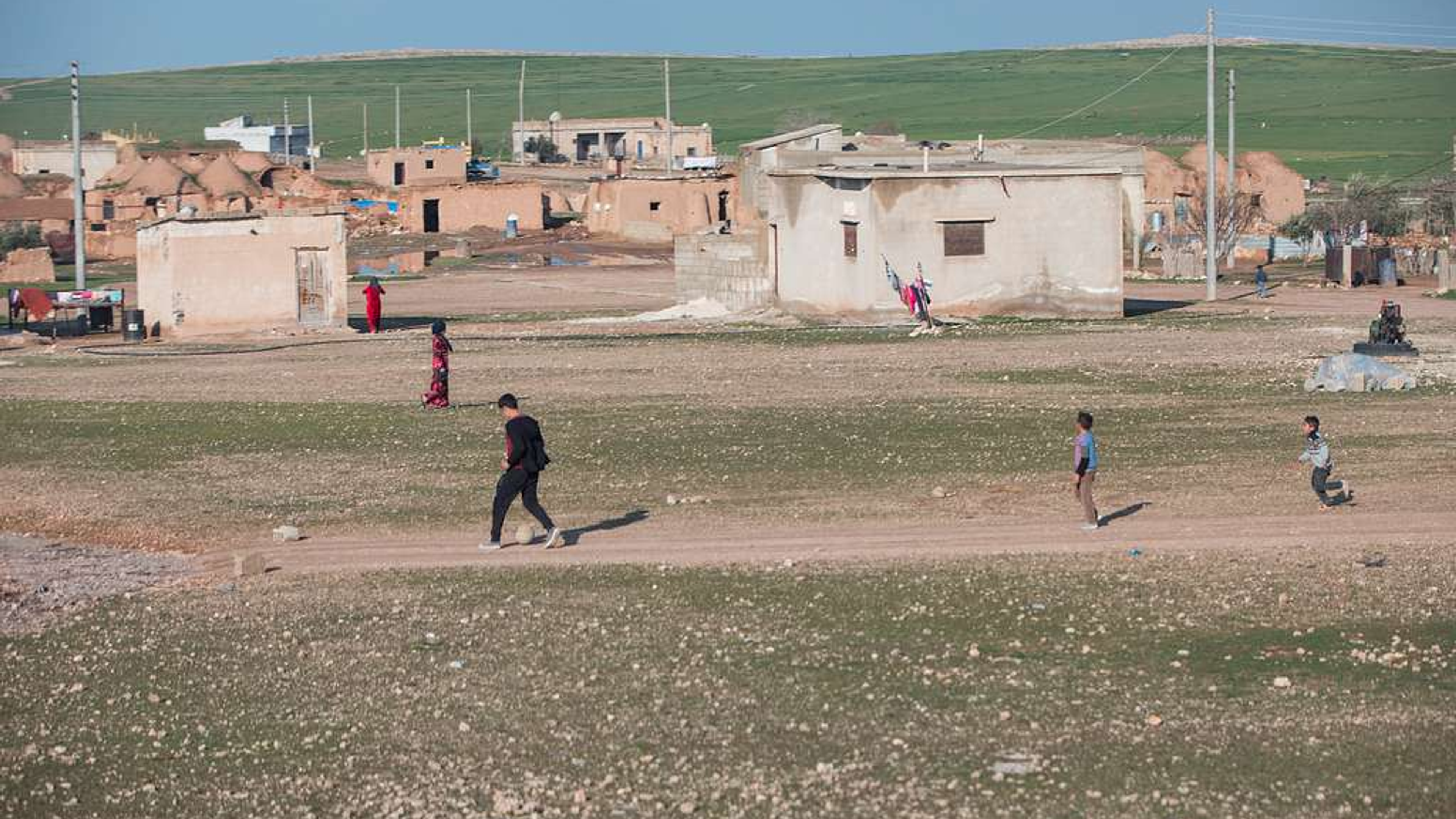
Middle East & Ukraine Borderlands: Severe localized volatility remains high. Anti-war and anti-occupation sentiments continue to trigger demonstrations across border regions, while the high fuel costs generated by these ongoing conflicts act as the primary economic trigger for the riots seen worldwide.
The Root Causes: How Wars Drive Inflation and Inequality
While domestic policies play a role, the current global economic instability is heavily driven by geopolitical conflicts. Wars disrupt energy systems and global trade networks, which rapidly cascade into global inflation.
The ongoing Russia-Ukraine war and the severe escalations in the Middle East have triggered massive energy crises by restricting trade and destabilizing markets. Crucial transit routes, such as the Strait of Hormuz and the Bab el-Mandeb Strait, have faced severe disruptions. This creates a chokehold on global energy supplies, directly increasing fuel and diesel prices for everyday consumers.
The economic consequences of these wars extend far beyond the gas pump:
Global Food Insecurity and Supply Chain Collapse: Agriculture and global transit are highly energy-dependent. When fuel prices spike due to conflict, the cost of cultivating and transporting food surges. According to UN estimates, global fuel prices have more than doubled since 2025, pushing millions of additional people toward extreme poverty and food insecurity.
Stagnant Wages and Regressive Inflation: Inflation acts as a highly regressive tax, disproportionately impacting lower-income households who spend a larger percentage of their income on basic necessities like food, housing, and energy. While the cost of living climbs exponentially, real disposable incomes and regular pay have largely failed to keep pace, leaving families unable to afford basic bills or higher education.
The Path Forward: Diplomacy and Ending Global Conflicts
Meeting these crises with domestic austerity or militarized police responses to protests will not solve the structural economic issues at play. The central lesson of the current geopolitical landscape is clear: when global power and economic fragility collide, the exit ramp is diplomacy, not war.
Addressing systemic inequality and protecting human dignity requires building frameworks for peaceful dispute resolution. We can all help put a stop to this crisis by demanding that our leaders prioritize diplomacy and de-escalation over militarization.
Advocate for Peace First: Wars are the primary disruptors of the global supply chains that dictate the cost of our food and fuel. By actively supporting organizations and coalitions working to broker ceasefires and diplomatic negotiations, we address the root cause of the inflation crisis. Support our global campaigns to end global wars at pledge4peace.org/campaigns>>
Demand Corporate and Political Accountability: Support labor unions and worker rights organizations fighting against wage stagnation, corporate price-gouging, and speculative property investments that price citizens out of their own cities. Employees seeking to safely document exploitation can report on workplace issues athttps://pledge4peace.org/for-employees>>
Engage with Global Initiatives: Governments must implement targeted economic relief, such as rent controls, subsidies for essential utilities, and robust funding for public education. You can leverage your voice to demand these changes by supporting credible organizations actively driving these solutions. For example, the National Low Income Housing Coalition advocates for policies that build and preserve affordable housing while educating the public through their annual Advocates' Guide. The Neighborhood Assistance Corporation of America (NACA) provides financial assistance and directly supports tenants advocating for more affordable rents. Additionally, unions like the Chicago Teachers Union (CTU) focus their organizing power on systemic "common good" demands, explicitly fighting for affordable housing alongside safe, well-funded learning environments for students. For immediate economic relief, organizations like United Way Worldwide connect vulnerable populations directly to emergency rental assistance, legal aid, and utility relief programs.
The protests sweeping across Europe, the Americas, and Asia are not isolated incidents; they are a collective demand for a sustainable and equitable future. By recognizing the direct link between global warfare and the cost of the food on our tables, we can unite in our demand for peace and economic justice.
Take action today and vote on the solutions that prioritize diplomacy over destruction at pledge4peace.org/campaigns.