Conflict is rising. Join the movement to create a peaceful future. Sign the Pledge

Conflict is rising. Join the movement to create a peaceful future. Sign the Pledge

On April 16, 2026, Pope Leo XIV stood at the epicenter of one of the world's most neglected conflicts: Bamenda, Cameroon. Before a jubilant yet deeply traumatized crowd, he delivered a searing rebuke not just to the actors of the nine-year Cameroonian Anglophone crisis but also to global leaders at large. His words echoed far beyond the walls of St. Joseph's Cathedral:
"But woe to those who manipulate religion and the very name of God for their own military, economic, and political gain, dragging that which is sacred into darkness and filth."
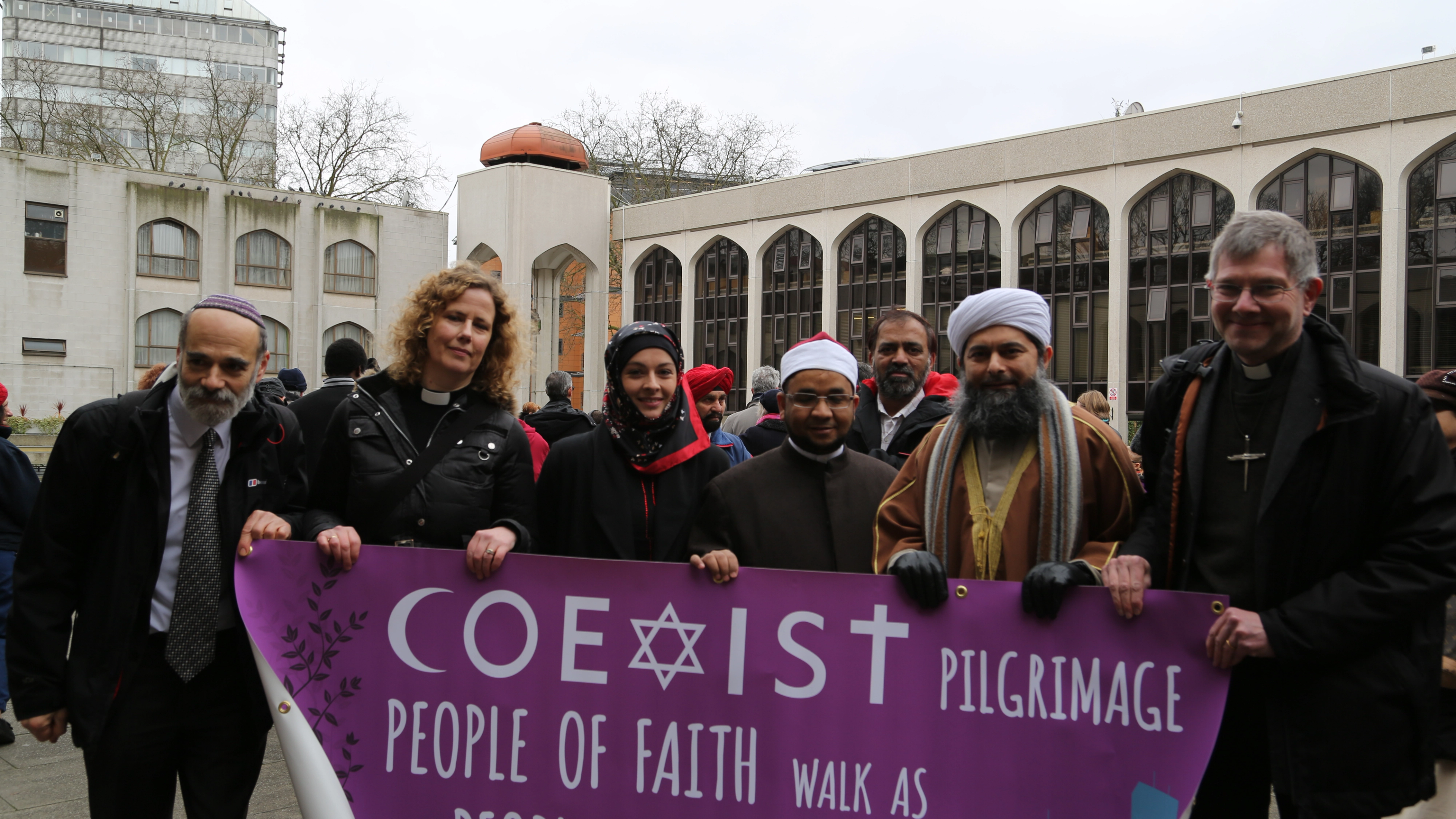
This stark warning arrives at a critical juncture in global geopolitics. From Central Africa to the Middle East, and from Eastern Europe to the Americas, faith is increasingly being weaponized. It is used to legitimize violence, suppress democratic institutions, and justify gross human rights violations. Yet, the historic gathering in Bamenda also showcased the ultimate antidote: a powerful interfaith movement where Christians, Muslims, and traditional leaders united to reclaim religion as an instrument for human dignity.
Religion, across nearly all major belief systems, including Christianity, Islam, Judaism, Hinduism, and Buddhism, is fundamentally rooted in teachings of compassion, justice, and the sanctity of human life. However, throughout history and prominently in our modern era, "masters of war" and "tyrants" have hijacked sacred texts and spiritual identities to consolidate political power and wage war.
When leaders conflate religious devotion with nationalist or military agendas, they create a highly volatile paradigm where political opponents or neighboring nations are branded as "enemies of God." This manipulation poses a direct, existential threat to democracy and human rights. It is used to:
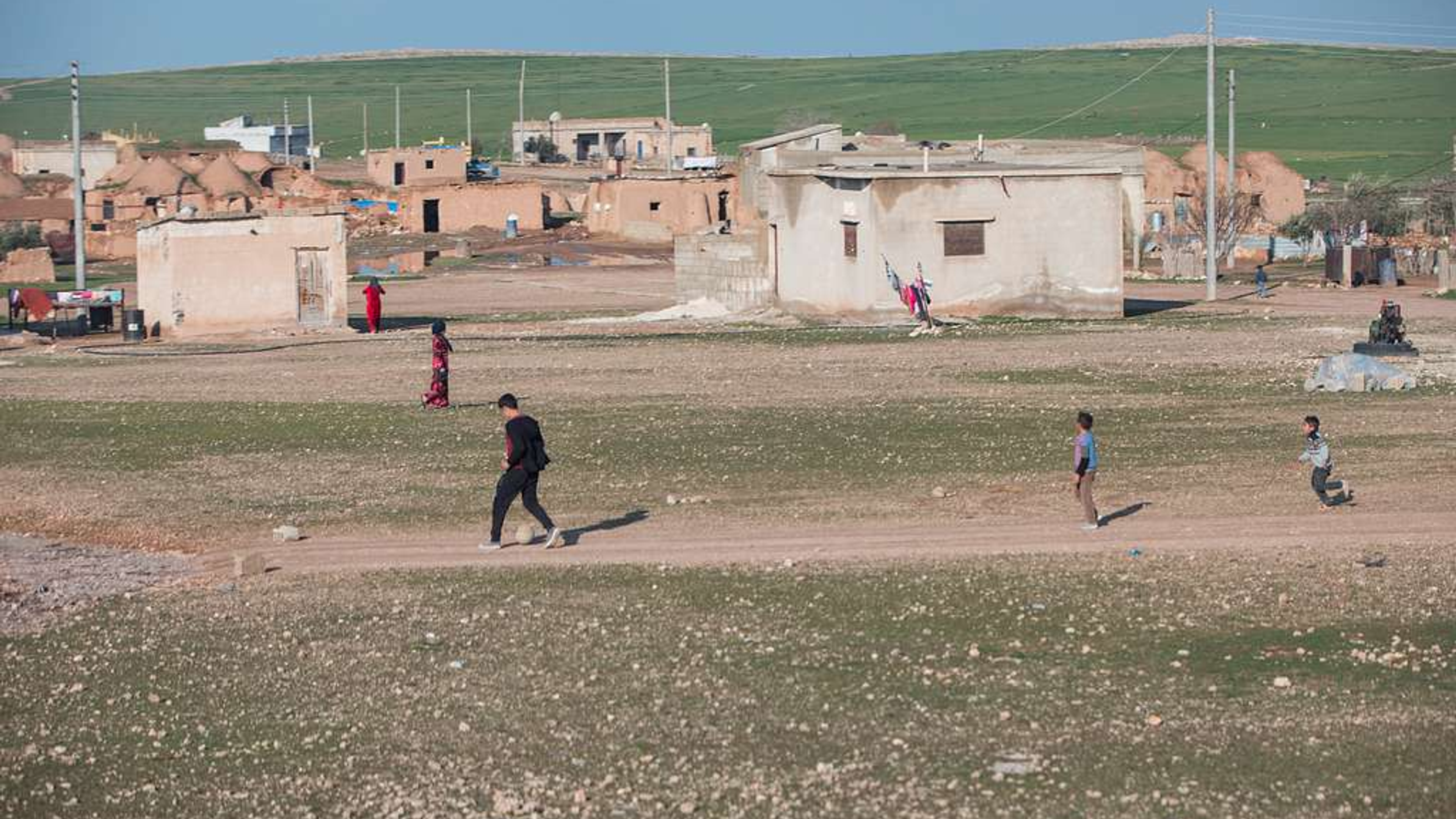
In war, children lose control over their lives, but play can bring some of that back. Across the globe, nearly 50 million children have been displaced by conflict and violence. Innovative play interventions and psychosocial support are critical for trauma recovery. However, the true mandate is for everyday citizens to demand an end to warfare through active global peace campaigns.
Pledge4Peace.org
September 17, 2026
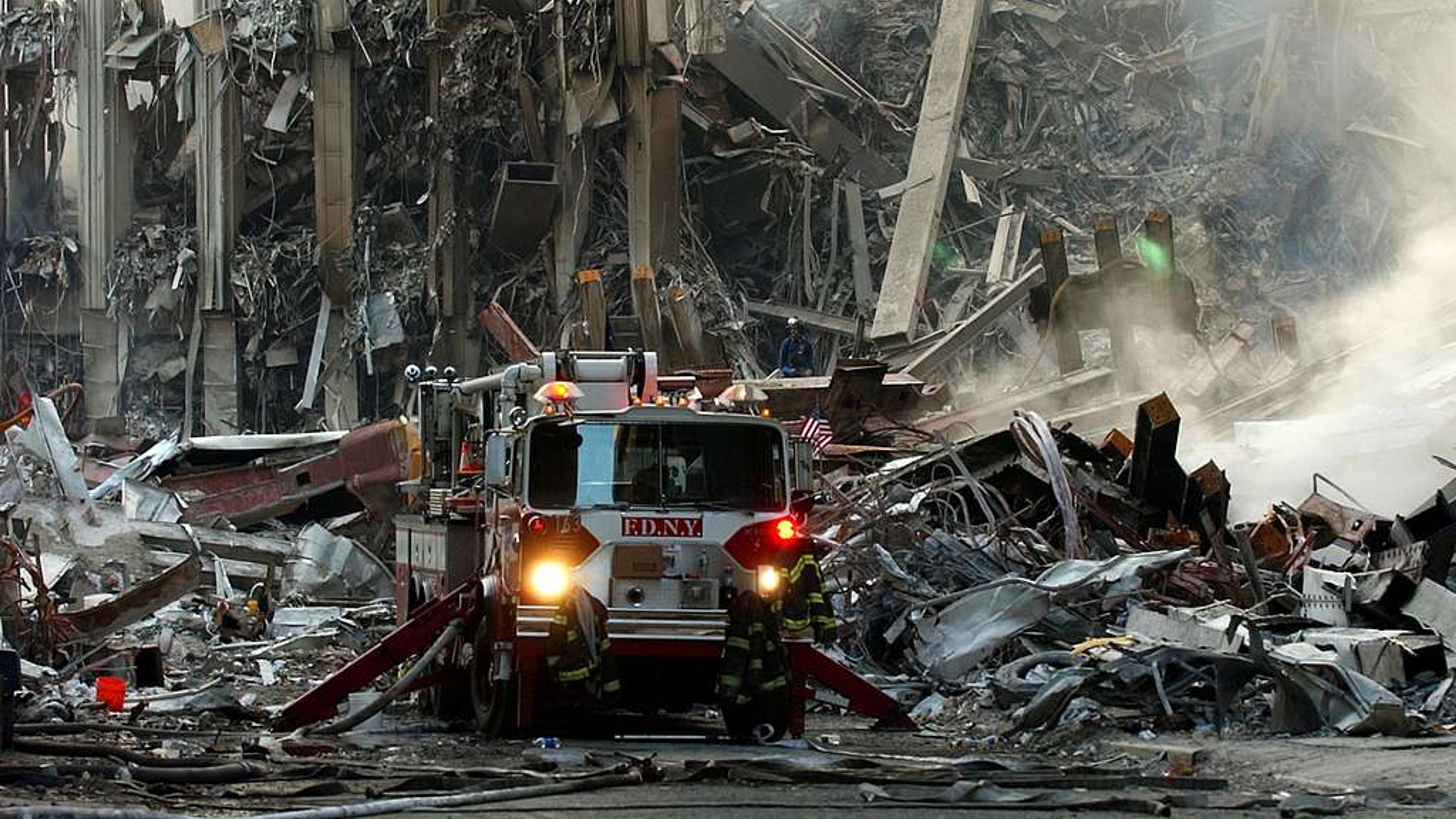
The September 11 attacks forever changed the United States, leaving a legacy of profound loss but also incredible heroism and national unity. By honoring the 2,977 victims and the brave first responders who made the ultimate sacrifice, we are reminded of our shared humanity. Today, Pledge4Peace calls upon that same spirit of solidarity to bridge divides and bring peace to global conflicts.
The choice of Bamenda for this historic message was no accident. The region has been devastated by a separatist conflict since 2017, leaving thousands dead, children out of school for years, and entire communities internally displaced. Archbishop Andrew Nkea of Bamenda tragically noted that the city's soil "has drunk the blood of many of our children."
Yet, amid the violence, Bamenda has birthed a resilient grassroots peace movement. The April 2026 peace meeting was intentionally not an exclusive Catholic affair. It prominently featured a traditional Mankon chief, a Presbyterian moderator, a local Imam, and a Catholic nun.
Sister Carine Tangiri Mangu, who was kidnapped by separatists and held hostage in the bush just months prior, shared a harrowing testimony of her experience in the war zone. "We were held hostage for three days and three nights," she recounted. "During those days and nights, we neither slept nor ate." (Testimony cited from Catholic Courier). Her survival and continued commitment to serving her community highlight the profound courage of faith leaders who refuse to surrender to the cycle of retaliation.
Likewise, a local imam testified before the assembly about the horrors inflicted upon the Muslim community, recounting a devastating armed invasion of a mosque in Sabga during prayer time that left three dead and nine injured. By standing shoulder-to-shoulder, Muslim and Christian, traditional and modern, these leaders actively dismantled the false narrative that differences in belief must inevitably lead to bloodshed.
The weaponization of religion relies entirely on division and ignorance. To combat it, global citizens, civil societies, and secular institutions must foster radical inclusivity and demand strict accountability from those who exploit faith for power.
The crises facing our world, from neglected conflicts in West Africa to heavily publicized wars across the globe, can easily leave us feeling powerless. However, peace is not merely the absence of war; it is an active, continuous pursuit of justice, accountability, and human dignity.
We cannot allow the sacred beliefs of billions of people to be dragged into the darkness of political violence. It is our collective responsibility to demand that religion be a bridge to understanding, not a weapon of war. We must foster respect for all belief systems and defend the human rights of those who are persecuted for their faith or lack thereof.
You have the power to make a tangible difference. Join a global community of peacebuilders who are actively taking a stand against human rights violations, the weaponization of faith, and democratic backsliding.
Take Action Today: Vote on our campaigns at https://www.pledge4peace.org/campaigns and encourage others to spread awareness, not just for the crisis in Central Africa but for all global issues where human dignity is under threat. Together, we can build a more transparent, accountable, and peaceful world.
Pledge4Peace.org
September 11, 2026