Conflict is rising. Join the movement to create a peaceful future. Sign the Pledge

Conflict is rising. Join the movement to create a peaceful future. Sign the Pledge


At a time when global headlines often emphasize division between Jewish and Muslim communities, a quieter but powerful story is emerging on university campuses. Muslim and Sephardic Jewish students are connecting over shared heritage, language traditions, family histories, and cultural memory.
This connection is not symbolic. It reflects centuries of intertwined history across the Mediterranean, North Africa, and parts of the Middle East. In many cases, Sephardic Jewish and Muslim families once lived as neighbors, spoke similar dialects, shared culinary traditions, and contributed jointly to intellectual and cultural life.
Today’s student-led efforts to rediscover that shared heritage represent more than nostalgia. They demonstrate how cultural literacy and historical awareness can reduce polarization and strengthen civic dialogue.
Sephardic Jews trace their ancestry to the Iberian Peninsula prior to the expulsions of the late 15th century. After expulsion from Spain and Portugal, many settled in Ottoman lands, North Africa, and other Muslim-majority regions. In cities such as Istanbul, Salonika, Fez, and parts of the Levant, Jewish and Muslim communities often lived in proximity, sharing trade networks and cultural spaces.
Scholars of Jewish history note that during various periods of Islamic rule, Jewish communities experienced relative autonomy under systems such as the Ottoman millet framework. While historical coexistence was not without tension, it frequently included cultural exchange, intellectual collaboration, and economic interdependence.
Linguistically, Ladino, a Judeo-Spanish language spoken by many Sephardic Jews, contains Arabic and Turkish influences. Culinary traditions across Moroccan, Turkish, and Balkan communities reveal overlapping recipes and food rituals. Family naming patterns and music traditions also reflect shared regional heritage.
When students explore these connections, they challenge simplified narratives that frame Jewish and Muslim identities as inherently oppositional.
According to the Anti-Defamation League and other monitoring organizations, antisemitic and anti-Muslim incidents have increased in several countries over the past decade. In the United States, the FBI’s most recent hate crime statistics report that religion-based hate crimes remain among the most frequently recorded bias incidents.
University campuses often mirror broader societal tensions. In environments where geopolitical conflicts dominate discourse, student communities can become polarized.
Dialogue initiatives grounded in shared history offer a counterweight. When students discover cultural commonalities, hostility decreases and empathy increases.
Research in intergroup relations consistently shows that sustained, structured contact between communities reduces prejudice. The contact hypothesis, first articulated by psychologist Gordon Allport, remains one of the most supported frameworks in social psychology. Conditions such as equal status interaction, shared goals, and institutional support significantly reduce intergroup bias.
Campus programs that encourage Muslim and Sephardic Jewish students to explore shared heritage often incorporate these principles. Cultural events, shared meals, storytelling circles, and language workshops create structured opportunities for dialogue.
These are not abstract exercises. They build social trust.
Dialogue across difference is not only a cultural activity. It is a democratic skill.
Democratic societies rely on the ability of citizens to disagree without dehumanizing one another. When communities default to suspicion, democratic institutions weaken.
Political polarization is rising globally. The Pew Research Center has documented growing ideological divides in multiple democratic countries. At the same time, misinformation amplifies conflict narratives.
Student-led dialogue initiatives demonstrate that identity-based conflict is not inevitable. Shared experiences, family histories, and personal narratives often reveal complexity beneath political headlines.
By focusing on culture and history rather than solely on contemporary political disputes, these students create space for conversation that is not reactive.
Universities are incubators of civic leadership. Students who practice dialogue and bridge-building during their academic years are more likely to carry those skills into professional and civic life.
Educational institutions that support interfaith engagement often report improved campus climate indicators. While outcomes vary by institution, many universities track reductions in bias-related incidents following sustained dialogue programming.
Beyond campus, alumni networks influence business, media, law, and public policy. The normalization of dialogue over confrontation can ripple outward.
Peacebuilding research consistently finds that grassroots social cohesion strengthens the durability of formal political agreements. Cultural understanding does not replace diplomacy, but it supports it.
One of the most significant contributions of Muslim and Sephardic Jewish student dialogue is narrative reframing.
When communities see themselves only through the lens of geopolitical conflict, identity hardens. When they see shared cultural memory, identity becomes more layered.
Shared music traditions, culinary practices, and family migration stories complicate simplified “us versus them” narratives.
This does not erase political disagreements. It contextualizes them within a broader human story.
Narrative reframing is central to modern peacebuilding theory. Conflicts often persist when identities are defined exclusively by grievance. Introducing shared identity dimensions creates cognitive flexibility.
While campus dialogue initiatives are local, their implications are global.
The Israel–Palestine conflict continues to shape international politics and diaspora relations. Yet the region’s history also includes centuries of Jewish and Muslim coexistence in various contexts.
Highlighting shared heritage does not resolve territorial or political disputes. However, it reduces absolutist framing.
Peace agreements are more sustainable when populations possess empathy for one another’s historical narratives.
Grassroots dialogue supports diplomatic efforts by reducing dehumanization.
The example set by Muslim and Sephardic Jewish students illustrates a broader principle: peace is strengthened when communities choose dialogue over hostility.
Understanding does not require agreement. It requires willingness to listen.
Educational institutions, civic organizations, and community leaders can replicate this model by:
Peacebuilding is not only the responsibility of governments. It begins in classrooms, community centers, and conversations.
If shared heritage can reconnect students on campus, broader societies can also choose understanding.
At Pledge4Peace, we believe permanent peace requires democratic resilience, mutual recognition, and sustained engagement.
If you support long-term solutions rooted in dialogue and democratic strength, add your voice.
Vote for peaceful, people-centered solutions here:
Peace is not built through isolation.
It is built through connection.
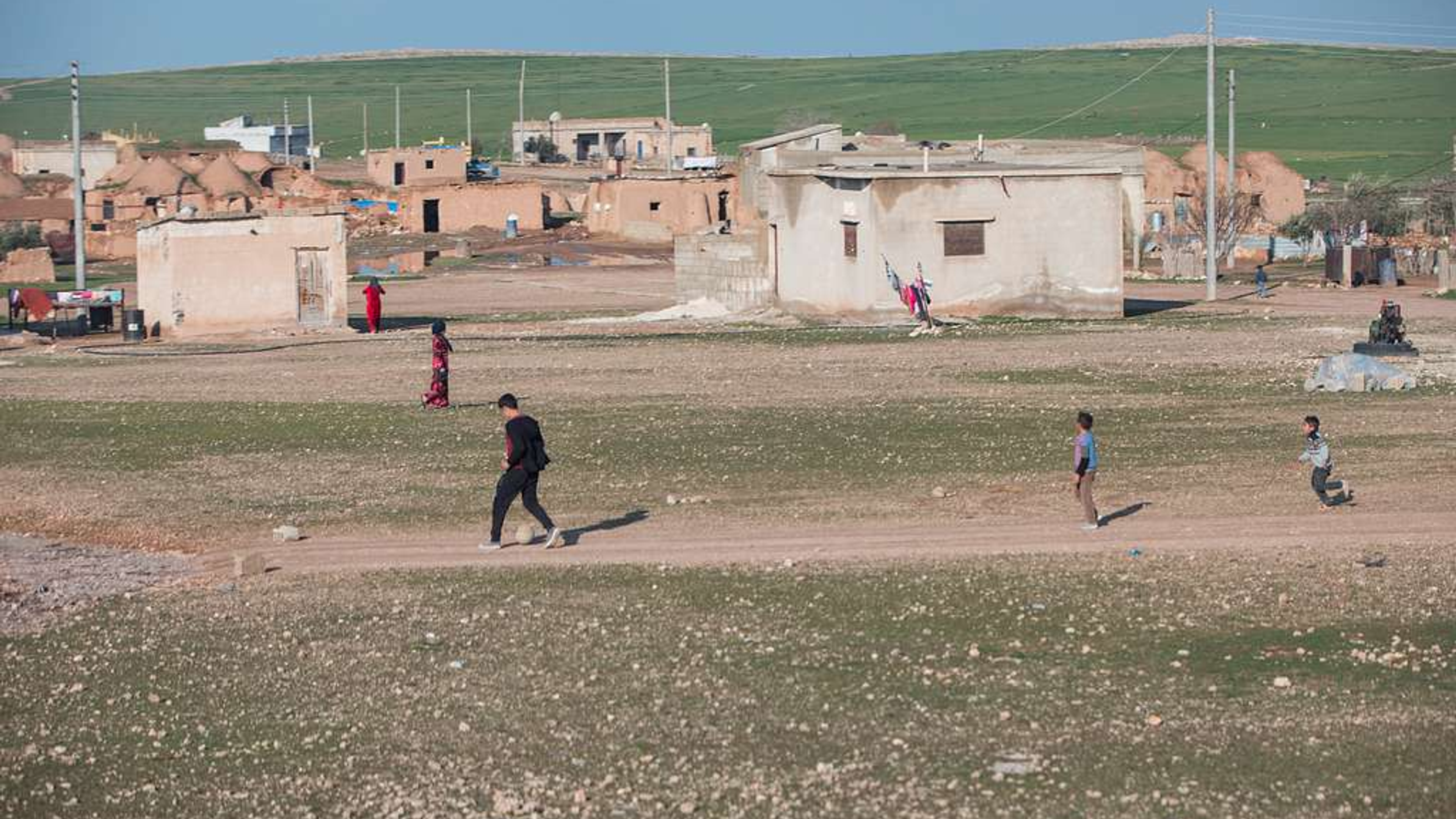
In war, children lose control over their lives, but play can bring some of that back. Across the globe, nearly 50 million children have been displaced by conflict and violence. Innovative play interventions and psychosocial support are critical for trauma recovery. However, the true mandate is for everyday citizens to demand an end to warfare through active global peace campaigns.
Pledge4Peace.org
September 17, 2026
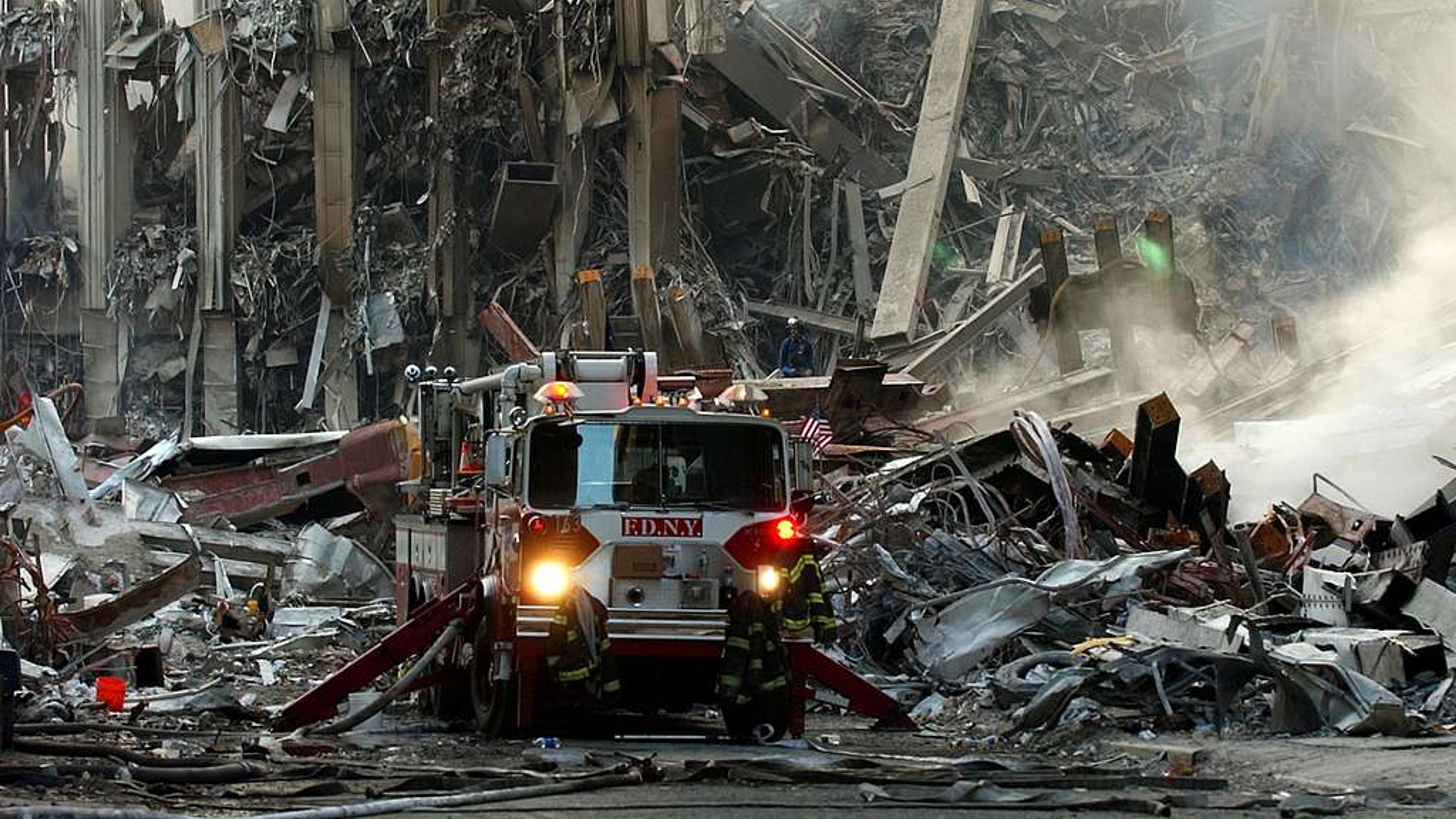
The September 11 attacks forever changed the United States, leaving a legacy of profound loss but also incredible heroism and national unity. By honoring the 2,977 victims and the brave first responders who made the ultimate sacrifice, we are reminded of our shared humanity. Today, Pledge4Peace calls upon that same spirit of solidarity to bridge divides and bring peace to global conflicts.
Pledge4Peace.org
September 11, 2026

Have you ever hesitated to give honest feedback about your workplace? The Peace Seal is built to protect you. We act as a completely neutral mediator to help you and your employer find real, private, and peaceful solutions, guaranteeing your anonymity and protecting you from retaliation.
Pledge4Peace.org
September 8, 2026