Conflict is rising. Join the movement to create a peaceful future. Sign the Pledge

Conflict is rising. Join the movement to create a peaceful future. Sign the Pledge
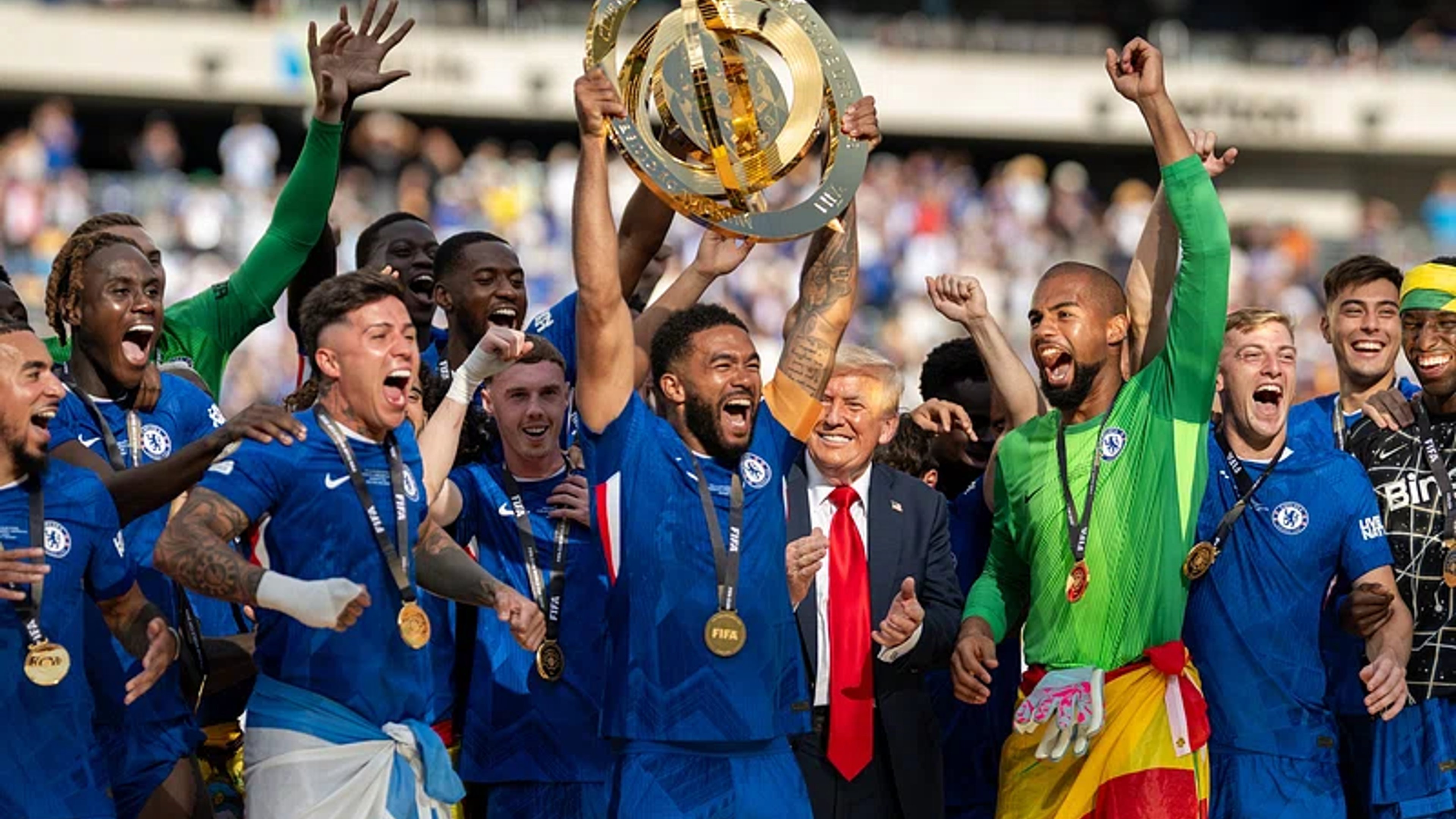

The FIFA World Cup is the pinnacle of global sports, bringing together diverse nations in a celebration of skill, teamwork, and athletic excellence. However, this global stage frequently exposes a persistent and troubling issue: racism in football. While explicit racial slurs are widely condemned, a more insidious form of discrimination persists in the form of racially coded language.
Recent comments by prominent coaches and pundits have reignited the debate over how broadcasters discuss players and teams of different racial backgrounds. To truly appreciate the "beautiful game," it is vital to raise awareness about this issue, understand the concrete statistics behind these biases, and actively promote ethical, inclusive behaviors.
During recent World Cup match coverage, several comments drew widespread criticism. Belgium coach Rudi Garcia described Senegal as one of "those teams" that "tend to lose their tactical structure towards the end of the match." Similarly, German pundit Bastian Schweinsteiger characterized the Ivory Coast's playstyle as "African football," describing it as "unorthodox," "wild," and "not as tactical." Furthermore, former Serbian footballer Rade Bogdanovic publicly questioned the focus and stamina of Belgium's Black players following a draw.
While these pundits defended their remarks as purely tactical analysis, critics and anti-racism advocates quickly pointed out the underlying racial stereotypes. For decades, Black players and African teams have been routinely cast as naturally powerful, athletic, and instinctive, yet simultaneously branded as tactically naive, emotionally fragile, and lacking cognitive discipline.
The assertion that football commentary is laced with racial bias is not merely subjective; it is backed by extensive, concrete data. Research shows a stark divide in how players from different racial groups are described on air.
A comprehensive study focusing on the 2018 World Cup by researchers at the universities of Leicester and Coventry highlighted significant racial disparities:
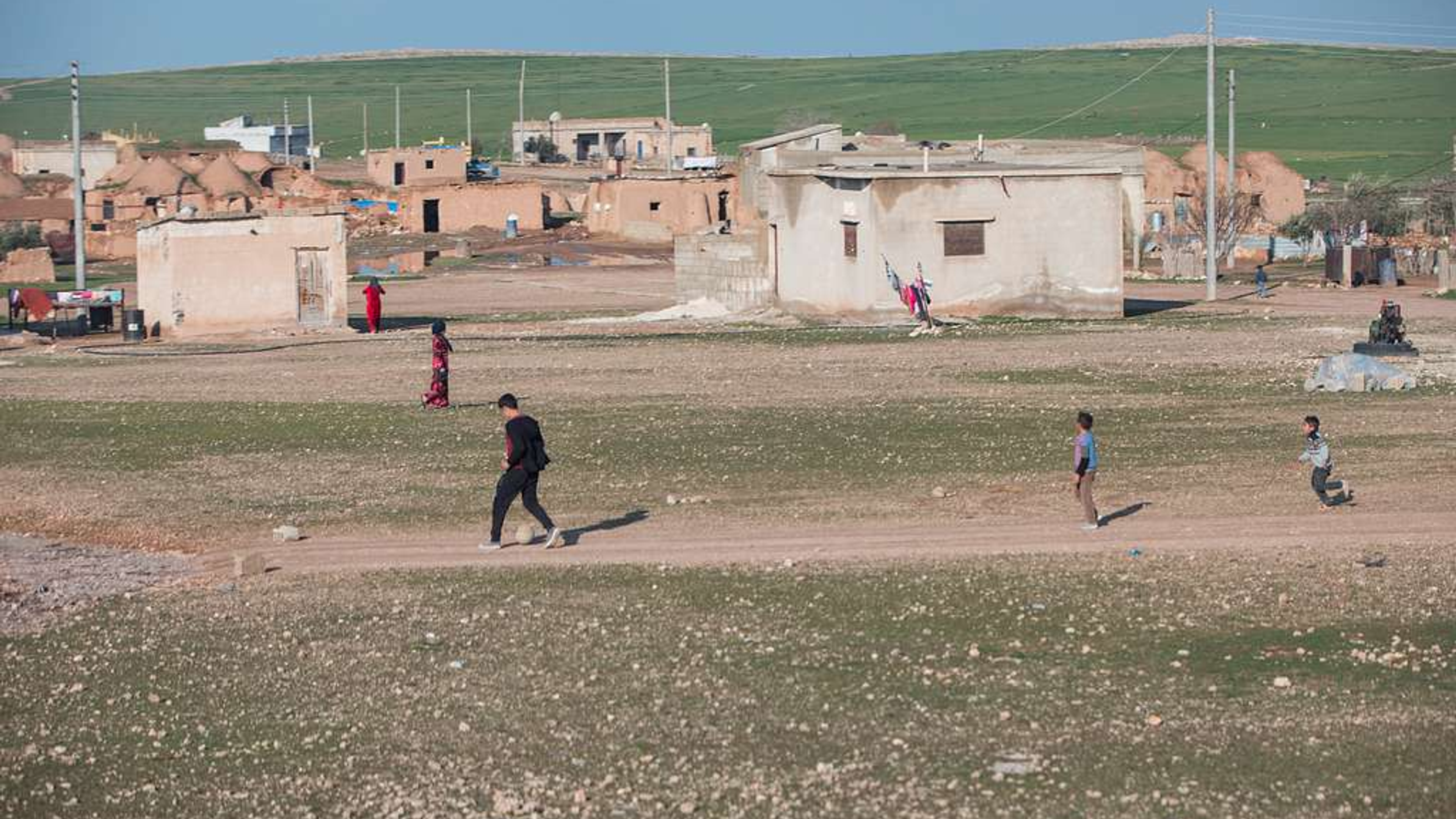
In war, children lose control over their lives, but play can bring some of that back. Across the globe, nearly 50 million children have been displaced by conflict and violence. Innovative play interventions and psychosocial support are critical for trauma recovery. However, the true mandate is for everyday citizens to demand an end to warfare through active global peace campaigns.
Pledge4Peace.org
September 17, 2026

The September 11 attacks forever changed the United States, leaving a legacy of profound loss but also incredible heroism and national unity. By honoring the 2,977 victims and the brave first responders who made the ultimate sacrifice, we are reminded of our shared humanity. Today, Pledge4Peace calls upon that same spirit of solidarity to bridge divides and bring peace to global conflicts.
This phenomenon was further corroborated by a groundbreaking 2020 study by the Danish research firm RunRepeat, in association with the Professional Footballers' Association (PFA). After analyzing over 2,000 commentary statements across 80 European matches, the findings revealed profound disparities based on skin tone:
These statistics confirm that the language used by broadcasters heavily skews toward reducing Black athletes to their physical characteristics while elevating white players for their tactical acumen and work ethic.
Understanding how to fix the problem requires looking at its historical roots. Matthew Hughey, a sociology professor at the University of Connecticut, explains that these patterns are driven by two erroneous beliefs rooted in the early 20th century: "racial essentialism" (the idea that race is a biological category with essential traits) and "biological determinism" (the assumption that these traits dictate outcomes).
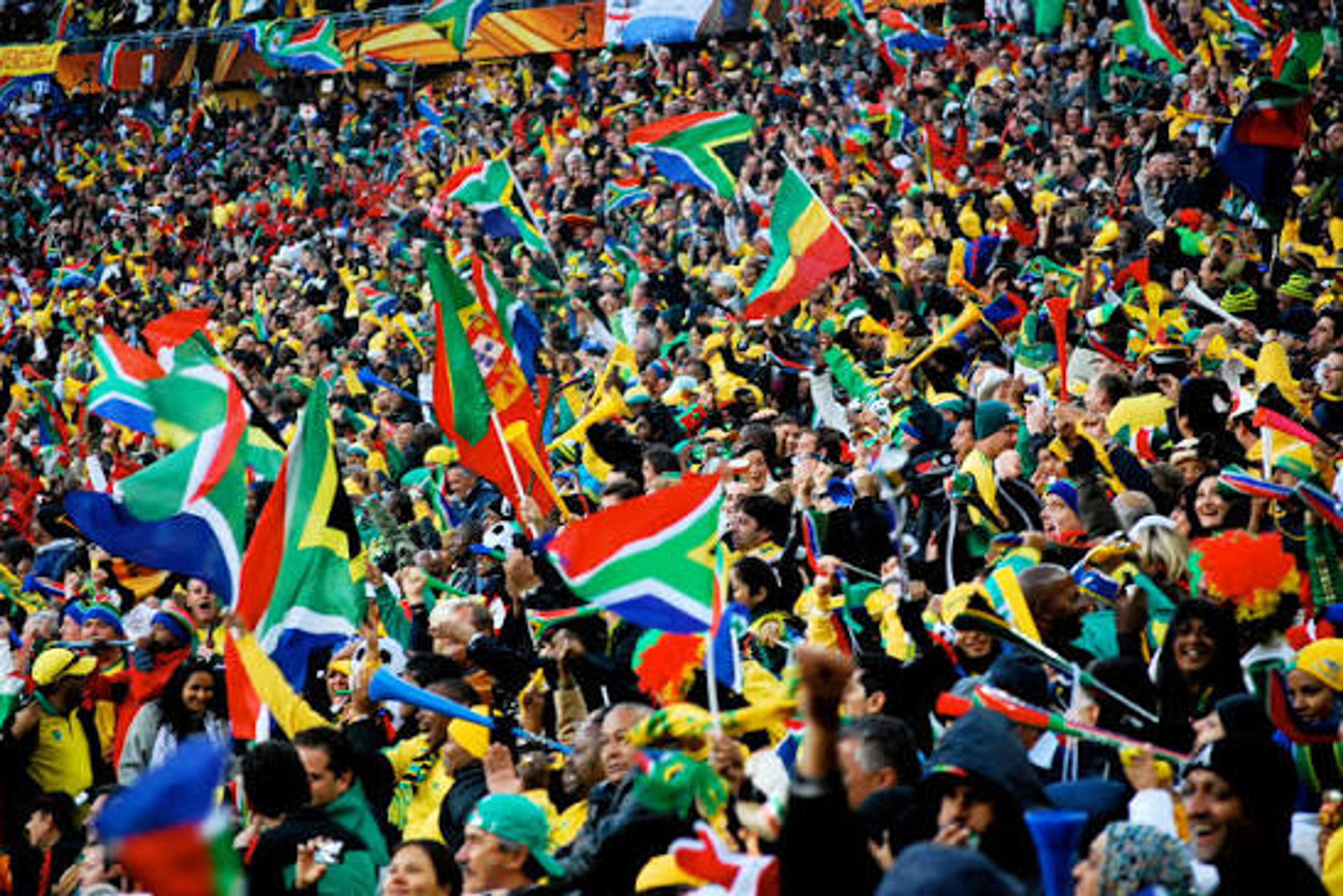
When a commentator implies an African team lacks tactical discipline, they are echoing a colonial framework. Ben Carrington, a professor of journalism and sociology at USC Annenberg, explains that portraying Black populations as possessing "animalistic tendencies" while lacking control is a historically racist trope. It undermines the goodwill and legitimate accomplishments African teams have built over decades, such as South Africa's successful hosting of the 2010 World Cup. As Peter Alegi, a historian at Michigan State University, noted, all it takes is one match for these regressive narratives to resurface.
This biased rhetoric does not exist in a vacuum; online abuse directly correlates with the stereotypes perpetuated on television. According to recent data from FIFA’s Social Media Protection Service, a staggering 89,000 abusive posts were verified during the 2026 World Cup group stages alone, a 13-fold increase from the 2022 tournament. Of the millions of comments scanned, 11% of all offensive messages were racially motivated, making racism the leading category of digital abuse faced by players.
The athletes themselves bear the psychological and professional brunt of these deeply held stereotypes. When an athlete's hard work and tactical intelligence are constantly brushed aside in favor of a "natural athleticism" narrative, it limits their career trajectories, particularly in coaching and management. British sports journalist Leon Mann notes that terms like "wild" and "unsophisticated" actively prevent qualified Black individuals from securing leadership positions in the sport.
Former US Women's National Team goalkeeper Briana Scurry, whose crucial penalty save won the 1999 Women's World Cup, has spoken extensively on this issue. As she detailed in her testimony, media conversations in the 1990s consistently revolved around her physical strength rather than her technical skill in goal. Scurry points out that this narrative is fundamentally demeaning, stripping Black players of the credit they deserve for their cognitive intelligence and dedication to their craft.
Recognizing racially coded language is the first step toward eradicating it. Addressing the racism problem in the World Cup and global football requires a concerted effort from broadcasters, fans, and governing bodies alike.
The World Cup possesses a unique ability to unite disparate cultures, but it also reflects the prejudices that still exist within our societies. The statistics unequivocally show that racial bias in football commentary is a tangible, measurable problem that disproportionately impacts Black players and African nations. By acknowledging these uncomfortable truths and actively changing the way we speak about athletes, we can leave these stereotypes behind. Promoting inclusive and ethical behaviors ensures that the beautiful game remains beautiful for everyone, built on a foundation of mutual respect, equal opportunity, and true sportsmanship.
Pledge4Peace.org
September 11, 2026