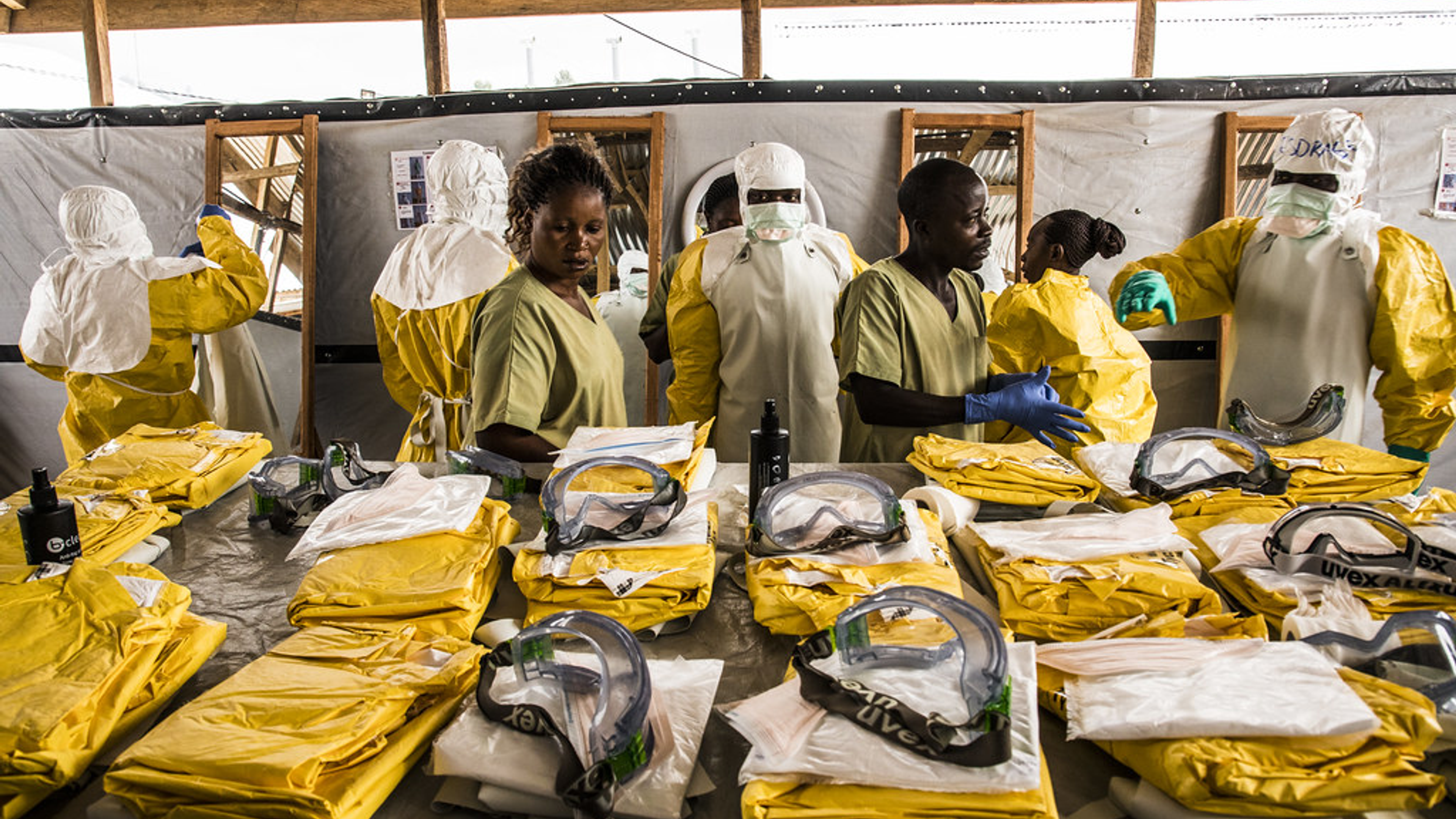

The resurgence of the Ebola virus has become highly politicized. Although public concern is a legitimate justification for the latest news cycles, there are still people being victimized by a disease that medical technology and biology are not equipped to fight. And noticeable disparity has emerged: international media and foreign health infrastructure frequently prioritize the potential risk of global transmission over the immediate need for localized mitigation in Central Africa. As a matter of fact, the people who reside outside of the DRC's borders are the majority of the readers and viewers engaged with this kind of media. Although there is no harm in mere education, the pursuit of those new stories should not be motivated by one's desire for self-preservation but rather empathy and consideration for the humans who have lost their lives.
Currently, the stories and realities of citizens residing in affected zones are often overshadowed by an international focus on border containment. A structural analysis of this public health crisis reveals that the Ebola outbreak of 2026 is not merely a biological phenomenon but a complex intersection of medical vulnerability, socioeconomic limitations, and strained global health infrastructures that require a unified diplomatic and civic response.
Before the conversation regarding the current public health crisis begins, some stereotypes that are rooted in xenophobia need to be dismantled. As a matter of fact, the Ebola virus did not begin as a result of Africans' uncleanliness, or lack thereof sterile cooking practices, or environmental hygiene. With that in mind, the current public health crises in Africa are the result of a very intricate relationship between significant practices andsocioeconomic and limitations. According to , the beginning of the Ebola outbreak can be traced back to December 6, 2013. However, the presence of the virus in Africa dates back as far as , and then again in 1976. The documented case was in Tandala, which is located in the Democratic Republic of the Congo (DRC). In 1976 another case was discovered in Sudan. Although this may suggest that the origin of the disease is Africa, there is no scientific evidence that supports the idea that Africans have caused this disease in any capacity.
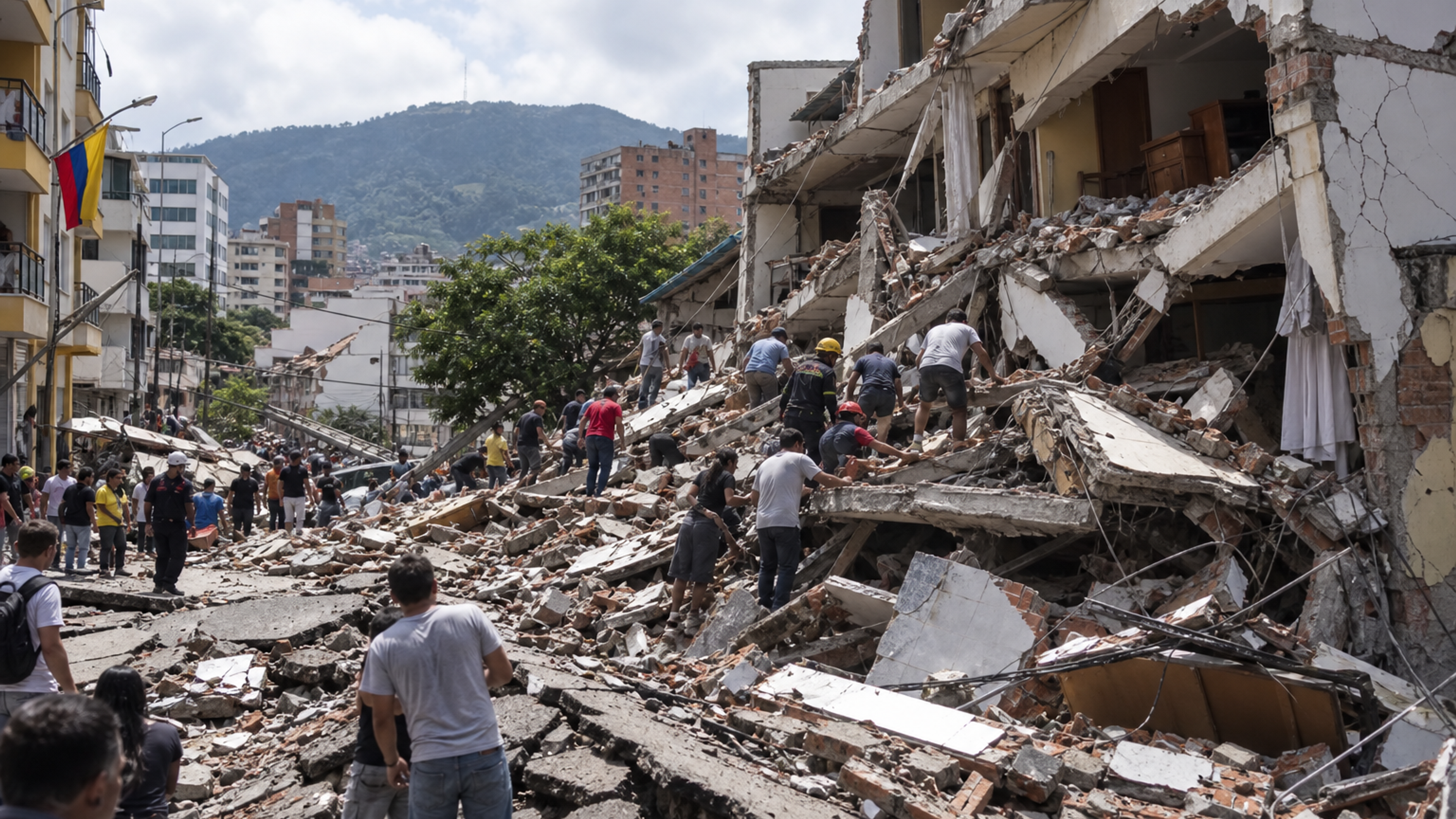
Un catastrófico terremoto de magnitud 7,4 sacudió el oeste de Colombia, provocando el derrumbe devastador de edificios, decenas de víctimas mortales y un pánico generalizado en las principales ciudades. Mientras los equipos de rescate buscan supervivientes entre los escombros, la comunidad internacional debe movilizarse para apoyar los esfuerzos de ayuda humanitaria de organizaciones verificadas.
Pledge4Peace.org
August 17, 2026
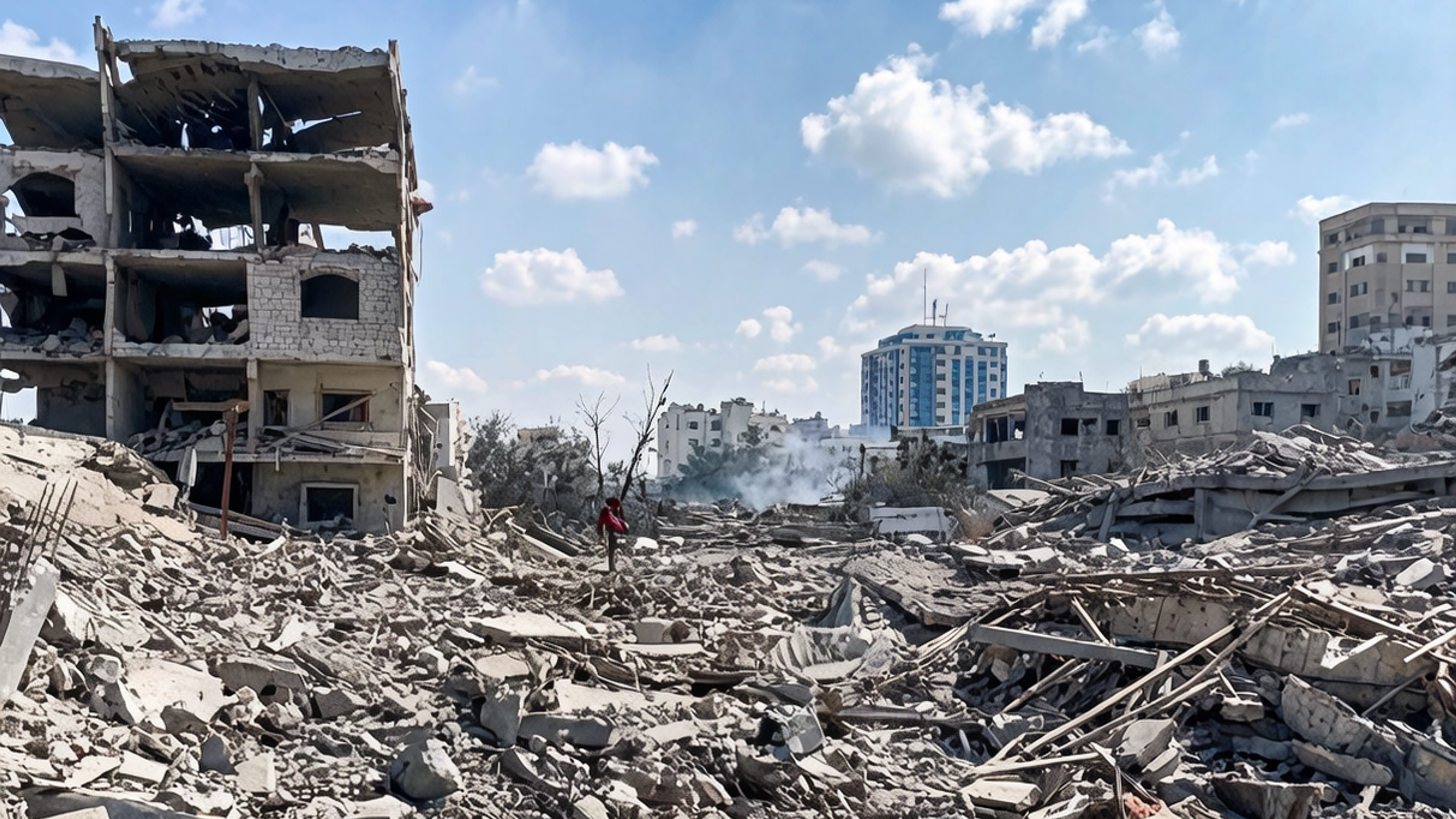
Un mes después de que catastróficos terremotos gemelos azotaran la costa norte de Venezuela, el número de fallecidos ha superado los 5.300. Con barrios enteros reducidos a escombros y decenas de miles de personas aún desaparecidas, los sobrevivientes continúan buscando a sus seres queridos entre los restos. Descubre las historias de quienes fueron afectados, los desafíos de la recuperación y cómo ciudadanos de todo el mundo pueden apoyar las labores de ayuda verificadas sobre el terreno.
With that being said, there is a scientific aspect of this scenario that was previously unacknowledged in the frenzy of mass media coverage. Rather than assessing the international risk Ebola poses, the conversation is focused on prevention and treatment within Africa's borders. That process begins with the evaluation of one's susceptibility to the disease. For example, one's geographic surroundings, occupation, the type of transmission, and the predominant diet in the region can all contribute to the degree of exposure some Africans in the DRC may have to the virus. Unlike the coronavirus, Ebola is not an airborne disease, yet it is equally, if not more, deadly. Research conducted by the PMC has confirmed that transmission can be attributed to human contact with the following: "saliva, feces, semen, breast milk, tears, nasal blood, and skin." As stated before, susceptibility can be measured when you take into account all the factors influencing individual exposure.
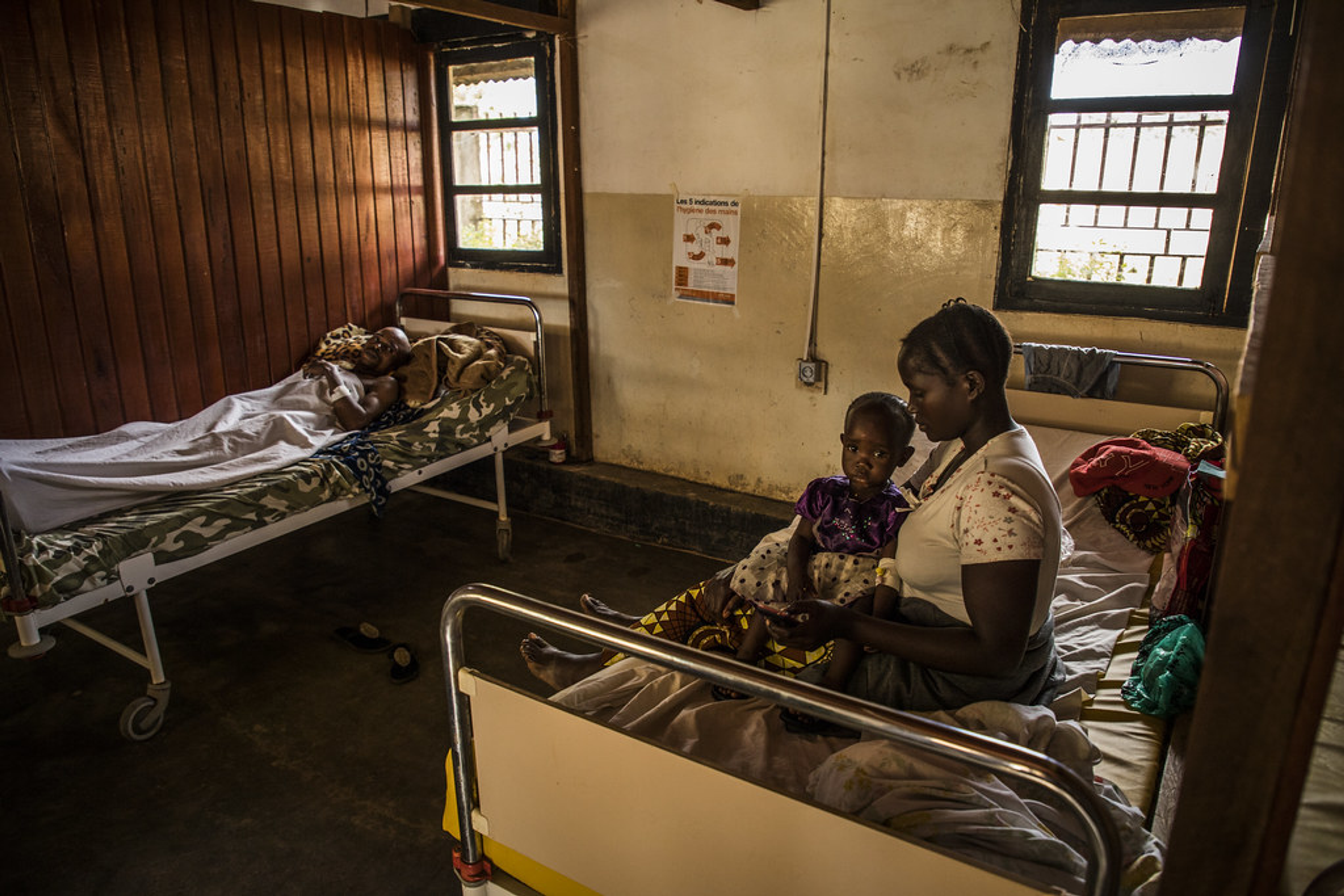
The question then becomes, Who withinCentrall Africa would be most vulnerable due to the nature ofthis disease's' transmission, incubation period, and mortality rates? The answer is not as simple as it may seem. It's especially important to outline the kinds of people who might be more vulnerable than the general population in their region. Susceptibility can be characterized by profession, proximity, age, and gender. According to the aforementioned categories, there has been documented evidence that has suggested a disproportionate rate of transmission amongst West African women residing in the affected regions.
As stated by WoodLawn Cemetery Conservancy, WoodLawn Cemetery Conservancy burials in West Africa are primarily prepared by elders in the village. The process would traditionally begin with the cleaning and dressing of the deceased person's body. In this culture, "it is considered taboo to touch the body of the deceased until the bathing ritual is complete." Oftentimes gifts are placed alongside the person's body. This practice is maintained in order to ensure that the person being buried has a "better transition into the afterlife."Public weeping and visitations after the burial are commonplace. The final stage of the ritual is the memorial service. It is at this time that villagers, friends, and family gather to celebrate the life of their loved one with the accompaniment of music, food, and dance. This cultural practice illustrates the significant bond that is formulated between a community when a person is deceased. It is important to mention the respect and adoration shared between people in West African culture, as well as the degree of exposure that can result from it. In this burial procedure alone, people are constantly coming into contact with the bodily fluids of the deceased. Even with the rise of Ebola, burials and the usage of traditional healers were still widespread. In West Africa, cultural traditions are not likely to interfere with one's desire for self-preservation.
"We wash the body and then dress it in clean clothes. We wash under the arms and between the legs and cut the toenails. If the hair is loose, we braid it. If someone is not buried properly her ghost will return to haunt people." - Mattu Morru PBS Frontline, 2015.
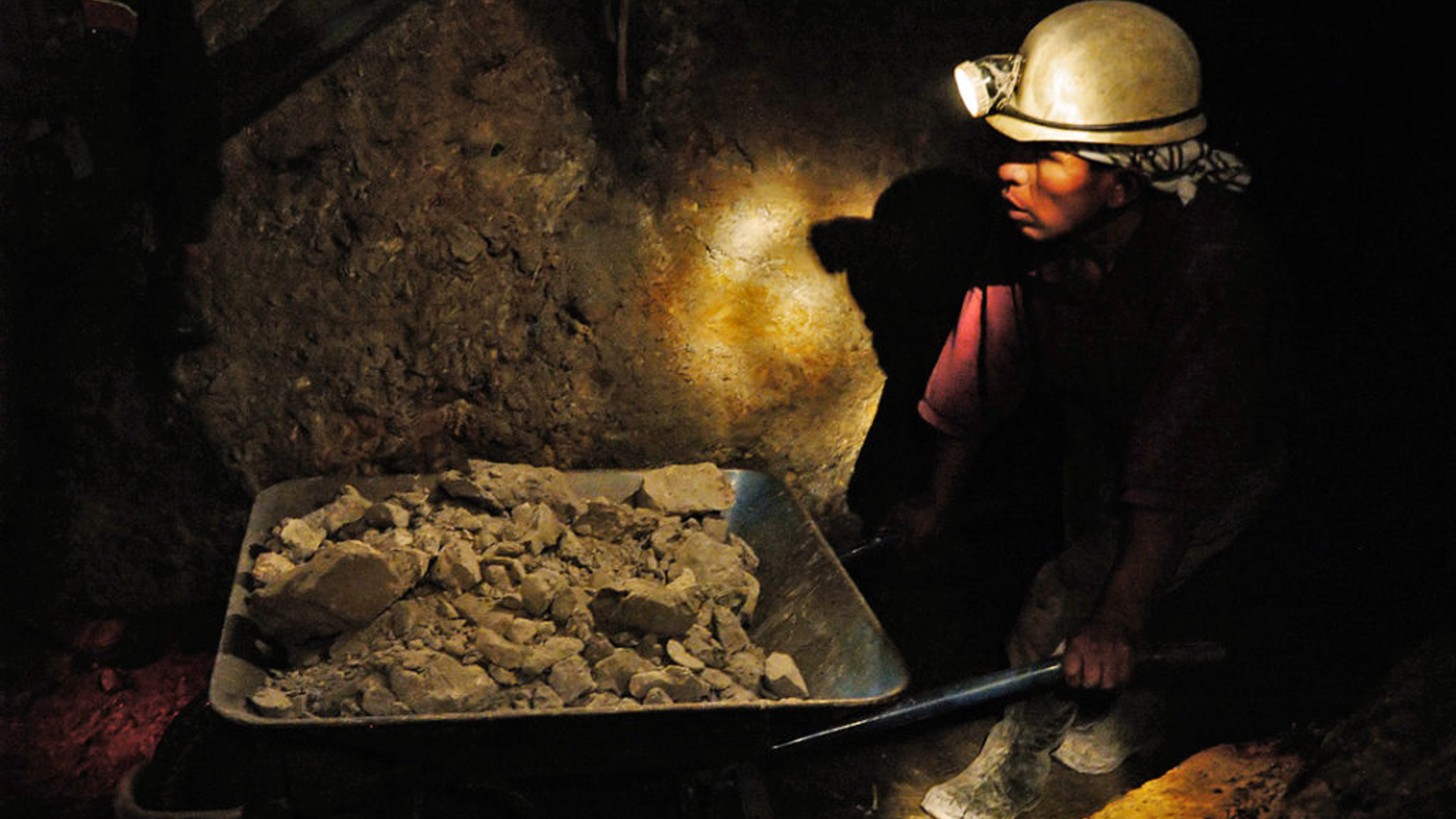
Yet again, it should be noted that people residing in third-world countries are particularly vulnerable to diseases found in animals prior to human transference. For clarification, "bushmeat" refers to wild animals, either reptiles, amphibians, or mammals. The International Fund for Animal Welfare (IFAW) has cited the following evidence: "For thousands of years, bushmeat consumption has been the norm and an important source of protein in many African, Latin American, and Asian countries. This is especially true for remote areas where it is difficult to raise livestock, and bushmeat is often the only available or affordable source of protein. It is estimated that in rural regions of West and Central Africa, bushmeat constitutes 80-90% of animal protein intake. " This statistic alludes to their being a cross-cultural and socioeconomic relationship between ethnic groups that primarily consume bushmeat as a source of sustenance.
It could also be argued that one's socioeconomic status and reliance on bushmeat could create an opportunity for consumers to be exposed to the animal's housing the virus. The IFAW cites that "six million tons of bushmeat are harvested in Central Congo and the Amazon; susceptibility becomes quantifiable, rather than just observational. Why does this matter as of 2026? Well, this discovery could ease international concern regarding transmission, equalize the conversation regarding Africa's hygienic practices, and clarify why it is that some ethnic groups may be predominantly victimized during a resurgence. The proposed protocols in the side bar were implemented by the CDC in an effort to mitigate transference across Africa. These protocols will inevitably decrease the risk of transference overseas.
As of June 2, 2026, the Center for Disease Control (CDC) has confirmed that the DRC and Uganda are currently being impacted by the resurgence of this disease. During the previous outbreak the world watched as Africans in the DRC scrambled for medical resources, quarantined, and died by the thousands.
Historically, international intervention has demonstrated what is possible when global resources are mobilized. During the 2013–2016 epidemic, emergency funding was allocated to address the crisis directly at its source in West Africa, representing a massive deployment of global health infrastructure.
"Here's the bottom line. Patients beat this disease,and we can beat this disease. But we have to stay vigilant. We have to work together at every level—federal, state, and local. And we have to keep leading the global response, because the best way to stop this disease, the best way to keep Americans safe, is to stop it at itssource—in West Africa." President Obama, October 25, 2014.
Obama understood that Americans needed reassurance, but he also did the work to ensure that African citizens could recover from this disease. Global citizens today should ask themselves if their community can do more to compensate for the lack of resources provided for African citizens. If the answer is yes, then we must embrace empathy and promote peace.
"I think the outbreak is outpacing the current response"—Dr. Abdou Sebushishe, CNBC News, June 2, 2026.
Today, a structural review of international aid highlights a trend toward prioritizing domestic containment, such as securing borders and equipping foreign medical facilities for evacuated citizens, over robust funding for humanitarian medical aid operations directly in the affected zones. When international health policy focuses primarily on insulating developed nations from risk rather than treating the disease at its epicenter, it exposes a critical flaw in global health equity.
At times the citizens in a country can have a stronger influence over society than the government. Change can be made, but the right steps must be taken. Remaining well-informed and proactive can help mitigate harmful stereotypes regarding Africa's supposed dilapidation, uncleanliness, and lack of infrastructural development.
You have the power to enact a global citizen mandate today:
Fund the Frontline: Direct your support to verified medical and humanitarian organizations operating at the epicenter:
Combat Misinformation and Stigma: Use your platform to share factual context regarding the environmental and socioeconomic realities of the disease, actively dismantling harmful stereotypes.
Financial aid treats the immediate symptoms, but long-term global stability requires a permanent transition toward local health sovereignty and structural support. Take your stand, explore active Pledge4Peace campaigns, and vote on the frameworks needed to address systemic health crises.
Vote on other campaigns here: https://pledge4peace.org/campaigns
Don't just watch history happen. Shape it. Get our weekly diplomatic briefings.
Pledge4Peace.org
July 27, 2026