El conflicto está creciendo. Únete al movimiento para crear un futuro pacífico. Firma el Compromiso

El conflicto está creciendo. Únete al movimiento para crear un futuro pacífico. Firma el Compromiso
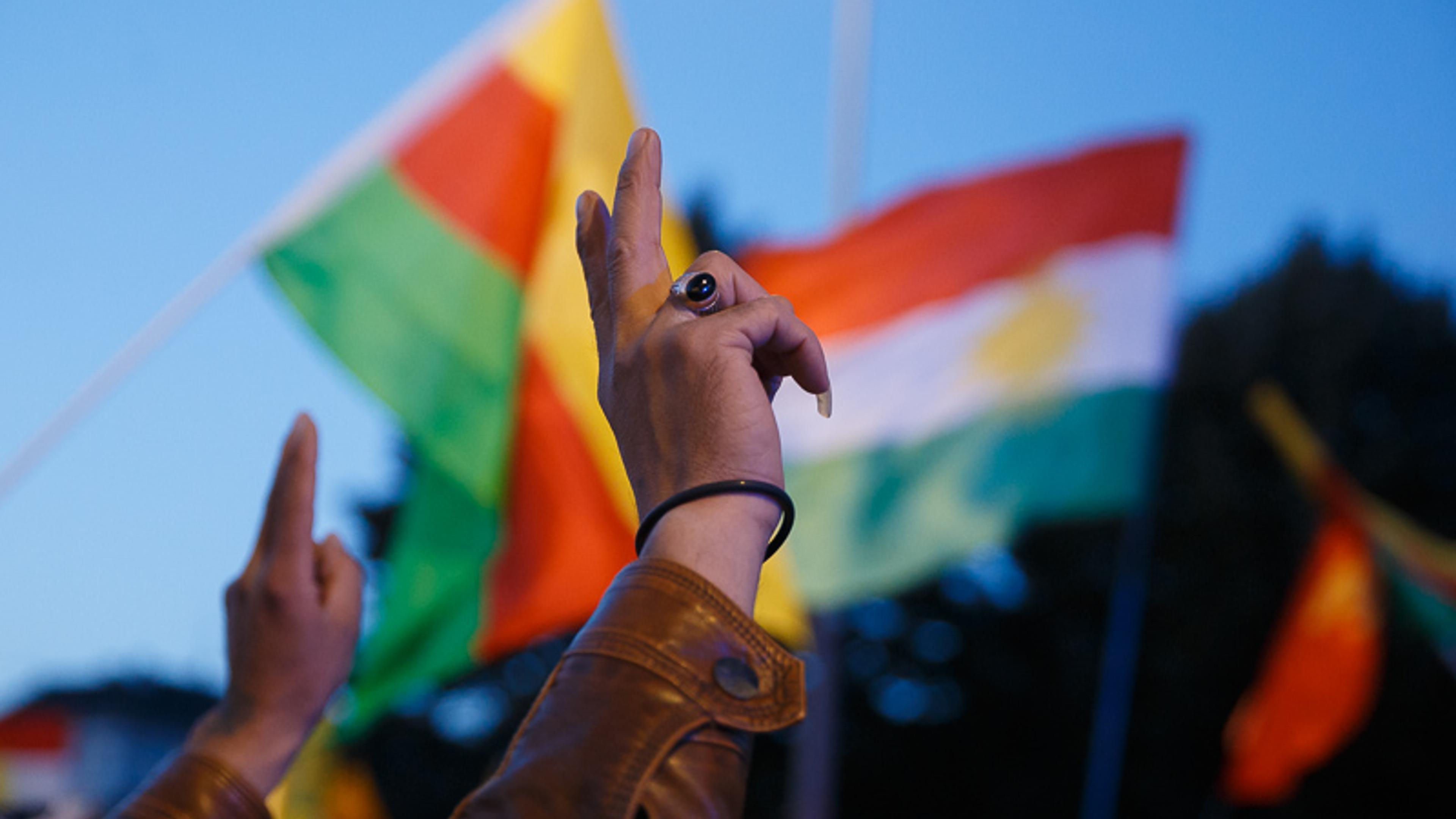

In a surprise announcement, the Kurdistan Workers’ Party (PKK) declared that it would withdraw all its forces from Turkish territory to bases in northern Iraq. The group, designated as a terrorist organization by Turkey, the United States, and the European Union, framed the move as a “strategic repositioning” — a step toward de-escalation and political dialogue.
For a conflict that has claimed more than 40,000 lives since 1984, the announcement has reignited discussions about whether peace is once again possible between the Turkish state and Kurdish movements across the region.
The PKK’s armed struggle began in the 1980s with the goal of greater autonomy and rights for Turkey’s Kurdish minority, which makes up roughly 15–20% of the country’s population. Despite intermittent peace talks, most notably the 2013–2015 ceasefire, mistrust, political shifts, and renewed violence have prevented lasting resolution.
In recent years, Turkey has intensified military operations in southeastern Turkey and across the Iraqi border, targeting PKK positions. Civilian communities in the mountainous border regions have often been caught in the crossfire, with human rights groups calling for restraint on all sides.
The PKK’s decision to pull back may signal exhaustion from years of attrition, but it may also reflect changing regional dynamics, particularly Iraq’s own security concerns and shifting Kurdish political alliances.
According to France24’s report, the PKK stated that it would “fully withdraw from Turkish soil” and relocate fighters to its bases in northern Iraq’s Qandil Mountains. The move comes amid rising international calls for de-escalation and humanitarian protection in conflict areas.
Analysts remain divided:
• Some view the withdrawal as a confidence-building gesture that could open the door to renewed talks on Kurdish rights within Turkey.
• Others interpret it as a strategic redeployment, allowing the PKK to consolidate forces while avoiding direct confrontation with Turkish military campaigns.
Regardless of motivation, the withdrawal could reduce immediate tensions in southeastern Turkey, a region where civilians have long borne the brunt of conflict-related displacement and restrictions.
The humanitarian cost of the conflict remains high. According to the International Crisis Group, more than 5,000 people have been killed since the collapse of the 2015 ceasefire, and over 300,000 civilians have been displaced in Kurdish-majority areas.
Human rights observers stress that any sustainable peace must include:
• Cultural and linguistic recognition for Kurdish citizens within Turkey.
• Inclusive governance that integrates Kurdish political voices without criminalization.
• Accountability for human rights violations committed by all parties.
• Demilitarization of civilian zones, especially along the Turkish-Iraqi border.
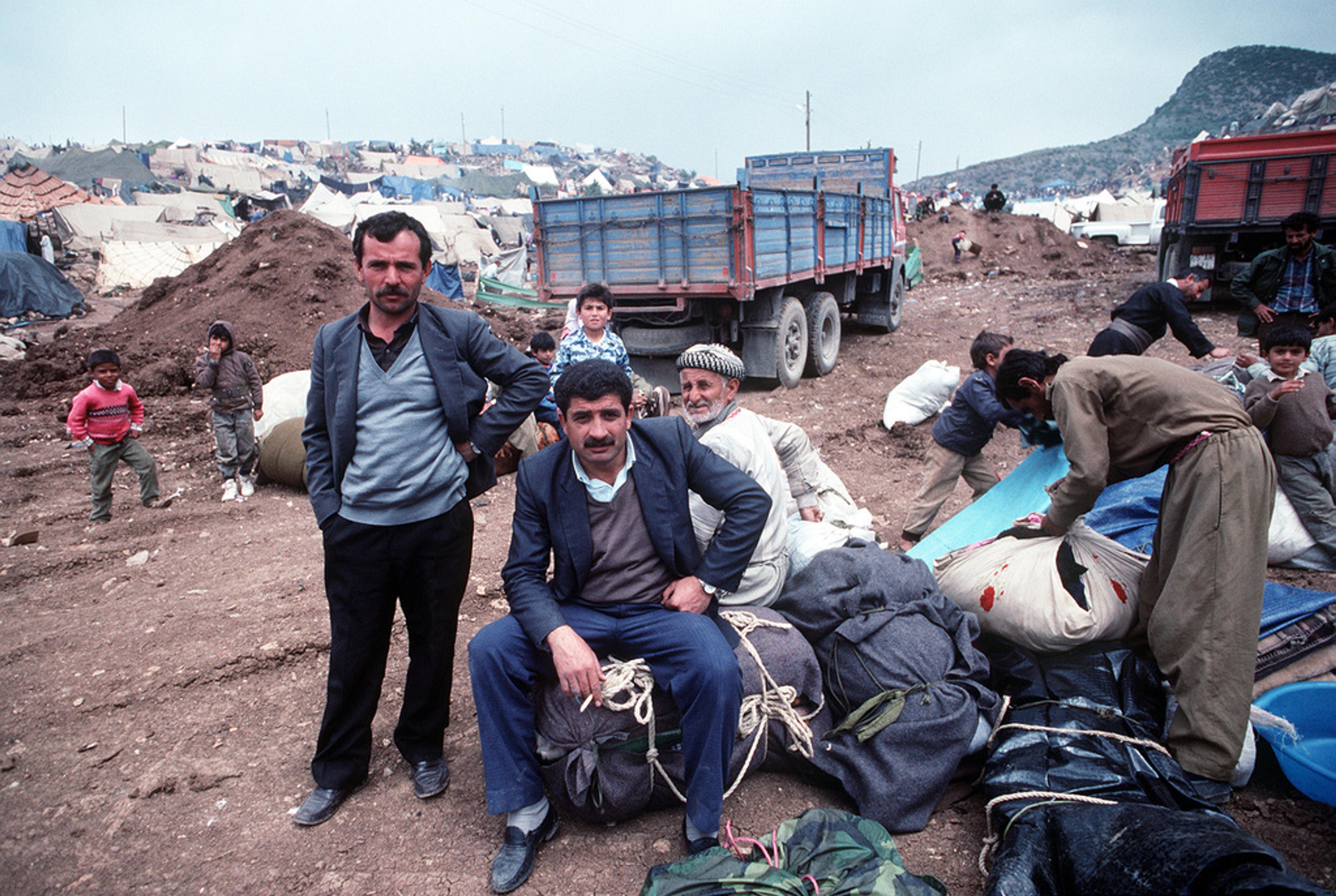
Kurdish Men sit with their families and belongings at a refugee camp on the Turkish-Iraqi borders. By: The U.S. National Archives.
International organizations, including the United Nations, the European Parliament, and various NGOs, have repeatedly emphasized that reconciliation cannot be achieved through military means alone. Dialogue, participation, and guarantees of dignity are essential.
Northern Iraq, where the PKK maintains bases, faces its own internal tensions. The Kurdistan Regional Government (KRG) has long urged the PKK to demilitarize its presence in the area, citing cross-border Turkish operations that threaten local communities.
Meanwhile, the broader Kurdish question extends beyond Turkey, spanning regions of Syria, Iraq, and Iran. The PKK’s withdrawal could impact Kurdish movements in northern Syria (Rojava) and affect ongoing cooperation between local forces and international coalitions against ISIS.
If coordinated through international mediation, this step might also open a door for regional peace mechanisms, promoting coexistence between Kurdish groups and neighboring states through diplomacy rather than armed struggle.
Despite cautious optimism, several obstacles remain:
1. Lack of trust between Ankara and the PKK.
2. Ongoing militarization and drone strikes along the border.
3. Political polarization within Turkey ahead of future elections.
4. Regional instability that may complicate any peace talks.
Without confidence-building measures, such as amnesty frameworks, civilian oversight, and humanitarian access, the current lull may be temporary.
The Kurdish-Turkish conflict is one of the world’s longest unresolved internal wars, and its implications extend beyond national borders. It intersects with refugee flows, counterterrorism policies, minority rights, and democratic governance, all of which shape global peace and justice.
Peace efforts in one region strengthen the global movement for nonviolence everywhere. By understanding and supporting peaceful solutions, citizens around the world can help shift the narrative away from militarization toward reconciliation.
Peace doesn’t begin in political chambers, it begins with awareness.
The withdrawal of PKK forces from Turkey presents a critical opportunity to push for dialogue, justice, and human rights in the region. Whether it becomes a true turning point depends on global engagement and the willingness of leaders and citizens alike to choose peace over polarization.
Add your voice. Vote on citizen-driven peace solutions and support global campaigns for dialogue and democracy at Pledge4Peace.org/campaigns.
Together, we can transform awareness into action.
Hero Image: Montecruz Foto CC BY-SA 3.0
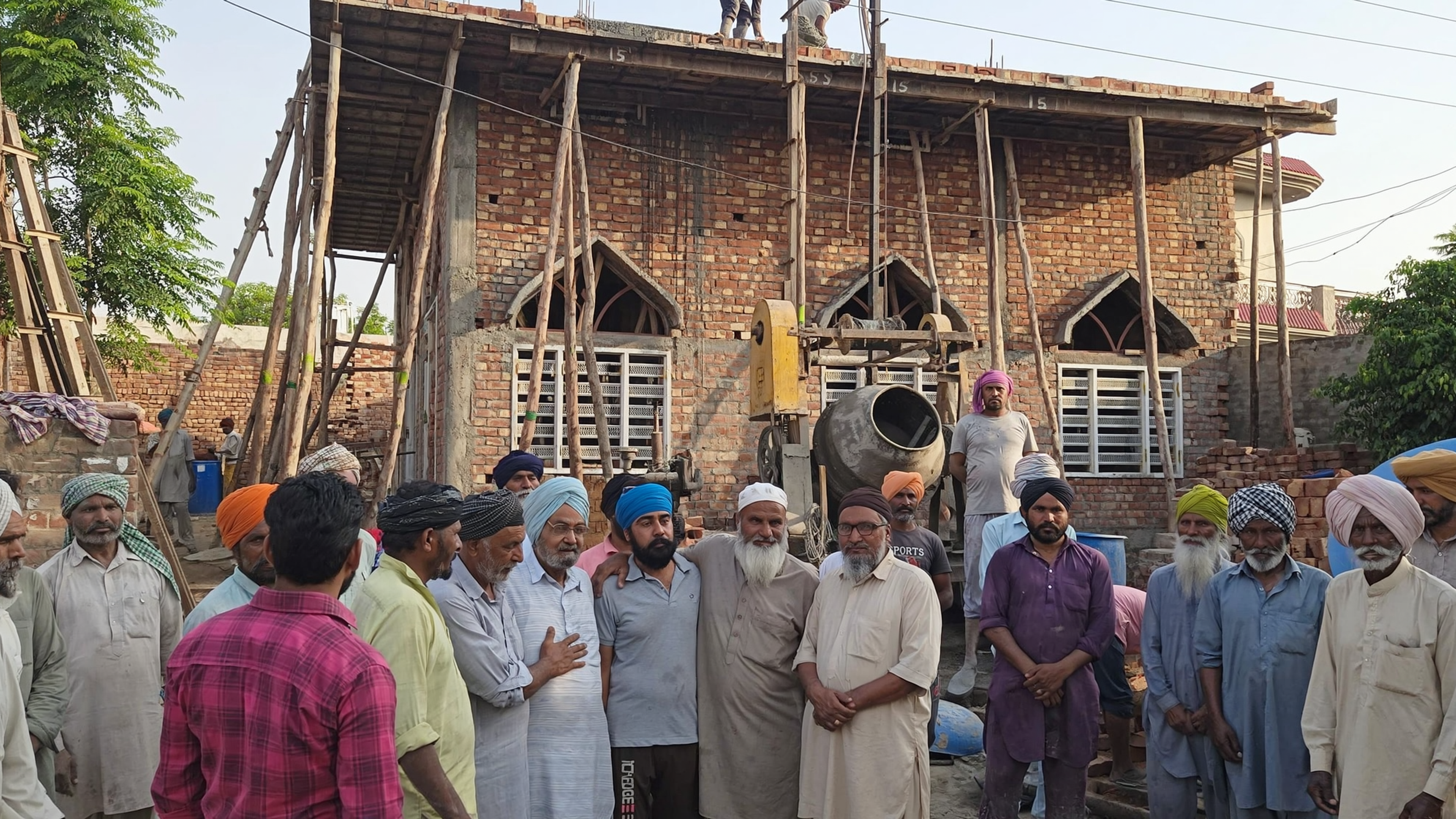
Las comunidades sij e hindú de todo Punjab están reconstruyendo mezquitas abandonadas o destruidas durante la Partición de 1947, transformando el trauma generacional en justicia restaurativa. Descubre cómo este movimiento interreligioso de base está eligiendo la unidad sobre la división, y cómo puedes apoyar la paz mundial.
Pledge4Peace.org
November 6, 2026
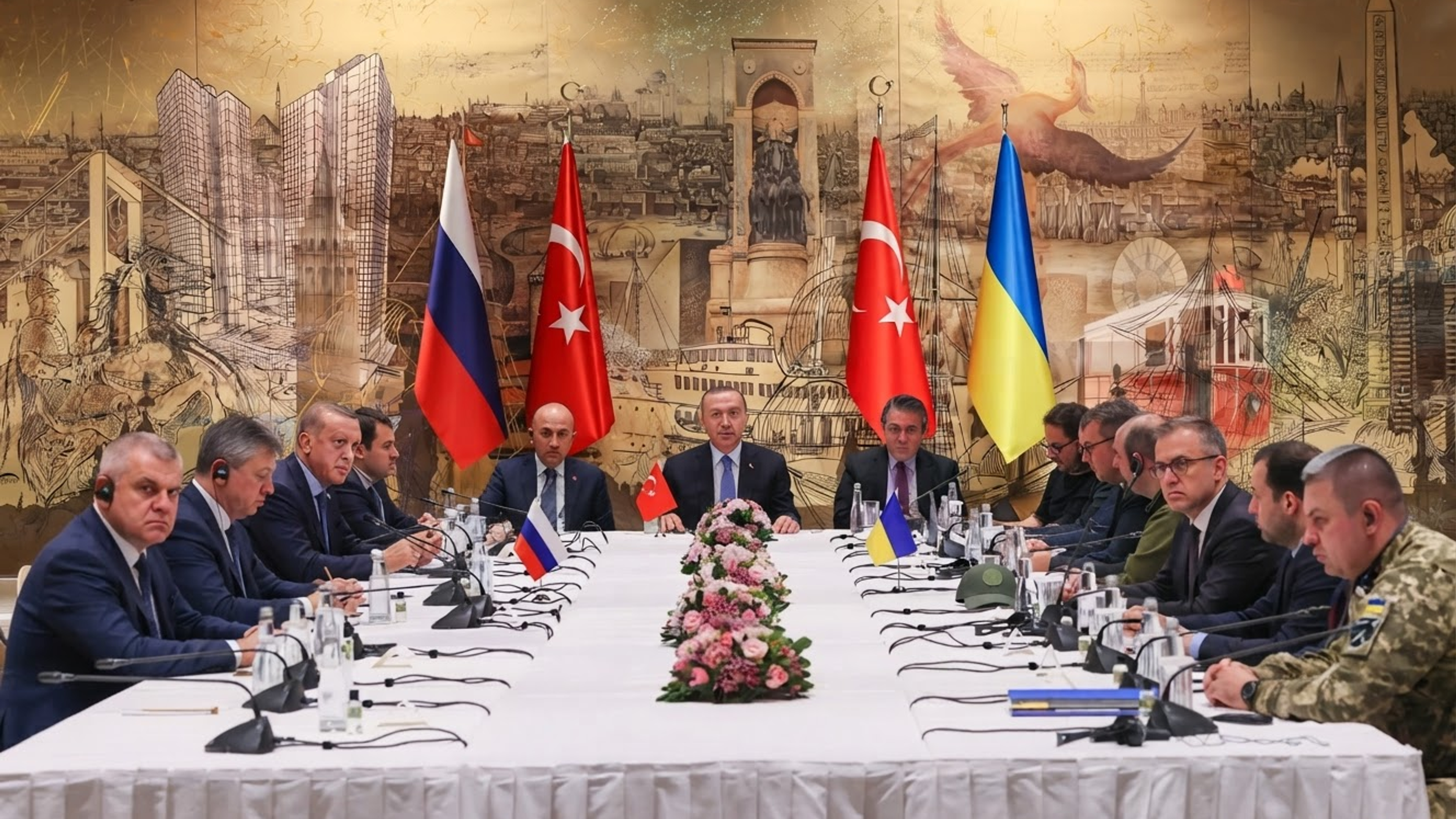
Estados Unidos mediará conversaciones de paz a nivel técnico entre Ucrania y Rusia en Abu Dabi los días 10 y 11 de noviembre de 2026. Las conversaciones se centrarán en la seguridad de posguerra, la desescalada y los esfuerzos humanitarios. Se producen tras un inusual alto el fuego que permitió la entrada de ayuda en Oleshky y renuevan la esperanza de que la diplomacia pueda conducir a una paz duradera.
Pledge4Peace.org
November 4, 2026
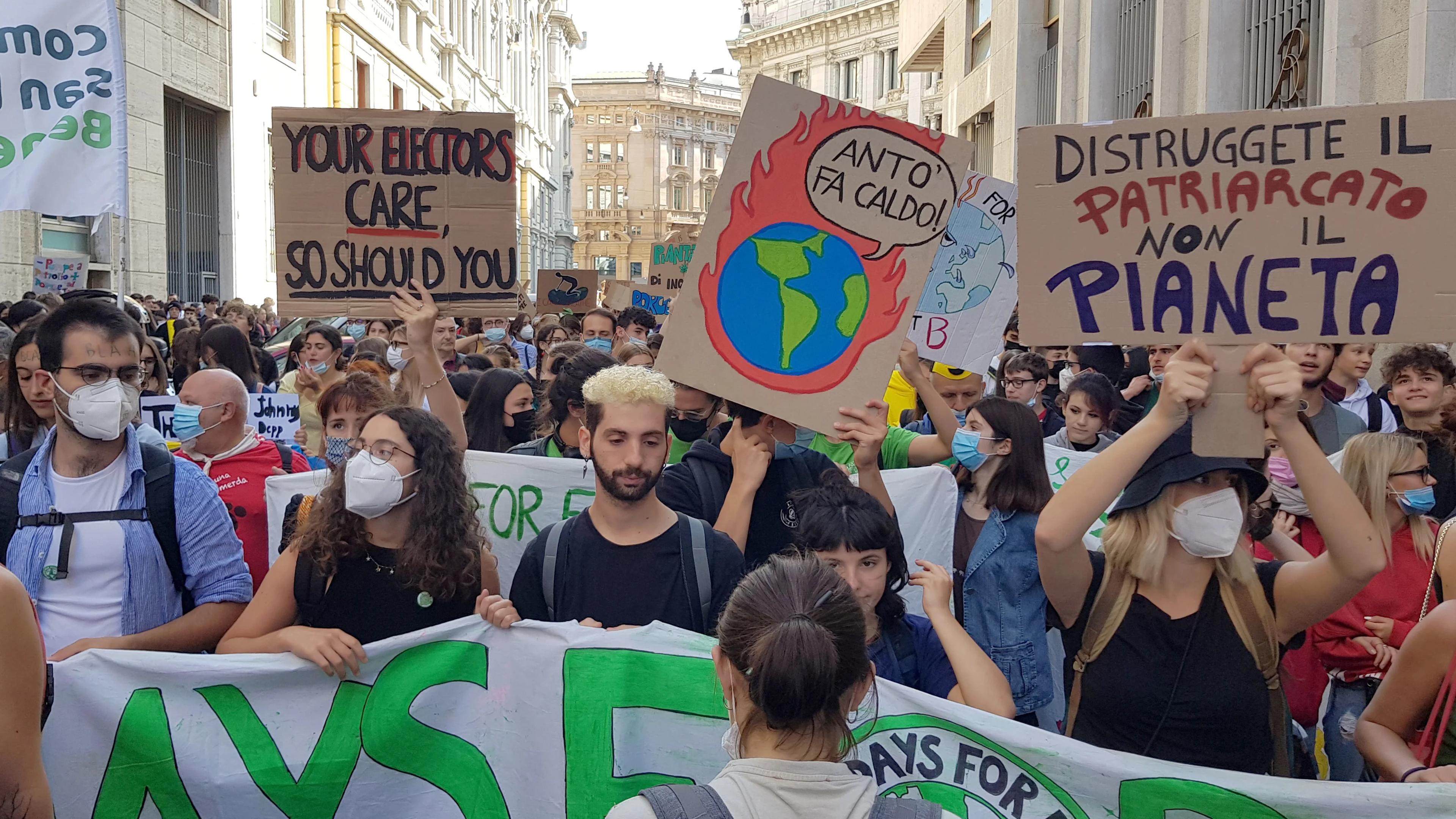
Una grave crisis del costo de vida, impulsada por las guerras, el aumento de los precios del combustible y los salarios estancados, ha desatado una ola de protestas en Europa, América y Asia. Así es como el conflicto global alimenta la inflación y la desigualdad, y por qué la diplomacia es el camino a seguir.
Pledge4Peace.org
October 22, 2026