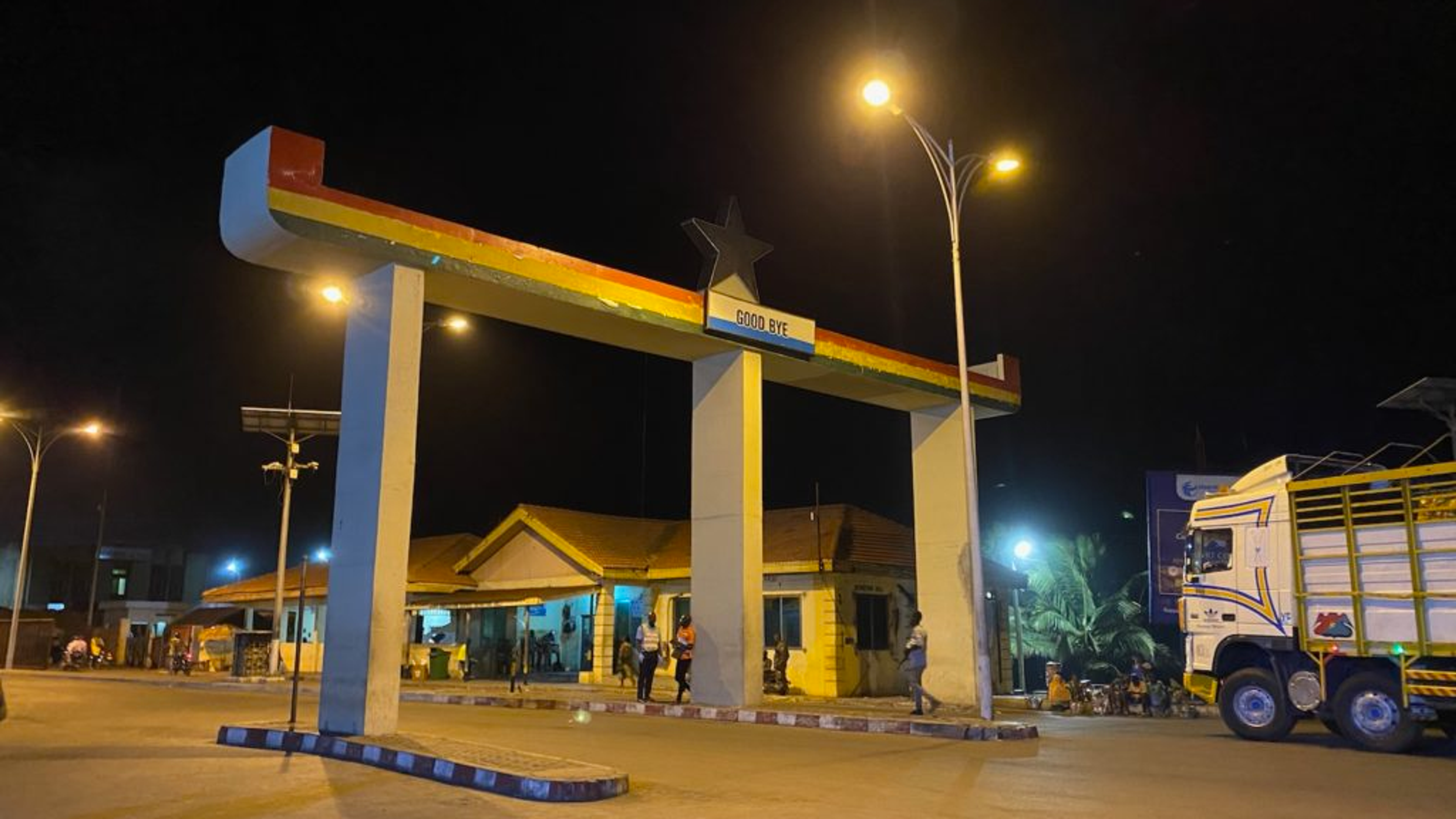

For decades, Ghana and Nigeria have been bound by more than geography. Trade, migration, shared cultures, and regional cooperation have made the two West African nations deeply interconnected. Millions of citizens live, work, and build families across borders, particularly within bustling urban markets that serve as economic lifelines.
Yet today, those very markets have become flashpoints.
Recent reporting from openDemocracy highlights growing tensions between Ghanaian traders and Nigerian migrants, particularly women operating in informal markets. These disputes are not isolated incidents. They reflect broader pressures facing West Africa: economic strain, youth unemployment, weak regulatory enforcement, and the politicization of migration.
Understanding what is happening in Ghana’s markets is essential, not to assign blame, but to identify how cooperation can be restored before division deepens.
Markets are often the first places where regional tensions surface. In Ghana, informal trading hubs are where livelihoods intersect with policy, identity, and survival.
According to openDemocracy, Nigerian traders, many of whom have lived in Ghana for years, report harassment, forced shop closures, and accusations that they are operating illegally. Ghanaian traders, on the other hand, express frustration over competition, rising costs, and what they perceive as unequal enforcement of business regulations.
These grievances are real on both sides.
Ghana’s investment laws restrict certain retail activities to citizens, but enforcement has historically been inconsistent. During times of economic hardship, marked by inflation, currency depreciation, and rising living costs, these inconsistencies become flashpoints for resentment.
Markets, in this sense, act as pressure valves. When economic anxiety rises, social cohesion often weakens first at the local level.
Migration between Ghana and Nigeria is not new. Both countries are members of ECOWAS, which guarantees free movement of people and goods across borders. Nigerians contribute significantly to Ghana’s informal and formal economies, just as Ghanaians do in Nigeria.
However, when economies tighten, migrants often become symbolic targets for broader systemic failures.
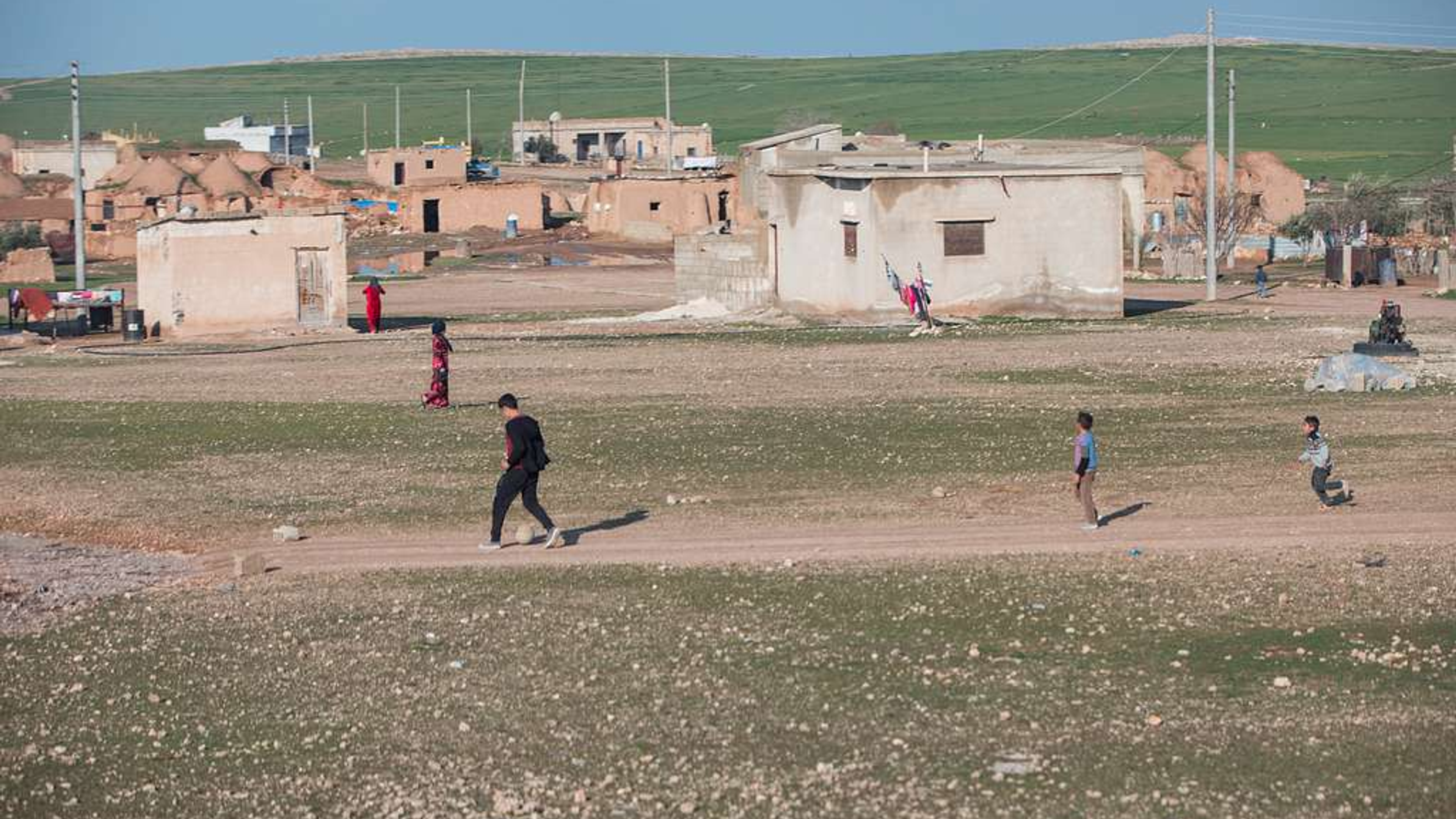
Dans la guerre, les enfants perdent le contrôle de leur vie, mais le jeu peut les aider à en retrouver une partie. Dans le monde entier, près de 50 millions d’enfants ont été déplacés en raison des conflits et de la violence. Les interventions innovantes fondées sur le jeu et le soutien psychosocial sont essentielles au rétablissement après un traumatisme. Cependant, le véritable enjeu est que les citoyens exigent la fin des guerres grâce à des campagnes actives en faveur de la paix mondiale.
Pledge4Peace.org
September 17, 2026
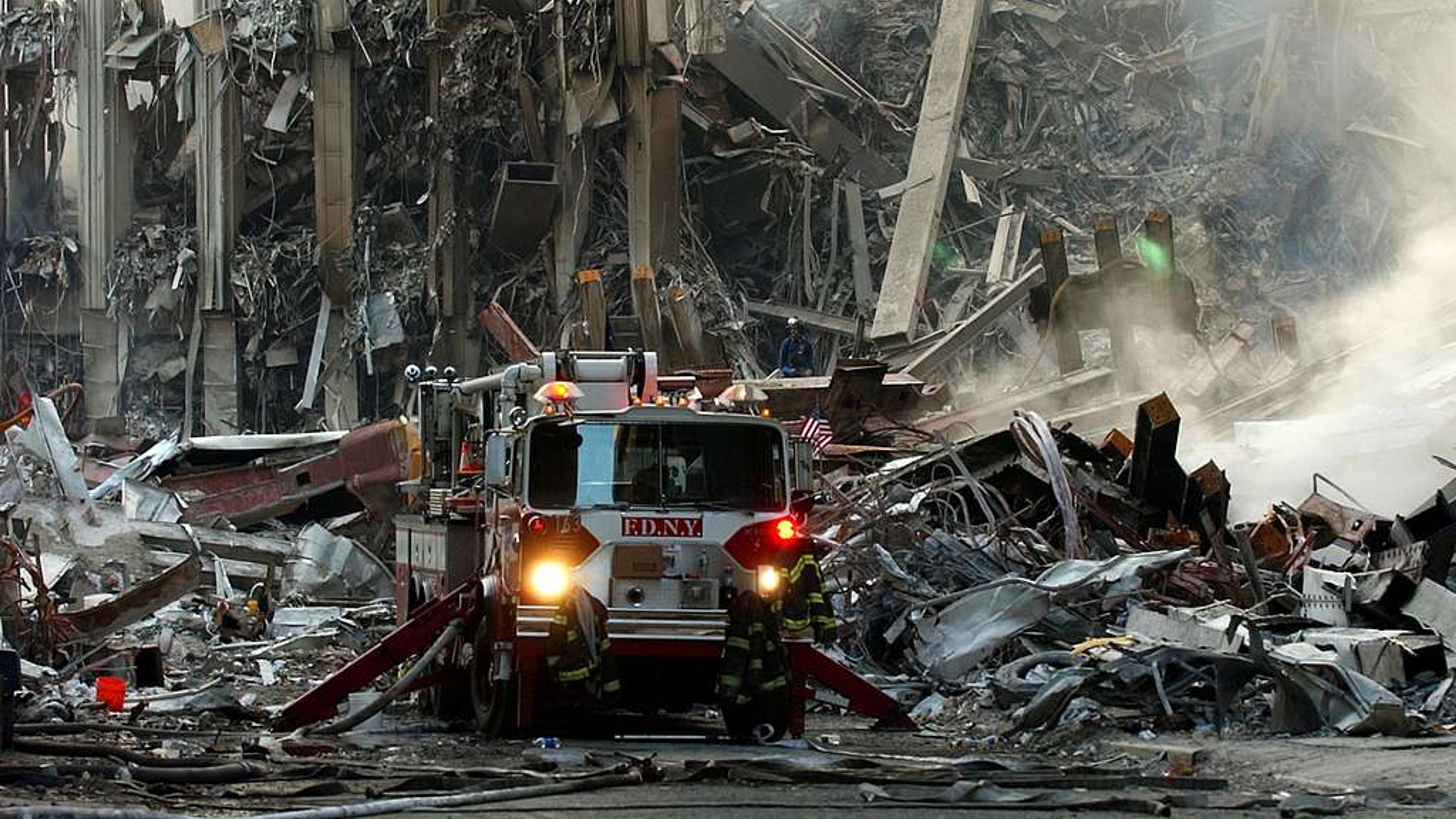
The September 11 attacks forever changed the United States, leaving a legacy of profound loss but also incredible heroism and national unity. By honoring the 2,977 victims and the brave first responders who made the ultimate sacrifice, we are reminded of our shared humanity. Today, Pledge4Peace calls upon that same spirit of solidarity to bridge divides and bring peace to global conflicts.
Research across regions consistently shows that migrants are frequently blamed for unemployment or market competition despite limited evidence that they cause job losses. The World Bank has repeatedly noted that migration within Africa tends to stimulate economic activity rather than suppress it, particularly in trade-oriented economies.
Yet perception often outweighs data.
When misinformation spreads, whether through rumors, political rhetoric, or social media, it can transform economic frustration into identity-based conflict. This is precisely the risk facing Ghanaian-Nigerian relations today.
One of the most striking aspects highlighted by openDemocracy is that many of those affected are women.
Women dominate informal markets across West Africa. They are traders, suppliers, caretakers, and economic anchors for extended families. When market tensions escalate, women disproportionately absorb the consequences: lost income, harassment, and insecurity.
This gendered dimension matters.
Disrupting women’s livelihoods has ripple effects: children are pulled from school, health care becomes unaffordable, and household stability erodes. What begins as a market dispute can quickly become a social crisis.
History across regions shows that economic nationalism at the local level rarely produces long-term stability.
When communities turn inward:
• Trade slows
• Prices rise
• Informal economies shrink
• Trust between groups erodes
For Ghana and Nigeria, division carries additional risks. Both countries play leadership roles in West Africa. Strained relations weaken ECOWAS cooperation, undermine regional integration, and reduce collective capacity to respond to larger challenges such as climate shocks, insecurity, and global economic volatility.
In short, conflict at the market level threatens peace at the regional level.
The situation is not without solutions
Experts and civil society groups emphasize that dialogue, transparent regulation, and fair enforcement are key. When laws exist, they must be applied consistently, without targeting based on nationality.
Equally important is communication.
Local mediation between trader associations, municipal authorities, and migrant groups has proven effective in other contexts. When grievances are aired openly and addressed collectively, tensions tend to ease rather than escalate.
Public education also plays a role. Reminding communities of shared histories, mutual contributions, and economic interdependence can counter narratives of “us versus them.”
Peaceful coexistence is not passive; it requires active effort.
What is unfolding in Ghana’s markets is not unique to West Africa. Similar dynamics are visible worldwide: economic stress amplifying identity divisions, migration becoming politicized, and local disputes reflecting global instability.
The lesson is universal.
Peace is sustained not only by treaties and diplomacy but also by everyday fairness, how neighbors treat one another, how laws are enforced, and how societies respond to hardship.
When cooperation replaces competition, resilience follows.
Situations like this remind us why citizen engagement matters. Governments often respond faster when public opinion supports dialogue over division.
Platforms that amplify peaceful solutions help shift narratives away from blame and toward coexistence.
At Pledge4Peace, campaigns exist precisely to channel these voices into constructive pressure for cooperation, dignity, and stability.
Ghana and Nigeria share far more than what divides them. Their futures are interconnected, and so are the futures of millions of people who depend on peaceful cooperation to survive and thrive.
You can help amplify solutions rooted in dialogue, fairness, and regional unity.
Peace is built when people choose cooperation over conflict and when shared humanity comes before division.
Pledge4Peace.org
September 11, 2026