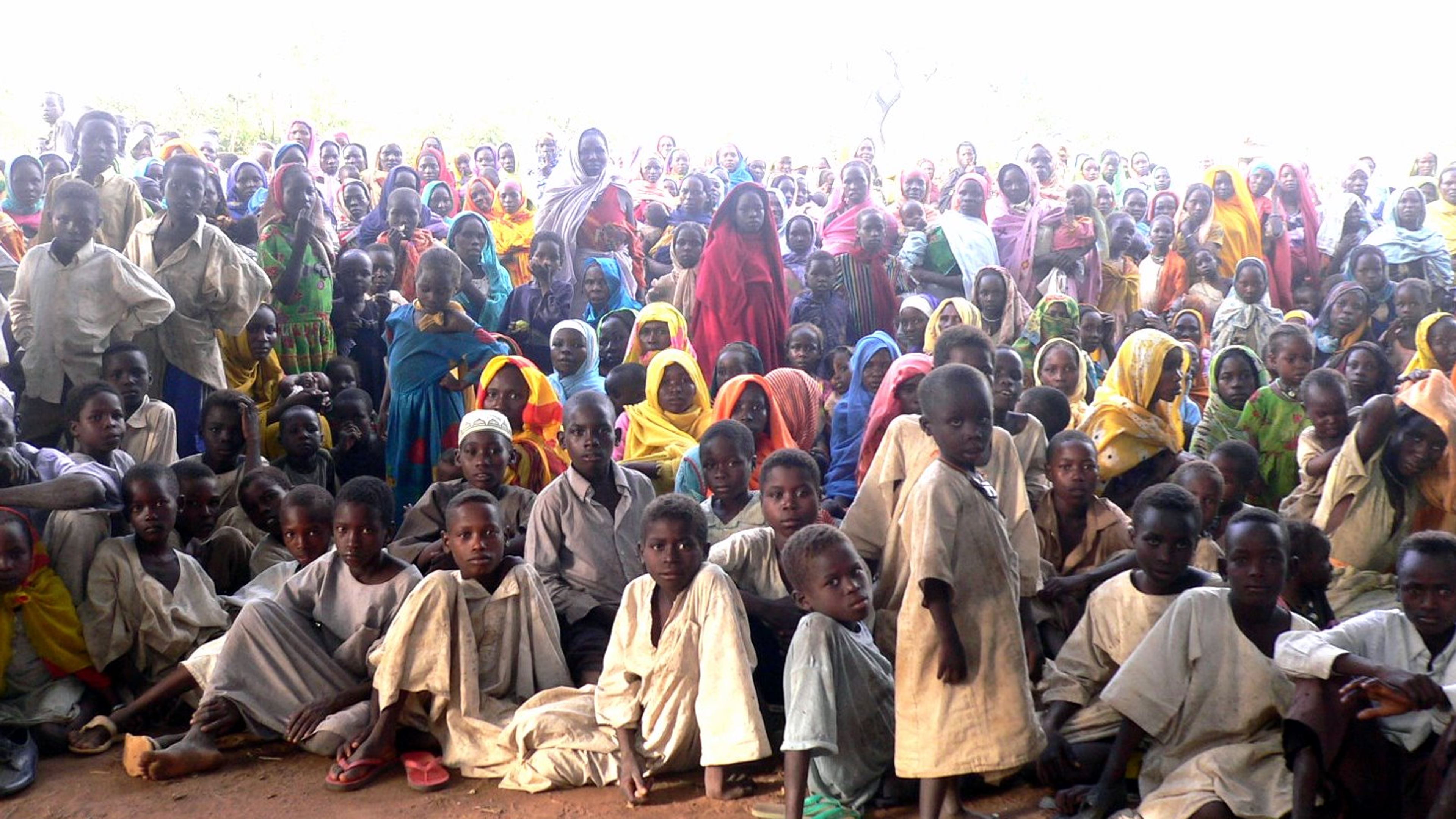

Sudan has been engulfed in a devastating civil war since April 2023, following a catastrophic fallout between the Sudanese Armed Forces (the army) and the paramilitary Rapid Support Forces (RSF). The relentless fighting has triggered what aid agencies definitively classify as the world's worst humanitarian crisis
Today, over 11 million people have been forced from their homes, and an estimated 28 million are facing acute hunger. But beyond the staggering displacement and famine, a darker, systematic atrocity is unfolding in the shadows of the conflict: sexual violence is increasingly being weaponized to terrorize the civilian population.
The Voter Brief
Current State: A devastating civil war in Sudan has triggered the world's worst humanitarian disaster, displacing over 11 million people and pushing 28 million into famine. Systematic sexual violence is being deployed as a weapon of war by warring factions, while the strategic city of El-Obeid faces an imminent, catastrophic assault.
The Pivot: The conflict has transitioned from a regional power struggle into a widespread campaign of civilian terror and ethnic violence. Global diplomacy has repeatedly failed to secure humanitarian corridors or enforce accountability, allowing unprecedented atrocities to multiply in the dark.
The Mandate: Civil society and international governments must actively intervene by funding frontline grassroots networks, enforcing strict arms embargoes, and demanding absolute accountability for war crimes. The international community cannot sit by and allow a repeat of the el-Fasher genocide.
"The Tip of the Iceberg"
In a harrowing June 2026 report, the UN Human Rights Office detailed violence that is "unprecedented in terms of the scale, prevalence, and brutality of its widespread use as a weapon of war."
Since the Sudan civil war began, the UN has verified 546 incidents of conflict-related sexual violence, including gang rape, forced marriage, and sexual slavery. These verified incidents affected at least 838 victims, comprising 539 women, 284 girls, eight men, and seven boys. Shockingly, the youngest documented victim was just nine years old.
However, international human rights monitors stress that these figures represent "only the tip of the iceberg." Persistent under-reporting, driven by intense social stigma, lack of communication infrastructure, and severe trauma, has obscured the true, devastating scale of the violence.
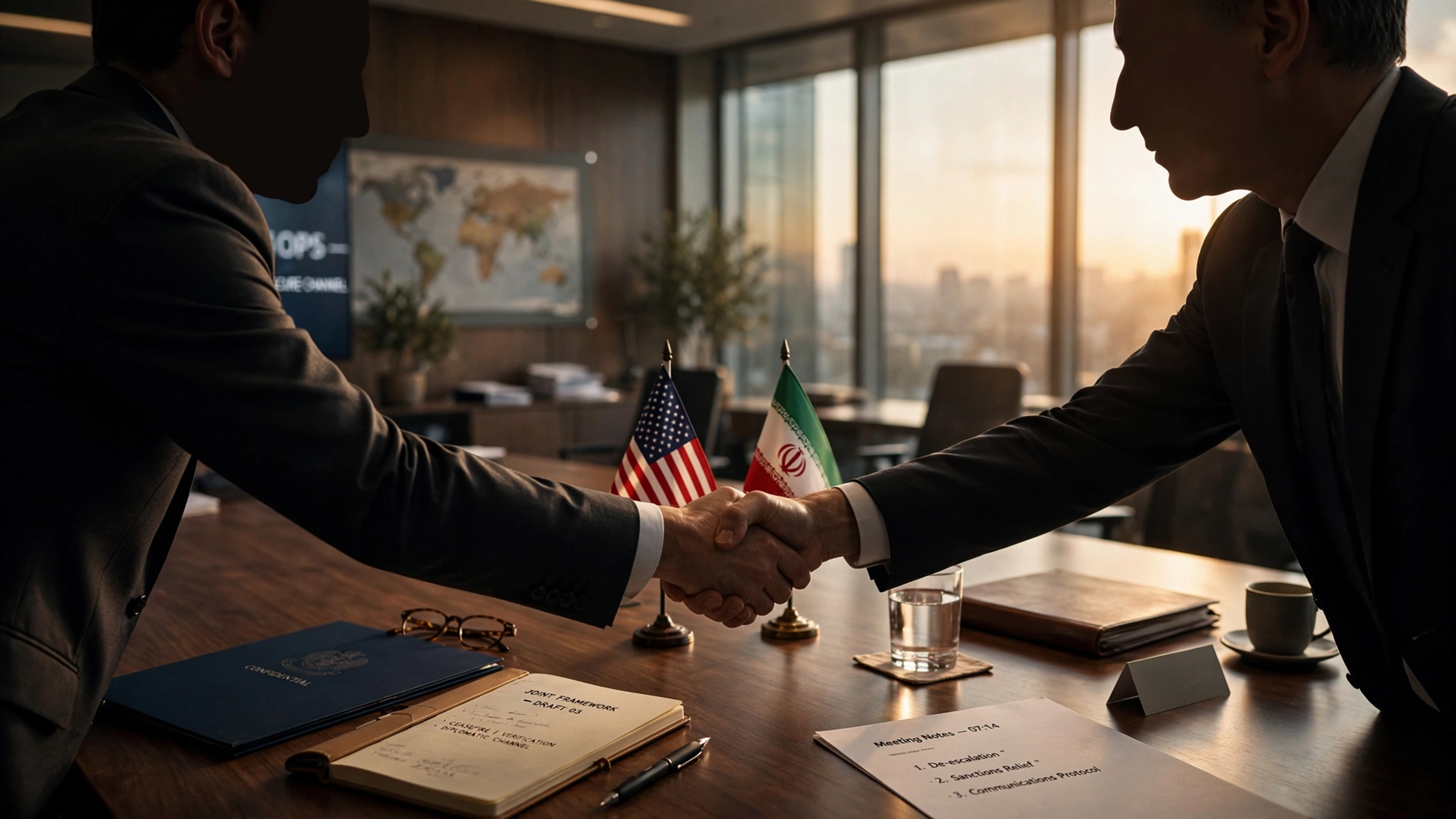
Alors Que Les Tensions Atteignent Un Point Critique En 2026, La Guerre Entre Les États-Unis Et L’Iran N’Est Plus Un Conflit Localisé ; C’Est Une Crise De Sécurité Mondiale. Tandis Que Les Dirigeants Politiques Débattent D’Accords « Presque Définitifs » Qui Restent Contestés Publiquement, Des Millions De Civils Subissent Le Poids De Sanctions Économiques Dévastatrices Et De L’Escalade Militaire. Il Est Temps De Mettre En Place Un Cadre Permanent Et Structurel Pour Garantir Une Paix Durable Au Moyen-Orient.
Pledge4Peace.org
June 16, 2026
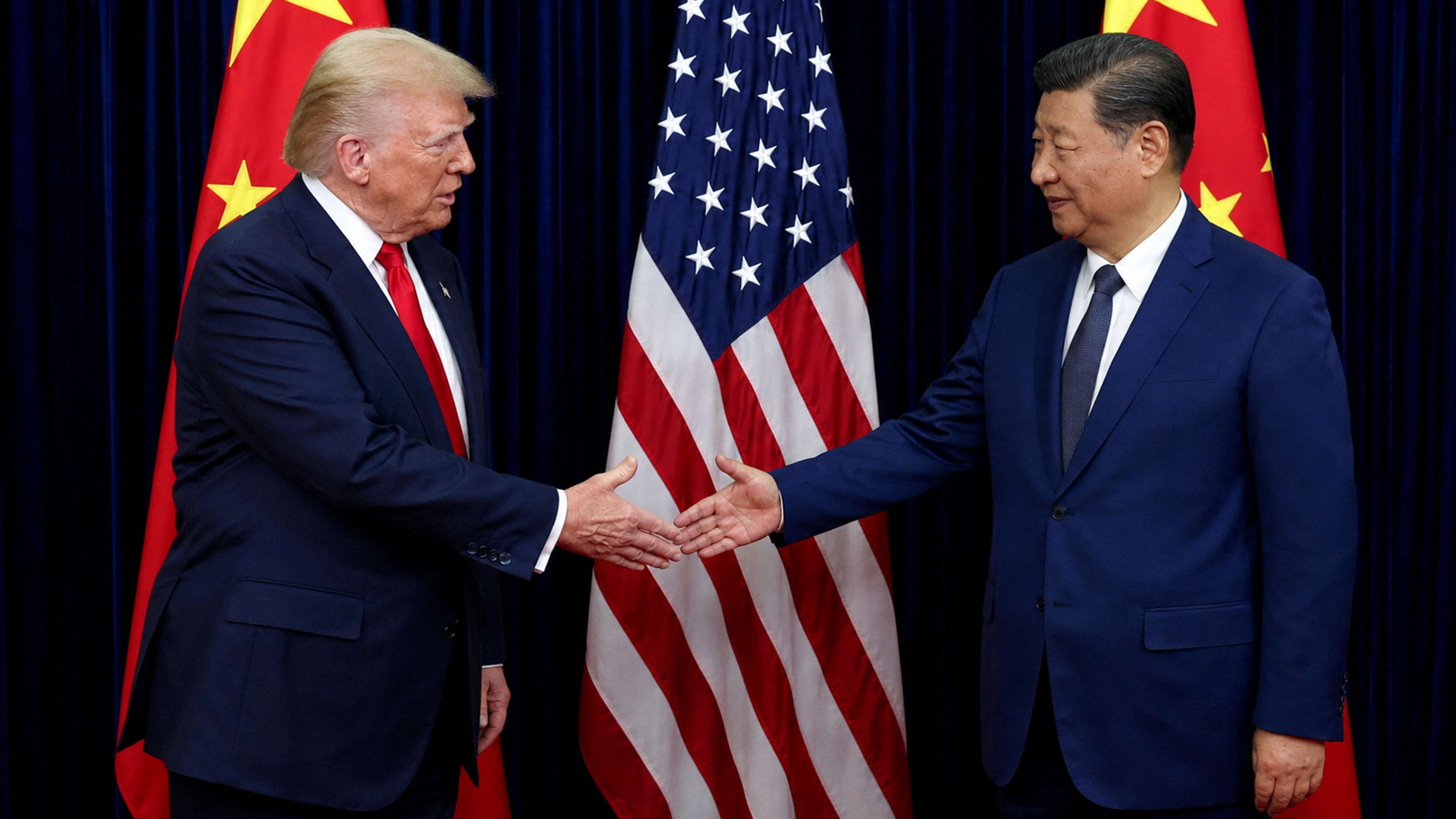
Lors du très attendu sommet de Pékin de mai 2026, le président américain Donald Trump a lancé un appel direct au président chinois Xi Jinping : utiliser l’immense influence économique et politique de Pékin sur Moscou pour mettre fin à la guerre de cinq ans en Ukraine. Mais une paix négociée par la Chine est-elle possible ?
While the majority of the verified cases were attributed to men wearing RSF uniforms and allied Arab militias, the report explicitly noted that the Sudan army and its affiliates have also been accused of carrying out acts of sexual violence. UN Human Rights Chief Volker Türk was unequivocal in his condemnation, stating that the use of sexual violence as a weapon of war is "a war crime and, if committed as part of a widespread or systematic attack, a crime against humanity." Despite these undeniable findings, both warring factions have historically denied the allegations, allowing the atrocities to continue with absolute impunity.
The Precipice of Atrocity
The geographical focal point of the crisis is rapidly shifting toward El-Obeid, a strategically critical city in the oil-rich Kordofan region. Sitting between RSF-controlled areas in the west and army-controlled areas in the east, analysts note that whoever controls El-Obeid effectively controls Sudan's oil supply and a massive chunk of the country's infrastructure.
Currently, about 200,000 displaced people are taking refuge in El-Obeid after fleeing violence elsewhere. But this fragile sanctuary has become a trap. The UK and six other European powers (France, Germany, Ireland, Italy, the Netherlands, and Norway) recently issued a joint statement warning that the city is on the "precipice of atrocity."
The RSF is utilizing drones to target civilian infrastructure, severing supply routes, and cutting off basic services for over half a million residents ahead of an imminent ground assault.
The psychological and physical toll on the trapped population is immeasurable. "As displaced people we feel we have come here only to die. We are afraid," a woman in El-Obeid told BBC Arabic's Sudan Lifeline programme. "We arrived here and this has become our fate. We cannot eat. We cannot drink. Where can we go? Where do we go from here?" Another displaced woman added, "We are terrified and feel psychologically and physically insecure."
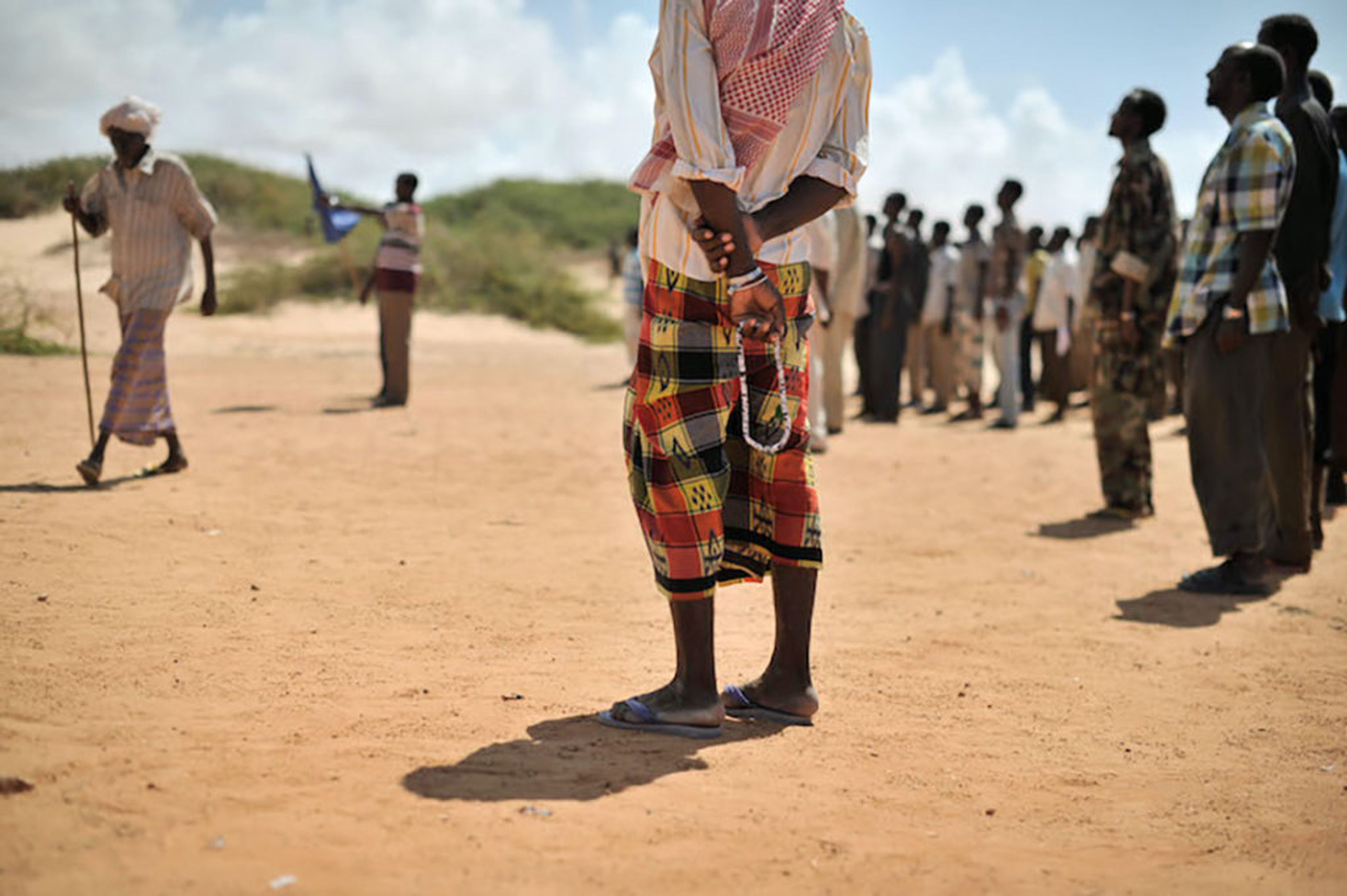
The joint European statement urged the international community to act immediately to prevent a repeat of recent history. "Last year, the world witnessed with horror the atrocities in el-Fasher, crimes that are assessed to bear the 'hallmarks of genocide'. We must not allow such failures to be repeated," the coalition warned. According to previous UN reports, massive offensives in the Darfur region have resulted in the slaughter of over 6,000 people in just a matter of days.
Protecting the Vulnerable
If you are asking regarding the Sudan crisis how to help, immediate financial and digital support for grassroots and medical organizations is paramount. Here is how you can support Sudan NGOs operating on the front lines:
1. SIHA Network (Strategic Initiative for Women in the Horn of Africa)
2. MSF (Doctors Without Borders)
3. Emergency Response Rooms (ERRs)
To understand why a global citizen mandate is urgently needed to reshape diplomatic accountability, we must look to the verified frameworks of organizations operating inside Sudan. The grassroots Emergency Response Rooms (ERRs) and medical teams like MSF provide a reliable blueprint for maintaining civil survival in turbulent geopolitical environments:
The Time for Action is Now
For citizens around the world: global accountability requires public pressure. Transparency means exposing the realities of this war and demanding that international representatives refuse to legitimize the perpetrators of these atrocities.
You cannot wait for massive institutions to self-regulate or for politicians to act without a mandate. The solutions for a peaceful resolution have already been proposed by global citizens who refuse to look away, but those solutions require your vote to carry diplomatic weight.
Your voice holds massive structural power. Step off the sidelines and into the movement today. You have the power to demand safe humanitarian corridors, hold international bodies accountable, and push for an immediate ceasefire.
EXERCISE YOUR MANDATE: VOTE AND TAKE ACTION TO END THE CRISIS NOW: pledge4peace.org/campaigns/end-sudan-crisis-now
Make sure to subscribe to our weekly newsletters so you never miss a vital opportunity to demand justice, hold leaders accountable, and build peace for all marginalized communities across the globe. Your voice is your ultimate leverage, use it today.
Pledge4Peace.org
June 4, 2026