Conflict is rising. Join the movement to create a peaceful future. Sign the Pledge

Conflict is rising. Join the movement to create a peaceful future. Sign the Pledge
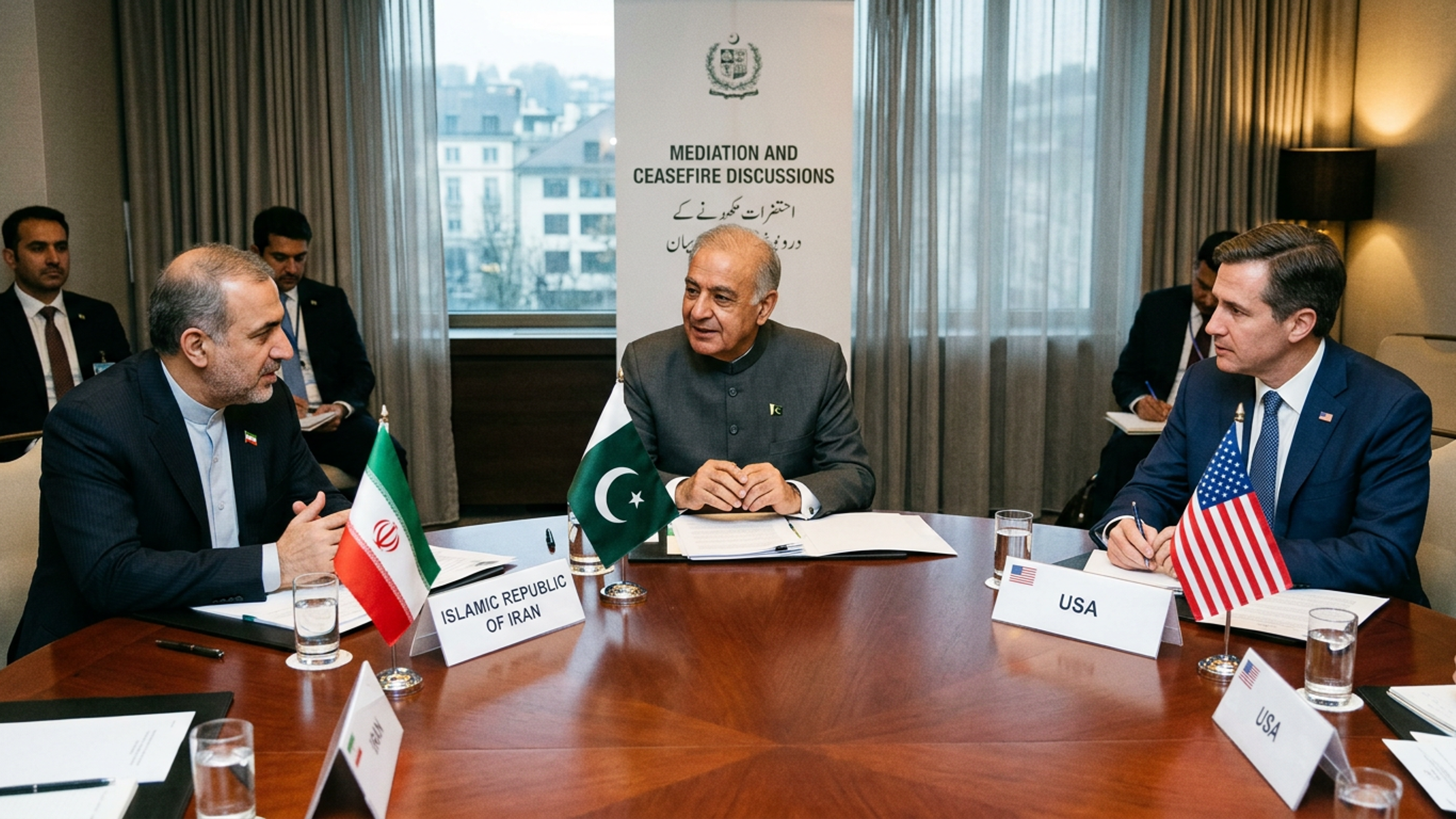

In an increasingly interconnected world, regional conflicts rarely remain contained. The ripple effects of geopolitical friction impact global economies, disrupt supply chains, and, most importantly, threaten the lives of millions of innocent civilians. In early April 2026, the international community witnessed a critical breakthrough when a localized de-escalation agreement was successfully brokered between the United States and Iran.
At the center of this diplomatic milestone was not a traditional Western power, but Pakistan. Acting as a strategic mediator, Pakistan demonstrated how neutral bridge-builders are essential to modern global politics. This US-Iran ceasefire is more than just a pause in political hostilities; it is a profound reminder that peaceful conflict resolution is always possible when dialogue is prioritized over division.
To understand the magnitude of this diplomatic achievement, it is necessary to examine the landscape of US-Iran relations. For decades, the dynamic has been characterized by deep-seated mistrust, economic sanctions, and proxy engagements that have kept the broader Middle East in a state of precarious tension. Recent escalations threatened to tip this delicate balance into confrontation, a scenario that would have catastrophic humanitarian and economic consequences globally.
According to the Institute for Economics and Peace, the global economic impact of violence reached $19.1 trillion in recent years, representing over 13% of the world's GDP. A direct conflict in the Persian Gulf, a region that facilitates nearly 20% of the world's daily oil consumption, would have immediately destabilized global markets, driving millions into poverty through inflation and resource scarcity. Averting this crisis was not merely a political necessity; it was a global human imperative.
When direct communication between adversarial nations breaks down, third-party mediation becomes the only viable mechanism for de-escalation. Pakistan’s role in this US-Iran ceasefire highlights a shifting paradigm in international conflict resolution, moving away from unilateral interventions toward regional, cooperative diplomacy.
Pakistan holds a unique geographical and political position. Sharing a 900-kilometer border with Iran, maintaining deep historical and cultural ties with Tehran, and simultaneously serving as a long-standing strategic partner to the United States, Islamabad possesses the rare diplomatic currency of dual-accessibility.
You have the power to advocate for human rights, stability, and dialogue on a global scale. Add your voice to the movement, stand with international diplomacy, and vote on real peace solutions today at: .
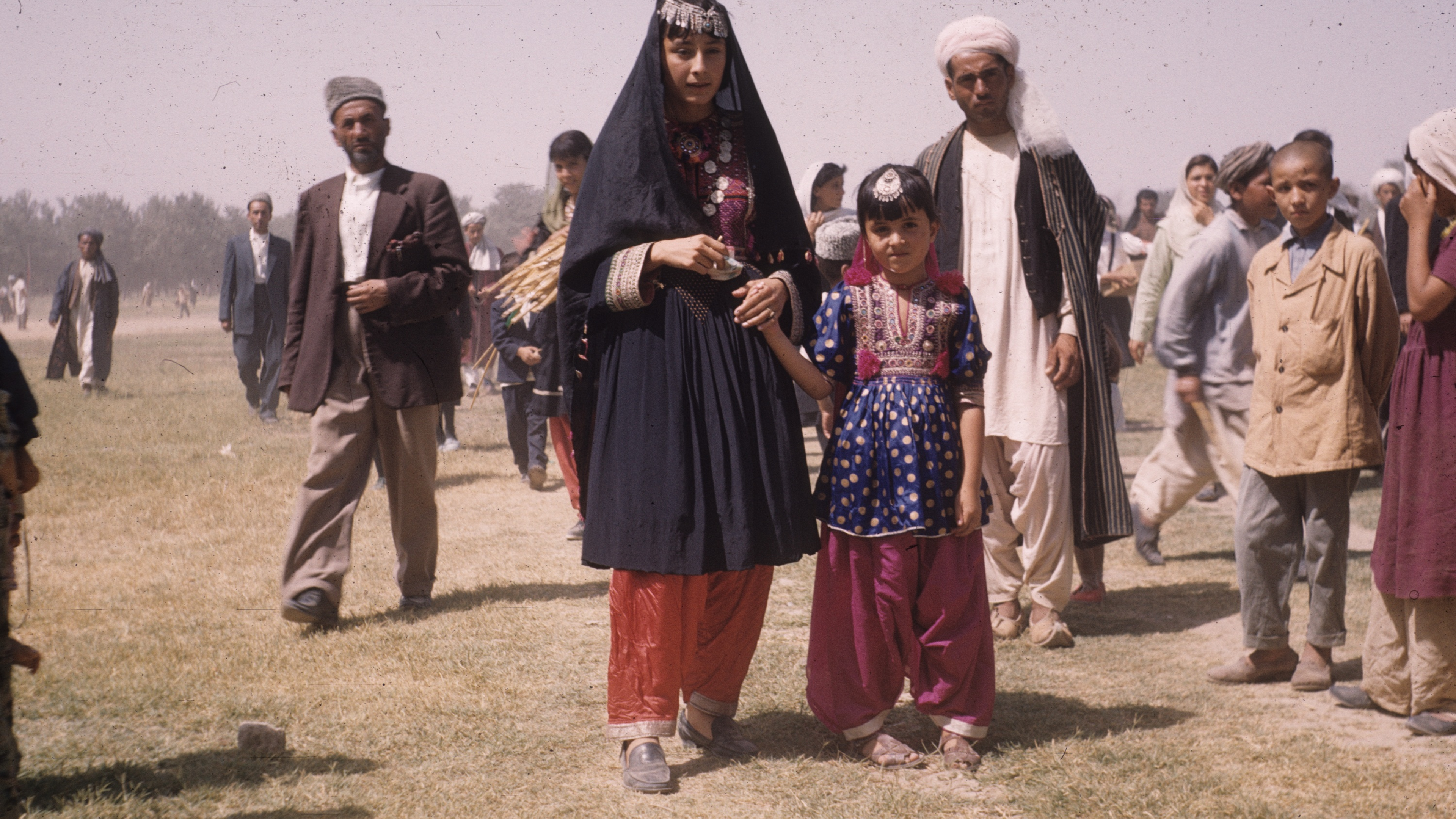
In remote Afghan villages, community-led Family Health Houses are offering life-saving care to mothers and children. Despite severe restrictions and a deteriorating healthcare system, Afghan women, acting as community midwives, are utilizing digital tools and local clinics to ensure safe childbirth. This article highlights the essential work of the UNFPA, AADA, and the Maternity Foundation in empowering these frontline workers and outlines how the international community can support their mission.
Pledge4Peace.org
September 23, 2026
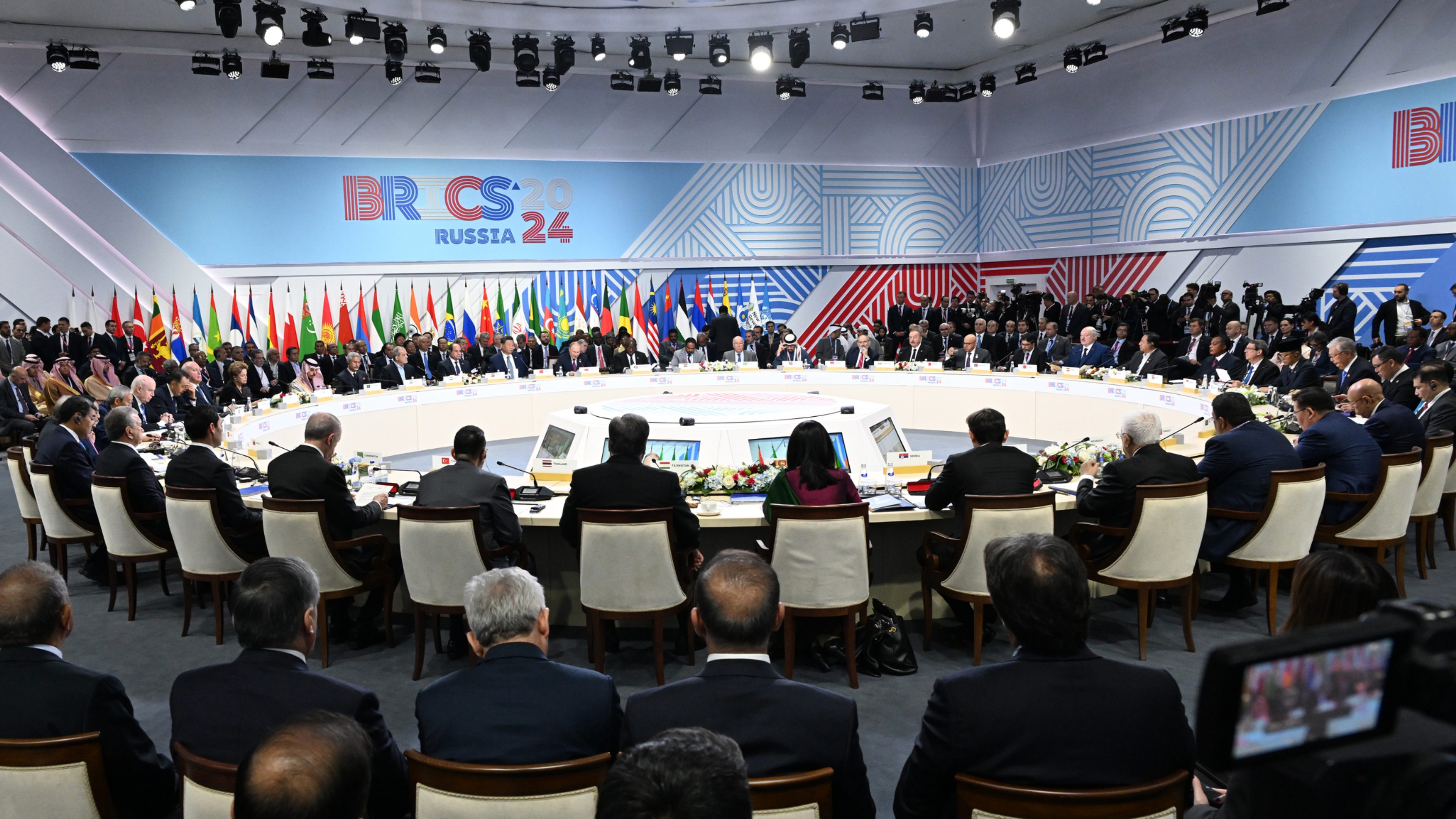
As the 18th BRICS Summit begins in New Delhi, leaders from the expanded 10-nation bloc face the monumental task of addressing global instability, particularly the escalating US-Iran conflict. Amid high-stakes diplomatic talks, Pledge4Peace urges citizens to demand peaceful resolutions.
By hosting back-channel negotiations and facilitating secure, neutral communication lines, Pakistani diplomats managed to lower the temperature of the immediate crisis. They focused on shared interests: avoiding a regional war, stabilizing borders, and protecting civilian populations. As noted by international relations observers during the negotiations, the success of this intervention relied entirely on patience and mutual respect:
While geopolitics often focuses on borders and treaties, the true measure of diplomatic success is always human. The Middle East de-escalation achieved through this ceasefire directly protected millions of everyday citizens from the horrors of displacement, infrastructure collapse, and violence.
When military escalation is averted, the immediate human benefits are profound:
This breakthrough proves that the human cost of war is entirely preventable. Peace is not a passive state; it is an active, structural choice made by leaders willing to engage in the difficult work of dialogue.
Pakistan's diplomatic mediation in this instance provides a blueprint for the future of global peacebuilding. For too long, the international community has relied on the threat of force or economic devastation to manage conflicts. However, the success of the 2026 negotiations illustrates that the most effective tool in global politics is diplomatic leverage rooted in regional understanding.
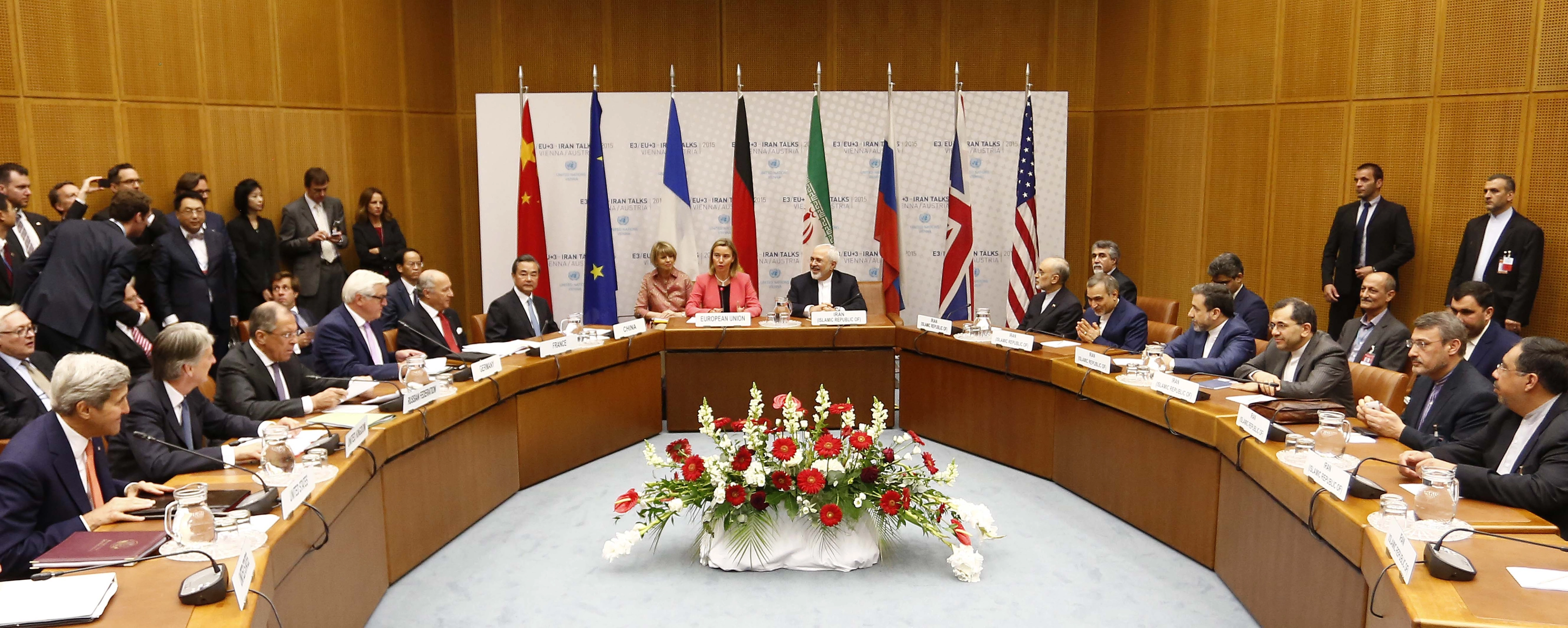
Countries that act as neutral arbiters, whether in the Middle East, Africa, or Eastern Europe, are the new pillars of global stability. Empowering these nations to lead conflict resolution efforts creates a more multipolar, balanced, and equitable international system. It shifts the global focus from militarization toward structural peacebuilding.
The US-Iran ceasefire is a powerful victory for diplomacy, but the work of global peacebuilding is never finished. While international leaders and mediators handle high-level treaties, the foundation of a peaceful world is built by everyday citizens who refuse to accept violence as inevitable.
Understanding global challenges is the first step. Participating in solutions is what drives lasting change. We must demand that our institutions prioritize diplomatic interventions, support neutral mediators, and invest in conflict resolution before crises escalate.
Do not let the momentum of this diplomatic victory fade. You have the power to advocate for human rights, stability, and dialogue on a global scale.
Encourage your community to spread awareness, not just for the importance of Middle East de-escalation, but for every ongoing global issue where human dignity is at stake. Turn your awareness into tangible action.
Add your voice to the movement for a more stable, diplomatic world. Vote on real global peace solutions and support ongoing campaigns today at pledge4peace.org/campaigns.
Pledge4Peace.org
September 18, 2026