Conflict is rising. Join the movement to create a peaceful future. Sign the Pledge

Conflict is rising. Join the movement to create a peaceful future. Sign the Pledge
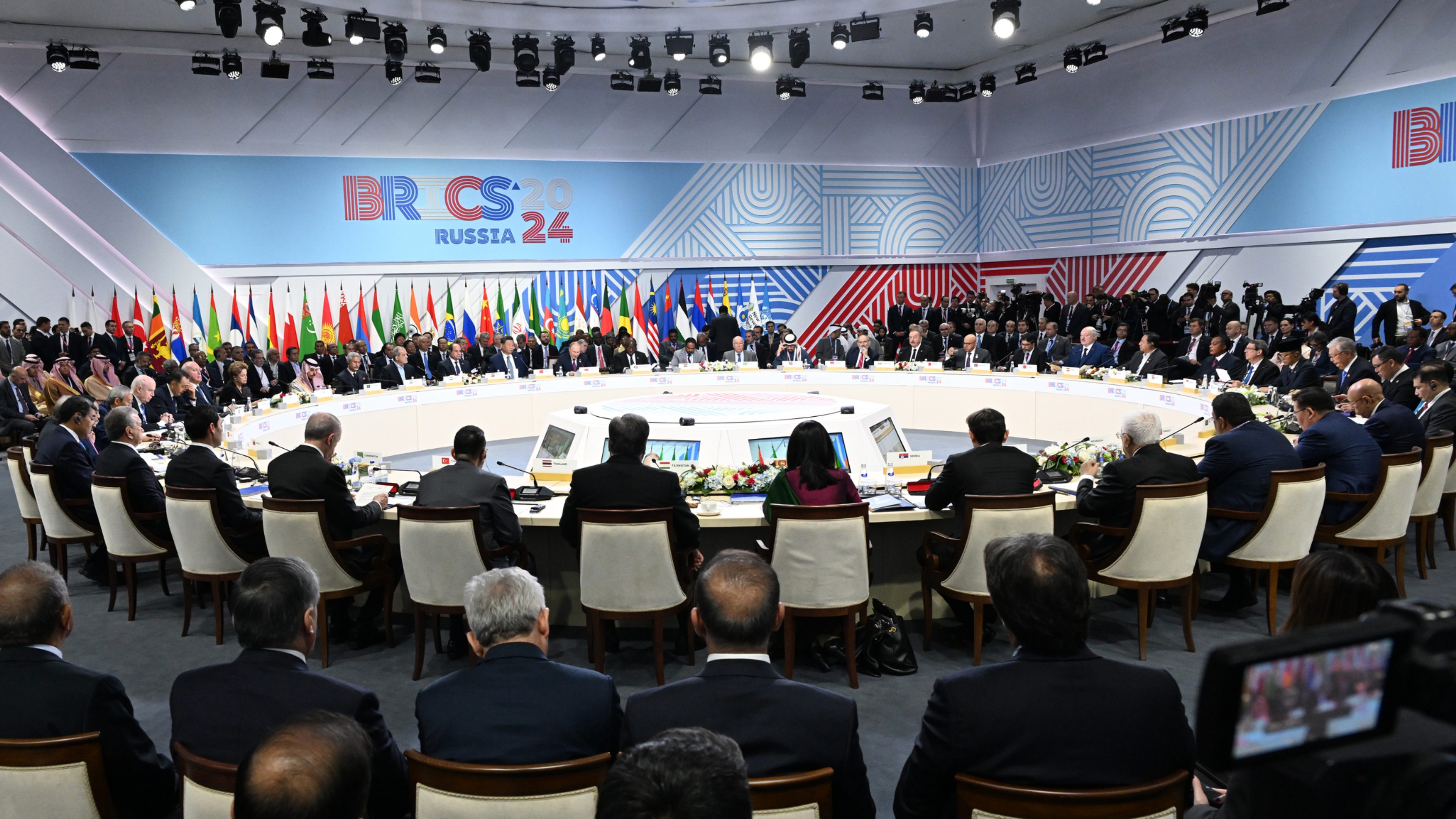

As India concludes its year-long 2026 chairship, the Bharat Mandapam in New Delhi has transformed into a global diplomatic hub. Over 30,000 security personnel have been deployed to secure the gathering of international heads of state, underscoring the magnitude of this summit.
This year's event is historically significant. It marks the 20th anniversary of the BRICS formation and serves as the premier summit for the expanded grouping, which now includes Egypt, Ethiopia, Iran, the United Arab Emirates, and Indonesia alongside the founding members (Brazil, Russia, India, China, and South Africa).
The geopolitical stakes are extraordinarily high. Chinese President Xi Jinping is making his first visit to India in seven years, meeting directly with Prime Minister Narendra Modi in an effort to stabilize bilateral ties. Simultaneously, Russian President Vladimir Putin is leveraging the platform for crucial talks on energy security and defense amidst Western sanctions.
Since its inception, BRICS has evolved from a primarily economic collective to a formidable political entity advocating for the Global South. The New Delhi summit aims to address critical structural reforms in multilateral financial institutions like the United Nations, the International Monetary Fund (IMF), and the World Bank. The bloc argues that these institutions must evolve to accurately reflect the economic weight of emerging markets.
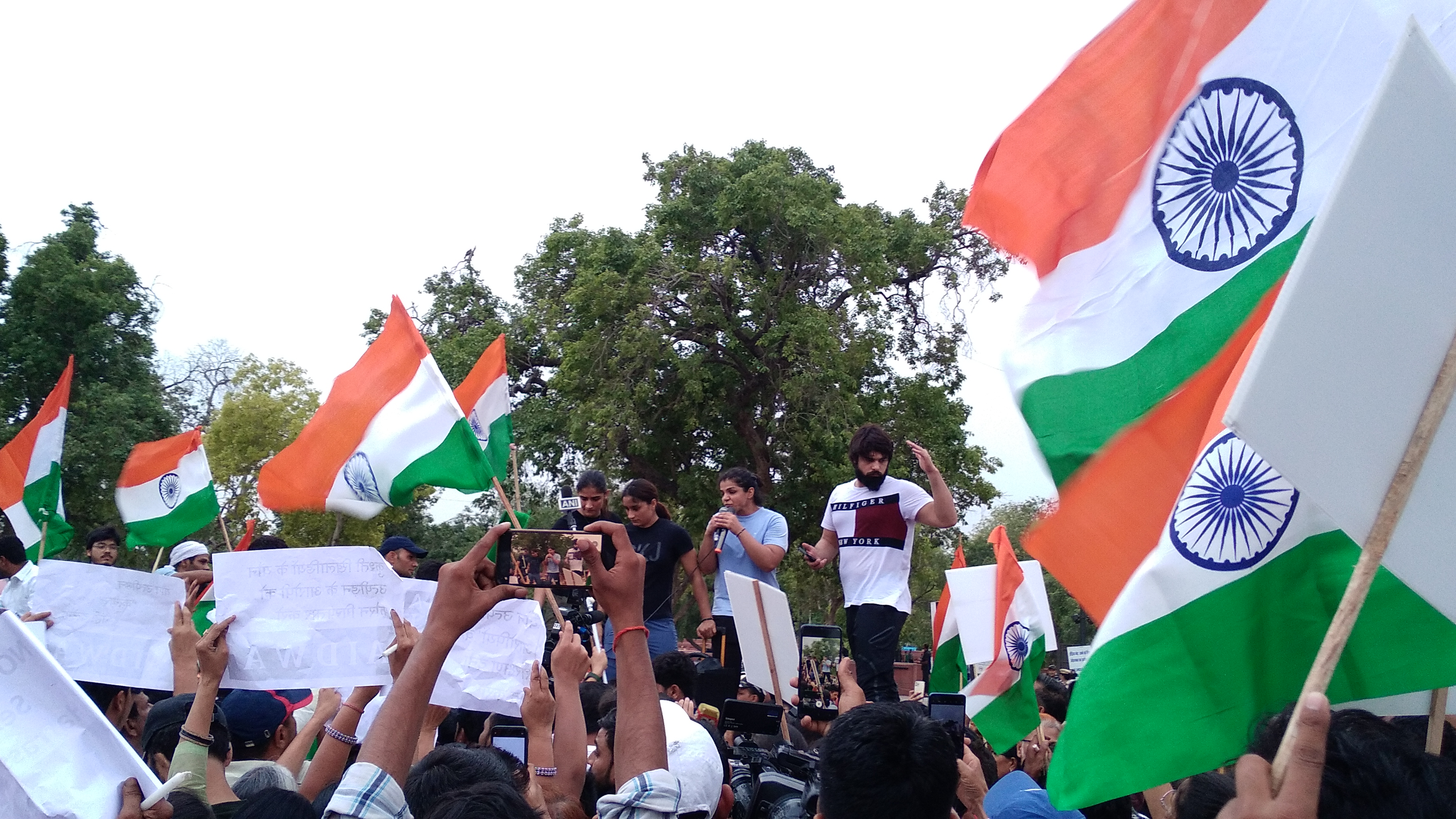
Youth anger across South Asia has ignited massive political upheaval, spreading from Sri Lanka to Bangladesh, Nepal, and most recently, India. In India, the Gen Z-led Cockroach Janta Party protests, born out of deep frustration with soaring unemployment and exam leaks, have successfully challenged the ruling establishment, proving that democratic resistance is evolving in the digital age.
Pledge4Peace.org
August 27, 2026
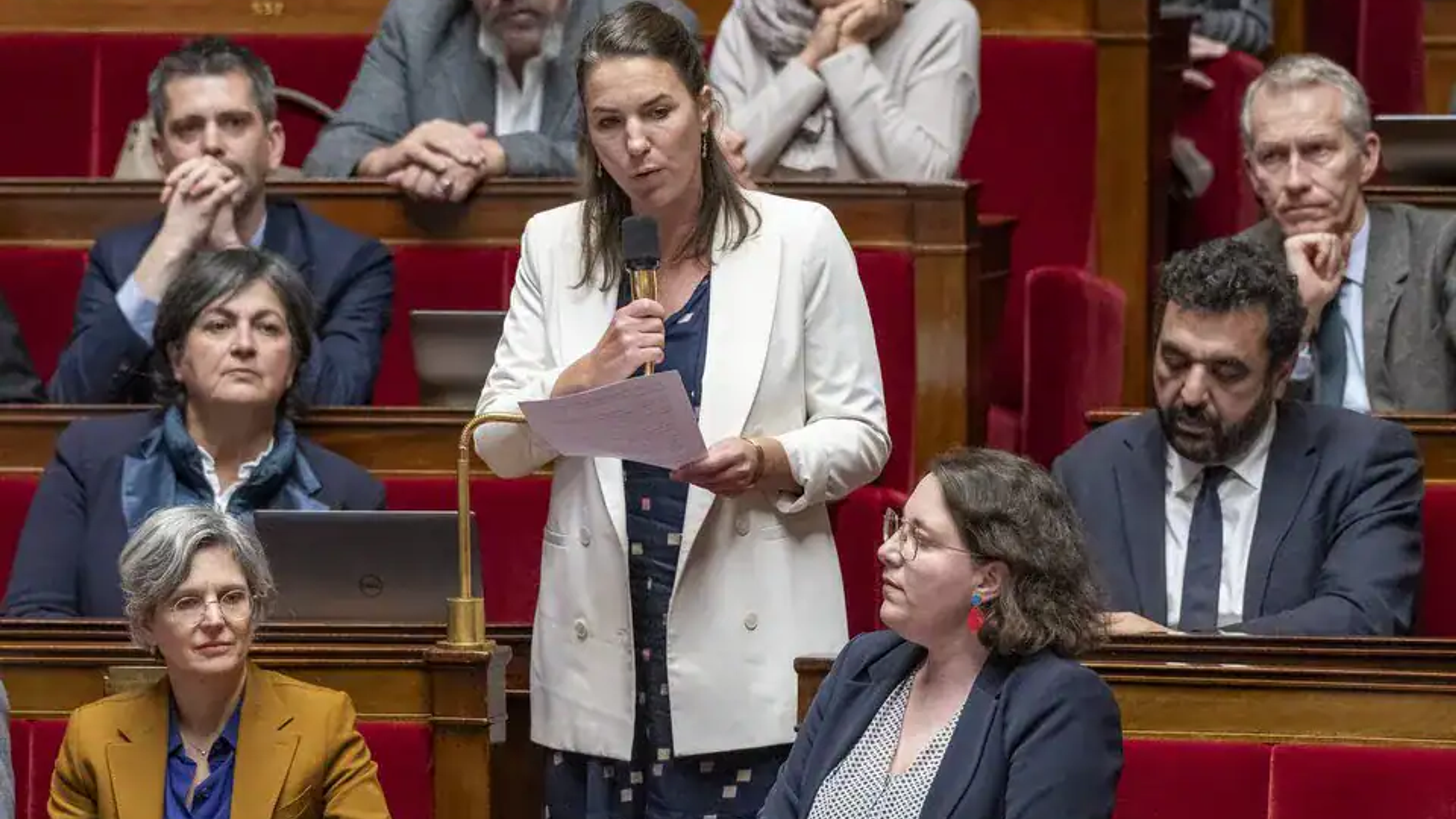
There is something deeply disquieting about the idea that a law governing slavery could still exist on the books in 2026. On May 28, 2026, the French National Assembly voted unanimously to finally annul the Code Noir. While this symbolic victory closes a centuries-old legal gap, advocates argue it brings the unresolved, material debate over systemic racism and global reparations to the forefront.
Key economic discussions over the two-day summit include:
Despite the focus on economic integration, the reality of global conflict cannot be ignored. The BRICS summit is taking place against the volatile backdrop of the Russia-Ukraine war, conflicts in the Middle East, and the highly dangerous US-Iran war.
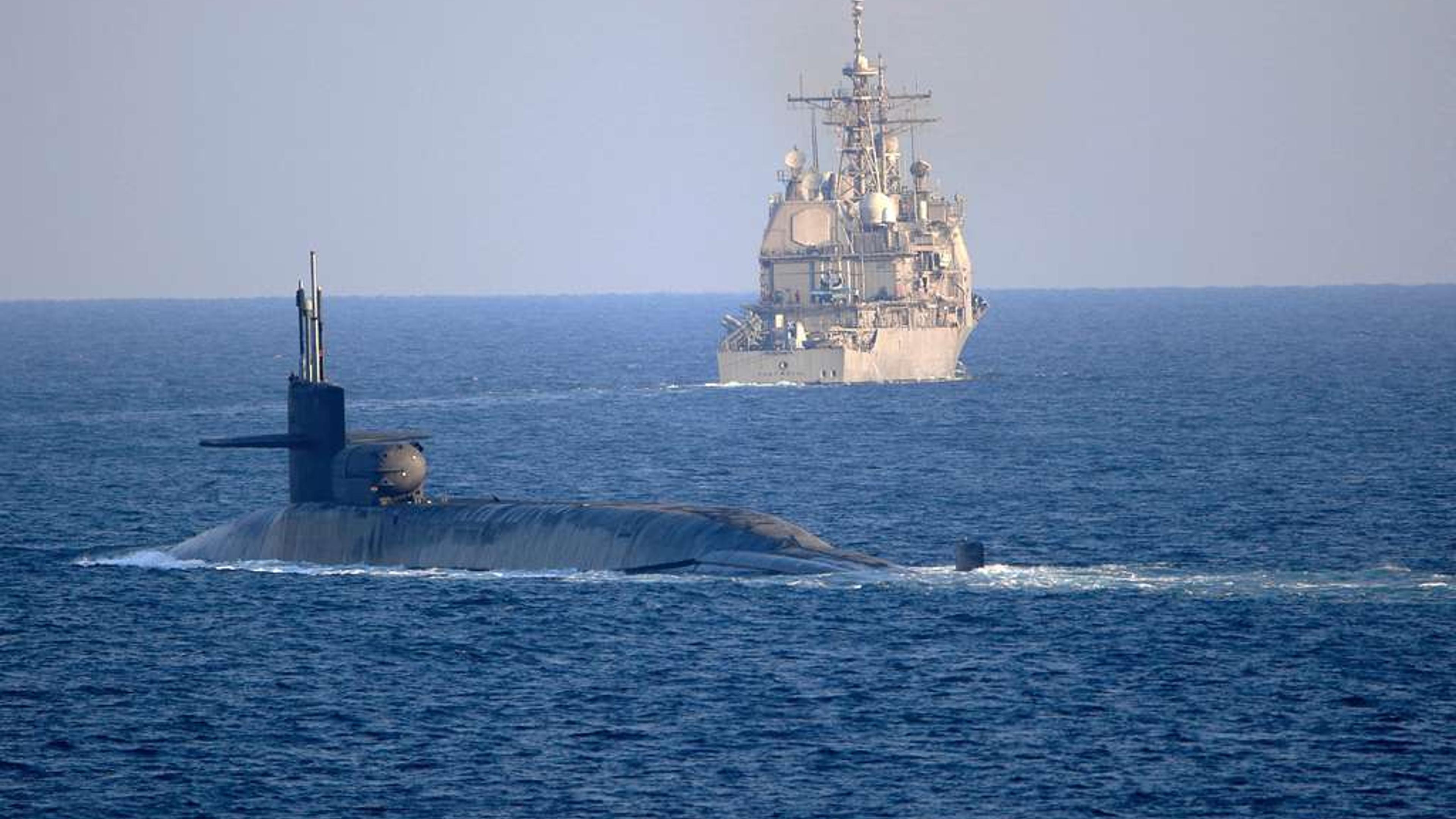
The presence of Iranian President Masoud Pezeshkian brings the US-Iran conflict to the forefront of the BRICS security discussions. As detailed in the Pledge4Peace Strategic Communications and Global Advocacy Campaign Report, the escalating hostilities between the United States and Iran have severely destabilized global maritime security, threatened energy routes through the Strait of Hormuz, and inflicted profound humanitarian costs.
During bilateral meetings, leaders are emphasizing that military escalation is a devastating dead end. Early statements stress that the solution to these crises lies in dialogue and cooperation, and that all available capacities must be mobilized to prevent the spread of insecurity.
However, traditional diplomatic channels remain paralyzed by decades of complex rivalries and proxy warfare. With consensus required for the final New Delhi Declaration, the diverse priorities of the expanded BRICS membership are being rigorously tested.
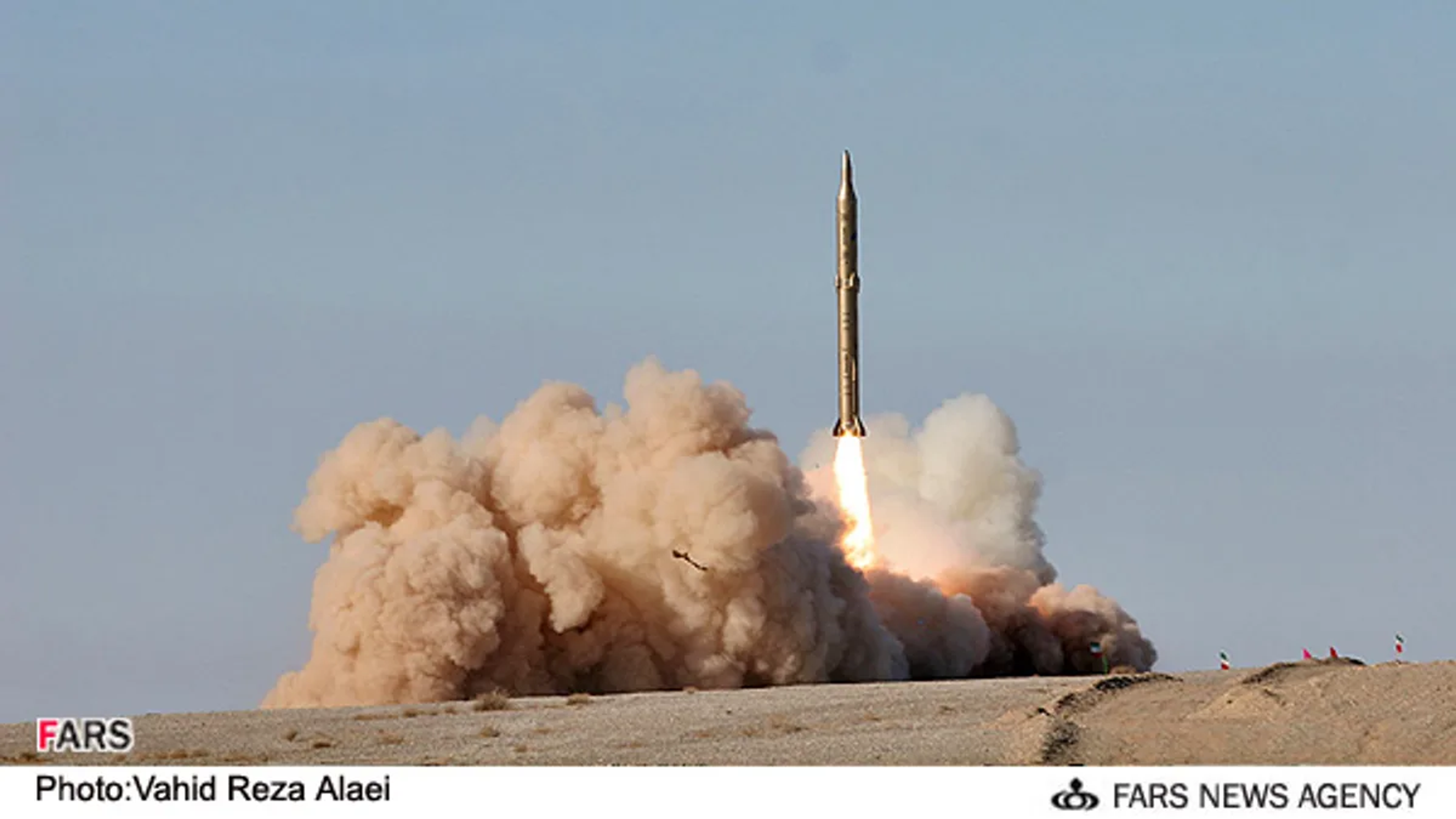
We cannot afford to leave the architecture of global security solely to political systems that repeatedly fail to prevent conflict. As global superpowers position themselves for dominance and regional conflicts escalate, the human cost continues to multiply. True security is never built through closed borders, proxy warfare, or the continuous threat of military retaliation.
The leaders meeting at the BRICS summit have the influence to champion structural peace, but they will only prioritize human rights and de-escalation if the global public demands it. It is our moral imperative to hold world leaders accountable.
At Pledge4Peace, we believe that everyday citizens possess the collective power to force diplomatic dialogue. We have built an actionable, internationally recognized mandate to demand structural off-ramps and permanently end the cycle of violence between the United States and Iran.
Take 60 seconds right now to exercise your citizen mandate. Vote on the solutions that will force world leaders to choose cooperation over devastation.
Cast your vote and demand peace today at Vote Now>>
Together, we can ensure that human dignity and global stability remain the absolute highest priorities on the world stage.
Pledge4Peace.org
July 8, 2026