
The Voter Brief:
- Current State: The September 2026 United Nations sessions (UNGA 81) were defined by critical Security Council actions, including Resolution 2829 for Haiti and Resolution 2828 for Sudan, alongside intense global debates on artificial intelligence governance, geopolitical escalation, and institutional veto reform.
- The Mandate: Everyday citizens must demand structural peace, prioritize diplomatic resolutions, and enforce the definitive end of all wars. Take a stand in these global conflicts and demand better by joining the initiatives at pledge4peace.org/campaigns.
Global Diplomacy in Action
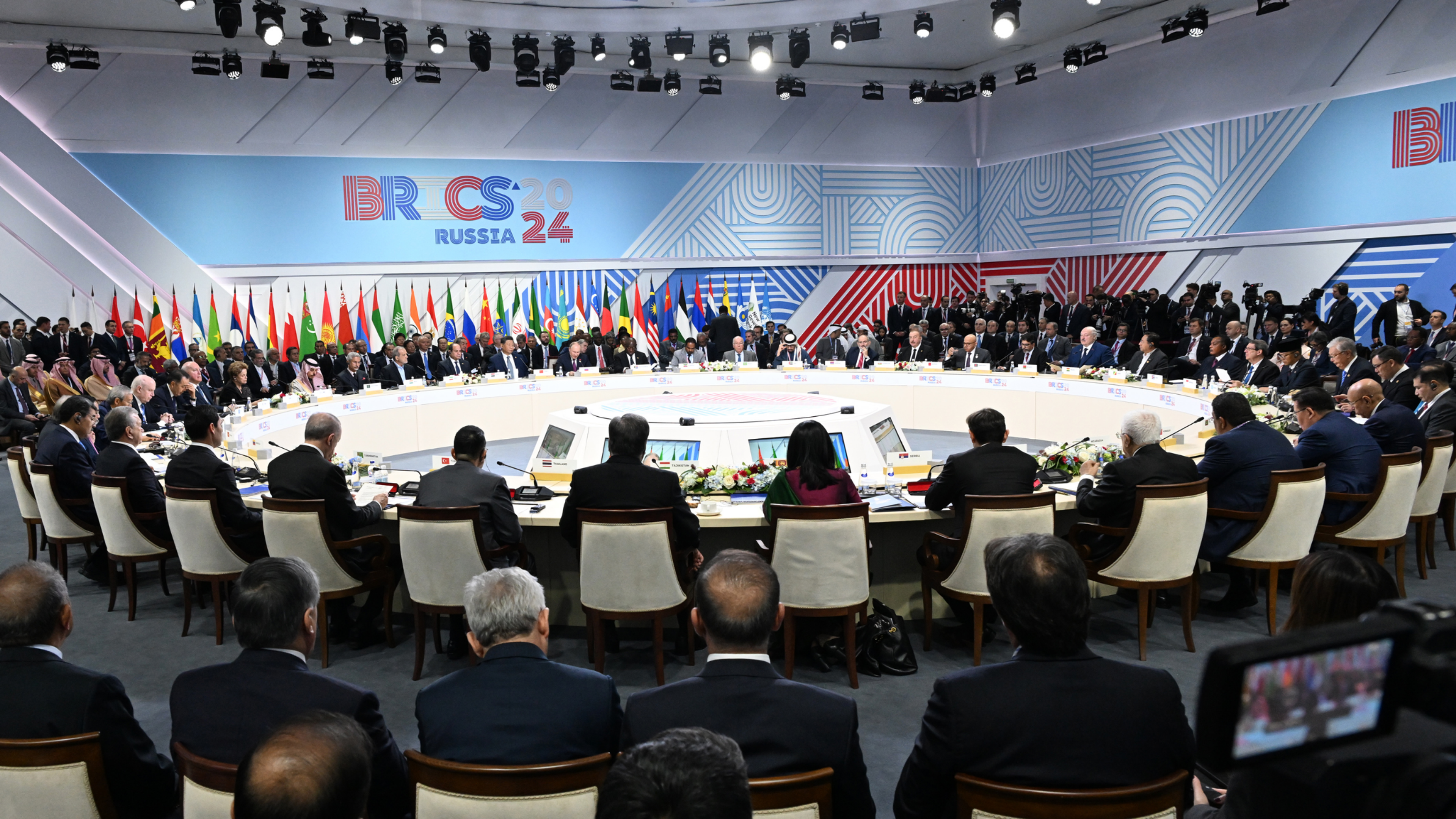
The September 2026 convenings of the United Nations General Assembly (UNGA 81) and the UN Security Council arrived at a critical juncture for international diplomacy. Navigating a complex agenda of overlapping crises, member states focused on immediate security mandates in the Caribbean and Africa, while the General Debate tackled existential threats ranging from artificial intelligence to climate resilience. The sessions highlighted both the operational limits of the current UN framework and the urgent push by global leaders for structural modernization.
Key Security Council Voting Actions
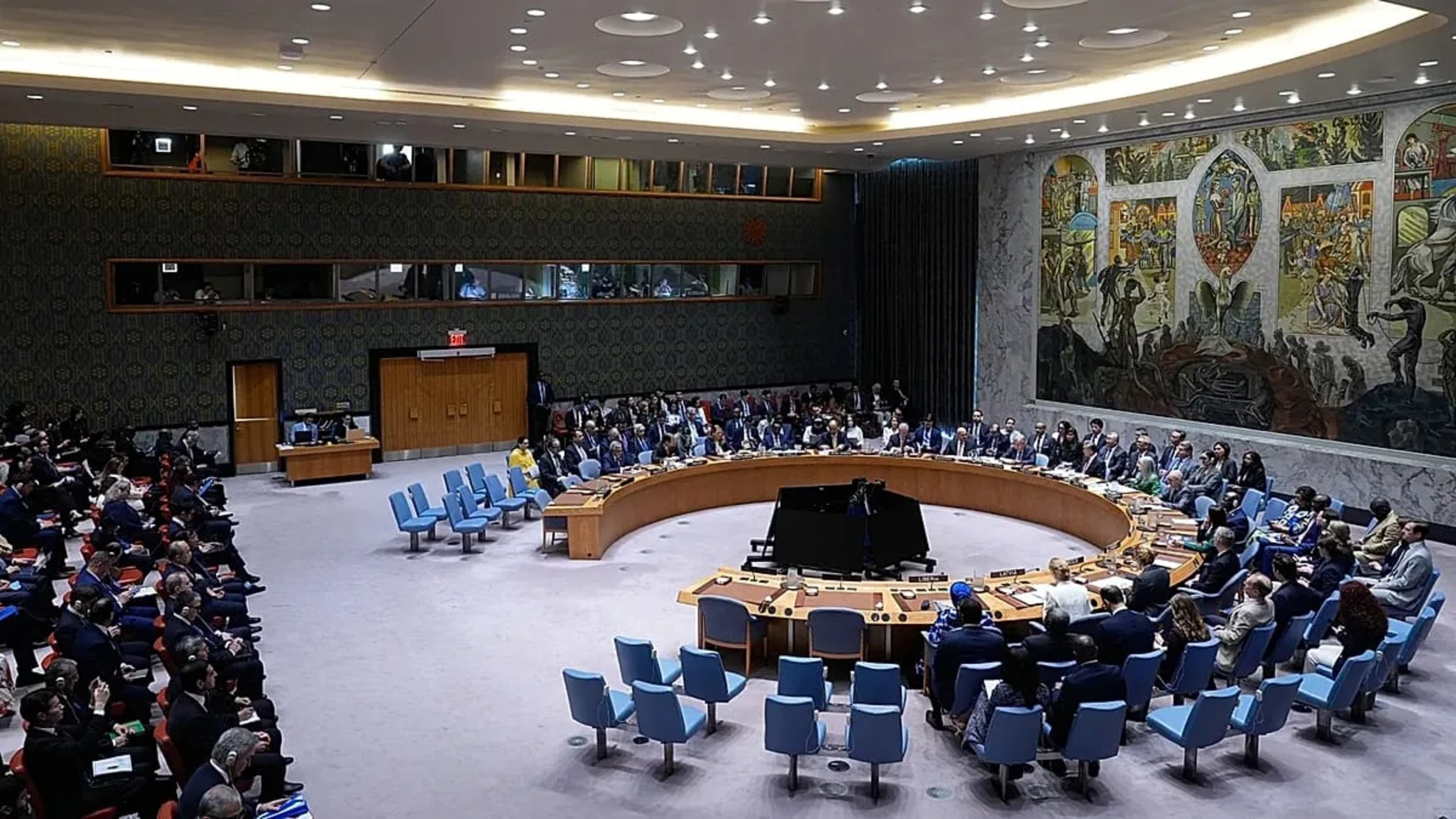
The UN Security Council faced pivotal decisions regarding international security forces and sanctions, revealing the intricate diplomatic maneuvering required to maintain peacekeeping operations amid geopolitical divisions.
Haiti Security Mandate Extended (Resolution 2829)
In a vital move to stabilize the deteriorating security situation in the Caribbean, the UN Security Council passed Resolution 2829. The Council voted 12–0 to successfully extend the mandate of the multinational Gang Suppression Force (GSF) in Haiti until March 31, 2027. China, Russia, and Pakistan chose to abstain from the vote, expressing reservations regarding the long-term effectiveness of external military forces over domestic governance reforms. The resolution's passage ensures that international logistical and operational support will continue to assist Haitian national authorities in reclaiming critical infrastructure from armed criminal groups.
Sudan Sanctions Technical Rollover (Resolution 2828)
Addressing the ongoing conflict in Sudan, the Security Council encountered intense division over international enforcement measures. Following a robust, U.S.-led push to expand the existing weapons embargo nationwide across all of Sudan, the Council instead opted to pass Resolution 2828. Adopted unanimously as a short-term "technical rollover," this resolution extends the existing Darfur sanctions regime and its accompanying Panel of Experts mandate. This temporary extension serves as a procedural mechanism to keep the sanctions active while member states continue complex, closed-door negotiations regarding the scope of a broader arms embargo.
Dominant Debates During the General Debate
The addresses by world leaders during UNGA 81 were largely shaped by four central tests outlined by UN Secretary-General António Guterres. According to the Al Jazeera UNGA 81 Wrap-Up, the high-level General Debate was heavily dominated by three critical themes:
- Geopolitical Escalation: With international conflict zones multiplying, debates heavily centered on the worsening Israel-Palestine crisis. World leaders expressed deep concern over the broader regional escalation in the Middle East, emphasizing the desperate need for immediate ceasefires and the protection of civilian infrastructure.
- Artificial Intelligence Governance: Recognizing the unprecedented pace of technological advancement, leaders heavily focused on the need for international frameworks aimed at regulating AI risk and preventing its weaponization. Discussions highlighted the urgency of establishing a unified, global standard to ensure AI is developed securely and ethically.
- Institutional Veto Reform: Highlighting the Security Council's ongoing gridlocks, most notably regarding sanctions and ceasefire resolutions, Turkish President Recep Tayyip Erdoğan led a powerful, renewed push for structural change. In his address, Erdoğan demanded the complete abolition of the permanent member veto power, arguing that the current system disproportionately limits the international community's ability to respond to humanitarian crises.
High-Level Global Commitments
Beyond conflict resolution and security mandates, UNGA 81 served as a platform to secure binding commitments on environmental and public health fronts.
- Climate Action & Sea Level Rise: Several high-level summits were convened with a strict focus on environmental survival. Member states concentrated on scaling up national emission targets and legally operationalizing the Loss and Damage Fund. This fund is deemed critical for vulnerable island nations and developing countries facing the immediate, existential threats of rising sea levels and extreme weather events.
- Pandemic Response: Recognizing the devastating global and economic impacts of recent health crises, world leaders convened a specific forum on September 25. The summit was dedicated to establishing binding, global frameworks for future Pandemic Prevention, Preparedness, and Response (PPPR), ensuring that the international community can rapidly and equitably distribute medical resources during future outbreaks.
The Urgent Need for Action
The diplomatic maneuvers, technical rollovers, and structural debates witnessed during the September 2026 UN sessions illustrate the immense complexities of global governance. However, they also serve as a stark reminder that institutional frameworks alone are not enough to secure a stable future. True progress requires the active, unyielding participation of the global citizenry.
It is time to take action in resolving these conflicts and demand better from international leadership. We must encourage our communities to be more active, to demand peace, and to insist on diplomacy as the primary tool in resolving disputes.
Make your voice heard and stand for a future built on diplomacy, not destruction. Take action today by joining our global initiatives campaigns at pledge4peace.org/campaigns.