
The Brief
- Current State: South Asia is experiencing a massive wave of political upheaval driven by Gen Z. In India, the youth-led Cockroach Janta Party (CJP) protests, sparked by exam leaks and disparaging remarks by the Chief Justice, achieved initial victories but have announced renewed mobilizations due to the government's failure to honor its commitments.
- The Pivot: Despite the initial resignation of Education Minister Dharmendra Pradhan on July 25, 2026, the CJP has called for renewed peaceful marches on September 5. The youth are demanding the government fulfill its promises, specifically the withdrawal of criminal cases (FIRs) against students and compensation for the families of victims.
- The Mandate: As emphasized in the Pledge4Peace Strategic Communications and Global Advocacy Campaign Report, true stability requires institutions to address structural crises and uphold democratic agreements, prioritizing good-faith dialogue over political deflection and delays.
The Rising Tide of Youth Anger in South Asia
South Asia is currently experiencing an unprecedented wave of political upheaval driven by Gen Z. Beginning with the dramatic economic protests in Sri Lanka and the anti-authoritarian uprisings in Bangladesh, the contagion of youth anger has now firmly taken root in India. The underlying cause across these nations is strikingly similar: a widening chasm between enduring elite privileges and shrinking opportunities for the youth, exacerbated by neoliberal economic policies pursued recklessly since the 1990s.
In India, this simmering discontent exploded following a series of highly publicized national exam paper leaks. The ultimate catalyst, however, was a disparaging remark made in May 2026 by the Chief Justice of India, who referred to unemployed youth and social media activists as "cockroaches" and "parasites of society." In a masterful stroke of political satire and defiance, the Cockroach Janta Party (CJP) was formed, channeling the collective frustration of millions into a formidable movement.
Unemployment and the Birth of the CJP
The foundation of this unrest is not merely emotional; it is deeply structural. India’s much-touted "demographic dividend," with half of its population being young, is rapidly transforming into a demographic liability due to severe human resource mismanagement and a lack of job creation.
The grim reality of the nation's job market is starkly illustrated by recent data. According to a recent Azim Premji University report, nearly 40 percent of graduates aged 15 to 25 are currently unemployed, alongside 20 percent of those aged 25 to 29. When an unmanaged reserve army of highly educated, skilled, and unemployed youth faces systemic apathy, the result is an explosive social force.
It was in this volatile environment that Abhijeet Dipke, a political communications strategist, launched the Cockroach Janta Party online. What began as an online satirical response to the Chief Justice's remarks quickly metamorphosed into a massive on-the-ground reality, proving that the youth were unwilling to be ignored any longer.
A Movement Without Boundaries
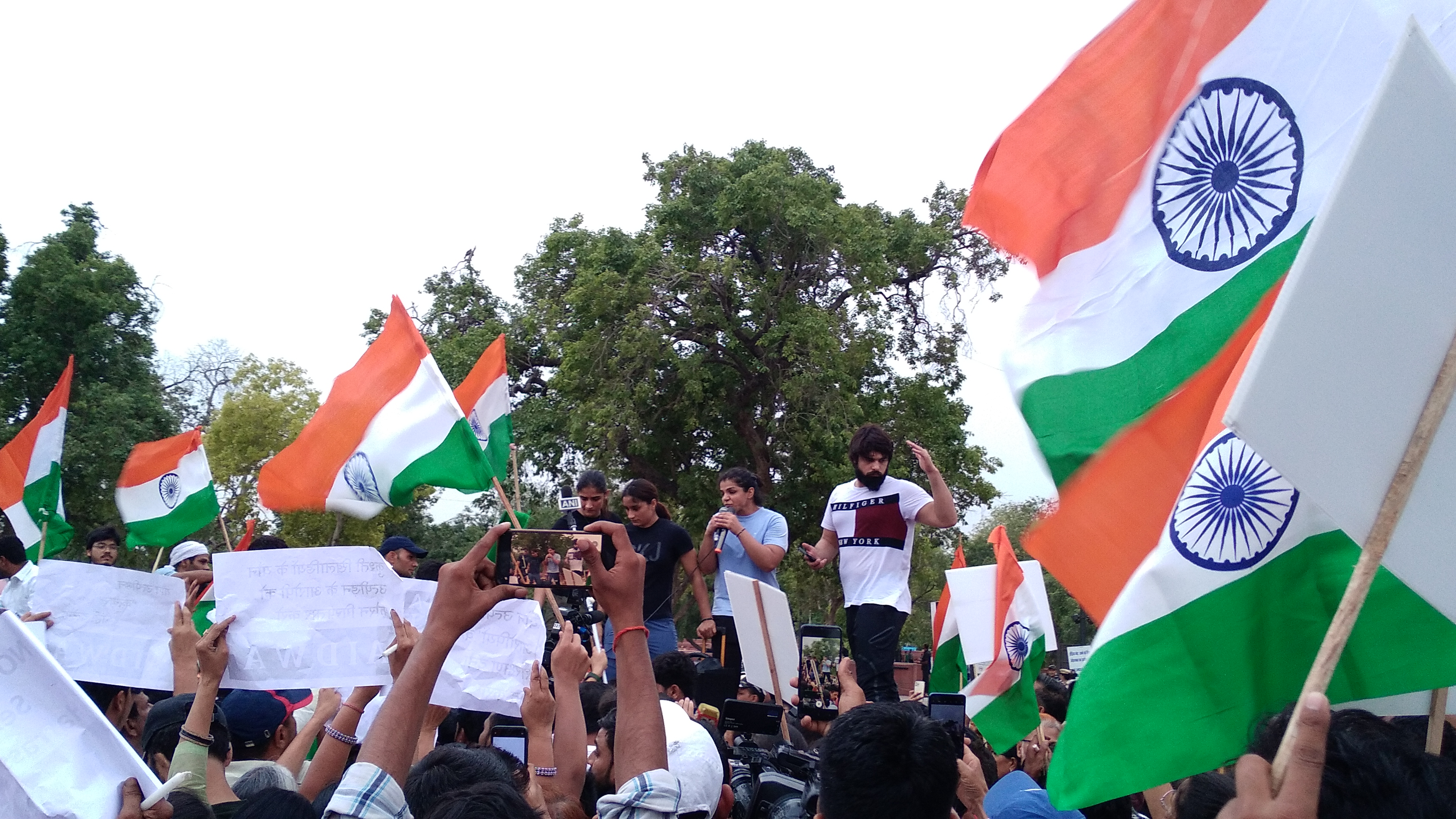
The government initially expected the protests to fizzle out or remain confined to Jantar Mantar, New Delhi's designated protest site. However, the intensity and spontaneity of the CJP protests took the establishment completely by surprise.
- Geographical Spread: The protests transcended regional boundaries, spreading rapidly from the capital to the northeast and southern states.
- Social Unity: The movement successfully cut across deeply entrenched caste and class lines, uniting the youth behind a singular, uncompromising agenda: accountability for the exam leaks and broader educational reforms.
- Historical Scale: Geographically and demographically, the Gen Z uprising surpassed both the Jayaprakash Narayan-led movement of 1974-75 and the 2011-12 Anna Hazare anti-corruption protests.
The government's usual playbook, attempting to brand the protesting voices as "anti-national" or invoking the tired "foreign hand" conspiracy to explain away domestic instability, fell completely flat.
Political Concessions and Renewed Demands
The turning point arrived in July 2026 when CJP founder Abhijeet Dipke returned to India from Boston and led a massive march to Jantar Mantar. Faced with unyielding pressure and a largely peaceful but massive crowd, the government was forced to the negotiating table. The immediate result was a major victory for the youth: the ouster of Education Minister Dharmendra Pradhan on July 25.
However, the struggle is far from over. In late August 2026, the CJP announced a resumption of its peaceful mobilization, scheduling a massive youth march for September 5 from India Gate to the New Delhi Police Headquarters. The CJP accused the government of playing "delay games" and failing to honor the commitments that led to the initial withdrawal of the protests. Specifically, the government has failed to withdraw First Information Reports (FIRs) against student protesters or deliver the promised compensation to the families of students who tragically died by suicide following the exam turmoil.
"We withdrew a nationwide movement in good faith," the CJP stated. "A government cannot take the trust of an entire generation, use it to send them home, and then quietly retreat from its own word."
Memes as a Weapon
Every social movement frames its agenda through a unique vocabulary of protest. As noted by political scientist James Scott, movements operate on two transcripts: the public and the hidden. The hidden transcript vents anger against unresponsive regimes through coded satire, jokes, and humor, which can be incredibly potent in undermining authority.
The Gen Z protests embodied this theory perfectly. They shattered the ruling party's invincibility not with traditional political rhetoric, but through memes, parody, and mimicry on platforms like Instagram. Furthermore, the movement illustrated a shift in how political communities are formed today. The CJP bypassed traditional left-right ideological distinctions, operating entirely outside mainstream party frameworks to mobilize a generation.
The Broader South Asian Context
To understand the full scope of this youth awakening, the Indian protests must be viewed within the broader South Asian context, where Gen Z movements have taken on varied, yet universally disruptive, characteristics:
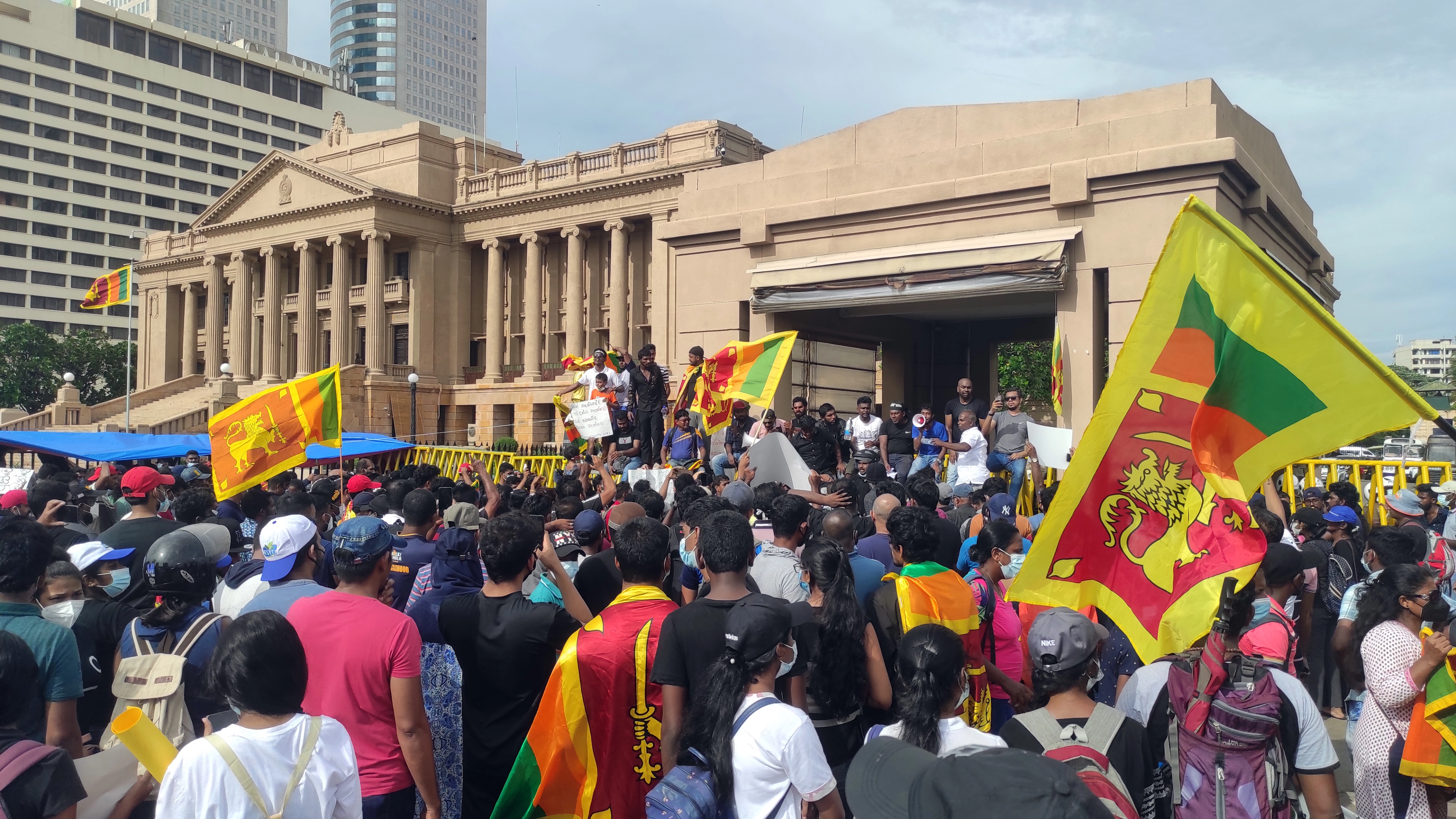
- Sri Lanka: The protests targeted the ruling party and its disastrous economic policies, ultimately aimed at toppling the government.
- Bangladesh: Youth protests focused heavily on dismantling authoritarian rule more than economic policy, resulting in the restoration of a mainstream party.
- Nepal: Gen Z successfully fostered a genuinely anti-establishment mood, though the subsequent government has yet to pursue a radical anti-neo-liberal program.
A Call for Peace
The streets have come alive again, a fundamentally healthy sign for any democracy. However, navigating this civilizational challenge requires more than superficial headline management. It requires a profound commitment to structural reform, non-violent conflict resolution, and genuine, honest dialogue between the state and its citizens.
Achieving lasting stability requires the international community and domestic leaders to protect civic spaces and prioritize diplomacy over coercion.
We must stand with the youth in their demand for justice, but we must also ensure that this transition of power and policy is achieved peacefully.
Take Action Today
Do not let the momentum fade. Support peaceful democratic movements and demand accountability from institutions worldwide. Use your voice to advocate for structural reforms that guarantee a future for the next generation. Join the movement for non-violent conflict resolution and vote on real, actionable solutions today at pledge4peace.org/campaigns.