Conflict is rising. Join the movement to create a peaceful future. Sign the Pledge

Conflict is rising. Join the movement to create a peaceful future. Sign the Pledge
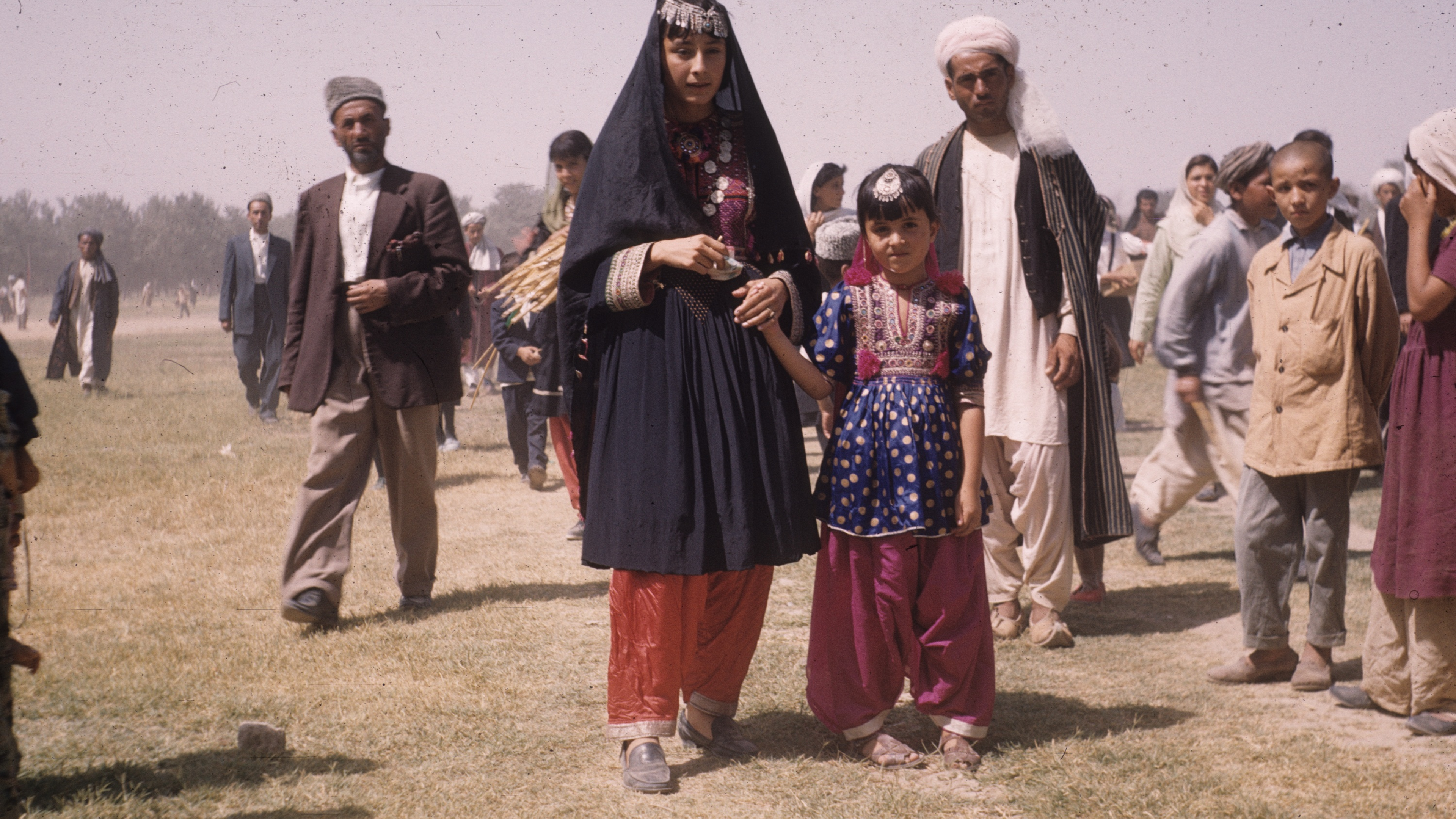

In Helmand province, southern Afghanistan, Ram Bibi considers herself extraordinarily lucky. Pregnant with her sixth child, she is receiving regular prenatal checkups at a nearby community clinic. Previously, her children were born at home without skilled assistance, resulting in severe infections. Now, a trained midwife screens her for anemia, provides vaccinations, and prepares her for a safe delivery.
In northwestern Afghanistan, a similar story unfolds. When 40-year-old Manawara experienced a severe hemorrhage in her 38th week of pregnancy, she was rushed to a local clinic where a midwife identified a breech presentation, stabilized her using emergency protocols, and safely delivered her baby.
Such fundamental reproductive health care is a luxury in Afghanistan. A 2024 assessment of the Afghan health system revealed that less than one-third of the population can access basic healthcare services. Decades of conflict, political upheaval, and a December 2024 ban on women’s medical education have severely weakened an already fragile system. As a result, countless mothers face preventable complications, making community-led interventions an absolute necessity.
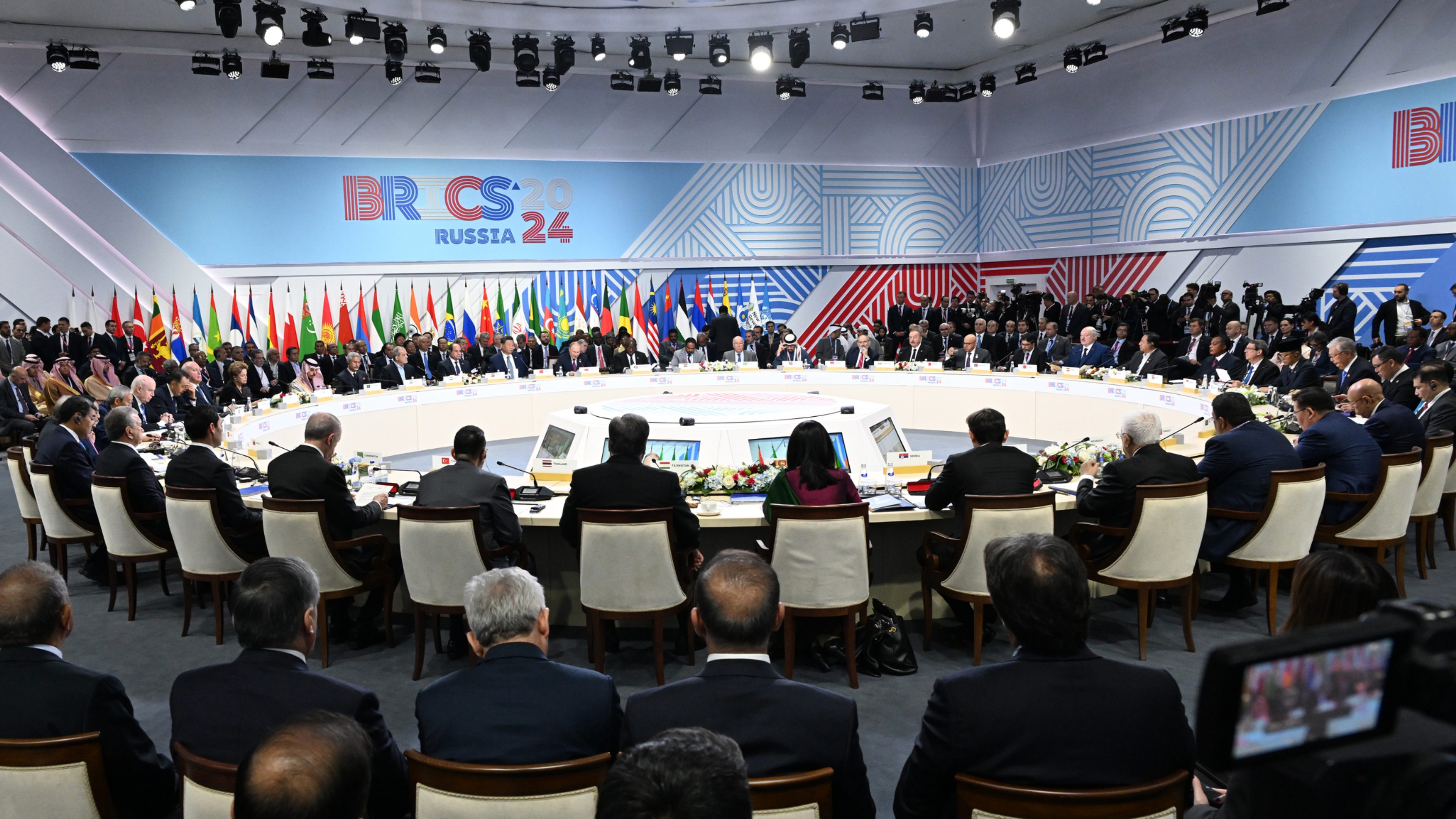
As the 18th BRICS Summit begins in New Delhi, leaders from the expanded 10-nation bloc face the monumental task of addressing global instability, particularly the escalating US-Iran conflict. Amid high-stakes diplomatic talks, Pledge4Peace urges citizens to demand peaceful resolutions.
Pledge4Peace.org
September 18, 2026
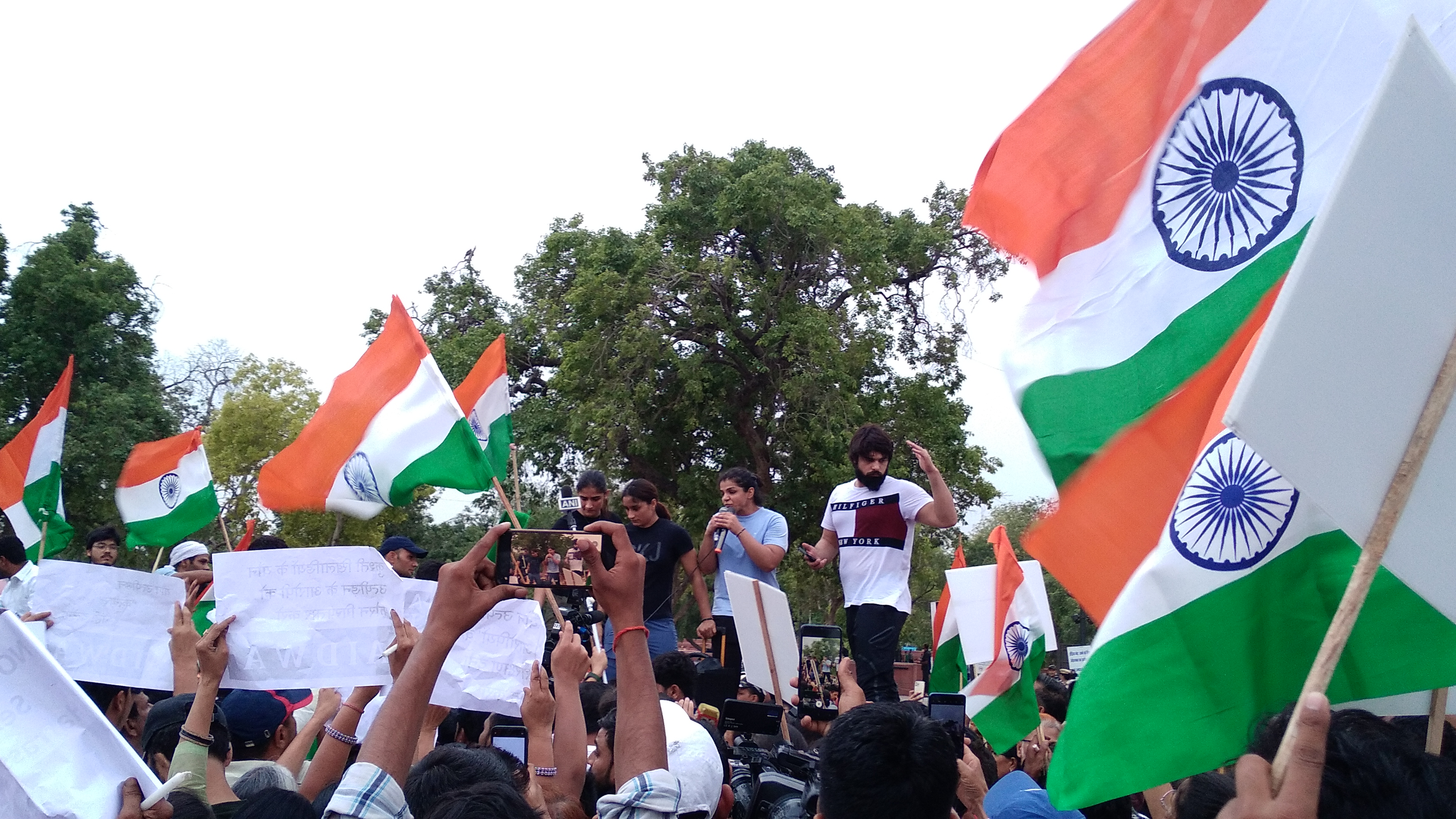
Youth anger across South Asia has ignited massive political upheaval, spreading from Sri Lanka to Bangladesh, Nepal, and most recently, India. In India, the Gen Z-led Cockroach Janta Party protests, born out of deep frustration with soaring unemployment and exam leaks, have successfully challenged the ruling establishment, proving that democratic resistance is evolving in the digital age.
To bridge this massive healthcare gap, the United Nations Population Fund (UNFPA) initiated the Family Health House (FHH) model, known locally as Ashiana-e-Sehi. These facilities are established in "white areas," classified as regions located at least 10 kilometers (or a three-hour walk) from the nearest basic health facility.
Built on community-owned land, each FHH serves a population of 1,500 to 4,000 people and is staffed by a trained community midwife recruited directly from the local population. Recent data indicates that UNFPA supports over 533 midwife-led Family Health Houses across 26 provinces, providing basic medical equipment and 35 essential items necessary for maternal healthcare.
The impact is profound. At the Arkalik FHH in northern Afghanistan, midwife Laila Amini sees up to 70 patients a day, far exceeding the clinic's original capacity. The proximity of these clinics bypasses strict cultural and mobility restrictions, including the requirement for women to travel with a mahram (male escort). By providing midwives with on-site accommodation and employing male relatives as clinic support staff, FHHs ensure that women can access care around the clock.
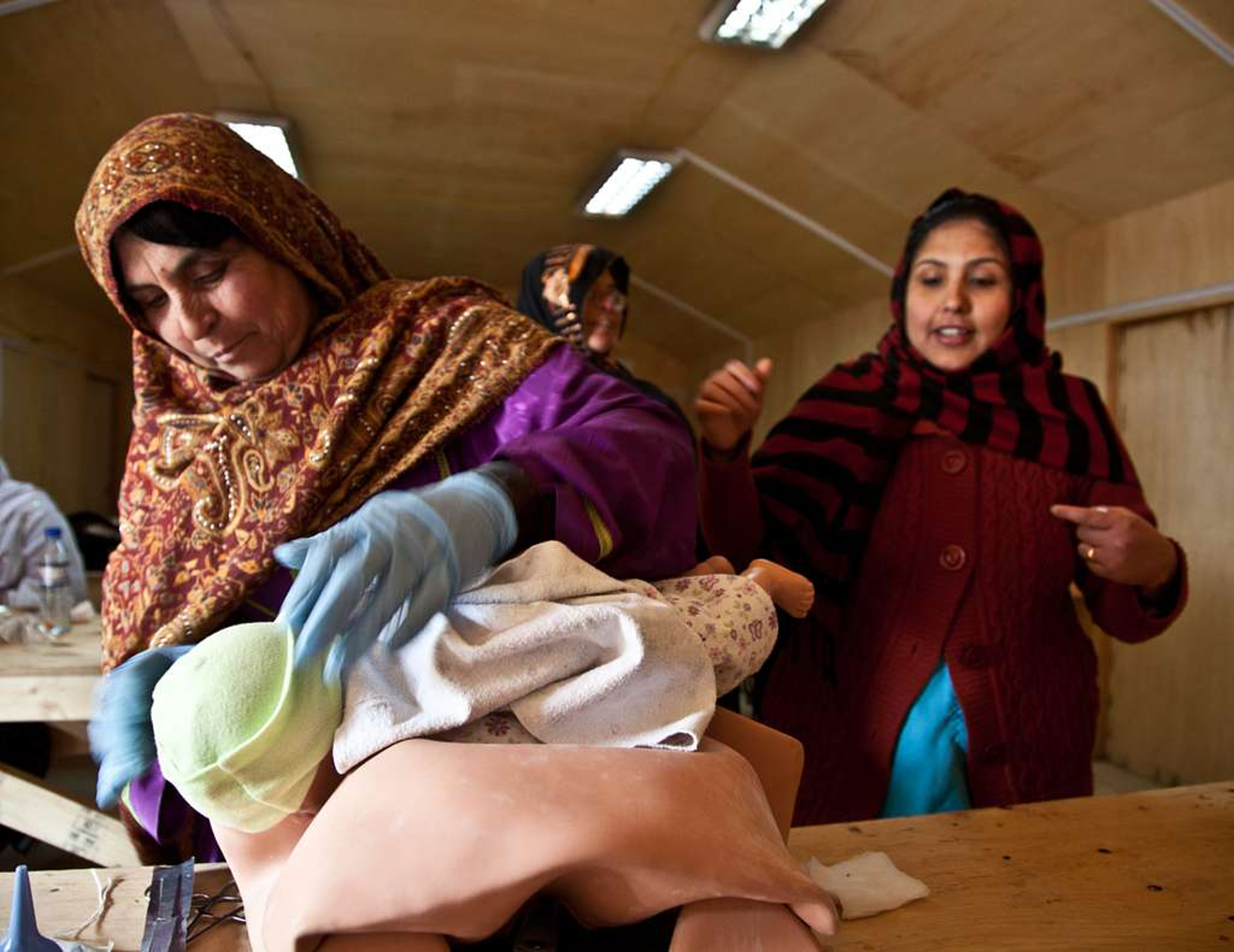
The severe shortage of trained healthcare staff and the ongoing restrictions on women’s education have forced organizations to think creatively. To ensure community midwives continue to receive ongoing education, digital learning has become a critical lifeline.
In 2023, the UNFPA partnered with the Maternity Foundation and the University of Copenhagen to launch the Safe Delivery App in Dari (with a Pashto version currently in development). The app provides offline, evidence-based protocols, animated instructional videos, and step-by-step guidance for obstetric emergencies such as postpartum hemorrhage, neonatal resuscitation, and infection prevention.
By 2026, the app had been downloaded over 5,000 times by Afghan healthcare workers and utilized to train over 1,200 midwives. Nasima Niazi, a reproductive health manager at the Agency for Assistance and Development of Afghanistan (AADA), a pivotal local non-profit partnering with UNFPA, has personally overseen the digital training of hundreds of midwives.
These digital tools save lives daily. In Kandahar, a midwife successfully used the app to prevent a life-threatening complication during a high-risk delivery. In Kapisa, the app's evidence-based protocols empowered a midwife to convince a hesitant family to transfer a 1.1-kilogram premature newborn to a specialized hospital, ultimately saving the infant's life.
Afghanistan’s reliance on community midwives mirrors successful global public health strategies used in other low-income nations. For instance, Bangladesh relies on a network of over 13,000 community clinics to deliver primary healthcare directly to rural populations. Similarly, maternity waiting homes in Zambia and Malawi allow women from remote areas to stay near medical facilities during the final weeks of pregnancy.
However, unlike these stable nations, Afghanistan’s FHH model faces existential threats due to a heavy reliance on external donor funding following significant cuts by international aid agencies. While the 2025–2030 National Health Policy ambitions center on primary healthcare, sustaining the FHH network requires immediate, continuous global support.
Despite working under immense pressure, supply shortages, and exhausting patient loads, Afghan midwives remain fiercely dedicated to their communities.
“Zero maternal deaths in my village in seven years represents the success of my work,” states Laila Amini, highlighting the remarkable efficacy of localized care.
Similarly, midwife Monika Rahmati expresses her profound dedication: “Every time I’m able to deliver a healthy infant, it makes me happy... Even though things are difficult right now, a new, healthy life always brings hope and joy.”
We cannot allow the systemic collapse of Afghan healthcare to dictate the survival of mothers and children. The resilience of Afghan women proves that progress is possible, but they cannot do it alone. As outlined in the Pledge4Peace Strategic Communications and Global Advocacy Campaign Report, true global accountability requires directly empowering grassroots and community-led initiatives.
You can make an immediate difference by supporting the verified organizations funding these life-saving Family Health Houses, training midwives, and developing crucial digital healthcare tools:
Use Your Voice for Global Peace and Accountability: The fight for healthcare access is a fight for fundamental human rights and global peace. Stand with us by supporting initiatives that protect vulnerable populations and demand systemic accountability.
Vote on our active global initiatives and take action today at pledge4peace.org/campaigns.
Pledge4Peace.org
August 27, 2026