Conflict is rising. Join the movement to create a peaceful future. Sign the Pledge

Conflict is rising. Join the movement to create a peaceful future. Sign the Pledge
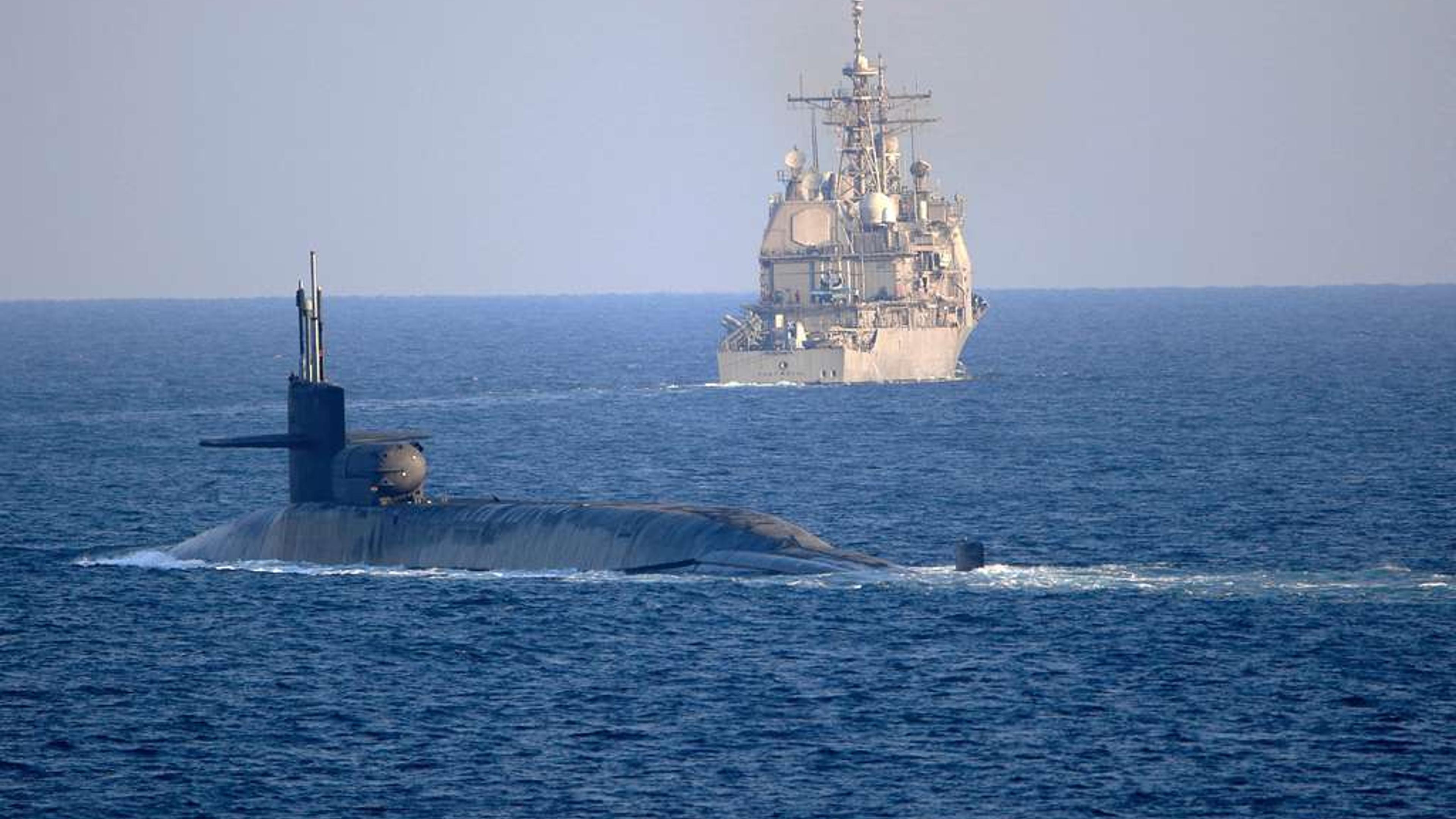

The geopolitical architecture of the Middle East has entered a highly volatile phase. For decades, the relationship between the United States and Iran has been defined by cycles of escalation, proxy conflicts, and crippling economic sanctions. Today, as disruptions in global maritime routes impact the international economy, the need for a structural, sustainable framework for peace has never been more urgent.
To explore actionable off-ramps to this crisis, Pledge4Peace recently hosted a global summit featuring diverse perspectives on international law, including insights from former Iranian diplomat and nuclear negotiator Prof. Seyed Hossein Mousavian.
While Pledge4Peace operates as a neutral platform, prioritizing data-backed solutions over partisan agreement, forums like this are critical. They allow civil society to bypass the echo chambers of traditional media, analyze the structural friction points of global conflicts, and forge a path forward.
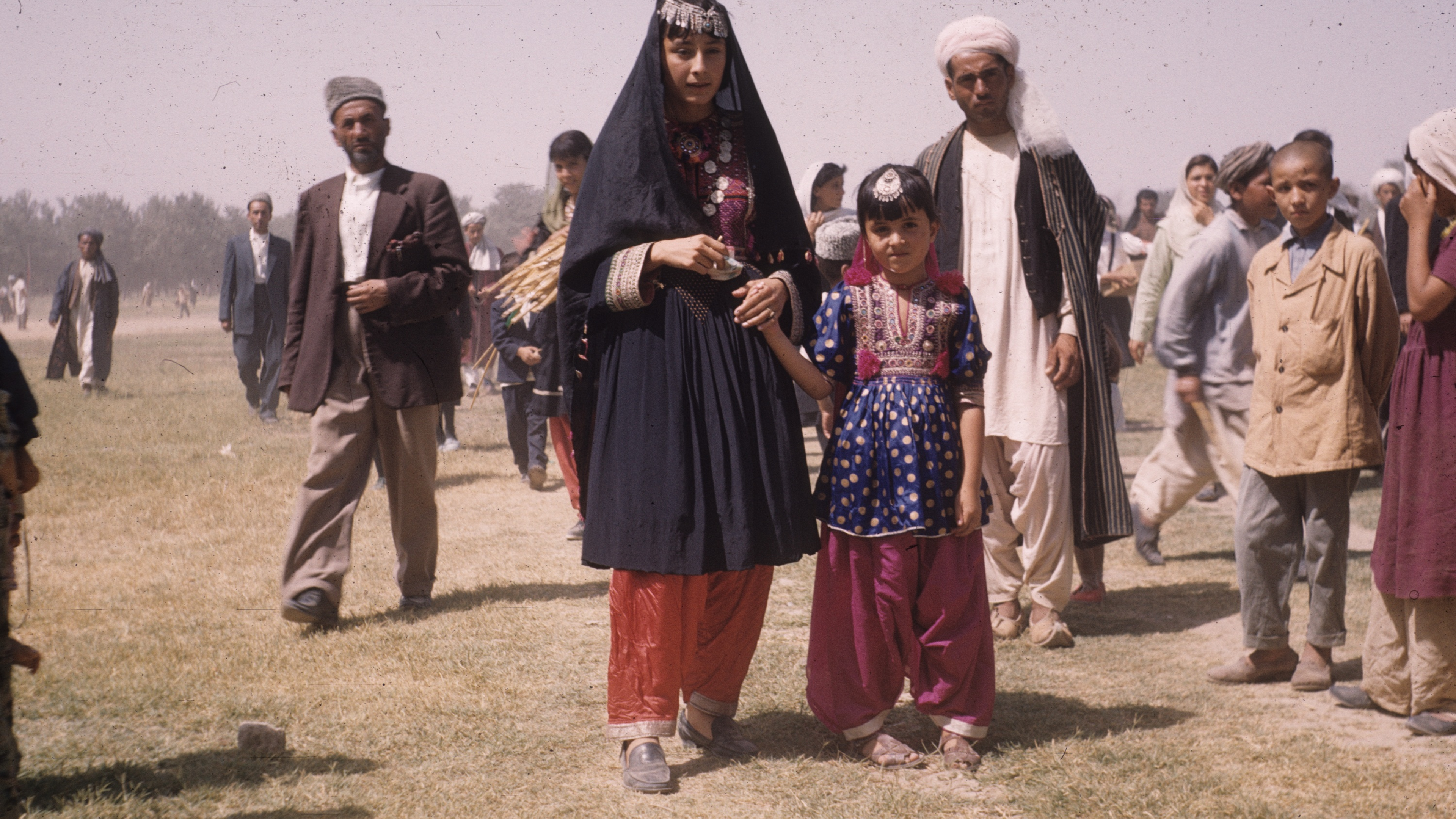
In remote Afghan villages, community-led Family Health Houses are offering life-saving care to mothers and children. Despite severe restrictions and a deteriorating healthcare system, Afghan women, acting as community midwives, are utilizing digital tools and local clinics to ensure safe childbirth. This article highlights the essential work of the UNFPA, AADA, and the Maternity Foundation in empowering these frontline workers and outlines how the international community can support their mission.
Pledge4Peace.org
September 23, 2026
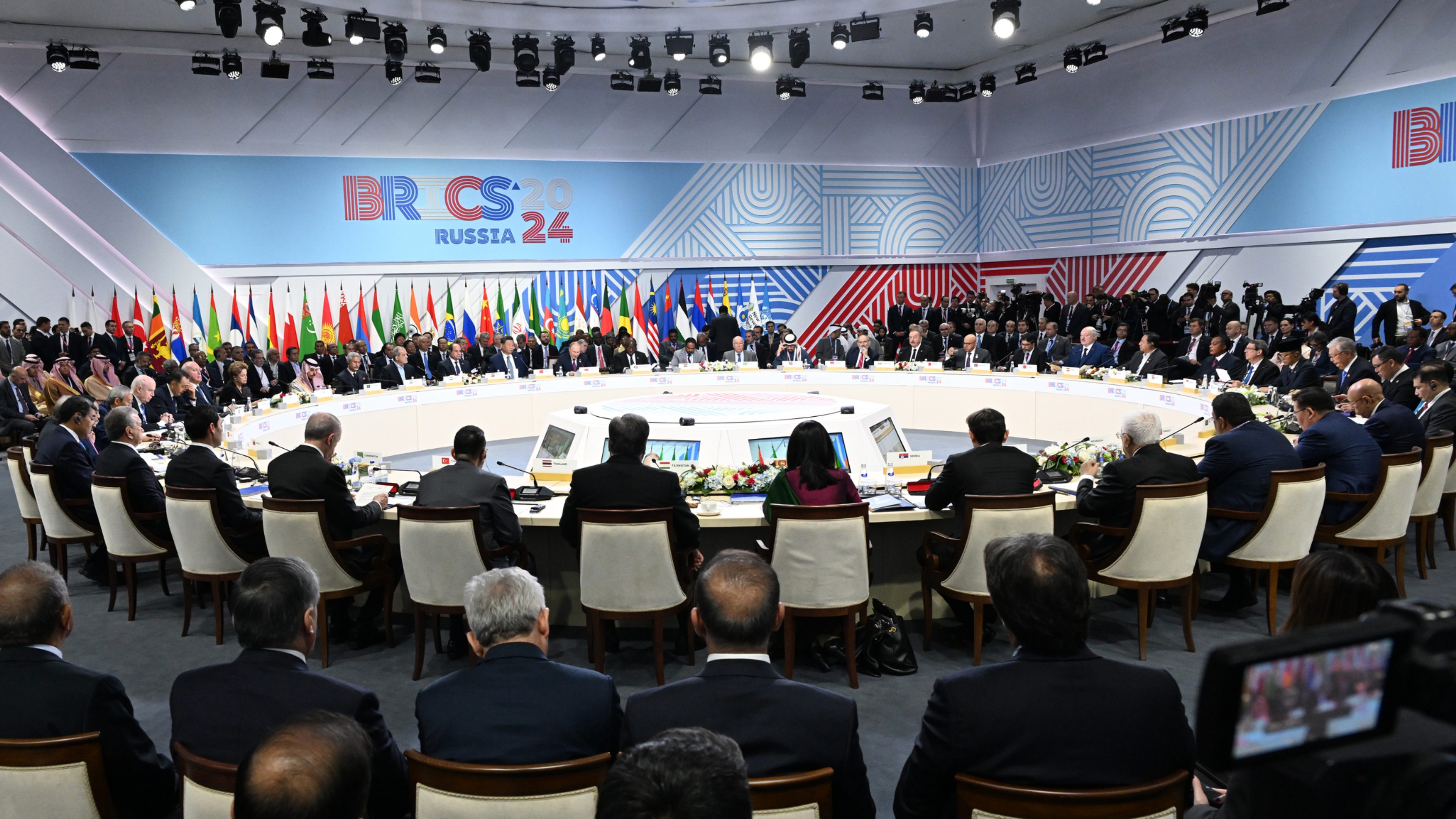
As the 18th BRICS Summit begins in New Delhi, leaders from the expanded 10-nation bloc face the monumental task of addressing global instability, particularly the escalating US-Iran conflict. Amid high-stakes diplomatic talks, Pledge4Peace urges citizens to demand peaceful resolutions.
A central theme of the summit was the devastating impact of prolonged geopolitical standoffs on civilian populations. While the stated goal of broad economic sanctions is often to force political capitulation or incentivize internal regime change, the structural reality is vastly different.
The strategy of "maximum pressure" has successfully isolated the Iranian economy, costing it an estimated trillions of dollars over the decades. However, it has not yielded regional stability. Instead, the civilian population bears the brunt of this institutional warfare. With inflation rates soaring and severe economic dysfunction limiting access to basic necessities, civilians are caught in the crossfire of a diplomatic deadlock.
To achieve sustainable peace, future frameworks must separate political leverage from humanitarian necessity. Any viable diplomatic solution must ensure that civilian populations are protected and not weaponized during international standoffs.
Currently, global economic stability is heavily reliant on the secure transit of energy through the Strait of Hormuz. For years, the default strategy for securing this region has been an external, unilateral military presence.
During the summit, the dialogue highlighted a structural alternative: a collective security cooperation system. Rather than relying on a permanent foreign military blockade, long-term stability requires the establishment of a regional task force comprising the eight countries surrounding the Persian Gulf.
Crucially, this mechanism cannot operate in a vacuum. To ensure neutrality and global trust, such a collective security agreement would need to be brokered under a United Nations mandate, specifically building on existing UN frameworks (such as Resolution 598), and supervised by the international community to guarantee the safe, uninterrupted export of global energy resources.
Diplomatic gridlock often occurs when nations attempt to solve all historical grievances in a single, overarching treaty. A more pragmatic, realistic approach involves "phased negotiation."
To dismantle the current hostilities, experts suggest a step-by-step de-escalation tied to reciprocal actions. For example:
By addressing issues sequentially, trust can be incrementally restored, replacing the zero-sum game of modern geopolitics with a framework where security is viewed as a collective necessity.
Perhaps the most critical structural issue contributing to the US-Iran crisis is the erosion of consistent international law. The summit underscored a growing global frustration: when world powers selectively enforce United Nations resolutions, international courts, and non-proliferation treaties, the "rules-based international order" devolves into a system where might makes right.
Pledge4Peace maintains that permanent global stability is impossible without equitable justice between states. Whether addressing conflicts in the Middle East, Eastern Europe, or elsewhere, the international community must strictly adhere to the baseline agreements of the UN Security Council. Borders must be respected, and the selective application of international law must end.
When the institutions designed to protect global security fail, and when the lives of millions of civilians are treated as acceptable collateral damage in geopolitical chess games, it is the responsibility of global citizens to step in.
Pledge4Peace is not just an observer of history; we are a mechanism to shape it. We provide the platform for the "Silent Majority" to issue demands that gridlocked politicians can no longer ignore.
The solutions to end the US-Iran crisis exist. Now, they need your enforcement. We are aggregating 1,000 global voices to deliver a data-backed mandate directly to the UN, the US State Department, and international envoys.
Stop watching the crisis unfold. Take 60 seconds to act.
VOTE TO END THE USA-IRAN WAR TODAY: https://pledge4peace.org/campaigns/solutions-to-end-usa-iran-war
Your voice is the diplomatic pressure required to forge peace. Subscribe to our weekly newsletters and take your place in this movement today.
Pledge4Peace.org
September 18, 2026