Conflict is rising. Join the movement to create a peaceful future. Sign the Pledge

Conflict is rising. Join the movement to create a peaceful future. Sign the Pledge

In the complex web of global affairs, the quest for peace is a continuous, evolving challenge. While much of the world’s focus tends to be on diplomatic talks, military strategies, and political maneuvering, the volunteers on the ground often form the true frontlines of peace. These individuals, driven by compassion and dedication, work tirelessly behind the scenes to prevent conflict, bridge divides, and promote understanding. Their quiet but powerful efforts are instrumental in avoiding war before it even begins.
This comprehensive exploration sheds light on how volunteers around the world are acting as critical agents of peace, why their contributions are essential in today’s volatile climate, and how everyone can participate in this global movement. By integrating the resources and initiatives from organizations likePledge4Peace, this blog highlights the transformative impact volunteers have in shaping a more peaceful future.
Understanding Peace: Beyond the Absence of War
To truly appreciate the role of volunteers in preventing war, we must first understand what peace means in its fullest sense. Peace is not merely the absence of armed conflict. It is a dynamic state where justice, equity, dialogue, and mutual respect flourish. Peace includes social cohesion, security, economic stability, and the protection of human rights.
In many conflict-affected regions, the failure to achieve sustainable peace stems from underlying causes like poverty, inequality, social injustice, and unresolved grievances. It is precisely in addressing these root causes that volunteers play a vital role, often stepping in where formal institutions cannot or do not.
Volunteers as the Backbone of Peace Initiatives
Volunteers represent the backbone of grassroots peacebuilding. Unlike diplomats or politicians, volunteers are embedded within communities and have intimate knowledge of local dynamics. This proximity allows them to effectively identify early warning signs of conflict, mediate disputes, and foster reconciliation.
Whether working in urban neighborhoods or remote villages, volunteers cultivate trust and promote dialogue among groups divided by ethnicity, religion, or politics. This community-level peace work is crucial because it creates durable relationships and builds resilience against violence.
Peace Education and Awareness Campaigns
One of the most impactful ways volunteers prevent war is through peace education. They organize workshops, school programs, and public campaigns that teach conflict resolution skills, nonviolent communication, and cultural tolerance. By educating the youth and community leaders, volunteers plant the seeds of long-term peace.
Education shifts mindsets from hostility to empathy and collaboration. These changes in attitudes reduce the appeal of extremist narratives that often fuel violence. Volunteers empower people to recognize shared humanity, encouraging inclusive societies where peace can thrive.
Humanitarian Assistance: Stabilizing Fragile Communities
In conflict-prone areas, humanitarian volunteers provide essential support such as food, healthcare, shelter, and psychological counseling. This assistance stabilizes communities and reduces desperation, a common trigger for violence.
By addressing basic needs and healing trauma, volunteers create an environment where dialogue and cooperation are possible. The presence of compassionate volunteers often reassures populations and deters armed groups from exploiting vulnerable people.
Early Intervention: The Volunteer Advantage
Preventing war requires identifying tensions before they escalate into violence. Volunteers act as early responders by monitoring local conditions and reporting risks to authorities or peace organizations. Their ability to intervene at an early stage is a game-changer.
These volunteers facilitate dialogue sessions between conflicting parties, helping them find common ground. The conversations are often informal but impactful, as volunteers use trust and cultural understanding to break down barriers.
Case Study: Volunteer-Led Mediation in Conflict Zones
In places like South Sudan and the Balkans, volunteer mediators have played key roles in de-escalating community disputes. They bring disputing groups together for peace talks, sometimes over months or years, until reconciliation is achieved.
This grassroots approach complements formal peace processes, making agreements more likely to succeed by ensuring local buy-in.
Leveraging Online Platforms for Peace
Technology has transformed how volunteers contribute to preventing war. Social media, messaging apps, and virtual meetings have expanded the reach of peace campaigns.
Organizations likePledge4Peace harness digital tools to create global networks of peace advocates. Through online pledges, webinars, and campaigns, volunteers raise awareness, mobilize support, and encourage collective action.
Digital Peacebuilding and Countering Disinformation
Volunteers also use technology to counter hate speech and disinformation, which are major drivers of conflict in the digital era. By promoting fact-based content and peaceful narratives, volunteers help communities resist divisive rhetoric.
The Impact of Volunteers on Global Peace: Evidence and Insights
Numerous studies affirm that volunteer-led peacebuilding programs reduce conflict recurrence. Communities engaged in volunteer peace initiatives experience fewer violent incidents and more sustained social cohesion.
For example, research from the United Nations and peacebuilding NGOs shows that areas with active volunteer mediation and education programs see better post-conflict recovery and lower rates of armed violence.
How to Join the Movement: Becoming a Volunteer for Peace
Anyone passionate about peace can become a volunteer. Here are practical steps:
1. Healing Divisions in Post-Genocide Rwanda
In the Rweru Reconciliation Village, genocide survivors and former perpetrators live together, engaging in daily dialogue, cooperative farming, and shared community activities—fostering healing and rebuilding trust decades after the 1994 genocide.
2. Youth Peace Ambassadors in Colombia
Initiatives like UNITAR’s "Pintando el Futuro" empower at-risk youth to resist recruitment by armed groups through arts, sports, and peace clubs—transforming vulnerability into empowerment.
3. Refugee Camp Volunteers in Syria
In camps across Lebanon and Syria (e.g., Atmah, Rukban), volunteers—such as those from Syrian Community Network and IHH—provide psychosocial support, mentoring, and education to thousands of refugee children, helping them heal and preventing internal tensions.
While volunteers are vital to peace, they often work in difficult environments with limited resources and security risks. Ensuring volunteer safety, providing training, and securing sustainable funding are ongoing challenges.
Partnerships between governments, NGOs, and communities are essential to support and amplify volunteer efforts.
Volunteers as Architects of a Peaceful Future
The path to global peace is complex, but volunteers stand at the forefront, making it achievable. Their dedication to peace and their role as community mediators, educators, and advocates directly contribute to preventing war and building resilient societies.
Joining the movement is more important now than ever. You can start today by visitingPledge4Peace, signing the pledge, and becoming part of the global community committed to peace.
Together, volunteers around the world are quietly but powerfully shaping a future where peace is not just a dream but a living reality.
Become a frontline advocate in preventing war and fostering peace in your community and beyond.
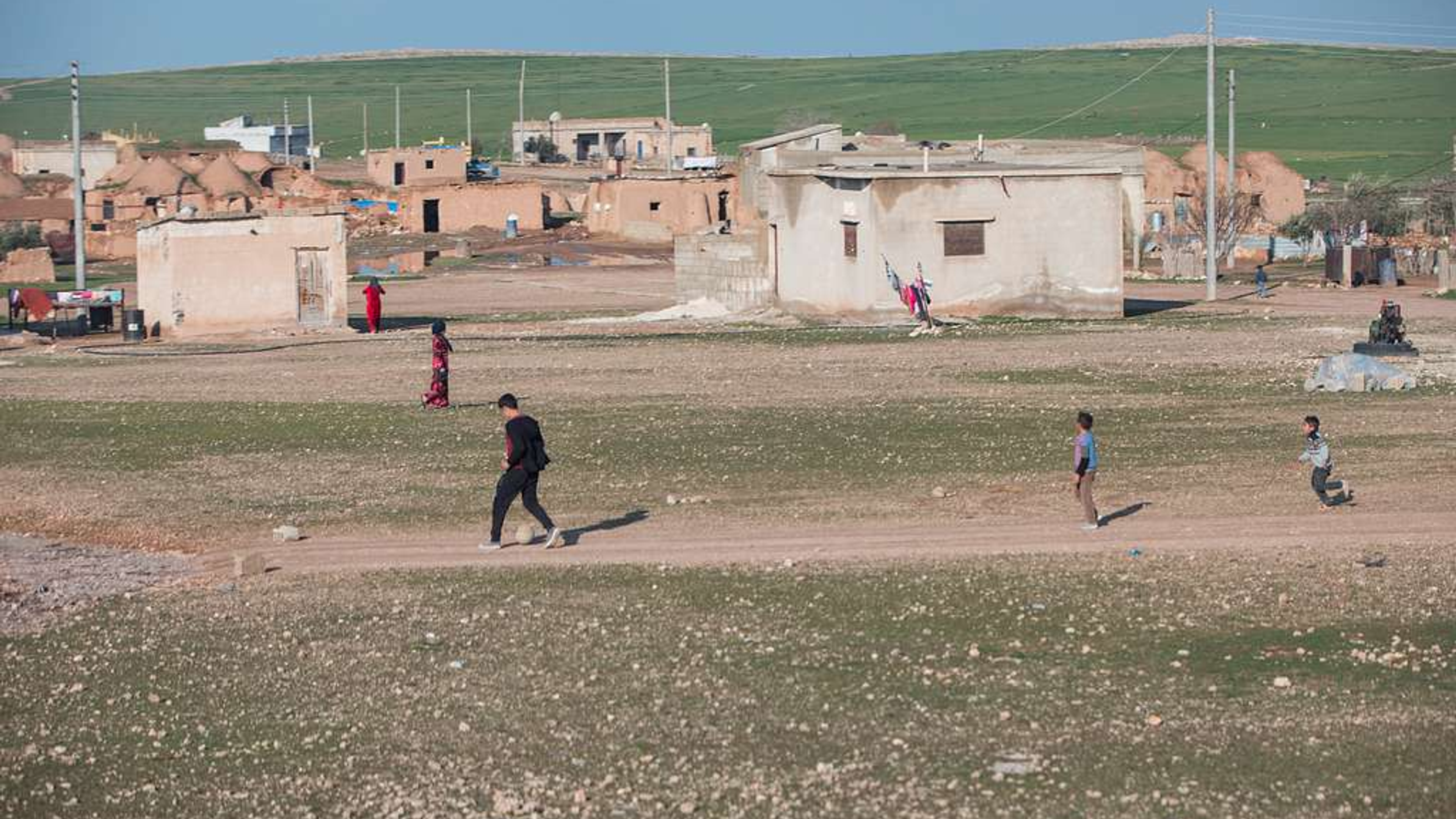
In war, children lose control over their lives, but play can bring some of that back. Across the globe, nearly 50 million children have been displaced by conflict and violence. Innovative play interventions and psychosocial support are critical for trauma recovery. However, the true mandate is for everyday citizens to demand an end to warfare through active global peace campaigns.
Pledge4Peace.org
September 17, 2026
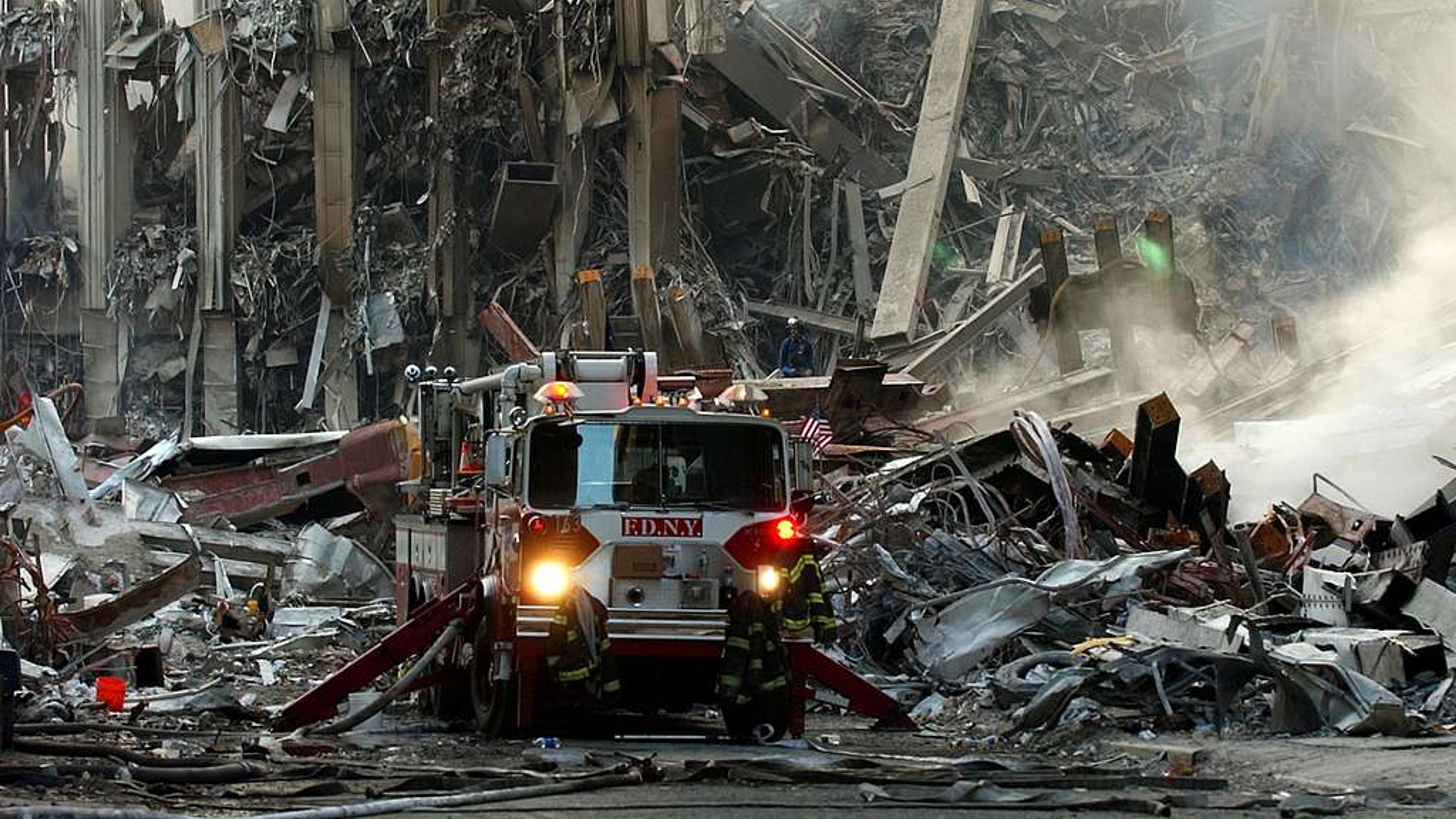
The September 11 attacks forever changed the United States, leaving a legacy of profound loss but also incredible heroism and national unity. By honoring the 2,977 victims and the brave first responders who made the ultimate sacrifice, we are reminded of our shared humanity. Today, Pledge4Peace calls upon that same spirit of solidarity to bridge divides and bring peace to global conflicts.
Pledge4Peace.org
September 11, 2026

Have you ever hesitated to give honest feedback about your workplace? The Peace Seal is built to protect you. We act as a completely neutral mediator to help you and your employer find real, private, and peaceful solutions, guaranteeing your anonymity and protecting you from retaliation.
Pledge4Peace.org
September 8, 2026