Conflict is rising. Join the movement to create a peaceful future. Sign the Pledge

Conflict is rising. Join the movement to create a peaceful future. Sign the Pledge
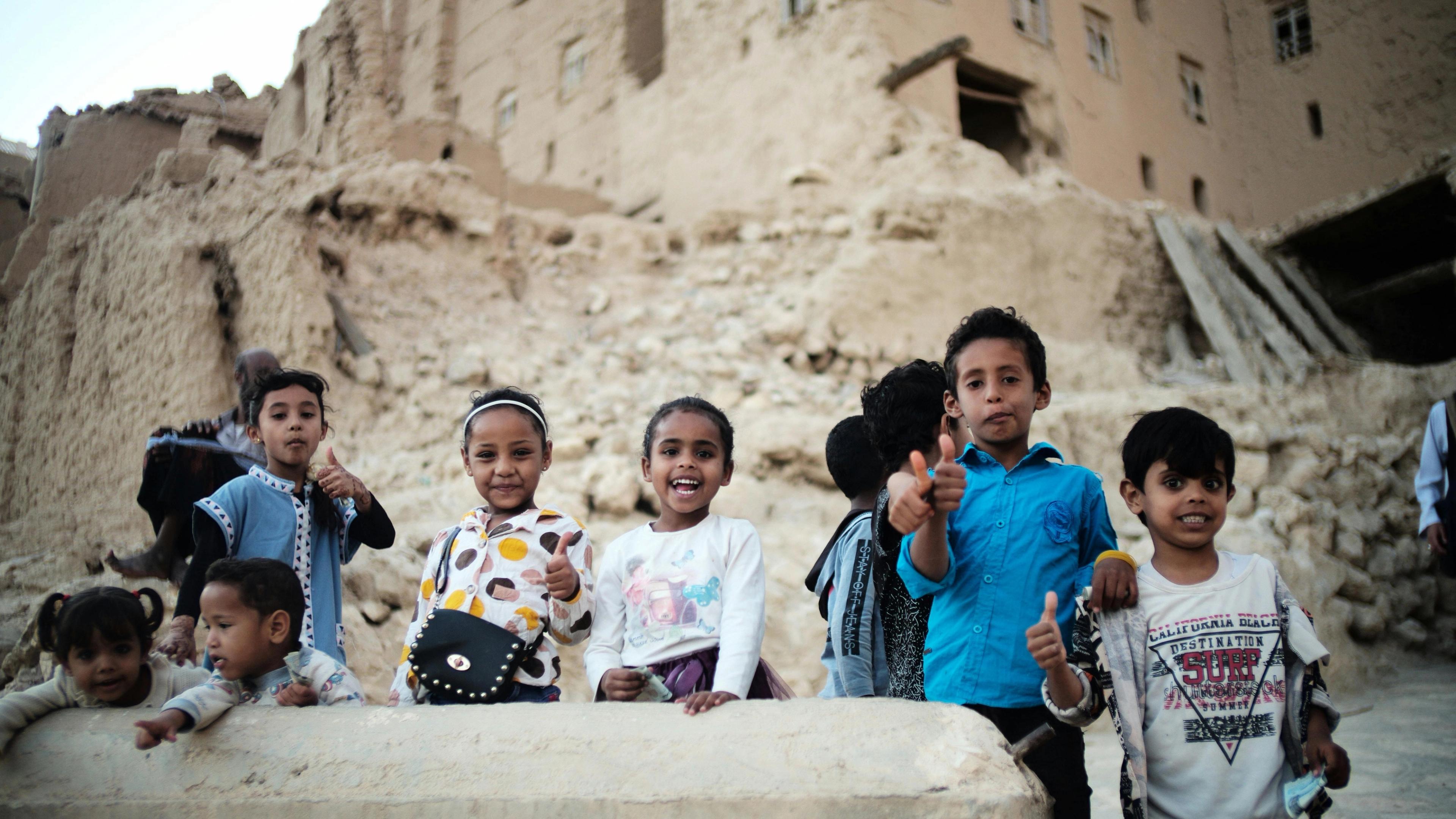

Discover how brave volunteers are feeding children in Yemen’s worst humanitarian crisis. Learn the history, today’s impact, and ways you can help build peace.
In a world overwhelmed by constant news cycles and shifting headlines, some tragedies remain painfully overlooked. Yemen’s food crisis stands out as one of the most severe humanitarian disasters of our time, yet it often slips under the global radar. Millions of Yemeni children wake up each day fighting not just the horrors of war, but the silent killer, hunger.
Amidst the devastation, a remarkable force of volunteers has emerged as Yemen’s lifeline, delivering food, hope, and survival in a landscape where despair threatens to overwhelm. This blog delves deep into Yemen’s crisis, exploring its roots, its meaning, the ongoing impact, and how peace can be forged through collective global action and your support.
The Historical Background: Why Did the Yemen War Begin?
To understand the crisis, we must first understand the war’s origins. Yemen, once called the "Cradle of Arabia," is steeped in ancient history, its lands a crossroads of cultures, trade, and empires. Yet beneath its rich heritage lies a complicated and fragile political landscape that eventually exploded into conflict.
The Arab Spring and Political Instability
The seeds of Yemen’s current war were sown during the Arab Spring in 2011 when popular uprisings swept across the Middle East and North Africa. Yemen’s longtime autocratic ruler, President Ali Abdullah Saleh, faced widespread protests demanding political reform, social justice, and an end to corruption. After three decades in power, Saleh was forced to resign in 2012, handing authority to his deputy, Abdrabbuh Mansur Hadi, in what was hoped to be a peaceful transition.
However, Yemen was already deeply divided: tribal factions, religious sects, and regional loyalties pulled the nation apart. The transition failed to address deep-rooted grievances and economic struggles, leaving many citizens disillusioned.
The Rise of the Houthis and Escalation of Conflict
In 2014, the Houthi movement, a rebel group from northern Yemen, capitalized on the power vacuum and dissatisfaction with the transitional government. They seized the capital city, Sana’a, and effectively forced President Hadi to flee to Saudi Arabia in early 2015.
This takeover alarmed regional powers, especially Saudi Arabia, which viewed the Houthis as an Iranian proxy threatening its southern border. Soon, a Saudi-led coalition launched a military campaign aimed at restoring Hadi’s government, escalating what was initially a domestic conflict into a broader regional proxy war.
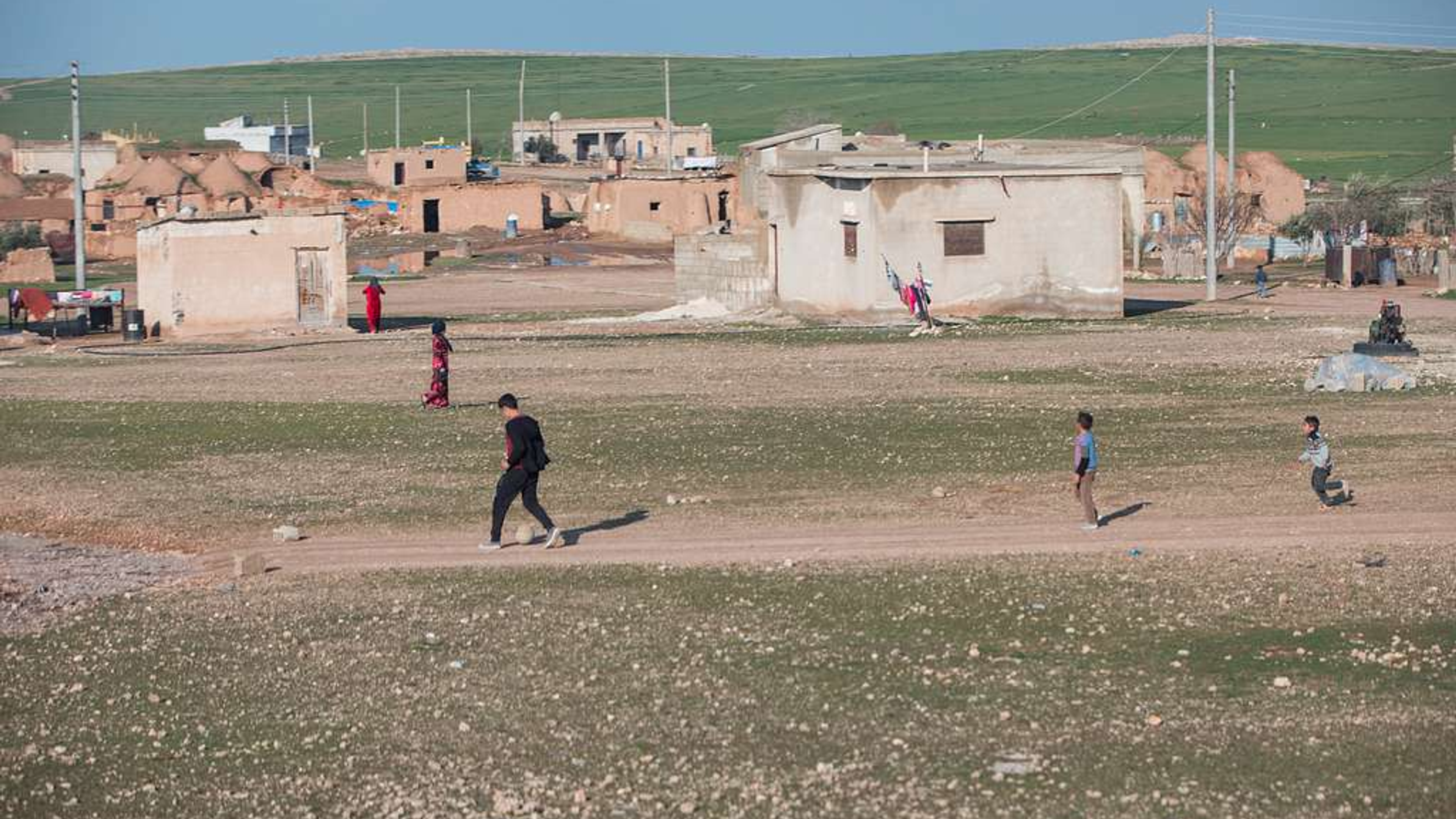
In war, children lose control over their lives, but play can bring some of that back. Across the globe, nearly 50 million children have been displaced by conflict and violence. Innovative play interventions and psychosocial support are critical for trauma recovery. However, the true mandate is for everyday citizens to demand an end to warfare through active global peace campaigns.
Pledge4Peace.org
September 17, 2026
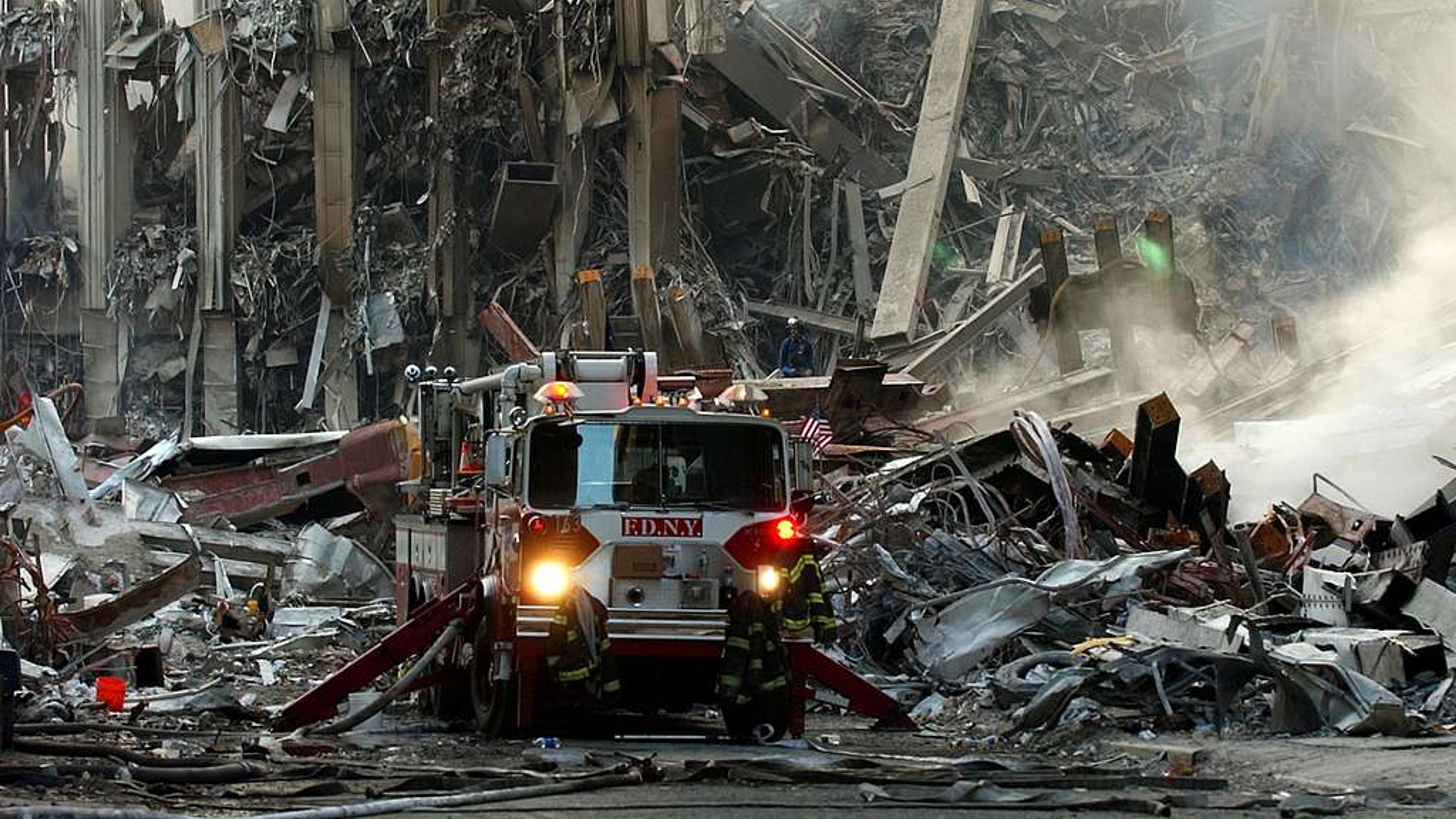
The September 11 attacks forever changed the United States, leaving a legacy of profound loss but also incredible heroism and national unity. By honoring the 2,977 victims and the brave first responders who made the ultimate sacrifice, we are reminded of our shared humanity. Today, Pledge4Peace calls upon that same spirit of solidarity to bridge divides and bring peace to global conflicts.
What the War Means: Geopolitical and Humanitarian Significance
The conflict in Yemen transcends a simple civil war narrative. It is a convergence of regional rivalries, sectarian tensions, and global strategic interests.
Yemen Today: The World’s Worst Humanitarian Crisis
The statistics paint a bleak picture: according to the United Nations, more than 24 million Yemenis, nearly 80% of the population, depend on humanitarian assistance. Over 2 million children suffer from acute malnutrition, with many facing starvation and life-threatening health complications.
The Toll on Children
Children are the most vulnerable victims. Malnourished bodies weaken immune systems, making diseases like cholera, pneumonia, and COVID-19 deadly threats. Many children suffer from severe acute malnutrition, which, if untreated, can lead to irreversible physical and cognitive damage or death.
Crumbling Infrastructure and Health Systems
Years of conflict have devastated Yemen’s infrastructure. Half of its health facilities are non-functional or lack essential supplies. Markets, farms, water systems, and schools lie in ruins. The economic collapse has driven food prices beyond the reach of most families.
Volunteers: Yemen’s Lifelines on the Ground
While large international organizations like UNICEF, the World Food Program, and Save the Children play vital roles, it is local volunteers who are the heartbeat of Yemen’s emergency response.
Braving blockades, checkpoints, and active conflict zones, these volunteers deliver food parcels, nutritional supplements, baby formula, and clean water. They set up makeshift kitchens and health centers, providing therapeutic feeding to malnourished children.
Their commitment goes beyond logistics; it is a moral mission fueled by love, resilience, and hope. Volunteers walk miles carrying heavy sacks of food, risking their lives because every child saved is worth the danger.
Beyond Hunger: Healing the Invisible Wounds
The war’s psychological scars run deep. Children have witnessed violence, lost family members, and endured constant fear. Volunteers recognize that healing requires addressing emotional trauma as well.
Many organize play therapy, art sessions, and safe spaces where children can momentarily reclaim their childhoods. Such efforts are essential to restoring hope and mental well-being alongside physical nourishment.
Peace Resolutions: How Our Campaign and Global Diplomacy Can Help
Ending Yemen’s crisis requires more than aid, it demands peace. The path forward includes diplomatic solutions, ceasefires, and inclusive negotiations involving all Yemeni voices.
The Role of Our Campaign: Pledge4Peace
At Pledge4Peace, we stand with Yemen’s volunteers and communities, working to:
What You Can Do to Support Peace and Relief
Conclusion
Yemen’s food crisis is a human tragedy, but also a testament to courage and hope. Volunteers are the lifelines that keep millions alive, embodying the power of compassion amid chaos.
Every child fed, every family supported, and every voice raised for peace brings us closer to a future where Yemen’s children can dream freely, free from hunger and war.
Support Peace Today
If you believe every child deserves a future free from hunger and fear, stand with creating peace and diplomacy around the globe today. Visit Pledge4Peace.org/campaigns and to make your pledge and join our movement to feed hope, restore peace, and rebuild lives.
Pledge4Peace.org
September 11, 2026