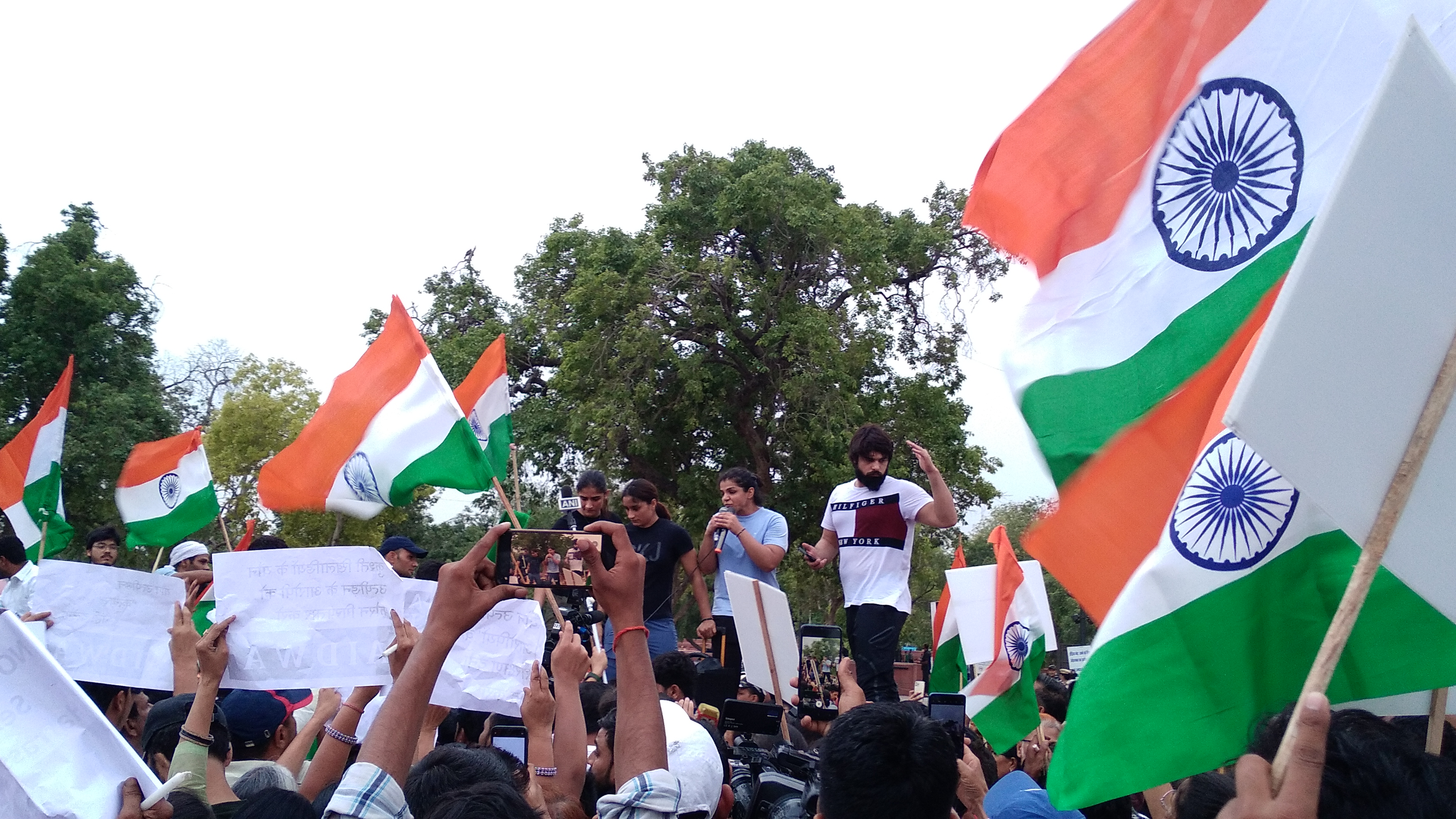

STATEMENT: The risk of nuclear catastrophe is higher than at any time since the Cold War. Leaders are failing to uphold international law, and eroding basic norms. We are regressing into a world in which the rule of law is being replaced by rule by power, with a destabilising new nuclear arms race.
We have come to Hiroshima to honour the victims of the atomic bombing in 1945. The upcoming 80th anniversary should compel all leaders to revitalise efforts towards nuclear disarmame
nt. Instead, we are deeply concerned at the trivialisation of the use of nuclear weapons.
We reaffirm our support for full abolition of nuclear weapons. To reach this, we need a progressive global disarmament agenda based on four essential pillars: every nuclear-armed state should adopt a “no first use” doctrine, as many weapons as possible should be taken off high-alert status, a dramatic and urgent reduction in the number of weapons that are operationally deployed, and decreasing numbers to a maximum of 500 warheads each for the USA, Russia and China.
The recent fighting between India and Pakistan, two nuclear-armed states, underscores the terrifying risk of how quickly conflict can escalate to the point of a nuclear exchange.
President Putin’s contempt for the basic norms of state sovereignty and territorial integrity is driving a new arms race across Europe. Uncertainty around President Trump’s commitment to the USA’s traditional defence alliances is also accelerating rearmament.
Putting nuclear weapons at the heart of national defence perpetuates the dangerous myth that nuclear deterrence keeps us safe. Today’s weapons have a combined destructive capability of close to 100,000 Hiroshima or Nagasaki-sized bombs. One single bomb dropped in Hiroshima claimed around 140,000 victims by the end of 1945. Today’s collective arsenal has the capacity to destroy human civilisation.
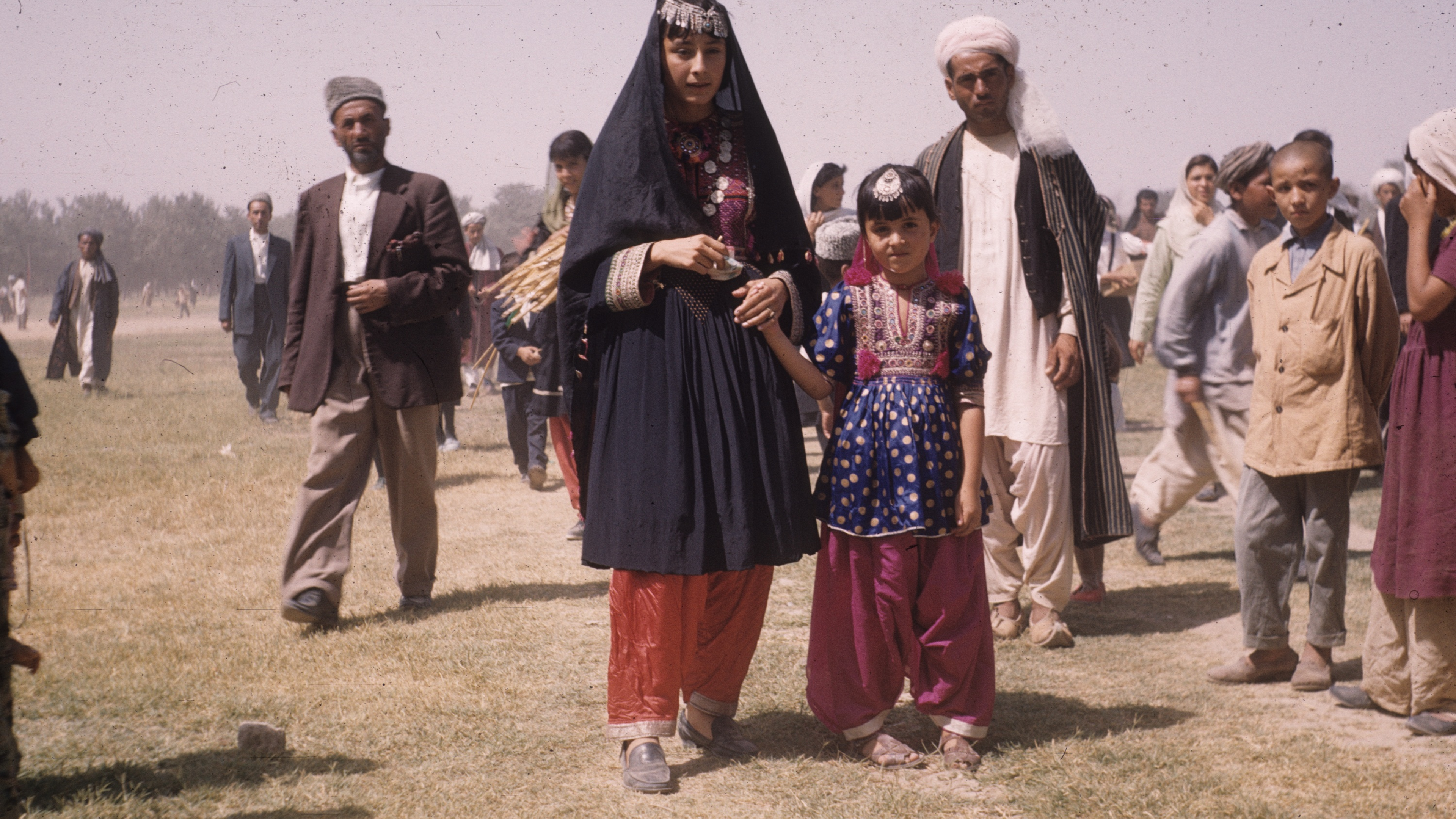
En las remotas aldeas de Afganistán, las Casas de Salud Familiar lideradas por la comunidad ofrecen atención vital a madres y niños. A pesar de las graves restricciones y del deterioro del sistema de salud, las mujeres afganas, que trabajan como parteras comunitarias, utilizan herramientas digitales y clínicas locales para garantizar partos seguros. Este artículo destaca el trabajo esencial de UNFPA, AADA y la Maternity Foundation para empoderar a estas trabajadoras de primera línea y explica cómo la comunidad internacional puede apoyar su misión.
Pledge4Peace.org
September 23, 2026
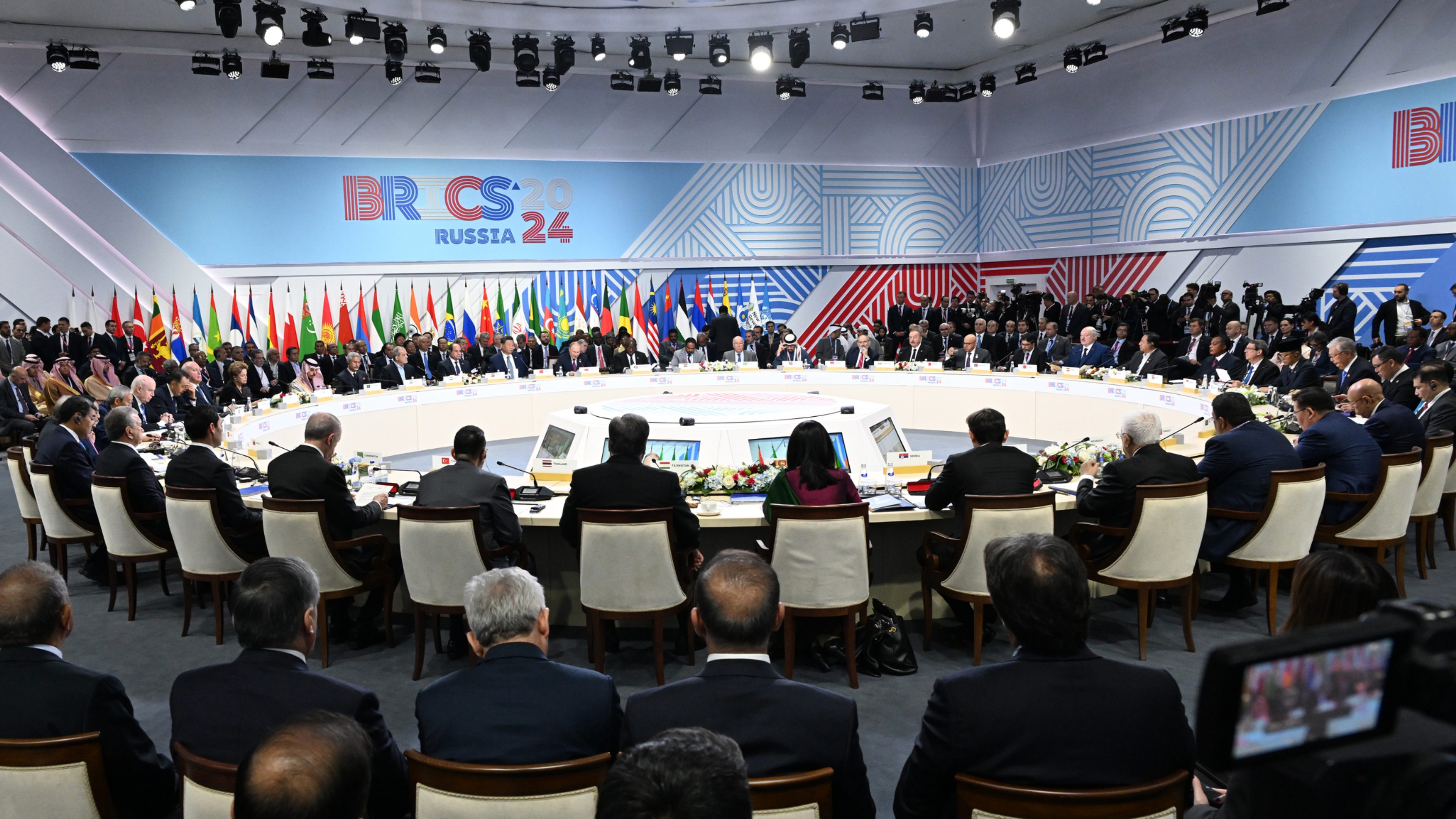
Mientras comienza la 18.ª Cumbre de los BRICS en Nueva Delhi, los líderes del bloque ampliado de 10 países afrontan la enorme tarea de abordar la inestabilidad mundial, especialmente el creciente conflicto entre Estados Unidos e Irán. En medio de conversaciones diplomáticas de gran importancia, Pledge4Peace insta a los ciudadanos a exigir soluciones pacíficas.
Pledge4Peace.org
September 18, 2026