
The Middle East has entered one of its most volatile and precarious phases in modern history. The escalation of the US-Iran conflict has transcended political posturing, evolving into a crisis that threatens maritime security, global energy supply chains, and the lives of millions of innocent civilians.
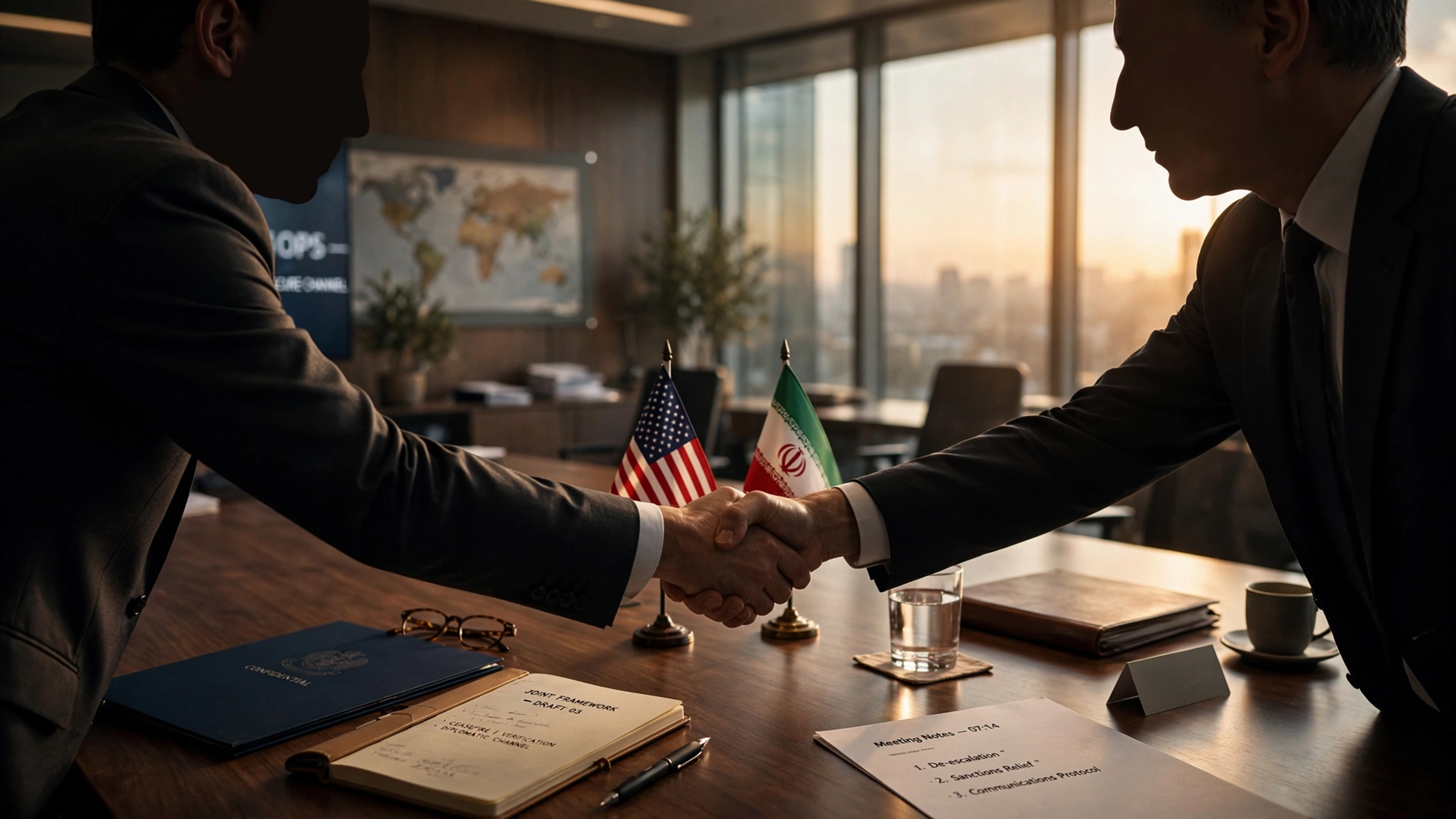
Recent developments have highlighted the fragility of traditional diplomatic channels. Recent BBC coverage has thrust the conflict back into the international spotlight, reporting on claims from U.S. political figures that a peace deal to end the US-Iran war in 2026 is imminent, only for Tehran to issue immediate counter-statements insisting that "nothing is finalized." This whiplash of public assertions and back-channel denials is emblematic of a broader, systemic failure in modern statecraft. When international relations are reduced to televised saber-rattling and unverified claims, the pursuit of genuine peace in the Middle East is fundamentally undermined.
To bypass this geopolitical deadlock and establish permanent global security, we must move away from unilateral military deterrence. Instead, the international community must enforce a phased, structural diplomatic solution that prioritizes humanitarian necessity over political leverage.
For decades, the default strategy for managing the US-Iran conflict has been "maximum pressure," a combination of severe economic sanctions, proxy confrontations, and constant military deterrence. While the stated objective of this strategy is often to force political capitulation or incentivize internal regime change, the structural reality is vastly different and infinitely more devastating.
The Iranian civilian population is paying the ultimate price for this diplomatic stalemate. The strategy of absolute economic isolation has cost the Iranian economy an estimated trillions of dollars over the decades. Consequently, the civilian infrastructure has been heavily degraded. With inflation rates frequently soaring past 40-50%, basic necessities, including life-saving medical supplies and food, have become overwhelmingly difficult for the average citizen to procure.
Furthermore, military posturing rarely achieves its intended goal of weakening a regime's domestic control. In many instances, the looming threat of foreign intervention provides a convenient pretext for authorities to consolidate power and deflect from internal economic dysfunctions. As human rights experts and advocates have noted in testimonies regarding U.S. foreign policy:
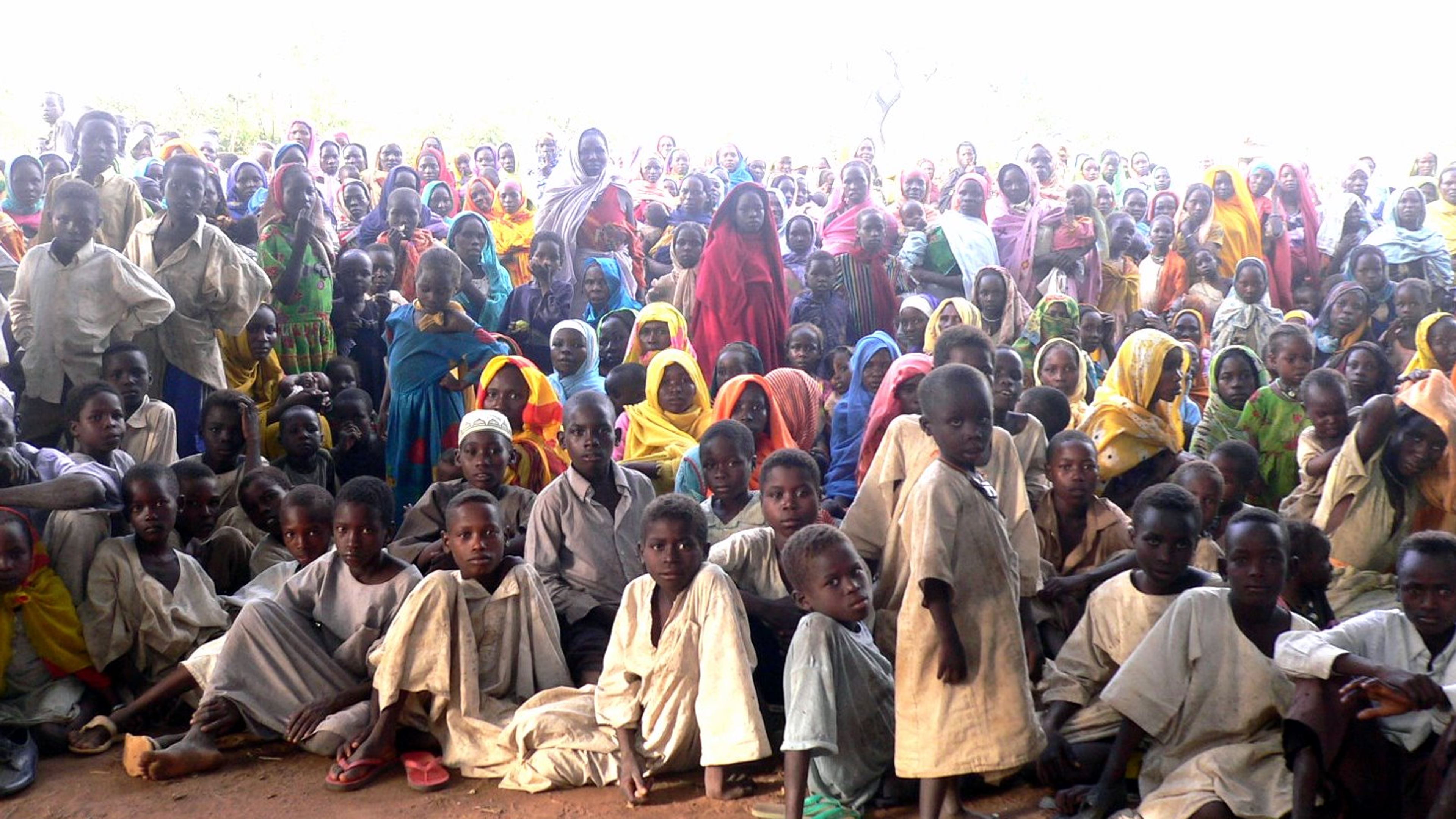
Sudan is facing the world’s worst humanitarian disaster. A devastating civil war has displaced over 11 million people, left 28 million facing acute hunger, and triggered an unprecedented wave of sexual violence used systematically as a weapon of war. Uncover the strategic crisis in El-Obeid, the harrowing UN reports, and how global citizens can take immediate action to demand international accountability and support peaceful resolutions.
Pledge4Peace.org
June 26, 2026
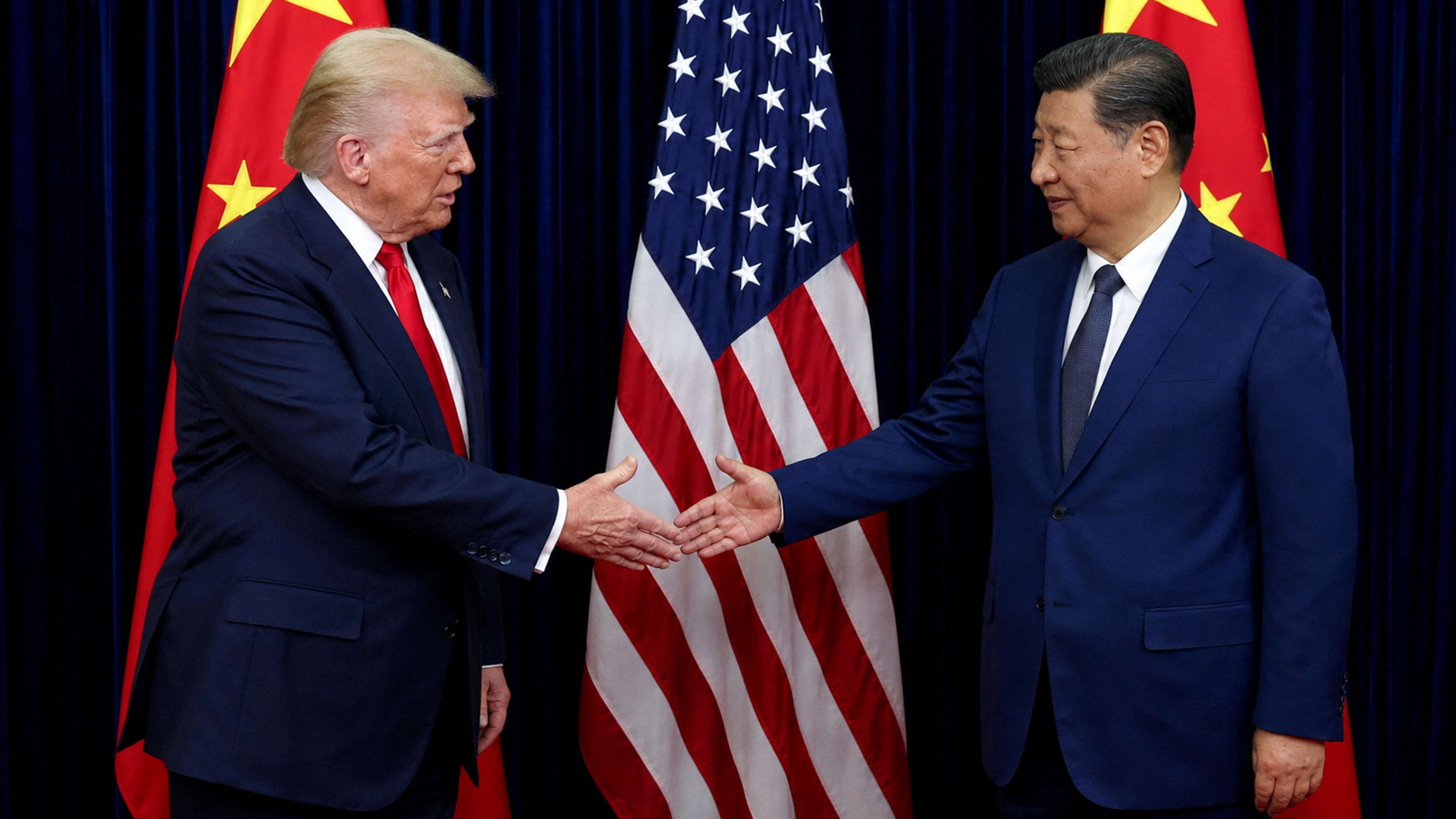
Durante la muy esperada Cumbre de Pekín de mayo de 2026, el presidente de Estados Unidos, Donald Trump, hizo un llamado directo al presidente chino Xi Jinping: utilizar la enorme influencia económica y política de Pekín sobre Moscú para forzar el fin de la guerra de cinco años en Ucrania. Pero, ¿es posible una paz mediada por China?
To achieve sustainable peace, future frameworks must definitively separate political leverage from humanitarian necessity. A diplomatic solution must ensure that civilian populations are protected and never weaponized during international standoffs.
When traditional political channels fail, we must look to those who understand the mechanics of international law and de-escalation.
Recently, international diplomats convened to address these exact structural failures. The consensus was absolute: the current trajectory is unsustainable, but a clear, actionable off-ramp exists.
During this summit, experts dismantled the myth that military deterrence creates stability, outlining instead a required shift toward collective maritime security in the Persian Gulf and a phased return to international compliance instead.
As outlined by the experts at the summit, diplomatic gridlock frequently occurs when nations attempt to resolve decades of historical grievances in a single, overarching treaty. This "all-or-nothing" approach is practically designed to fail. A much more pragmatic strategy involves phased, step-by-step negotiation:
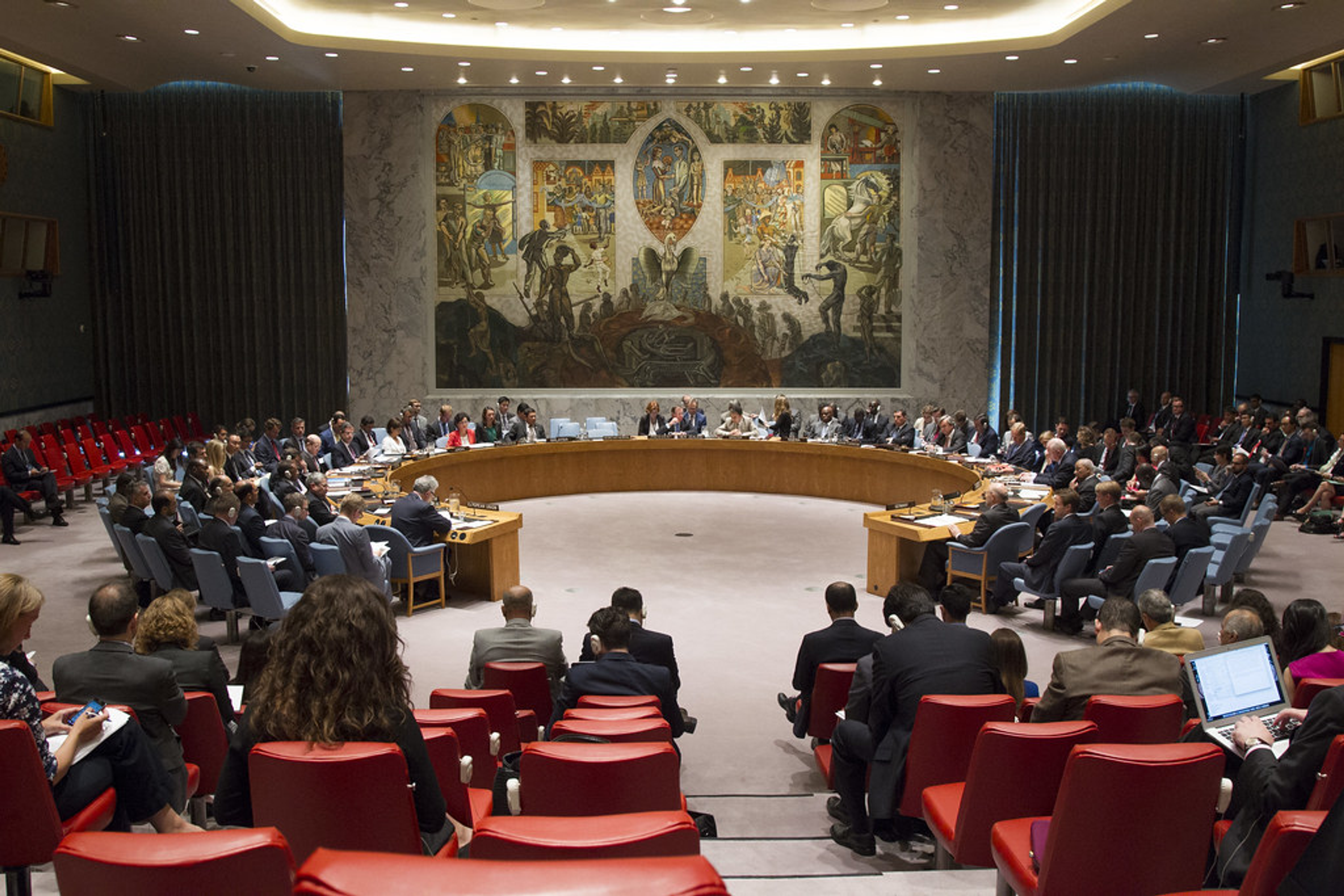
Perhaps the most critical structural issue contributing to the ongoing US-Iran conflict is the gradual erosion of consistent, equitable international law. A growing frustration among global citizens is that world powers often selectively enforce United Nations resolutions based on political convenience.
Permanent global stability is fundamentally impossible without equitable justice between states. The selective application of international law must end; borders must be respected, and diplomatic dialogue must always supersede the threat of preemptive warfare.
We are standing at a critical juncture in the 2026 US-Iran crisis. When politicians stall over unfinalized deals while civilians suffer the realities of economic warfare, it becomes the undeniable responsibility of global citizens to intervene.
At Pledge4Peace, we are aggregating a global citizen mandate to deliver directly to the United Nations, the U.S. State Department, and international envoys. This mandate demands the immediate implementation of some of the diplomatic solutions discussed at our recent summit.
Take 60 seconds right now to step off the sidelines, stand up for humanitarian dignity, and force a resolution today.
Pledge4Peace.org
June 4, 2026