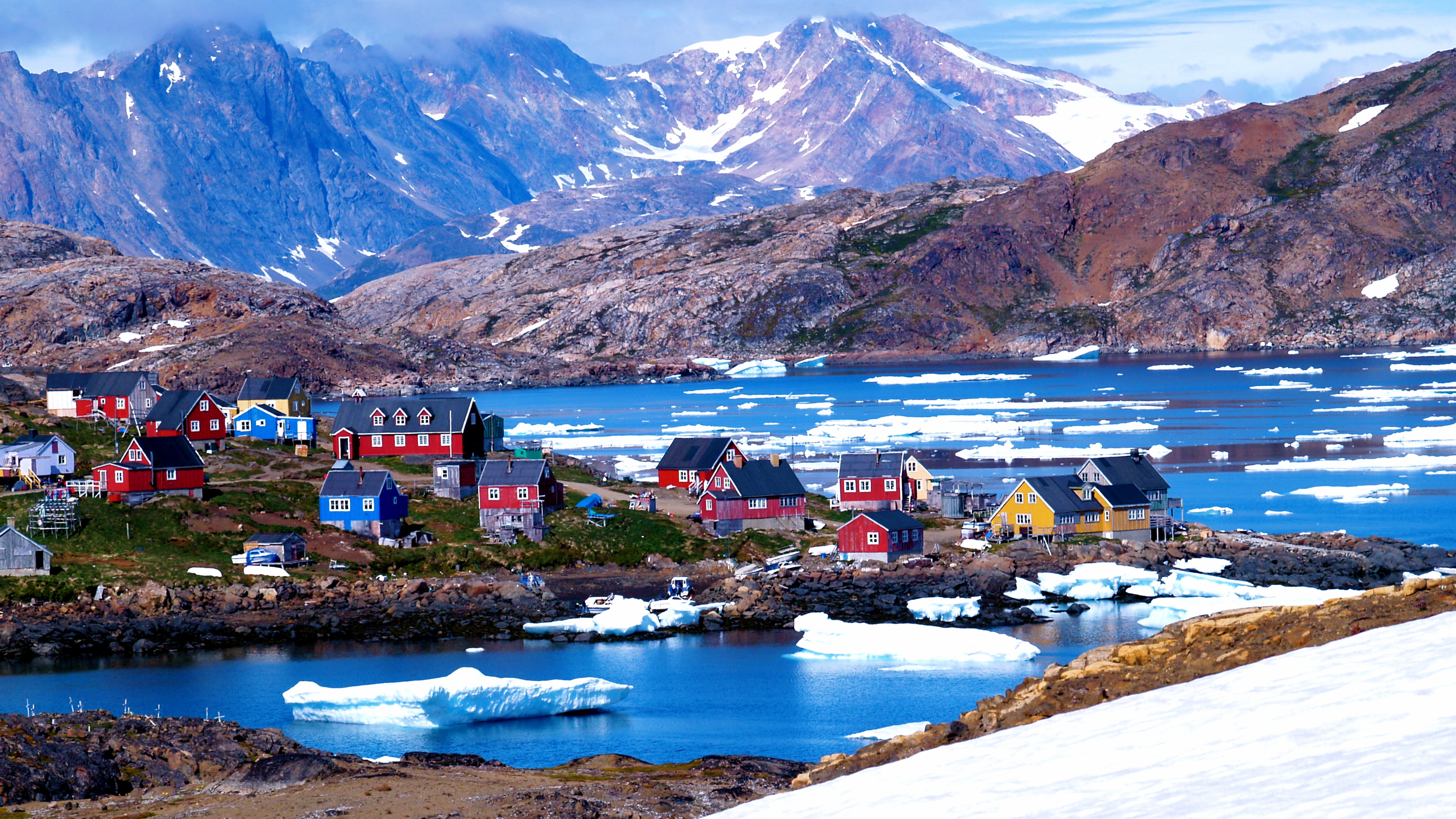

As of January 26, 2026, Greenland finds itself at the center of a rapidly intensifying global struggle that blends trade power, military strategy, climate change, and unresolved questions of sovereignty. What once appeared to be a remote Arctic territory is now a strategic focal point for Europe, the United States, and other global actors navigating a shifting world order.
At the heart of this tension lies Europe’s so-called “bazooka trade” strategy, a term increasingly used to describe the European Union’s willingness to deploy powerful economic countermeasures against perceived geopolitical threats. While not aimed at Greenland directly, this trade posture intersects with Arctic security concerns, U.S. ambitions, and the growing scramble for resources exposed by climate change.
Understanding what is happening requires unpacking three interconnected developments: Europe’s evolving trade doctrine, renewed U.S. interest in Greenland, and the implications for Greenlandic self-determination.
The “bazooka trade” refers to the European Union’s strengthened trade defense tools, particularly the Anti-Coercion Instrument (ACI), formally adopted in late 2023 and increasingly discussed in 2024–2026 policy debates. The ACI allows the EU to retaliate against countries that use economic pressure to influence political decisions of EU member states or partners.
According to the European Commission, the instrument enables countermeasures such as tariffs, restrictions on services, investment limits, or access to EU markets when coercion is detected. While designed to deter economic bullying, critics warn it risks escalating economic conflicts into broader geopolitical standoffs.
This matters for Greenland because the Arctic is becoming a key arena where trade, security, and diplomacy overlap. Greenland’s strategic importance places it indirectly within Europe’s security calculus, especially as the EU seeks to secure critical supply chains and reduce dependency on external powers for rare earth minerals and energy resources.
Greenland is the world’s largest island, home to approximately 56,000 people, most of whom are Inuit Greenlanders. Though it governs itself through its parliament, Inatsisartut, Greenland remains part of the Kingdom of Denmark, which controls defense and foreign policy.
Climate change has dramatically altered Greenland’s geopolitical relevance. Melting ice is opening new shipping routes across the Arctic, shortening transit times between Europe, Asia, and North America. At the same time, Greenland holds significant deposits of rare earth elements, uranium, and other critical minerals essential for renewable energy technologies, defense systems, and advanced manufacturing.
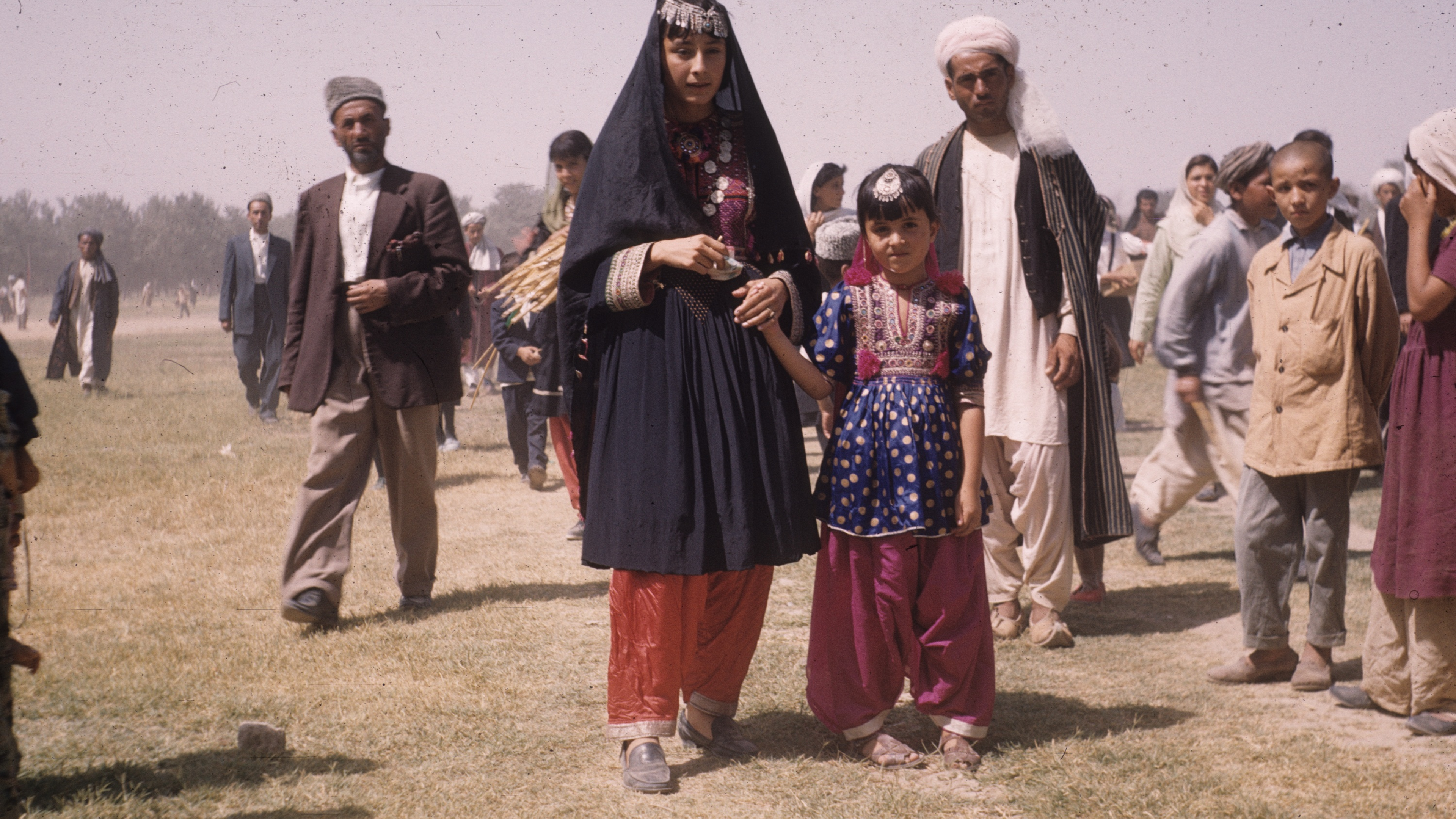
Dans les villages reculés d’Afghanistan, les Maisons de santé familiale dirigées par les communautés offrent des soins vitaux aux mères et aux enfants. Malgré de sévères restrictions et la dégradation du système de santé, les femmes afghanes, qui travaillent comme sages-femmes communautaires, utilisent des outils numériques et des cliniques locales pour garantir des accouchements sûrs. Cet article met en lumière le travail essentiel de l’UNFPA, de l’AADA et de la Maternity Foundation pour soutenir et autonomiser ces travailleuses de première ligne, et explique comment la communauté internationale peut contribuer à leur mission.
Pledge4Peace.org
September 23, 2026
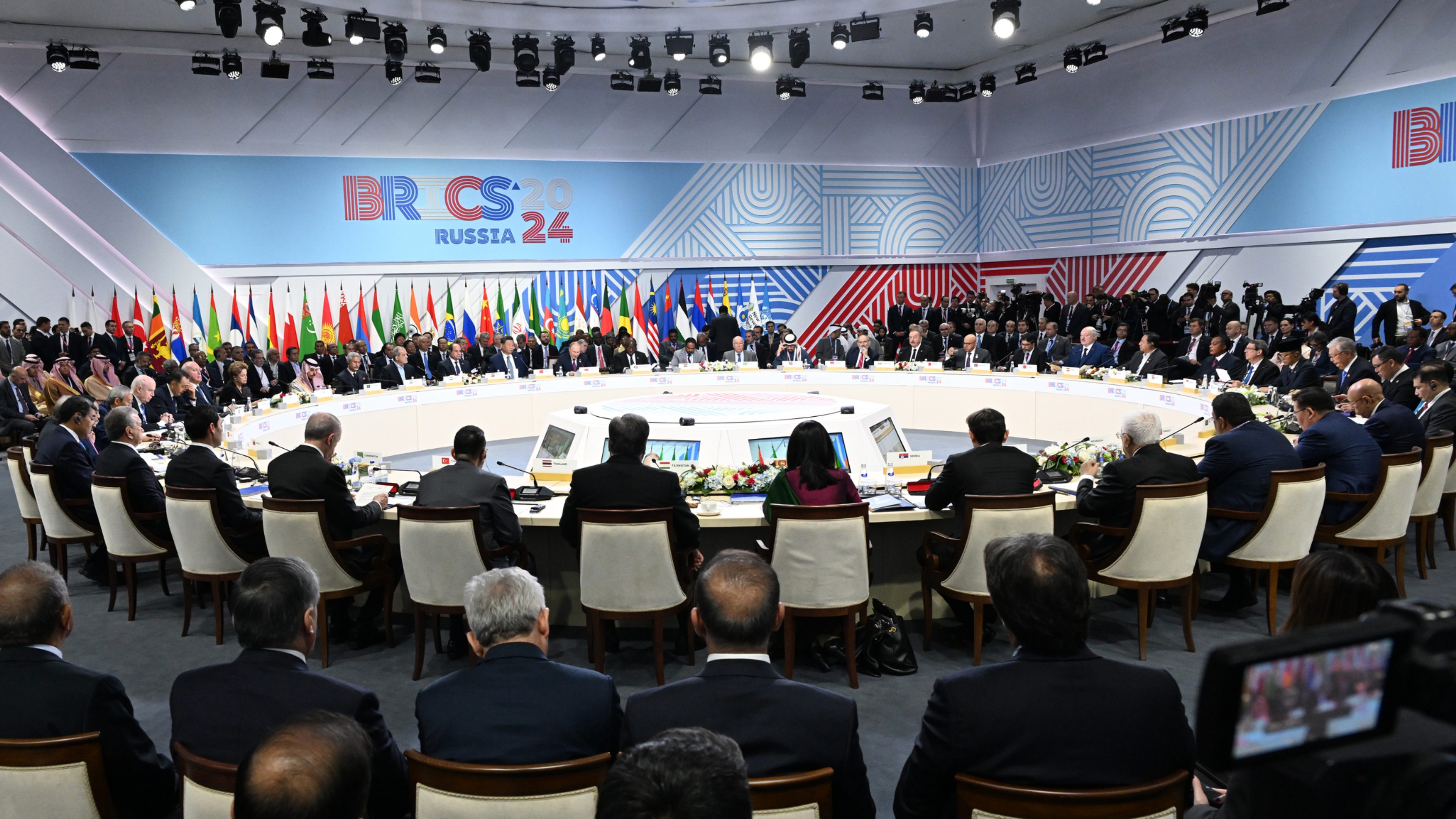
Alors que le 18ᵉ Sommet des BRICS s’ouvre à New Delhi, les dirigeants du bloc élargi de 10 pays sont confrontés à la tâche considérable de répondre à l’instabilité mondiale, notamment au conflit croissant entre les États-Unis et l’Iran. Dans le contexte de négociations diplomatiques à forts enjeux, Pledge4Peace appelle les citoyens à exiger des solutions pacifiques.
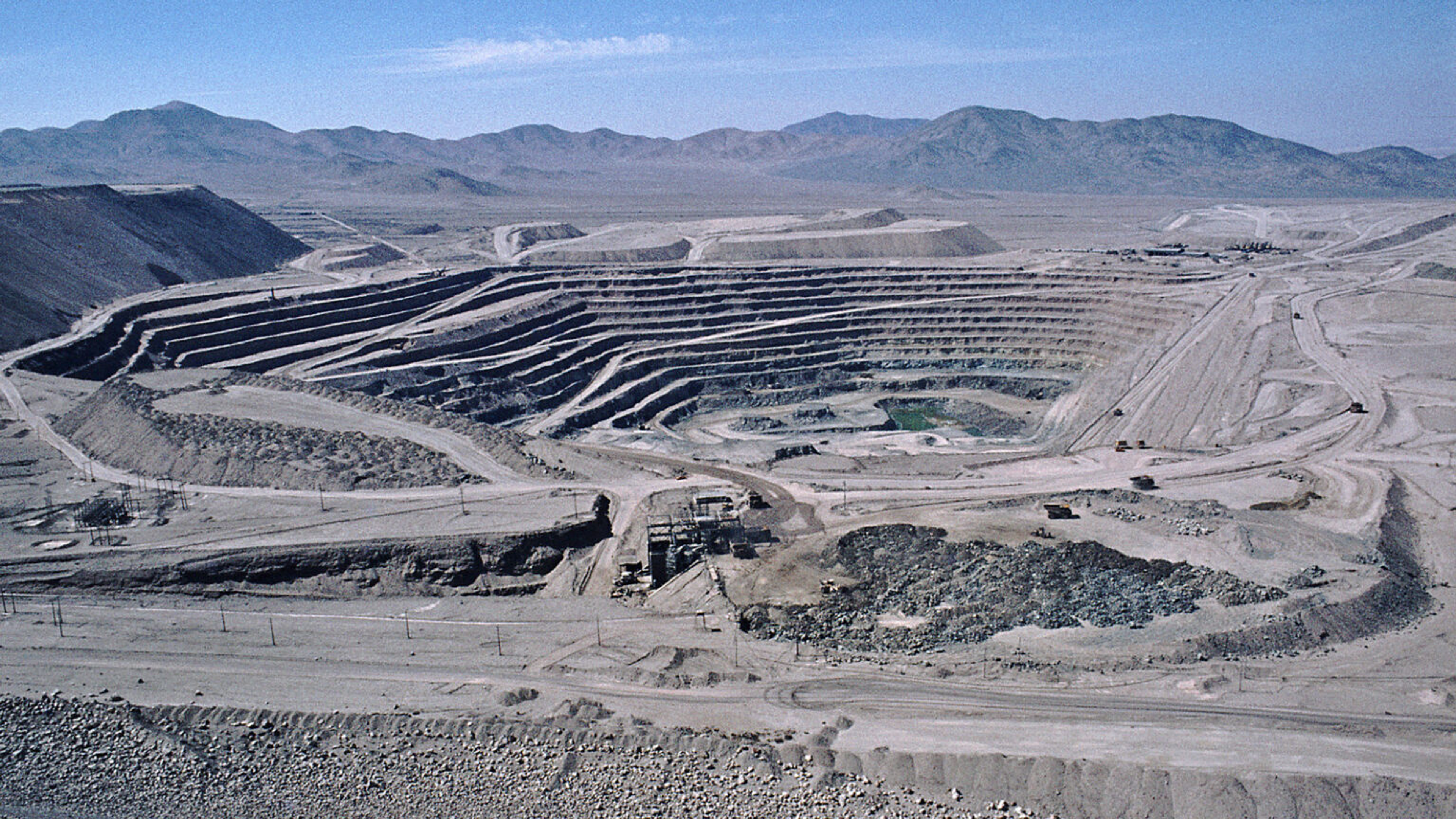
The U.S. Geological Survey has repeatedly identified Greenland as a potential future supplier of minerals critical to global energy transitions. These resources, combined with Greenland’s location between North America and Europe, make it strategically valuable to military planners and policymakers alike.
U.S. interest in Greenland is not new. In 2019, then-President Donald Trump openly suggested purchasing Greenland, a proposal rejected by Greenlandic and Danish leaders as disrespectful to sovereignty. Since returning to the political forefront, Trump has revived rhetoric framing Greenland primarily as a strategic asset necessary for U.S. national security.
Although no formal annexation efforts exist, U.S. policy has increasingly emphasized expanding military presence and influence in the Arctic. The United States maintains Pituffik Space Base (formerly Thule Air Base) in Greenland, a critical installation for missile defense and space surveillance.
Greenlandic leaders have repeatedly stated that while cooperation is welcome, decisions about land, resources, and governance must be made by Greenlanders themselves. The concern is not a single action, but the normalization of treating Greenland as a negotiable object rather than a self-governing society with political agency.
Europe’s interest in Greenland is primarily economic and environmental, but it carries risks. The EU has sought partnerships to secure access to critical minerals while advancing climate goals. However, Greenland has previously halted mining projects due to environmental and public health concerns, including a high-profile ban on uranium mining in 2021.
The danger lies in pressure. As Europe deploys stronger trade instruments and strategic autonomy policies, Greenland risks becoming caught between competing powers seeking leverage rather than consent.
International law is clear. Under the United Nations Charter and UN Declaration on the Rights of Indigenous Peoples, Greenland’s people have the right to self-determination and control over their natural resources. Any attempt to influence Greenland’s political choices through economic or security pressure undermines these principles.
To date, Greenland has resisted external pressure by reinforcing its autonomy through Inatsisartut, rejecting extractive projects without public consent, and emphasizing diplomacy over alignment with any single power bloc.
Denmark has publicly affirmed that Greenland is not for sale and that any future status decisions belong to Greenlanders. The EU has stopped short of coercive engagement, but policy analysts warn that trade instruments designed for state-to-state disputes could have unintended consequences in the Arctic.
Meanwhile, global military activity in the Arctic has increased, demonstrated by NATO exercises, expanded U.S. surveillance capabilities, and heightened rhetoric around Arctic security.
Civilians play a critical role in shaping outcomes before conflicts escalate. Awareness is the first step. Understanding that Greenland’s situation is not abstract geopolitics but a real question of land rights, environmental protection, and democratic consent changes how governments respond to public pressure.
Supporting Indigenous voices, amplifying Greenlandic leadership statements, and resisting narratives that frame Greenland as “unused land” are essential. History shows that sovereignty erodes when silence allows power politics to proceed unchecked.
Most importantly, civilians can engage in peaceful, democratic action that signals global expectations. Platforms that aggregate citizen voices and solutions provide a counterweight to closed-door negotiations dominated by strategic interests.
Protecting Greenland’s sovereignty does not require confrontation. It requires adherence to international law, respect for Indigenous governance, and restraint in the use of economic or military power.
Europe’s trade “bazooka” and U.S. strategic ambitions illustrate a broader challenge facing the world: whether power will be exercised through coercion or cooperation.
Greenland’s future should not be decided by who has the strongest economy or military, but by the people who live there.
Peace begins when sovereignty is respected before it is threatened.
Global citizens are already calling for peaceful, lawful solutions that protect Greenland’s sovereignty, lands, and people.
You can add your voice by voting on solutions in the Protect Greenland’s Sovereignty campaign.
Your participation helps ensure Greenland remains a place of self-determination, peace, and dignity, not a bargaining chip in global power struggles.
Pledge4Peace.org
September 18, 2026