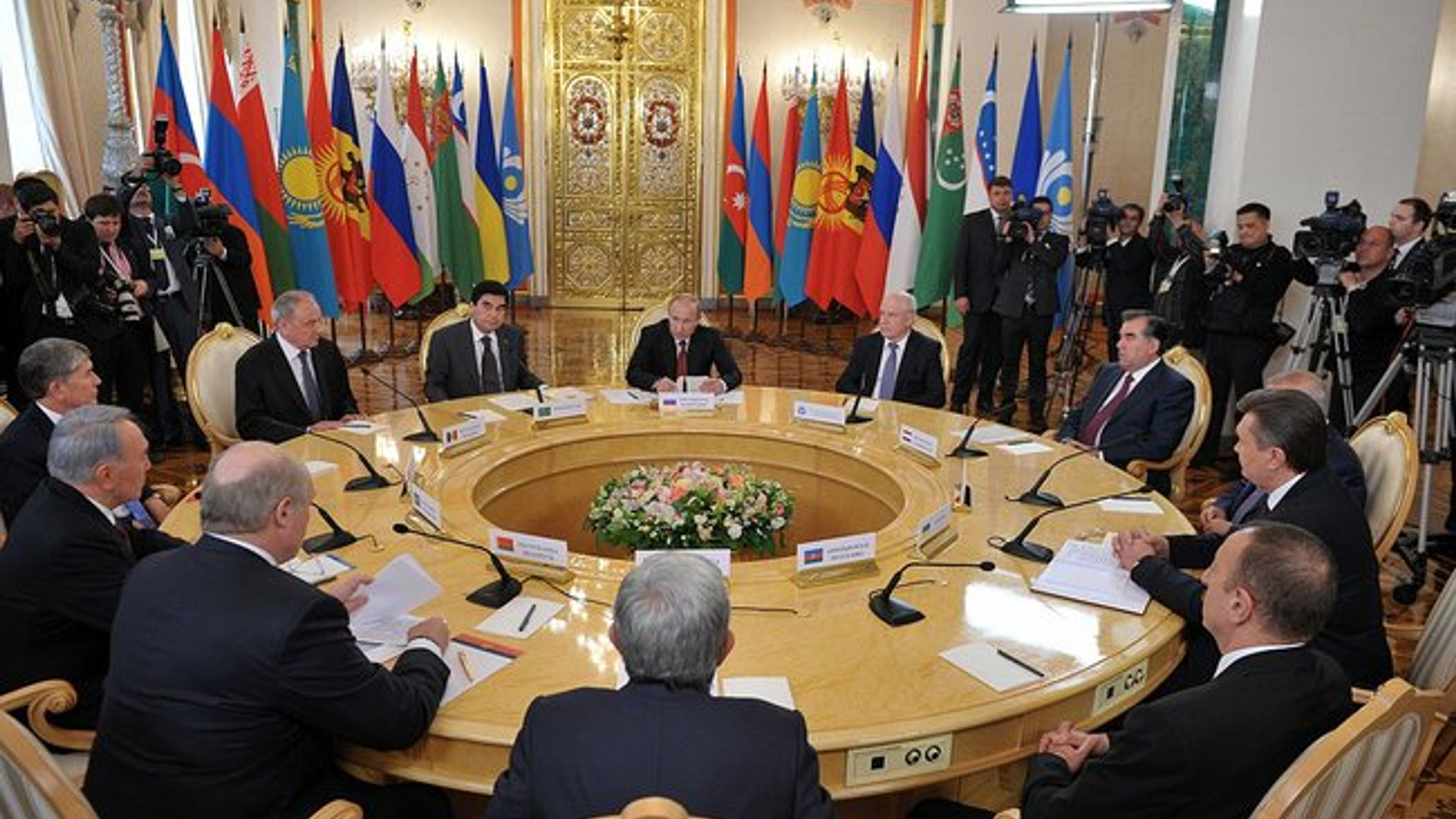

Global political systems are entering a new phase. For decades, international relations were largely shaped by a concentrated global order supported by multilateral institutions and a small number of dominant powers. That structure is now evolving.
Power is becoming more distributed. Countries outside traditional power centers are gaining economic and political influence. Regional blocs are playing a stronger role. At the same time, coordination across countries is becoming more complex.
This shift is not a collapse of the global system. It is a transition. The key issue is whether global institutions and actors can adapt fast enough to maintain stability, cooperation, and peace.
The movement toward a multipolar world is one of the clearest indicators of this transition. China now represents close to 18 percent of global GDP, while India is projected by the International Monetary Fund to become the third-largest economy within the next decade. Emerging and developing economies together account for more than 40 percent of global output in purchasing power terms. These changes are reshaping how influence is distributed.
As power becomes more balanced across regions, decision-making becomes more complex. Agreements require broader consensus. Alliances shift more frequently. Negotiations involve more actors with competing priorities.
At the same time, international institutions are facing increasing strain. The United Nations remains central to global diplomacy, yet its Security Council has struggled to respond decisively to major conflicts due to structural limitations such as veto power. The World Trade Organization has also faced challenges, particularly with its dispute settlement system, which has been partially inactive since 2019.
These institutions continue to function, but they are under pressure to evolve. Their effectiveness depends on their ability to respond to faster-moving and more complex global dynamics.
Economic fragmentation is adding another layer of complexity. According to the International Monetary Fund, the number of trade restrictions introduced globally has increased significantly since 2019. Supply chains are being restructured to reduce dependency on single regions. Governments are prioritizing national resilience while maintaining selective global engagement.
The World Bank has warned that increasing fragmentation could slow economic growth and reduce global cooperation. These shifts affect businesses, investment flows, and long-term development.
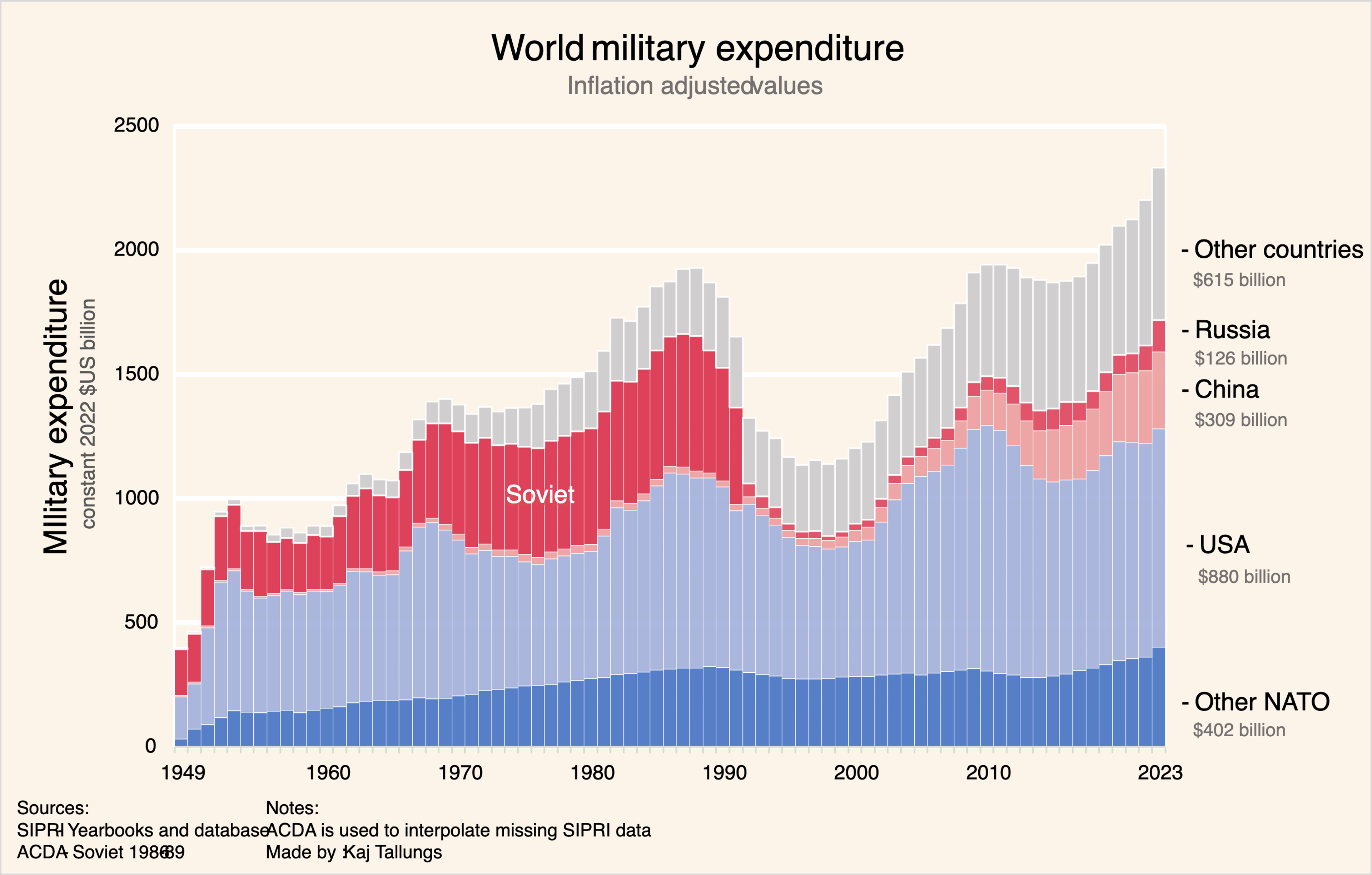
Rising geopolitical tension is also reflected in military spending. The Stockholm International Peace Research Institute reports that global military expenditure reached approximately $2.44 trillion in 2023, the highest level ever recorded. This increase reflects growing concerns about security and competition between major powers.
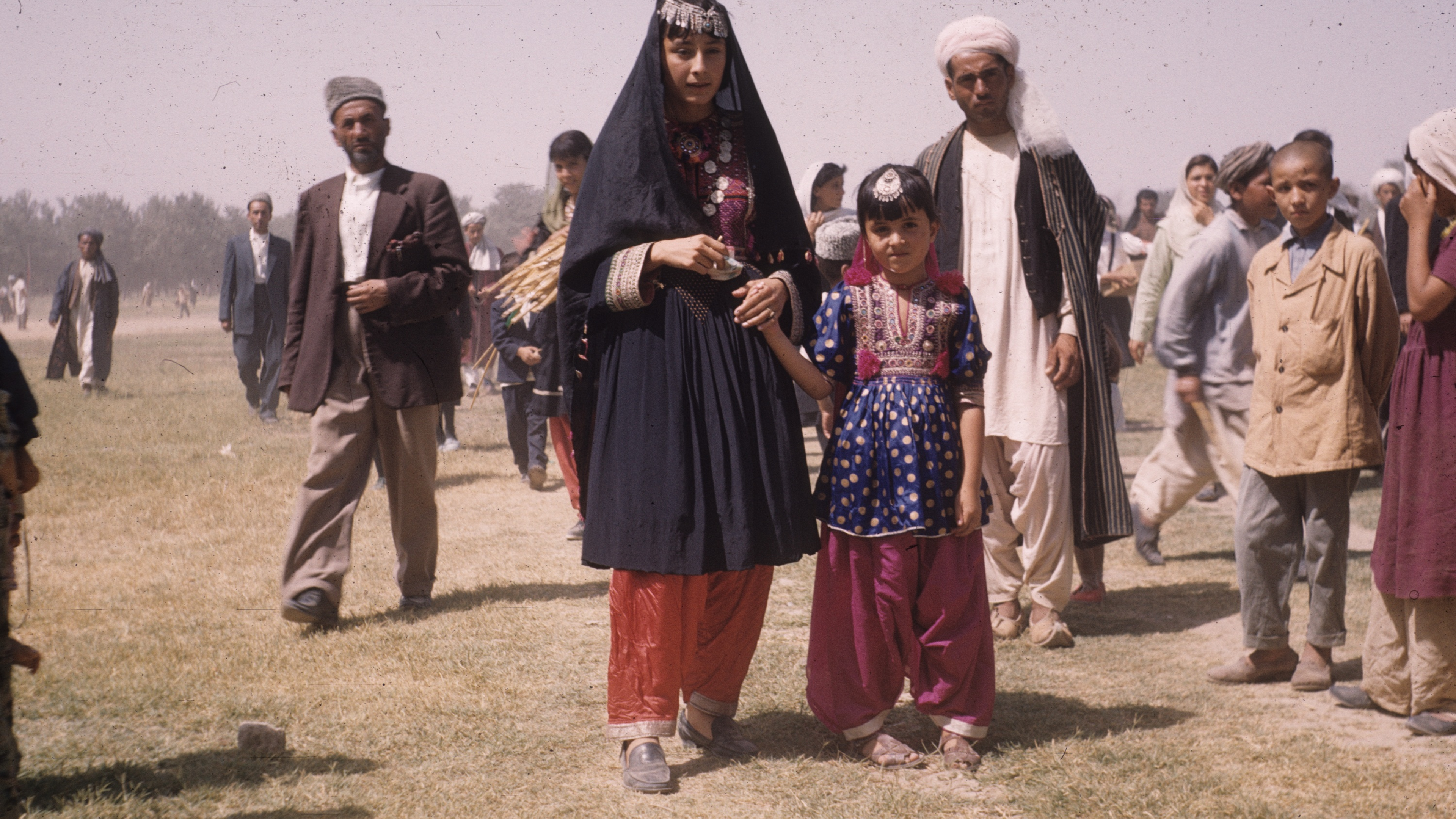
Dans les villages reculés d’Afghanistan, les Maisons de santé familiale dirigées par les communautés offrent des soins vitaux aux mères et aux enfants. Malgré de sévères restrictions et la dégradation du système de santé, les femmes afghanes, qui travaillent comme sages-femmes communautaires, utilisent des outils numériques et des cliniques locales pour garantir des accouchements sûrs. Cet article met en lumière le travail essentiel de l’UNFPA, de l’AADA et de la Maternity Foundation pour soutenir et autonomiser ces travailleuses de première ligne, et explique comment la communauté internationale peut contribuer à leur mission.
Pledge4Peace.org
September 23, 2026
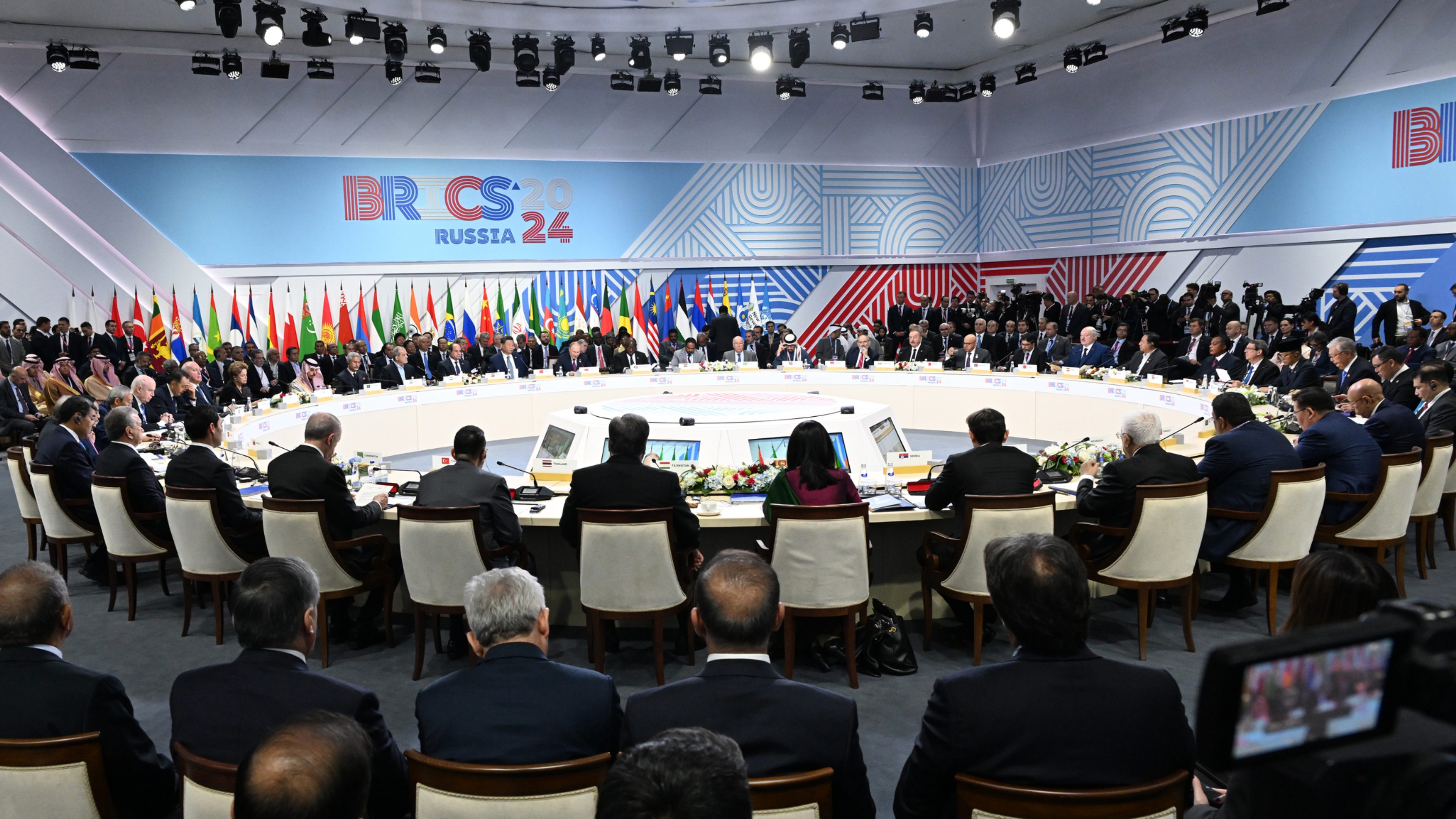
Alors que le 18ᵉ Sommet des BRICS s’ouvre à New Delhi, les dirigeants du bloc élargi de 10 pays sont confrontés à la tâche considérable de répondre à l’instabilité mondiale, notamment au conflit croissant entre les États-Unis et l’Iran. Dans le contexte de négociations diplomatiques à forts enjeux, Pledge4Peace appelle les citoyens à exiger des solutions pacifiques.
These global changes are not abstract. They directly affect people. Economic fragmentation influences prices, employment, and access to goods. Political instability affects security, migration, and access to basic services. According to the United Nations High Commissioner for Refugees, more than 114 million people were forcibly displaced worldwide in 2023, largely due to conflict and instability.
This transition also has global implications. Challenges such as climate change, public health crises, and financial instability require coordinated responses. A fragmented system makes these responses more difficult. At the same time, a more distributed system can create opportunities for broader participation if managed effectively.
Understanding how this transition will be managed requires clear answers from key stakeholders. International institutions, major powers, financial organizations, regional bodies, and civil society all play a role in shaping outcomes. Their strategies, timelines, and levels of accountability will determine whether this shift leads to greater stability or increased risk.
Adapting to these changes requires practical solutions. In the short term, stronger diplomatic engagement and improved coordination within existing institutions are necessary to manage immediate risks. In the long term, structural reforms are needed to reflect current global realities. This includes more inclusive decision-making processes, stronger accountability mechanisms, and sustained investment in economic resilience and sustainable development.
Existing institutions continue to provide a foundation for cooperation. The United Nations supports peacekeeping and diplomatic efforts. The International Monetary Fund and World Bank provide financial stability and policy guidance. Regional organizations manage local dynamics. Civil society organizations monitor and report on governance and human rights.
These systems remain essential. Their effectiveness will depend on how they adapt to current conditions.
Our goal is to track future updates about policy developments, institutional reforms, and measurable progress toward stability and cooperation. This process will remain ongoing as new information becomes available.
Stay informed and follow this story as it develops. Subscribe to receive updates on stakeholder responses and global developments.
Vote on global peace and cooperation initiatives: https://www.pledge4peace.org/campaigns/
Global systems are being tested. The direction they take will depend on cooperation, accountability, and participation. Peace requires stronger systems, not abandonment of them.
Pledge4Peace.org
September 18, 2026