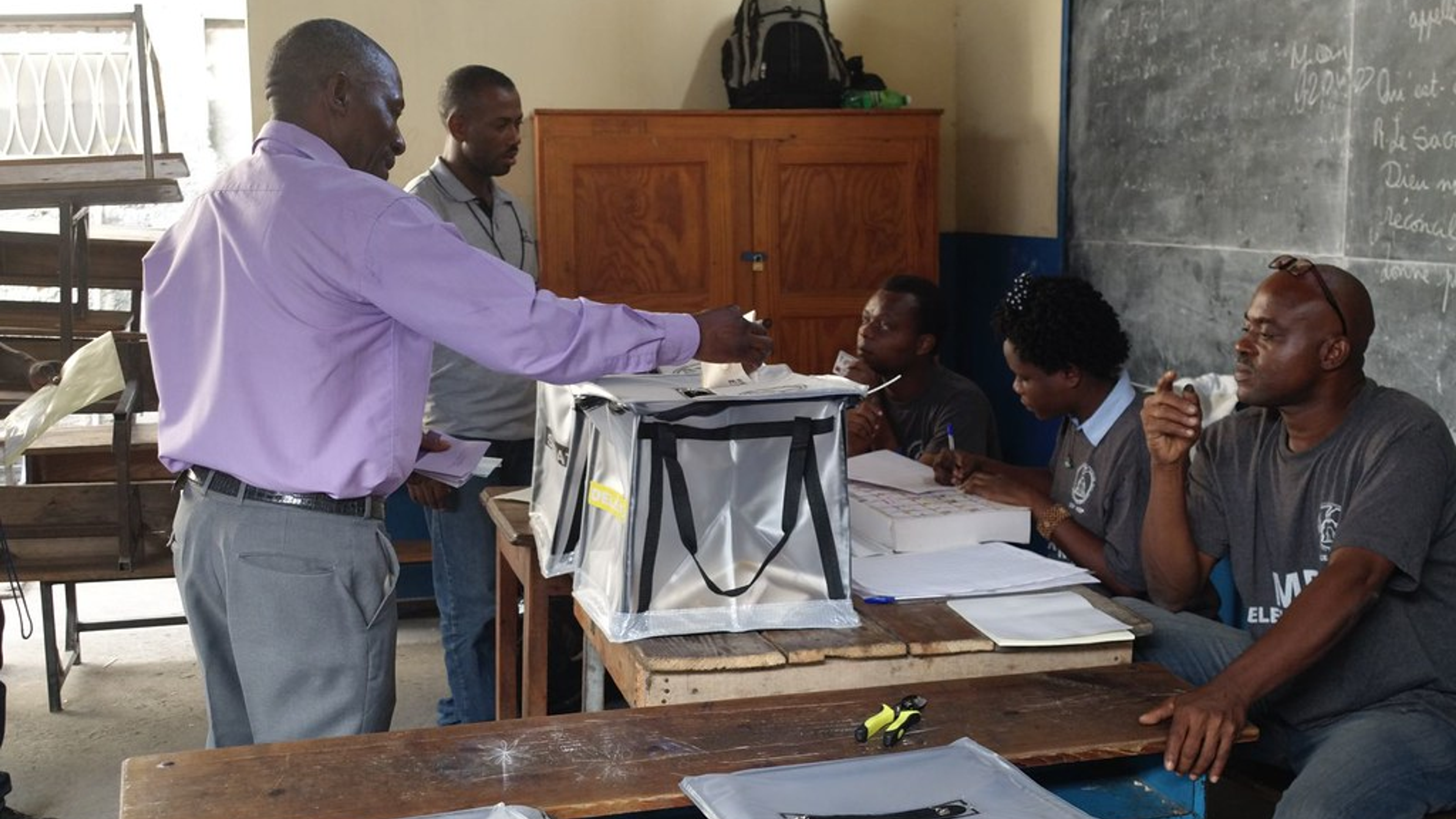

Haiti is approaching one of the most significant political moments in its modern history. After nearly a decade without national elections, the country is preparing to hold comprehensive general elections in 2026, a step widely viewed as essential for restoring democratic governance.
The first round of voting is scheduled for August 30, 2026, followed by runoff elections on December 6, 2026 if necessary. These elections will determine leadership across all levels of government, including the presidency, the Senate, the Chamber of Deputies, and municipal offices.
Interest in the process is exceptionally high. By the March 12, 2026 deadline, 280 political parties had registered, the largest number of parties ever participating in a Haitian election.
While the challenges ahead remain significant, this election represents a critical opportunity for Haiti to begin rebuilding democratic institutions and public trust.
Haiti’s path toward elections follows several years of political turmoil and instability.
The situation worsened after the assassination of President Jovenel Moïse in July 2021, which triggered a prolonged governance crisis and deepened existing institutional weaknesses.
Since then, the country has faced escalating gang violence, economic hardship, and widespread insecurity. According to international reporting, armed groups currently control an estimated 90% of Port-au-Prince, the country’s capital.
This security situation presents serious challenges for organizing national elections, particularly voter registration and polling station safety.
Despite these obstacles, Haitian leaders have committed to moving forward with elections as part of a broader effort to restore constitutional governance.
Currently, Prime Minister Alix Didier Fils-Aimé holds executive authority following the dissolution of the Transitional Presidential Council in February 2026. His administration is responsible for guiding the country through the electoral process until a newly elected president can be inaugurated in February 2027.
Free and credible elections are essential for restoring democratic legitimacy.
When citizens can participate in choosing their leaders, it strengthens:
For Haiti, the upcoming vote represents an opportunity to replace transitional governance with democratically elected leadership.
A successful election could also strengthen international partnerships, attract economic investment, and improve coordination between government institutions and civil society organizations working to address security and development challenges.
Restoring democracy in Haiti requires cooperation between national institutions and international partners.
Several organizations are already involved in supporting the electoral process.
The United Nations Integrated Office in Haiti (BINUH) provides political support aimed at strengthening rule of law, democratic governance, and human rights.
The United Nations Development Programme (UNDP) manages the Electoral Basket Fund, which provides technical and financial resources for the Haitian Provisional Electoral Council (CEP) to organize credible elections.
A UN-authorized security initiative known as the Gang Suppression Force (GSF) has also been established to help address gang violence and create safer conditions for voter participation.
The Organization of American States supports the electoral process by providing technical assistance to the Haitian National Police and the National Identification Office, helping ensure citizens can obtain the identification documents required to vote.
The International Foundation for Electoral Systems implements the Haiti Elections Program, offering direct technical assistance to the Provisional Electoral Council to strengthen election administration, transparency, and voter education.
The National Endowment for Democracy works with Haitian civil society organizations to promote inclusive political dialogue and strengthen democratic participation during the transition period.
While international support is essential, the success of Haiti’s elections ultimately depends on national institutions and local civic leadership.
The Provisional Electoral Council is the independent body responsible for organizing and overseeing the elections.
Its responsibilities include managing candidate registration, supervising polling operations, and certifying election results.
Ensuring the independence and transparency of the CEP will be critical for maintaining public trust.
The Observatoire Citoyen de l’Action des Pouvoirs Publics en Haïti is a civil society monitoring organization that promotes government accountability and supports peaceful democratic participation.
In February 2026, prominent Haitian political and business leaders signed the National Pact for Stability, committing to support the electoral calendar and preserve institutional continuity during the transition.
Because international cooperation will play an important role in Haiti’s democratic transition, Pledge4Peace has reached out to several of the organizations involved in supporting the election process.
Our goal is to understand:
We believe transparency and public dialogue are essential for strengthening democratic processes.
As responses are received, we will publish updates to help citizens understand what progress is being made and what challenges remain.
We encourage readers to subscribe to our newsletter to follow these developments and future responses from the organizations involved in Haiti’s democratic transition.
Staying informed allows citizens worldwide to better understand how democratic rebuilding efforts unfold in real time.
While Haiti’s future will ultimately be decided by Haitian voters, global citizens can still play a constructive role in supporting a peaceful transition.
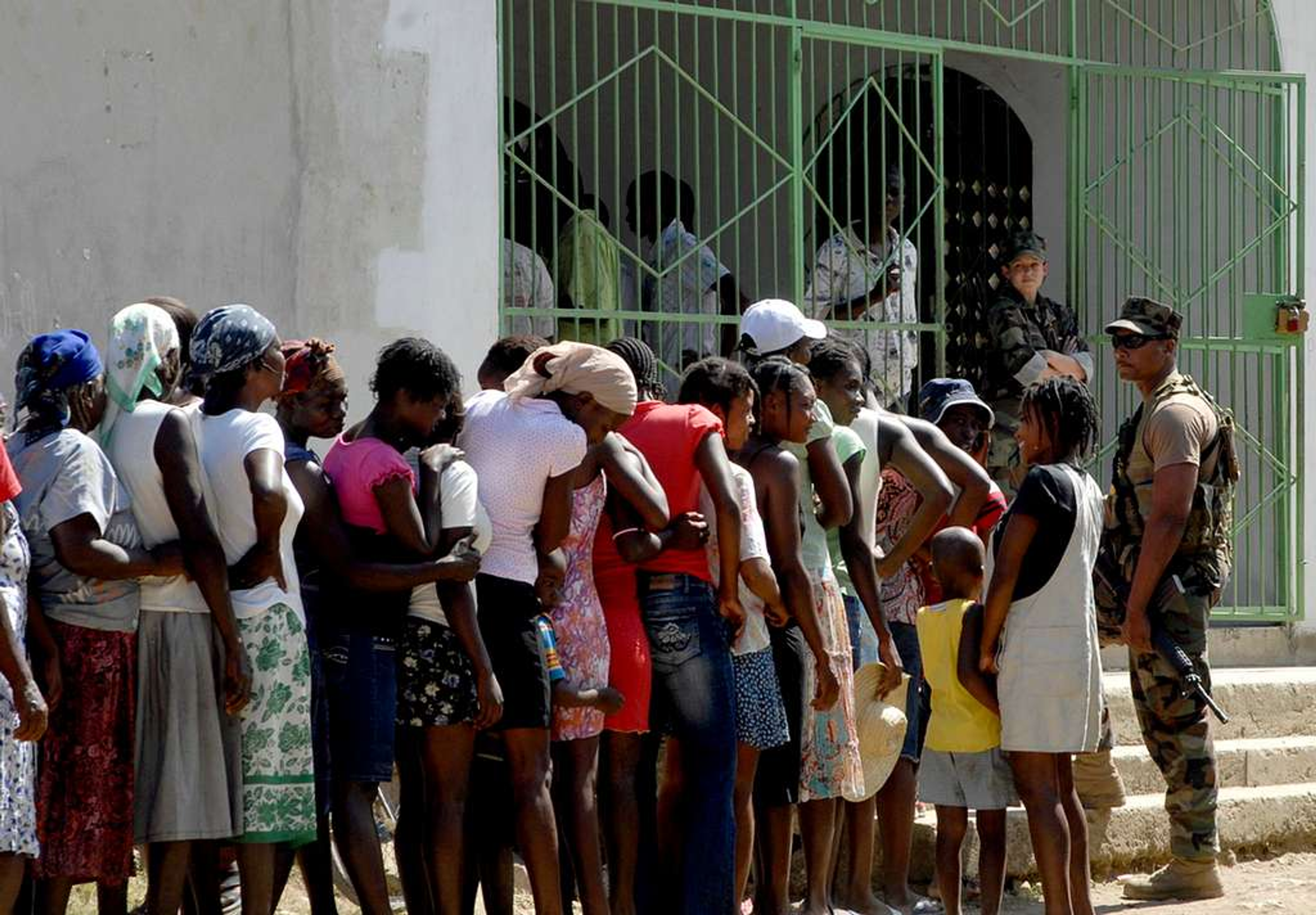
Haiti continues to face a serious humanitarian crisis. International reports indicate that the United Nations Humanitarian Response Plan for Haiti remains significantly underfunded, with roughly 39% of required funding secured in recent assessments.
Supporting humanitarian organizations helps stabilize communities affected by violence and poverty, creating conditions more conducive to democratic participation.
Public awareness can encourage governments and international institutions to maintain support for Haiti’s election preparations, including funding for security assistance and electoral infrastructure.
Organizations working directly with Haitian grassroots leaders help strengthen community resilience and democratic participation.
Supporting civil society initiatives can help ensure that local voices remain central to Haiti’s political future.
Haiti’s 2026 elections represent a critical opportunity to rebuild democratic institutions and restore political legitimacy.
The road ahead remains difficult. Security risks, funding gaps, and political fragmentation continue to challenge the process.
Yet the decision to move forward with elections reflects a shared commitment to resolving political differences through democratic participation rather than violence.
With continued support from Haitian institutions, civil society organizations, and international partners, the upcoming vote could mark an important step toward long-term stability and democratic renewal.
If you believe democratic participation and peaceful governance are essential for global stability, you can help amplify efforts supporting diplomacy and cooperation around the world.
Support peace-centered solutions to global conflicts by voting on our campaigns here: https://pledge4peace.org/campaigns
You can also subscribe to our updates to follow responses from organizations involved in Haiti’s democratic transition and stay informed about what happens next.
Democracy grows stronger when citizens stay informed, engage constructively, and support peaceful political solutions.
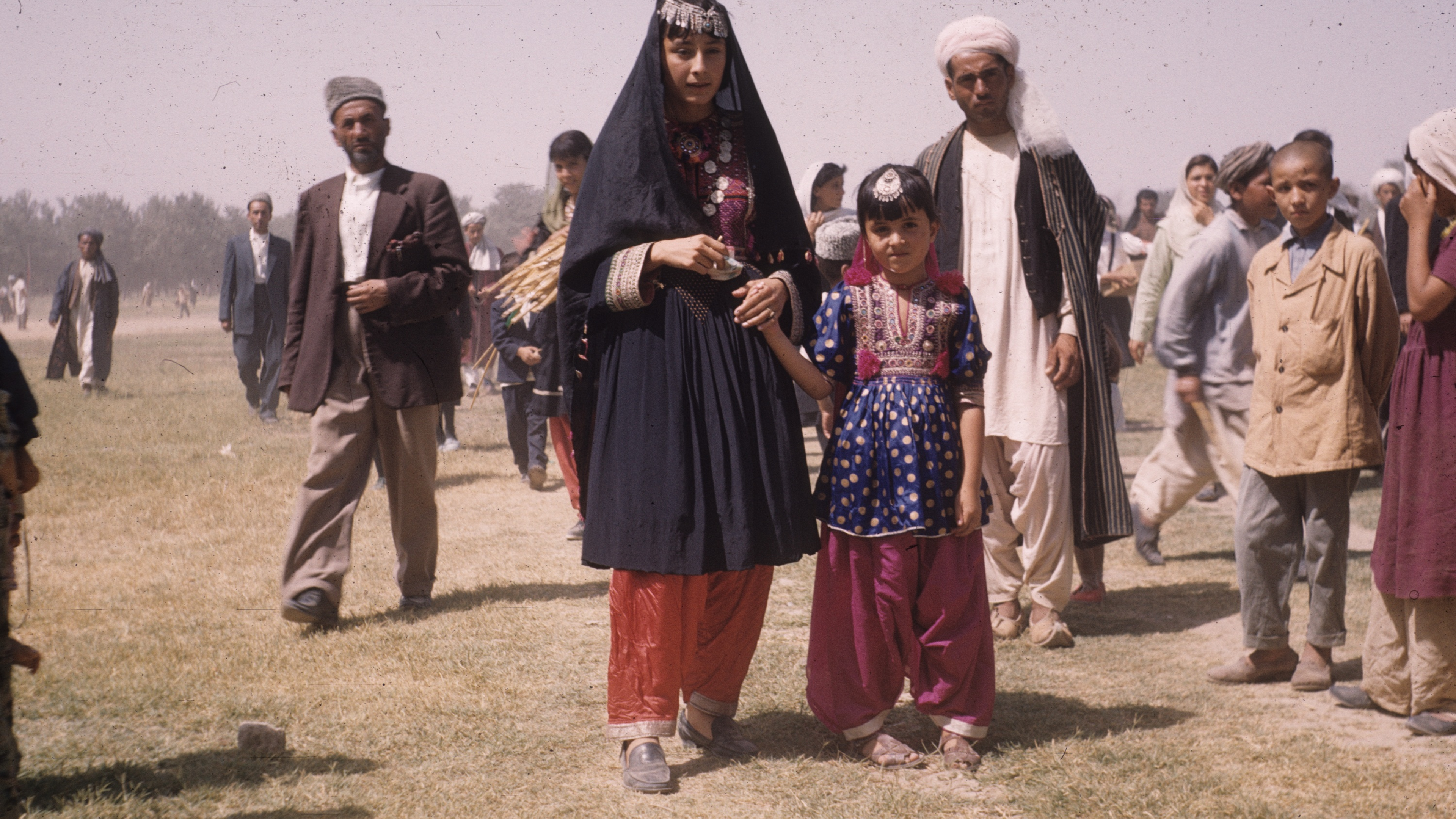
Dans les villages reculés d’Afghanistan, les Maisons de santé familiale dirigées par les communautés offrent des soins vitaux aux mères et aux enfants. Malgré de sévères restrictions et la dégradation du système de santé, les femmes afghanes, qui travaillent comme sages-femmes communautaires, utilisent des outils numériques et des cliniques locales pour garantir des accouchements sûrs. Cet article met en lumière le travail essentiel de l’UNFPA, de l’AADA et de la Maternity Foundation pour soutenir et autonomiser ces travailleuses de première ligne, et explique comment la communauté internationale peut contribuer à leur mission.
Pledge4Peace.org
September 23, 2026
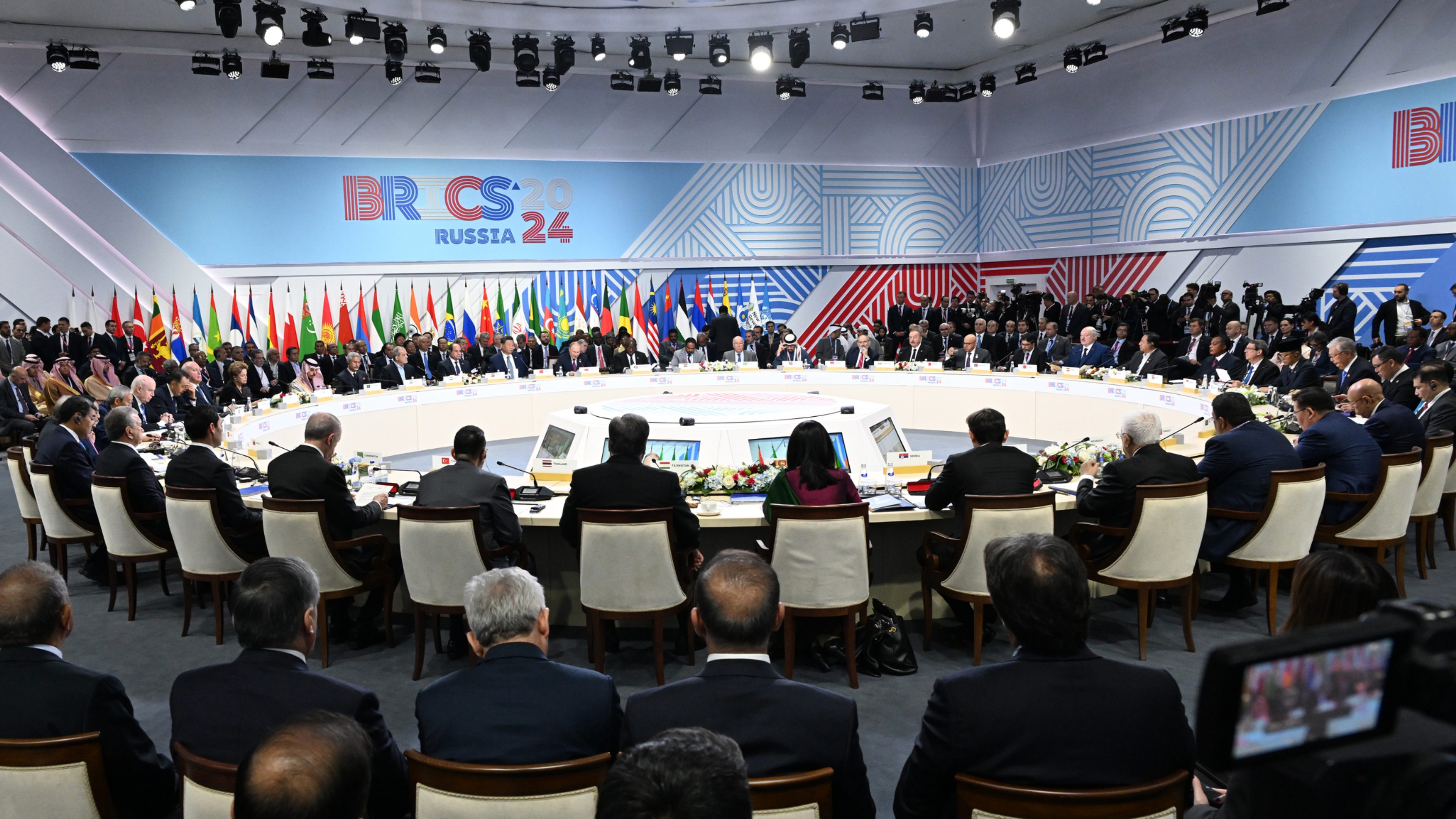
Alors que le 18ᵉ Sommet des BRICS s’ouvre à New Delhi, les dirigeants du bloc élargi de 10 pays sont confrontés à la tâche considérable de répondre à l’instabilité mondiale, notamment au conflit croissant entre les États-Unis et l’Iran. Dans le contexte de négociations diplomatiques à forts enjeux, Pledge4Peace appelle les citoyens à exiger des solutions pacifiques.
Pledge4Peace.org
September 18, 2026

La colère des jeunes à travers l’Asie du Sud a déclenché une importante agitation politique, s’étendant du Sri Lanka au Bangladesh, au Népal et, plus récemment, à l’Inde. En Inde, les manifestations menées par la génération Z du Cockroach Janta Party, nées d’une profonde frustration face à la hausse du chômage et aux fuites d’examens, ont réussi à défier l’establishment au pouvoir, démontrant que la résistance démocratique évolue à l’ère numérique.
Pledge4Peace.org
August 27, 2026
