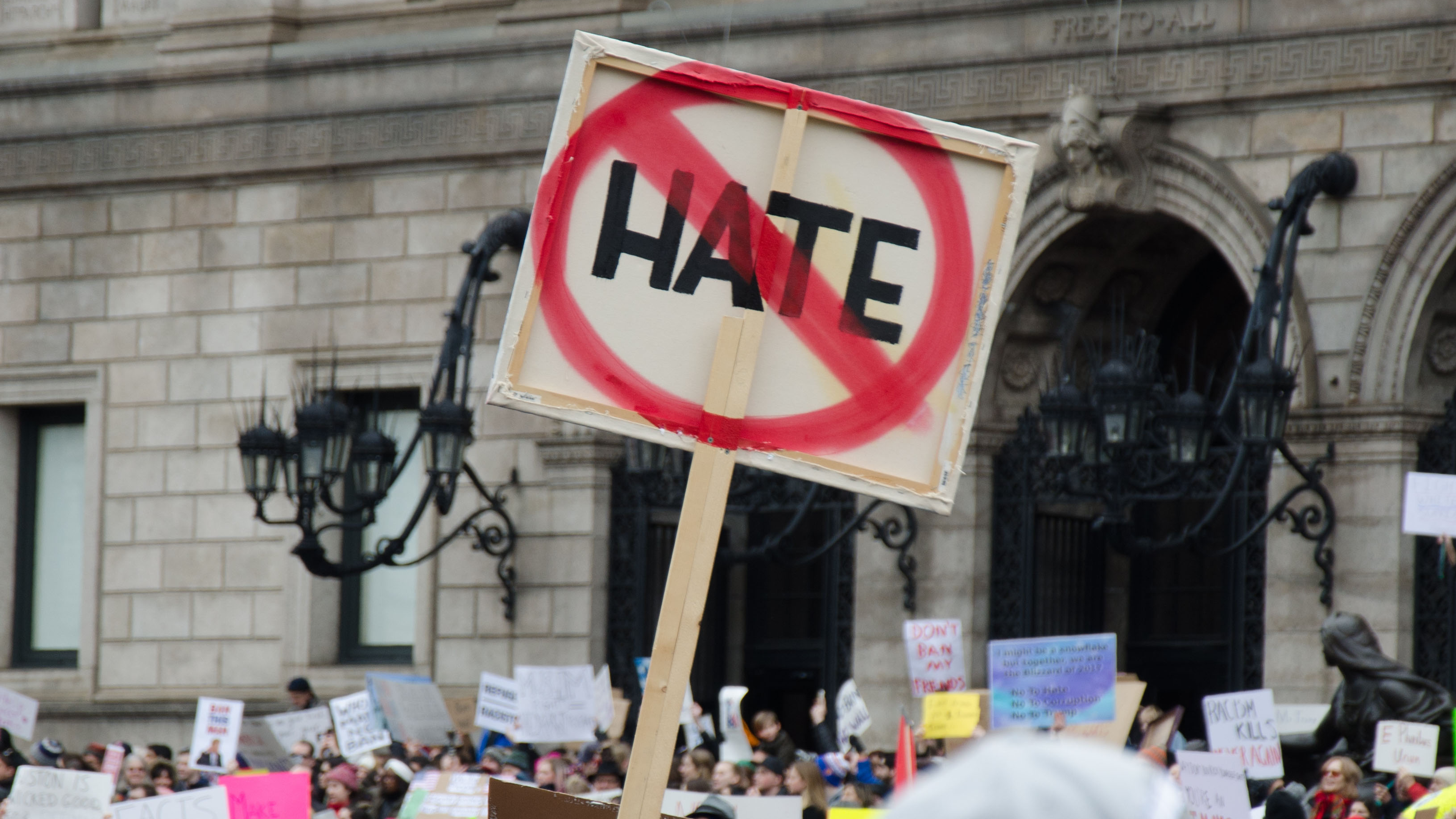

For the first time in more than a decade, a neo-Nazi march took place in Stockholm, Sweden’s capital. The demonstration, organized by far-right white supremacist groups, marks a symbolic return of public extremist mobilization in a country often viewed as a global model for social cohesion, democracy, and human rights.
Swedish police granted permission for the rally under national laws protecting freedom of assembly. The march was held to commemorate the death of a 17-year-old with extremist ties, an event that similar groups marked annually in the early 2000s before such gatherings largely disappeared from public view. According to reporting by Al Jazeera correspondent Nils Adler, the demonstration brought together multiple far-right actors openly opposing multiculturalism and immigration.
While the event remained relatively small and heavily monitored, its reappearance has sparked widespread concern among civil society organizations, minority communities, and democracy advocates. The march raises difficult questions: How should democratic societies protect free expression without legitimizing hate? What does this resurgence indicate about political polarization in Europe? And how can citizens respond without escalating division?
Under Swedish law, police are required to permit demonstrations unless there is an immediate and concrete threat to public safety. Authorities emphasized that allowing the rally did not constitute endorsement of its ideology but reflected legal obligations in a democratic system.
This legal framework mirrors broader European commitments to civil liberties. However, experts warn that extremist groups often exploit these protections strategically, using visibility itself as a recruitment and normalization tool rather than relying on large numbers or mass support.
According to the Swedish Security Service (Säpo), violent extremist environments in Sweden remain numerically small but persistent. In its most recent public threat assessment, Säpo noted that white supremacist networks continue to pose a long-term risk, particularly through online radicalization, propaganda dissemination, and lone-actor violence.
The Stockholm march, therefore, is less about its size and more about its symbolism. Public visibility can embolden extremist actors, signal momentum to sympathizers, and intimidate targeted communities, even without direct violence.
The march in Stockholm does not exist in isolation. Across parts of Europe, far-right movements have sought renewed visibility amid economic uncertainty, migration debates, and geopolitical instability.
According to the European Union Agency for Fundamental Rights, hate crimes and extremist incidents tend to rise during periods of social stress, when misinformation and fear narratives gain traction. While Sweden has historically maintained lower levels of far-right electoral support compared to some neighboring countries, recent years have seen increased polarization around immigration, identity, and national belonging.
Importantly, research from the Institute for Strategic Dialogue shows that extremist groups often frame their messaging around “cultural survival” rather than explicit calls for violence, making their narratives more palatable to a wider audience. Marches like the one in Stockholm frequently rely on coded language opposing multiculturalism while avoiding overtly illegal speech.
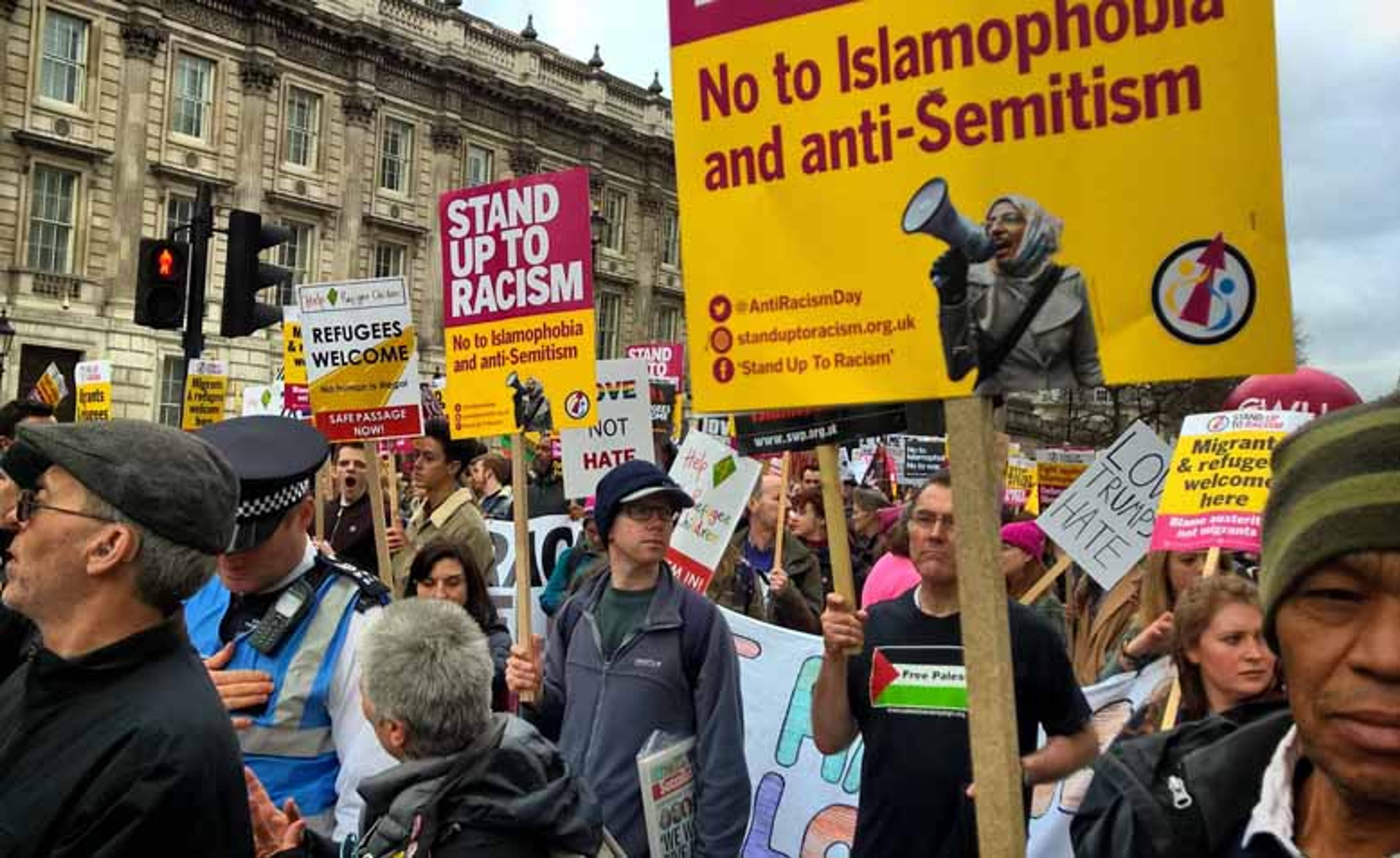
For many residents, especially Jewish, Muslim, immigrant, and minority communities, the march triggered fear and distress. Even when nonviolent, the presence of neo-Nazi symbolism carries historical trauma and signals exclusion.
Studies from the Organisation for Security and Co-operation in Europe (OSCE) indicate that visible extremist demonstrations can increase feelings of insecurity among minority populations and discourage civic participation. This chilling effect undermines democratic inclusion, even when the broader population rejects extremist views.
Community leaders in Sweden have emphasized that combating extremism requires more than policing. Education, mental health support, media literacy, and social cohesion programs are critical to preventing radicalization and protecting social trust.
The Stockholm march reignited a long-standing debate across democracies: how to balance freedom of expression with protection against hate.
Legal scholars widely agree that banning extremist demonstrations outright can sometimes backfire, reinforcing victimhood narratives and pushing movements underground. At the same time, unchecked visibility risks normalization.
Sweden’s approach reflects a broader European consensus: uphold civil liberties while countering extremism through monitoring, education, and civic engagement rather than censorship alone. This model places significant responsibility on citizens, media, and institutions to respond thoughtfully rather than reactively.
Research consistently shows that peaceful, inclusive responses are more effective than confrontation. According to the Global Network on Extremism & Technology, extremist movements lose traction when they are denied emotional amplification, recruitment pathways, and mainstream legitimacy.
Effective countermeasures include:
• Strong democratic institutions
• Transparent law enforcement oversight
• Media coverage that avoids sensationalism
• Education focused on critical thinking and history
• Platforms for civic participation and dialogue
These approaches do not ignore the threat; they reduce its oxygen.
The return of a neo-Nazi march to Stockholm is not evidence of widespread support for extremist ideology. Rather, it is a reminder that democracy requires constant maintenance.
Extremism thrives where fear replaces dialogue and where communities feel unheard or excluded. Preventing escalation depends on early awareness, informed public response, and sustained investment in social cohesion.
History demonstrates that societies do not slide into division overnight. The process is gradual, often beginning with normalized exclusion, tolerated hate speech, and civic disengagement.
At Pledge4Peace, we do not take sides in political ideologies. We stand for human dignity, nonviolence, inclusion, and democratic participation.
Moments like this call for calm awareness, not panic, and collective action, not silence.
Peace is not passive. It is built through informed participation, accountability, and the refusal to let fear define public life.
You can help strengthen peaceful, inclusive societies by staying informed and participating in citizen-led solutions.
Add your voice to global campaigns promoting peace, coexistence, and democratic values:
Awareness leads to responsibility.
Responsibility leads to peace.
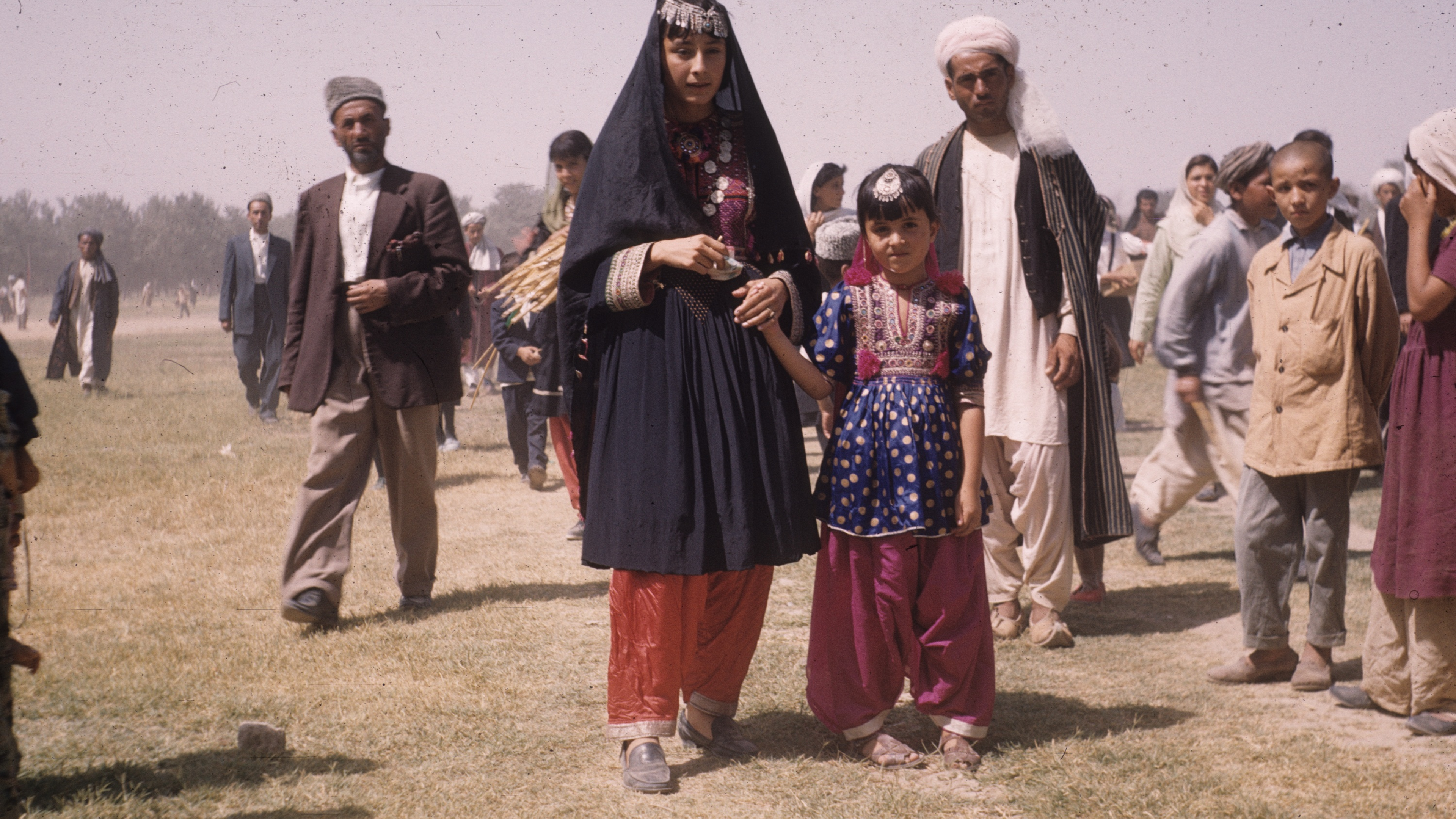
Dans les villages reculés d’Afghanistan, les Maisons de santé familiale dirigées par les communautés offrent des soins vitaux aux mères et aux enfants. Malgré de sévères restrictions et la dégradation du système de santé, les femmes afghanes, qui travaillent comme sages-femmes communautaires, utilisent des outils numériques et des cliniques locales pour garantir des accouchements sûrs. Cet article met en lumière le travail essentiel de l’UNFPA, de l’AADA et de la Maternity Foundation pour soutenir et autonomiser ces travailleuses de première ligne, et explique comment la communauté internationale peut contribuer à leur mission.
Pledge4Peace.org
September 23, 2026
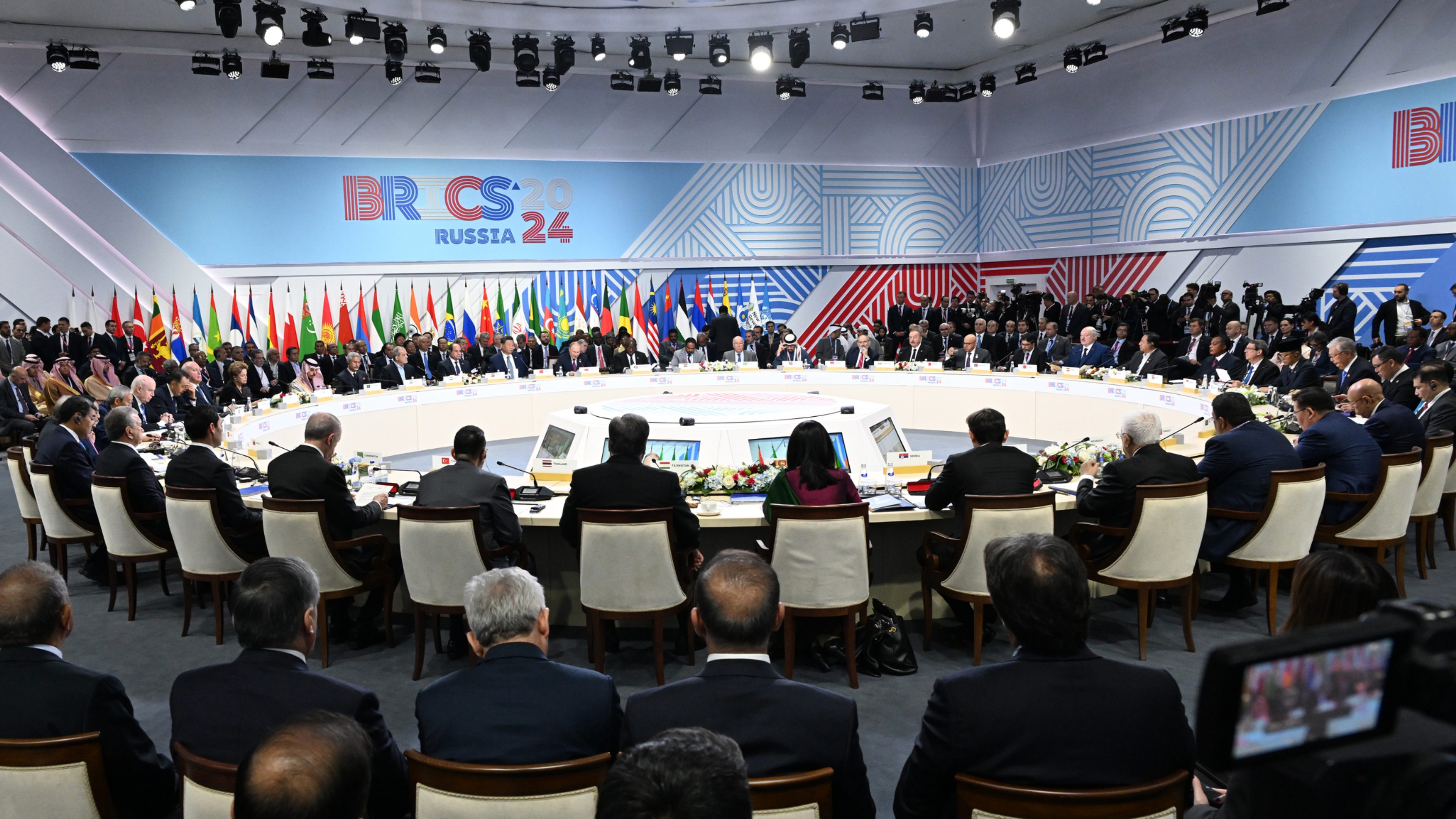
Alors que le 18ᵉ Sommet des BRICS s’ouvre à New Delhi, les dirigeants du bloc élargi de 10 pays sont confrontés à la tâche considérable de répondre à l’instabilité mondiale, notamment au conflit croissant entre les États-Unis et l’Iran. Dans le contexte de négociations diplomatiques à forts enjeux, Pledge4Peace appelle les citoyens à exiger des solutions pacifiques.
Pledge4Peace.org
September 18, 2026
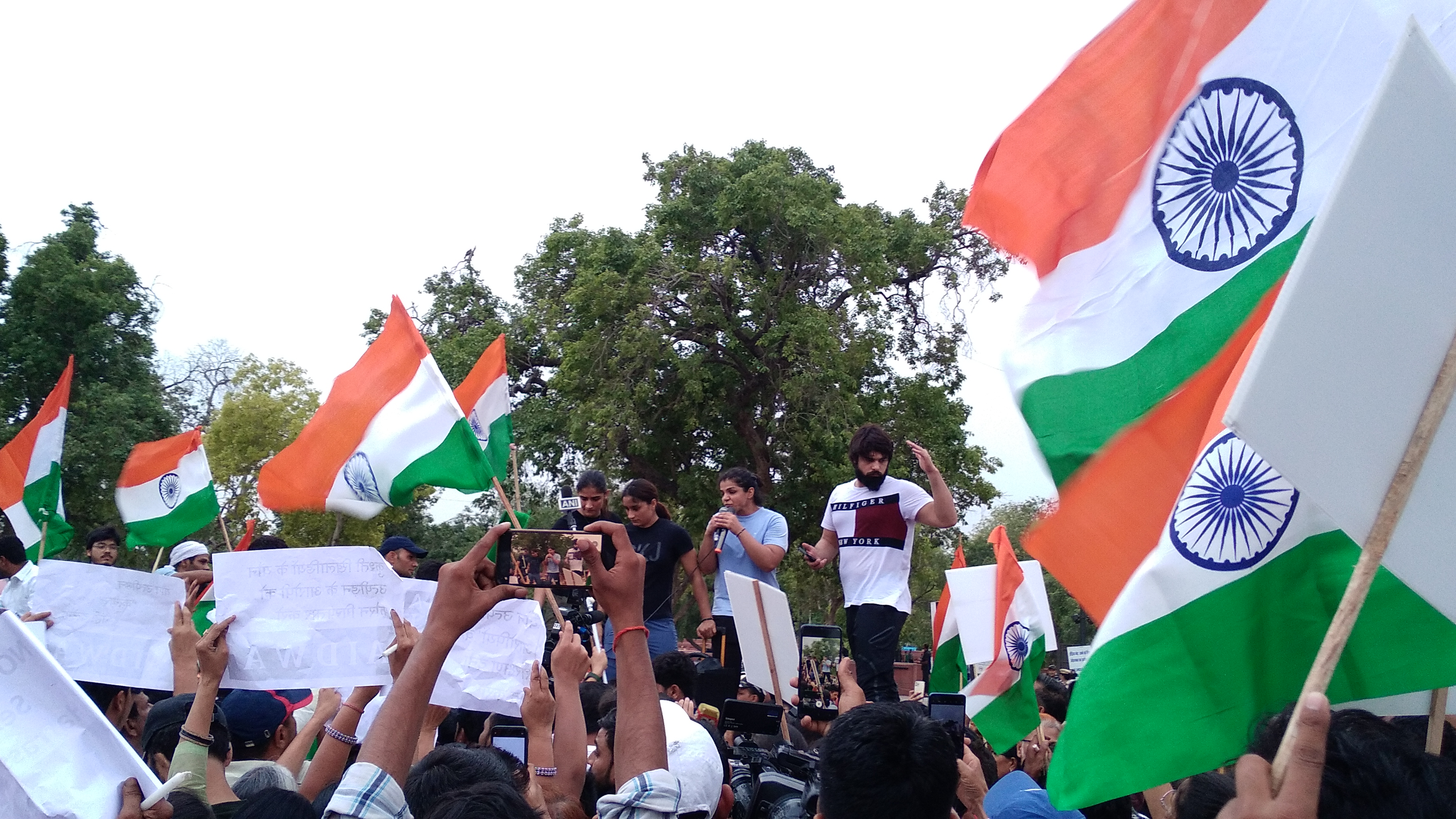
La colère des jeunes à travers l’Asie du Sud a déclenché une importante agitation politique, s’étendant du Sri Lanka au Bangladesh, au Népal et, plus récemment, à l’Inde. En Inde, les manifestations menées par la génération Z du Cockroach Janta Party, nées d’une profonde frustration face à la hausse du chômage et aux fuites d’examens, ont réussi à défier l’establishment au pouvoir, démontrant que la résistance démocratique évolue à l’ère numérique.
Pledge4Peace.org
August 27, 2026
